

Natural Ways to Reduce Muscle Soreness
Table of Contents
- Why Muscle Soreness Happens After Training
- How Long Does DOMS Last and When to Worry
- Natural Ways to Reduce Muscle Soreness Through Nutrition
- Foods That Help With Muscle Recovery After Hard Workouts
- Best Plant-Based Supplements for Recovery
- Heat, Cold, and Soft Tissue Techniques That Reduce Muscle Soreness
- Active Recovery, Sleep, and the Mental Side of Soreness
- Recovery Protocols by Workout Type
Last Updated: August 21, 2026
Why Muscle Soreness Happens After Training
Muscle soreness is the physical response to microscopic damage in muscle fibers caused by unfamiliar or intense exercise. When you push your body beyond its current capacity, particularly during eccentric movements like lowering weights or running downhill, the muscle fibers develop small micro-tears. The body responds with an inflammatory cascade designed to clear cellular debris and initiate tissue repair.
Delayed onset muscle soreness (DOMS) typically peaks 24 to 72 hours after training, which is why you often feel fine the day of a hard session but can barely walk the next morning. The inflammation causes fluid to accumulate in muscle tissue, increasing pressure on surrounding nerve endings and producing stiffness and tenderness.
A common misconception is that DOMS is caused by lactic acid buildup. Lactic acid clears from the muscle within an hour of finishing exercise. The real culprits are inflammatory mediators released during tissue repair and mechanical stress on the muscle fibers themselves. Understanding this distinction matters because it shapes which recovery strategies actually work.
At VitaFaze, we work with plant-based athletes who experience this cycle repeatedly. The goal is not to eliminate soreness entirely, since some degree of muscle fatigue signals productive training, but to support the body's natural repair process so recovery is faster, more complete, and less disruptive to your training schedule.
How Long Does DOMS Last and When to Worry
DOMS typically resolves within 3 to 5 days for most people training at moderate intensity, and up to 7 days for athletes who significantly increase training volume or intensity. This is the normal window.
Worry when the pain is sharp rather than dull and achy, localized to a joint rather than the muscle belly, accompanied by significant swelling or bruising, or when it does not improve after 7 days. These signs may indicate a strain or tear rather than standard DOMS. As documented in ACSM's guidelines on muscle injury and recovery, sharp or unilateral joint pain following exercise warrants evaluation rather than self-treatment.
If you are sore after every single session without improvement over weeks, your recovery is not keeping pace with your training load. That gap is where nutrition, sleep, and targeted supplementation become critical.
Natural Ways to Reduce Muscle Soreness Through Nutrition
The most overlooked tool for managing soreness is what you eat before and after training. Nutrition directly influences the speed of protein synthesis, the severity of the inflammatory response, and the body's ability to restore homeostasis after hard effort.
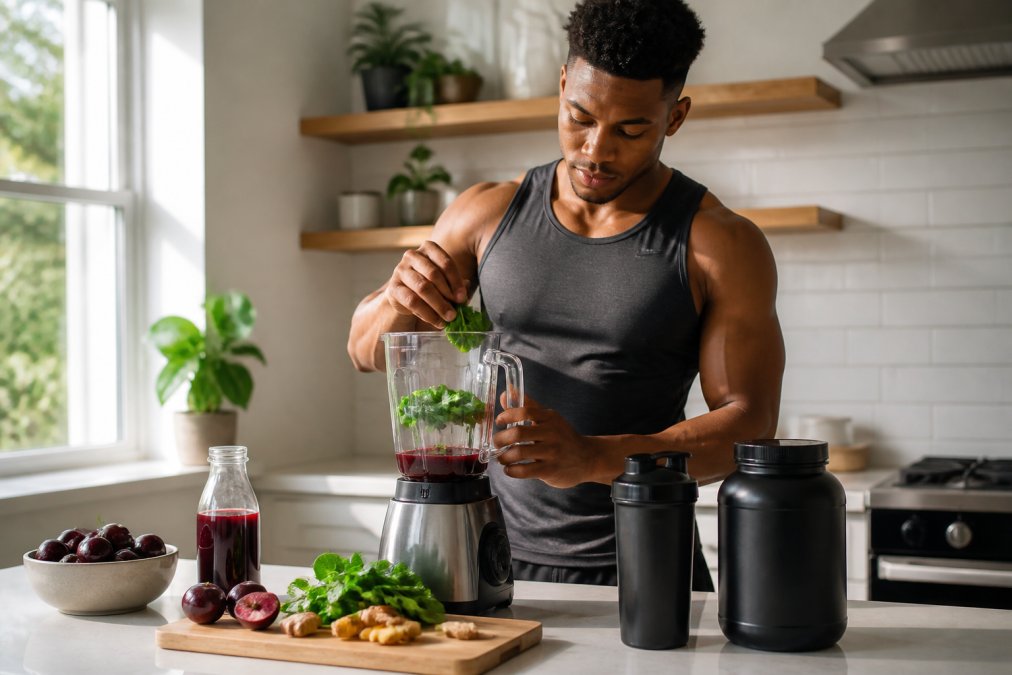
Anti-Inflammatory Foods That Speed Tissue Repair
The most effective dietary approach centers on foods that supply antioxidants, omega-3 fatty acids, and compounds that modulate the inflammatory response.
Tart cherry juice is one of the most well-researched natural options. According to research published in the Scandinavian Journal of Medicine and Science in Sports, tart cherry consumption is associated with reduced muscle soreness and faster strength recovery in endurance athletes. The active compounds are anthocyanins, potent antioxidants that help neutralize oxidative stress generated during intense training.
Turmeric, specifically its active compound curcumin, has meaningful evidence behind it. Curcumin inhibits several inflammatory signaling pathways, helping moderate the post-exercise inflammatory cascade. Combining turmeric with black pepper significantly increases curcumin absorption.
Other foods that support tissue repair and collagen synthesis include leafy greens (spinach, kale), berries, walnuts and flaxseed, ginger, and legumes.
Hydration and Electrolyte Balance
Dehydration amplifies soreness. Muscle tissue that is under-hydrated has reduced capacity to flush metabolic waste products, prolonging stiffness and fatigue.
Electrolyte balance is equally important. Sodium, potassium, and magnesium all play roles in muscle contraction and relaxation. Magnesium is frequently depleted in athletes training at high volume and is abundant in whole plant foods but easily lost through sweat. Pale yellow urine is a reliable indicator of adequate hydration. For sessions lasting longer than 90 minutes, adding an electrolyte source during or immediately after training helps restore fluid balance and supports the muscle's return to homeostasis.
Foods That Help With Muscle Recovery After Hard Workouts
Protein timing matters as much as total intake. Consuming protein within the first two hours after training supports faster muscle fiber repair. For plant-based athletes, combining complementary protein sources ensures a complete amino acid profile.
Carbohydrates play an underappreciated role in recovery. Replenishing muscle glycogen after training reduces cortisol levels, which moderates the inflammatory response. Athletes who train in a carbohydrate-depleted state consistently show higher markers of muscle damage and slower recovery. Whole food carbohydrate sources like sweet potatoes, oats, and fruit deliver energy alongside micronutrients and antioxidants.
| Recovery Goal | Key Nutrient | Plant-Based Food Sources |
|---|---|---|
| Protein synthesis | Complete amino acids | Legumes + grains, plant protein blend |
| Reduce inflammation | Omega-3 fatty acids | Walnuts, flaxseed, chia seeds |
| Glycogen replenishment | Complex carbohydrates | Sweet potato, oats, brown rice |
| Collagen synthesis | Vitamin C | Bell peppers, citrus, kiwi |
| Electrolyte balance | Magnesium, potassium | Spinach, banana, pumpkin seeds |
| Antioxidant support | Anthocyanins, polyphenols | Tart cherry, blueberries, turmeric |
Best Plant-Based Supplements for Recovery
Whole food nutrition sets the foundation, but plant-based athletes often face genuine bioavailability challenges that supplements address. Plant-based diets can present gaps in leucine density, B12, iron, and omega-3 fatty acids that affect both performance and recovery speed.
Plant protein blends combining pea protein, brown rice protein, and hemp protein deliver a more complete amino acid profile than any single plant source. Leucine, the primary trigger for muscle protein synthesis, is often lower in plant proteins than in whey, making dosing and formulation significant.
Omega-3 supplements derived from algae are the most direct plant-based source of EPA and DHA, the long-chain fatty acids most effective at reducing inflammation.
Magnesium glycinate or magnesium malate are the forms most efficiently absorbed for muscle recovery. Magnesium oxide has poor bioavailability and limited recovery benefit.
Vitamin B12 is non-negotiable for plant-based athletes. B12 deficiency impairs energy metabolism and can manifest as persistent muscle fatigue. Methylcobalamin is the preferred form.
VitaFaze formulates specifically for plant-based athletes, focusing on clean, bioavailable ingredients that bridge the nutritional gaps most common in plant-based training diets.
Heat, Cold, and Soft Tissue Techniques That Reduce Muscle Soreness
Physical recovery techniques work through different mechanisms than nutrition, and the most effective approach combines both.
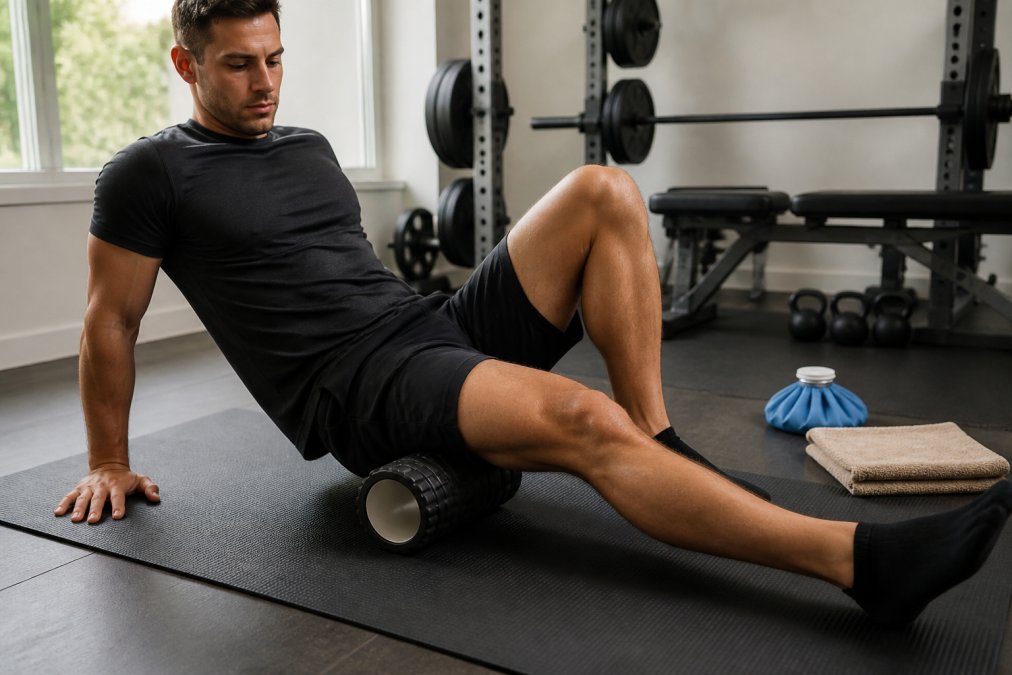
Cold Therapy and Cryotherapy
Cold therapy works through vasoconstriction, narrowing blood vessels to reduce blood flow and limit inflammatory fluid accumulation in the hours immediately following training. The optimal window is within the first 30 minutes to 2 hours after training.
A practical cold therapy protocol:
- Apply ice wrapped in a thin cloth for 15 to 20 minutes
- Allow the area to return to normal temperature before reapplying
- Limit to 2 to 3 applications in the first 4 hours post-training
- For full-body soreness, cold water immersion at 50 to 59°F for 10 to 15 minutes is effective
Do not apply cold therapy to areas with poor circulation or peripheral nerve damage, and avoid cold immersion if you have cardiovascular conditions without physician clearance.
Heat Therapy and Vasodilation
Heat operates on the opposite mechanism. Vasodilation increases circulation to the muscle, delivering oxygen and nutrients while clearing metabolic waste. Heat is most effective 24 to 48 hours after training, once the acute inflammatory phase has passed.
Moist heat, such as a warm bath or damp heated towel, penetrates deeper into muscle tissue than dry heat. Heat therapy is not appropriate immediately after a hard session, as applying heat in the first few hours post-training can amplify swelling rather than reduce it.
Foam Rolling and Myofascial Release
Foam rolling is self-administered myofascial release that addresses tightness in connective tissue surrounding muscle groups. According to research reviewed by the National Strength and Conditioning Association, foam rolling post-exercise is associated with reduced perceived muscle soreness and improved range of motion in the days following training.
Effective foam rolling technique:
- Roll slowly, approximately one inch per second, along the muscle belly
- When you find a tender point, hold pressure for 20 to 30 seconds
- Avoid rolling directly over joints or the lower back spine
- Spend 60 to 90 seconds per major muscle group
- Follow foam rolling with light stretching
Active Recovery, Sleep, and the Mental Side of Soreness
Active recovery is low-intensity movement performed on rest days to promote circulation without adding training stress. Walking, cycling at an easy pace, swimming, and yoga all qualify. Twenty to thirty minutes of light movement on recovery days consistently outperforms full rest for reducing the duration of DOMS.
Sleep is where the actual repair happens. Growth hormone, the primary driver of tissue repair and collagen synthesis, is released predominantly during deep sleep. Chronic sleep restriction below 7 hours per night impairs muscle protein synthesis and extends recovery timelines.
The psychological dimension of soreness is real and frequently ignored. Research in pain science, as covered by the National Institutes of Health's pain research resources, consistently shows that psychological stress amplifies perceived pain intensity. Managing stress through deliberate recovery practices, including breathwork, journaling, or reducing training load during high-stress periods, directly affects how much soreness you feel.
Recovery Protocols by Workout Type
Different training modalities create different types of muscle damage and require different recovery approaches.
Strength and hypertrophy training causes the most significant micro-tears due to heavy eccentric loading. Recovery priority: high protein intake within the recovery window, cold therapy in the first two hours, and 48 to 72 hours before training the same muscle group again.
Endurance training (running, cycling, rowing) depletes glycogen heavily and generates oxidative stress across large muscle groups. Recovery priority: carbohydrate replenishment within 30 minutes, electrolyte restoration, and active recovery the following day.
High-intensity interval training combines metabolic fatigue with mechanical stress. Recovery priority: anti-inflammatory nutrition, adequate sleep, and foam rolling for the lower body and hip flexors.
Yoga and flexibility-focused training causes less structural damage but can create significant neural fatigue. Recovery priority: hydration, magnesium, and heat therapy rather than cold.
| Workout Type | Primary Recovery Need | Recommended Technique | Supplement Priority |
|---|---|---|---|
| Strength / Hypertrophy | Protein synthesis, reduce inflammation | Cold therapy, foam rolling | Plant protein blend, omega-3 |
| Endurance | Glycogen replenishment, electrolytes | Active recovery, hydration | Electrolytes, B12, iron |
| HIIT | Mixed: metabolic + mechanical | Foam rolling, sleep | Protein blend, magnesium |
| Yoga / Flexibility | Connective tissue, neural recovery | Heat therapy, stretching | Magnesium, vitamin C |
Recovery is not passive. It is a set of deliberate choices made in the hours and days after training that determine how quickly you return to full capacity. Natural ways to reduce muscle soreness work best when matched to the specific demands of your training.
Persistent soreness that disrupts your training schedule is a signal worth taking seriously. VitaFaze is built specifically for plant-based athletes who need targeted nutritional support to bridge the gaps that whole food diets alone do not always cover. Our plant-powered formulas focus on clean, bioavailable ingredients that support muscle protein synthesis, reduce inflammation, and restore cellular energy between sessions. Shop All Products and find the right recovery support for your training.
Frequently Asked Questions
What helps muscle soreness go away faster?
The fastest relief comes from combining several approaches at once: staying hydrated, eating protein and anti-inflammatory foods within a couple of hours of training, getting seven to nine hours of sleep, and using light active recovery movement the next day. Foam rolling and cold therapy can also help clear metabolic waste and reduce inflammation. Skipping any one of these slows the whole process down, so consistency across all areas matters more than relying on a single fix.
Does hydration play a role in reducing muscle soreness?
Yes, significantly. Dehydration impairs the body's ability to flush metabolic waste products from muscle tissue and disrupts electrolyte balance, both of which worsen delayed onset muscle soreness. Staying well-hydrated before, during, and after training supports circulation, helps deliver nutrients to damaged muscle fibers, and maintains the homeostasis needed for efficient tissue repair. Adding electrolytes after intense sessions replaces what sweat removes and keeps muscles functioning correctly.
What is the best natural remedy for muscle soreness?
No single remedy outperforms the rest, but tart cherry juice, turmeric with curcumin, and omega-3 fatty acids have the most consistent evidence behind them for reducing inflammation and speeding recovery. Combined with adequate protein intake to support muscle protein synthesis, proper sleep, and active recovery movement, these form a solid natural approach. For plant-based athletes, targeted supplements that cover gaps in amino acids and anti-inflammatory compounds can make a meaningful difference.
What vitamin deficiency causes muscle soreness?
Vitamin D is the most commonly linked deficiency to persistent muscle soreness and fatigue. Low levels impair muscle function and slow tissue repair. Magnesium deficiency also contributes, causing increased muscle tension and cramping. Plant-based athletes are additionally at risk for low B12, which affects nerve function and energy metabolism. If soreness feels disproportionate to your training load, checking these levels with a blood panel is a practical first step before adjusting supplementation.
This article was written using GrandRanker