



Best Plant Based Protein for Endurance: 2026 Guide
Table of Contents
- Why Endurance Athletes Need a Different Protein Strategy
- What to Look for in the Best Plant Based Protein for Endurance
- Plant Based Protein vs Whey for Athletes: What the Science Says
- Top Pick: VitaFaze Vegan Protein Chocolate Shake
- Best Meal Replacement for Long Training Days: Chocolate Milkshake
- Best for Versatility: Vanilla Milkshake Meal Replacement
- Protein Timing for Endurance Training: When to Drink Your Shake
- How to Increase Endurance Naturally With Whole Foods
- Which VitaFaze Protein Is Right for Your Training?
- Final Verdict: Fuel Your Miles With Plant Power
- Frequently Asked Questions
Last Updated: September 9, 2026
Endurance athletes face a unique nutritional challenge that standard fitness advice often overlooks. Runners, cyclists, and triathletes require a strategic intake that fuels long efforts, repairs tissue under repeated stress, and manages inflammation. The best plant based protein for endurance isn't just about hitting a daily gram target; it's about quality, digestibility, and timing.
Most guides treat protein as a single macronutrient, but the science of recovery is far more nuanced. For endurance athletes, the goal is to shift the body out of a catabolic state and into an anabolic one, promoting muscle protein synthesis and glycogen replenishment. This requires a complete amino acid profile, particularly a strong dose of leucine, the trigger for muscle repair.
Why Endurance Athletes Need a Different Protein Strategy
The biggest mistake endurance athletes make is treating recovery like a bodybuilder. When you're logging 50+ miles a week or spending hours in the saddle, you're creating micro-tears in muscle fibers and depleting glycogen stores continuously. Research suggests protein needs for endurance athletes are higher than the standard 0.8 g/kg/day to support repair and maintain lean mass (peer-reviewed research).
A common approach is to focus solely on carbohydrates during training and worry about protein only after a long run. This ignores the fact that consuming protein during the recovery window helps blunt muscle breakdown and accelerates tissue regeneration. For plant-based athletes, this is further complicated because plant proteins often have lower digestibility and incomplete amino acid scores compared to animal sources.
The real difference comes down to recovery kinetics. Whey protein is rapidly absorbed and quickly spikes blood amino acids. Many plant proteins digest slower, which can be an advantage for prolonged recovery but a disadvantage in the immediate post-workout window. This is why the best plant based protein for endurance athletes often uses a blend of sources, such as pea and brown rice, to create a complete profile that mimics the anabolic response of whey.
What to Look for in the Best Plant Based Protein for Endurance
When evaluating supplements, move beyond the label's protein count and look at the formula with an athlete's eye. The best plant based protein for endurance is not just about grams; it's about a formula that addresses the two biggest hurdles for plant-based athletes: achieving a complete amino acid profile and ensuring your gut can tolerate and absorb it.
Complete Amino Acid Profile and Leucine Content
Leucine is the primary branched-chain amino acid responsible for activating the mTOR pathway, which triggers muscle protein synthesis. Many single-source plant proteins, such as pea or brown rice, are limited in one or more essential amino acids. Pea protein is lower in methionine, while rice protein is lower in lysine. This is why the best formulas use a strategic blend, typically pea and brown rice, to create a complete profile that mirrors the amino acid score of whey.
For endurance athletes, the leucine threshold is a critical metric. Research suggests that to maximally stimulate muscle protein synthesis, you need roughly 2.5 to 3 grams of leucine per serving (PubMed). A single serving of pea protein might only deliver 1.8 grams, which is below that threshold. Look for a blend that explicitly states its leucine content or is formulated to hit that 2.5-gram target.
Digestibility and the Gut Microbiome: The Real Performance Killer
This is where most guides stop, but it's the most critical factor for endurance athletes. A protein powder that leaves you bloated or gassy is a performance liability. The issue often isn't the protein itself, but the lack of digestive support in the formula. Many plant proteins contain oligosaccharides, complex carbohydrates that the human gut cannot easily break down. When these reach the colon undigested, gut bacteria ferment them, producing gas and discomfort.
The best formulas address this in two ways. First, they include a blend of digestive enzymes, such as protease, amylase, and cellulase, to break down protein peptide bonds and residual carbohydrates, reducing the fermentation load on your gut. Second, they often include a prebiotic fiber like acacia gum (also known as gum arabic), a soluble fiber that ferments slowly and gently, feeding beneficial gut bacteria without the rapid gas production associated with inulin or chicory root.
For an endurance athlete, gut health is not just about comfort; it's about absorption. A healthy gut lining is more efficient at shuttling amino acids into the bloodstream. Chronic inflammation from intense training can compromise the gut barrier, leading to poor nutrient absorption. A protein powder that supports the gut microbiome with prebiotics and enzymes is a strategic tool for ensuring you actually absorb the protein you're paying for.
Micronutrient Synergy: The Co-Factors Endurance Athletes Forget
Protein doesn't work in a vacuum. For a plant-based endurance athlete, the absorption and utilization of protein are heavily dependent on key micronutrients that are often lacking in a vegan diet. When you evaluate a protein powder, look beyond the amino acid profile to see if it supports these co-factors.
- Iron: Plant-based iron (non-heme) is less bioavailable than heme iron from meat (ods.od.nih.gov). Endurance athletes, especially female runners, are at a high risk for iron deficiency, which directly impairs oxygen transport and endurance capacity. A protein powder fortified with iron, or one you pair with a source of Vitamin C, helps mitigate this risk.
- Zinc: This mineral is crucial for over 300 enzymatic reactions, including muscle repair and immune function. Intense training increases zinc losses through sweat. Plant-based diets are often high in phytates, which bind to zinc and inhibit absorption. Look for a formula that provides a meaningful dose of zinc, or be diligent about getting it from other sources.
- B12: This is the one vitamin you cannot get reliably from whole plant foods. It is essential for nerve function and red blood cell production. While a protein powder isn't the primary source, a formula fortified with B12 adds a layer of insurance for athletes who train heavily.
A protein shake that only provides protein is a missed opportunity. The best plant based protein for endurance athletes acts as a vehicle for these critical co-factors, supporting not just muscle repair but the entire physiological engine that powers your training.

Plant Based Protein vs Whey for Athletes: What the Science Says
The debate between plant based protein vs whey for athletes often centers on the anabolic response. Whey has long been considered the gold standard due to its high leucine content and rapid absorption. However, recent research suggests that when you provide an equivalent dose of leucine and total protein, plant-based blends can stimulate muscle protein synthesis to a similar degree.
For endurance athletes, there is another factor to consider: inflammation. Whey is dairy-derived and can be pro-inflammatory for some individuals. Plant proteins, particularly those derived from sources like peas and rice, are naturally anti-inflammatory and rich in antioxidants. For athletes who train daily, managing systemic inflammation is critical for recovery and sustained energy.
Ultimately, the choice comes down to individual tolerance and goals. If you have no dairy sensitivities and prefer whey, it is a viable option. However, for athletes looking to reduce inflammation and support overall health, the best plant based protein for endurance offers a cleaner, equally effective alternative without the digestive stress.
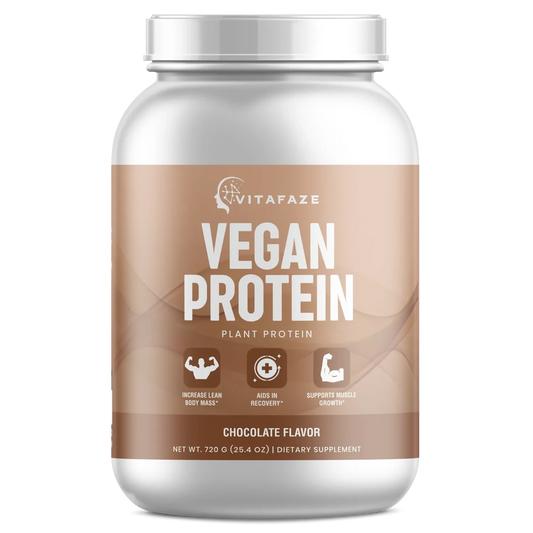
Top Pick: VitaFaze Vegan Protein Chocolate Shake
Our top editorial pick for endurance athletes is the VitaFaze Vegan Protein Chocolate Shake. This formula delivers 22 grams of complete plant-based protein per scoop, derived from a strategic blend of Organic Pea Protein and Organic Brown Rice Protein, ensuring a well-rounded amino acid profile.

What sets this shake apart is its focus on the endurance athlete's needs. It contains only 3g of sugar and 140 calories, making it a lean recovery tool that won't spike your insulin or derail your nutrition. The inclusion of 4g of dietary fiber and Organic Acacia Gum ensures the shake is gut-friendly. Fortified with 155 mg of calcium, it also supports bone health, a critical concern for high-impact runners.
At $32.97, it's a versatile option that works well mixed with water post-run or blended with a banana for a more substantial recovery meal.
Best Meal Replacement for Long Training Days: Chocolate Milkshake
On days when you're out on the road for three hours or completing a brick session, a simple protein shake isn't enough. You need calories, carbohydrates, and a sustained release of energy. For these demanding days, the VitaFaze Essential Meal Replacement Protein Chocolate Milkshake is the superior choice. Priced at $33.32, this 2.9lb tub is designed for athletes who need a convenient meal that supports recovery and provides lasting fuel.

This meal replacement packs 24 grams of protein per serving along with 5 grams of fiber, creating a profile that promotes satiety and stable blood sugar. The multi-source protein blend provides a time-release effect, ensuring your muscles receive a steady supply of amino acids over several hours. With zero added sugar and digestive enzymes, it supports optimal absorption without the crash associated with sugary recovery drinks.
Best for Versatility: Vanilla Milkshake Meal Replacement
If variety is important to you, the VitaFaze Essential Meal Replacement Protein Vanilla Milkshake offers the same strong nutritional profile as its chocolate counterpart but with a flavor that pairs well with almost anything. At $33.32, it provides 24g of protein and 5 grams of fiber per serving, making it an excellent base for smoothies, oats, or even baking.

The vanilla flavor is clean and mixes well with water, almond milk, or fruit. Because it contains no added sugar, you can control the sweetness by adding your own ingredients, such as berries or a date. This makes the best plant based protein for endurance athletes who also want to manage their overall calorie and sugar intake.
| Product | Protein | Sugar | Fiber | Price | Best For |
|---|---|---|---|---|---|
| Vegan Protein Chocolate Shake | 22g | 3g | 4g | $32.97 | Pure recovery, low-calorie |
| Meal Replacement Chocolate | 24g | 0g | 5g | $33.32 | Sustained fuel, meal swap |
| Meal Replacement Vanilla | 24g | 0g | 5g | $33.32 | Versatile blending, breakfast |
Protein Timing for Endurance Training: When to Drink Your Shake
Understanding the science of protein timing for endurance training is more nuanced than the old "anabolic window" myth. While your muscles are primed for nutrient uptake after a workout, the concept that you have exactly 30 minutes to consume protein or lose your gains is outdated. For endurance athletes, the strategy is less about a single emergency window and more about a deliberate, multi-phase approach that supports recovery over the next 24 to 48 hours.
The Immediate Post-Workout Window (0-60 Minutes)
The immediate post-workout period is about more than just protein. After a long endurance session, your body is in a catabolic state, and blood flow to the muscles is elevated. This is the most efficient time to start the recovery process, but the priority should be on a combination of protein and carbohydrates to shift into an anabolic state and begin glycogen replenishment.
For a plant-based athlete, the immediate post-workout shake should be a fast-digesting blend, like a pea and rice protein isolate. Consuming 20-30 grams of this protein within 30 to 60 minutes post-exercise initiates muscle repair. To maximize glycogen resynthesis, pair this with a carbohydrate source. A common ratio for endurance athletes is 3:1 or 4:1 carbohydrates to protein. This means if you're having a shake with 25g of protein, you should aim for 75-100g of carbohydrates in that same meal or snack, such as a banana, oats, or a sports drink.
The Second Window: The 2-Hour Post-Workout Meal
Most athletes stop thinking about recovery after their shake. This is a mistake. The most critical, and often overlooked, window for plant-based athletes is the meal you eat 1.5 to 2 hours after your workout. This is when you need a whole-food meal that provides a sustained release of amino acids and supports the inflammatory response.
This meal should be rich in antioxidants to combat oxidative stress. For example, a meal of quinoa, black beans, and a colorful vegetable stir-fry with turmeric and ginger provides a complete protein profile and a powerful dose of anti-inflammatory compounds. The immediate shake stops the bleeding; this meal starts the rebuilding.
The Overnight Strategy: Slow-Release Protein
Endurance athletes often neglect the overnight period. While you sleep, your body goes through its most significant repair and growth phases. However, if you go to bed with an empty stomach, you may spend several hours in a catabolic state.
Consider a slow-digesting protein source before bed. A plant-based meal replacement powder, like the VitaFaze Essential Meal Replacement, which contains a multi-source protein blend, can provide a time-release effect. The different protein sources digest at different rates, offering a steady supply of amino acids throughout the night. Alternatively, a whole-food option like a bowl of oatmeal with hemp seeds and a spoonful of almond butter provides slow-digesting carbs and protein that can sustain you through the night.
The Daily Rhythm: Spreading Intake for Continuous Repair
For the rest of the day, focus on spreading your protein intake across 3-4 meals to maintain a positive nitrogen balance. A common mistake is consuming all your protein in one massive dinner. This overwhelms the digestive system and doesn't provide a sustained anabolic signal. Instead, aim for a consistent intake of high-quality protein every 3-4 hours to support continuous muscle protein synthesis throughout the day.
How to Increase Endurance Naturally With Whole Foods
While supplements are a powerful tool for bridging nutritional gaps, they should not replace a solid foundation of whole foods. To increase endurance naturally, your diet should be rich in complex carbohydrates for glycogen storage, anti-inflammatory foods for recovery, and high-quality protein. Whole food sources like quinoa, buckwheat, legumes, and hemp seeds provide protein plus essential micronutrients and fiber that support overall performance.
A key advantage of a plant-based diet is micronutrient density. Foods like leafy greens and colorful vegetables provide antioxidants that combat oxidative stress from intense training. However, relying solely on whole foods to hit a high protein target, especially above 1.6 g/kg/day, can be challenging due to the sheer volume of food required. This is where a strategic protein powder blend becomes invaluable.
Which VitaFaze Protein Is Right for Your Training?
Choosing the right supplement depends on your training volume, goals, and schedule. If you are a runner who finishes a session and wants a quick, low-calorie recovery shake without the extra bulk, the Vegan Protein Chocolate Shake is your best bet. It delivers the essential amino acids needed for muscle repair without the calories of a full meal.
If you are training for a marathon or an Ironman, your energy expenditure is massive. You need a product that can double as a meal, providing sustained energy and a time-release protein profile. The Essential Meal Replacement options, whether chocolate or vanilla, are designed for this purpose.
Final Verdict: Fuel Your Miles With Plant Power
Choosing the best plant based protein for endurance is a decision that impacts your recovery, energy levels, and long-term health. The science is clear that plant-based proteins, when formulated correctly, can offer significant performance benefits.
The VitaFaze lineup addresses the specific needs of endurance athletes: complete protein blends for muscle protein synthesis, low sugar content for clean energy, and digestive enzymes to ensure optimal absorption. Whether you need a fast-acting recovery shake or a substantial meal replacement for long training days, VitaFaze offers a plant-powered solution that supports your performance without compromise.
Finding the right fuel for your training can be a challenge, especially when you're dedicated to plant-based nutrition. Many products fall short on taste, mixability, or amino acid profile, leaving you feeling unsatisfied and under-recovered. VitaFaze uses clean, bioavailable ingredients like organic pea and brown rice protein to support muscle repair and enhanced cellular energy.
Frequently Asked Questions
How much protein do endurance athletes need daily?
Endurance athletes should target 1.2 to 1.6 grams of protein per kilogram of body weight daily, per sports nutrition guidelines. A 150-pound runner needs roughly 82 to 109 grams per day. That total includes meals and snacks, not just shakes. Spreading intake across four or five feedings supports muscle protein synthesis better than one large dose. A plant based protein shake after training helps close the gap between whole-food meals and your daily target.
Do plant-based proteins provide enough amino acids for muscle repair?
Yes, when you choose the right blend. Single-source plant proteins like pea or rice are incomplete on their own. Combining pea and brown rice protein, as VitaFaze does, delivers a complete amino acid profile comparable to whey. The key is leucine, the amino acid that triggers muscle protein synthesis. Look for a plant based protein with at least 2 grams of leucine per serving to maximize recovery after endurance training.
When is the best time to consume protein for endurance recovery?
Consume 20 to 30 grams of protein within 30 to 60 minutes after finishing a long run, ride, or race. This window is when your muscles are most receptive to amino acids for repair. For runs lasting over 90 minutes, research suggests a 4-to-1 or 3-to-1 carbohydrate-to-protein ratio speeds glycogen replenishment. A protein shake with a banana or oats covers both needs. If your next session is more than 24 hours away, timing matters less than total daily intake.
Is plant based protein vs whey for athletes a real difference?
For muscle repair and daily protein needs, high-quality plant based protein is an effective option. Studies show similar gains in muscle mass and strength when total protein intake is matched. Plant proteins provide fiber, which supports gut health. Whey digests faster, but a pea-rice blend offers a sustained amino acid release that suits endurance efforts. Choose plant based protein if you want a clean option without dairy.
What makes VitaFaze protein worth choosing for endurance?
VitaFaze Vegan Protein Chocolate Shake combines organic pea and brown rice protein to create a complete amino acid profile with 22 grams per serving. It includes 4 grams of fiber and acacia gum for digestion, which matters when you train daily. At $32.97 per 1.5-pound tub, it keeps sugar at just 3 grams per serving. The formula supports both muscle repair and gut comfort during heavy training blocks.