



Benefits of Fermented Plant Protein: What Science Says
Table of Contents
- What Is Fermented Plant Protein?
- The Science of Fermentation in Plant Proteins
- 5 Key Benefits of Fermented Plant Protein
- Understanding the Bioavailability of Plant Protein
- Fermented Protein vs Whey Protein: A Comparison
- How to Improve Protein Digestion Naturally
-
How to Choose a Quality Fermented Plant Protein
- Step 1: Verify the Fermentation Claim
- Step 2: Check the Amino Acid Profile, Not Just Protein Grams
- Step 3: Look for Third-Party Testing and Certifications
- Step 4: Scrutinize the Ingredient List for Fillers
- Step 5: Consider the Source and Processing Method
- Step 6: Start with a Single-Ingredient Product
- Side Effects and Who Should Be Cautious
- Conclusion
- Frequently Asked Questions
Last Updated: September 8, 2026
Fermented plant protein is plant-based protein that has undergone microbial fermentation, a process that breaks down complex proteins and carbohydrates to improve digestibility and unlock nutrients. For athletes and active individuals, this process directly addresses the most common complaints with standard plant powders: bloating, poor absorption, and chalky textures. This guide from VitaFaze examines what the science actually says about fermented plant protein, separating genuine benefits from clever marketing.
The key distinction comes down to bioavailability: the degree to which your body can actually use the protein you consume. While standard pea or rice protein isolates are effective, fermentation acts as a pre-digestion step. Beneficial bacteria and enzymes break down the protein into smaller peptides and amino acids before they ever reach your stomach, which means your digestive system has to do less work to access the nutrients. Below, we break down the five science-backed benefits, how fermented options compare to whey, and what to look for on a label. We also cover who should be cautious and how to improve protein digestion naturally.
What Is Fermented Plant Protein?
Fermented plant protein is a protein supplement made from plant sources like peas, rice, or soy that undergoes a controlled fermentation process using beneficial microorganisms, typically bacteria or yeast. During fermentation, these microbes feed on the plant material, producing enzymes that break down the protein structure into smaller, more digestible components.
Think of it as pre-digested protein. The fermentation process essentially does some of the digestive work for you, before the powder ever touches a shaker bottle. This is different from simply adding probiotics to a regular protein powder. True fermentation changes the protein itself, not just the surrounding ingredients.
The result is a protein that is generally easier on the stomach, with a smoother flavor profile and a more complete amino acid profile in many cases. For those switching from whey or struggling with standard plant proteins, this difference is often noticeable within the first few servings.
The Science of Fermentation in Plant Proteins
The science of fermentation in plant proteins centers on microbial bioprocessing, where microorganisms like Lactobacillus or Saccharomyces are cultivated alongside plant material under controlled conditions. These microbes produce enzymatic activity that hydrolyzes protein bonds, effectively cleaving large, complex proteins into smaller peptides and free amino acids.
This process is significant for several reasons. First, it reduces the potential for gastrointestinal discomfort. Many people struggle to digest plant proteins because of their complex structure and the presence of antinutrients. Fermentation helps address both issues simultaneously.
Second, fermentation can improve the amino acid profile. While fermentation doesn't create new amino acids, it can free up those that are bound to other compounds, making them more available for absorption. This enhances the overall protein quality and supports better nutrient absorption.

5 Key Benefits of Fermented Plant Protein
The primary benefits of fermented plant protein can be grouped into five distinct categories: improved digestibility, removal of antinutrients, gut health support, enhanced nutrient bioavailability, and better flavor and texture. Each benefit addresses a specific barrier that often prevents people from sticking with plant-based nutrition. Here’s what the evidence and product formulations actually show.
Improved Digestibility and Absorption
The most immediate benefit is improved digestibility. During fermentation, microbial strains such as Lactobacillus plantarum or Bacillus subtilis produce proteases that hydrolyze large globular proteins into smaller peptides and free amino acids. This is a pre-digestion step that reduces the workload on your gastrointestinal tract.
For athletes, this means faster delivery of amino acids to muscle tissue. The protein is absorbed more readily, supporting muscle protein synthesis and faster recovery after training. Many users find they can consume fermented protein closer to a workout without the digestive discomfort they might experience with other options.
Removal of Antinutrients
Plant proteins naturally contain antinutrients like phytic acid and lectins. These compounds can bind to minerals and interfere with nutrient absorption. Fermentation significantly reduces these antinutrient levels (PubMed).
Phytic acid, in particular, is known as an "anti-nutrient" because it can block the absorption of iron, zinc, and calcium. The fermentation process breaks down phytic acid, which means more of the minerals in your shake actually reach your bloodstream. This is a critical advantage for those relying heavily on plant-based sources for their nutrition. For example, a standard pea protein isolate might retain a significant portion of its phytic acid content, whereas a properly fermented version can reduce it significantly, depending on the fermentation time and strain used.
Gut Health and Microbiome Support
Fermented foods have long been associated with gut health, and fermented protein is no different. The fermentation process can introduce beneficial probiotics and organic acids that support a healthy gut microbiome.
A balanced gut microbiome is linked to improved digestion, better immune function, and even mood regulation. While a protein shake isn't a substitute for a diverse diet of fermented foods, choosing a fermented protein powder can be a small but meaningful contribution to overall digestive wellness. However, it's important to note that most commercial fermented protein powders are pasteurized after fermentation to ensure shelf stability, which kills live probiotic cultures. The benefit here is primarily from the metabolites produced during fermentation, such as short-chain fatty acids, rather than from live organisms. If you are specifically seeking live probiotics, you would need to look for an unpasteurized product or add your own probiotic supplement to the shake.
Enhanced Nutrient Bioavailability
Beyond just protein, fermentation can increase the bioavailability of other nutrients in the powder. This includes B vitamins, which are often produced during the fermentation process, and minerals that are freed from antinutrient bonds.
For plant-based athletes concerned about nutrient gaps, this is a significant point. A fermented protein powder can deliver more than just protein; it can provide a more nutrient-dense profile that supports overall health and performance. Specifically, fermentation has been shown to increase levels of B vitamins in certain plant substrates (peer-reviewed research). Additionally, the breakdown of phytic acid improves the absorption of zinc and magnesium. This makes fermented plant protein a more functional choice for those tracking micronutrient intake.
Better Flavor and Texture
A practical benefit that should not be underestimated is improved flavor and texture. Fermentation can reduce the beany or earthy taste often associated with pea protein and can help create a smoother, creamier texture when mixed.
This is the benefit that keeps people consistent. A protein powder that tastes good and mixes well is one you'll actually use. The sensory improvements from fermentation help solve the compliance problem that plagues many plant-based supplements. Mechanistically, fermentation breaks down the volatile aldehydes and ketones responsible for the grassy or bitter notes in pea and soy proteins. It also reduces the particle size of the protein, which leads to less grit and a more uniform suspension in liquid.
Understanding the Bioavailability of Plant Protein
The bioavailability of plant protein is a measure of how much of the protein you consume is actually digested, absorbed, and used by your body for functions like muscle repair. It is often compared to animal proteins like whey, which are known for high bioavailability.
Plant proteins traditionally score lower on this metric due to two factors: antinutrients that block absorption and incomplete amino acid profiles. However, fermentation directly improves the bioavailability of plant protein. By breaking down protein structure and reducing antinutrients, more of the protein becomes usable.
This matters for performance. If you consume 30 grams of protein but only absorb 20 grams, your recovery and muscle growth will reflect that deficit. Fermented options help close the gap between the protein you consume and the protein your body actually uses.
Fermented Protein vs Whey Protein: A Comparison
The fermented protein vs whey protein comparison is a common one, and the answer depends on your priorities. Whey is a complete protein with a high amino acid score and rapid absorption. Fermented plant protein, while historically considered inferior, has closed much of that gap.
Here is a practical breakdown:
| Factor | Fermented Plant Protein | Whey Protein |
|---|---|---|
| Source | Peas, rice, soy | Dairy milk |
| Digestibility | High (pre-digested) | High |
| Lactose | None | Present (can cause issues) |
| Amino Acid Profile | Complete (when blended) | Complete |
| Gut Impact | Supports microbiome | Can cause bloating in some |
| Allergen Risk | Low | Moderate (dairy) |
| Best For | Plant-based diets, sensitive stomachs | Fast post-workout absorption |
For those with dairy sensitivities or who follow a plant-based diet, fermented plant protein is the clear winner. For someone without dairy issues who prioritizes the fastest possible absorption, whey may still have a slight edge. The choice often comes down to dietary preference and digestive tolerance.
How to Improve Protein Digestion Naturally
How to improve protein digestion often starts with choosing a fermented product, but there are additional steps you can take. Digestive enzymes, adequate hydration, and proper food combining all play a role in how well your body processes protein.
First, consider the timing of your shake. Drinking a protein shake on an empty stomach can sometimes cause rapid transit and poor absorption. Pairing it with a small amount of healthy fat can slow digestion and improve nutrient uptake.
Second, chew your food properly if you're getting protein from whole sources. Digestion begins in the mouth. For supplements, mixing thoroughly and drinking slowly can also help reduce the introduction of excess air, which contributes to bloating.
Finally, support your gut health with a diet rich in fiber and fermented foods. A healthy gut lining is more efficient at absorbing nutrients, including the amino acids from your protein shake.
How to Choose a Quality Fermented Plant Protein
Choosing a quality fermented plant protein requires reading beyond the front-of-package claims. Not all fermented proteins are created equal, and the label holds the key information you need. This is a practical label-reading guide to help you distinguish a genuinely fermented product from one that simply uses the word as a marketing buzzword.
Step 1: Verify the Fermentation Claim
Look for the word "fermented" in the ingredient list, not just on the front of the package. A genuine product will list a fermentation step or a specific microbial culture (e.g., Lactobacillus, Bacillus subtilis, or Saccharomyces cerevisiae) in the ingredients or on the "How it's made" section of the label or website. If the front says "fermented" but the ingredient list shows only "pea protein isolate" with no mention of a culture or fermentation process, it may be a marketing claim rather than a functional process.
Step 2: Check the Amino Acid Profile, Not Just Protein Grams
The most important label check is the amino acid profile, not the total protein count. A complete profile ensures you're getting all the building blocks your muscles need for recovery. Look for a listing of all nine essential amino acids (histidine, isoleucine, leucine, lysine, methionine, phenylalanine, threonine, tryptophan, and valine).
A single-source fermented protein (e.g., only pea) may be low in methionine. A quality product will either be a blend (pea + rice is a common combination) or will have added methionine to complete the profile. If the label does not list the amino acid breakdown, check the brand's website or contact customer service.
Step 3: Look for Third-Party Testing and Certifications
Quality fermented proteins should have third-party testing for purity and label accuracy. Look for seals from organizations like NSF International or Informed Choice, which verify that the product contains what the label claims and is free from banned substances. For a plant-based product, also check for a USDA Organic seal or Non-GMO Project verification if those are priorities for you.
Step 4: Scrutinize the Ingredient List for Fillers
Avoid products with excessive added sugars, artificial flavors, or a long list of unrecognizable ingredients. A clean, fermented plant protein should have a short, transparent ingredient list. Watch out for "natural flavors" that can mask the taste of lower-quality protein, and be wary of added digestive enzymes.
Step 5: Consider the Source and Processing Method
Check whether the protein source is organic or conventionally grown. Peas and rice are heavily sprayed crops, so organic sourcing can reduce your exposure to pesticides. Also, look for information on the fermentation method. Some brands use a traditional liquid fermentation, while others use a dry or solid-state fermentation. If the brand does not disclose its process, that is a red flag.
Step 6: Start with a Single-Ingredient Product
If you are new to fermented plant protein, consider starting with a single-source product (e.g., 100% fermented pea protein) before moving to a blend. This allows you to assess your tolerance and taste preferences. Once you know you tolerate pea well, you can move to a pea-rice blend for a complete amino acid profile.
Side Effects and Who Should Be Cautious
Fermented plant protein is generally well-tolerated, but some individuals should exercise caution. Those with histamine intolerance may react to fermented foods, as fermentation can increase histamine levels (the FDA).
Symptoms of histamine intolerance can include headaches, skin flushing, or digestive upset. If you have a known sensitivity to fermented foods like yogurt, sauerkraut, or kombucha, you may want to introduce fermented protein gradually.
Additionally, while fermentation reduces antinutrients, it does not eliminate all potential allergens. Those with a soy allergy should specifically avoid soy-based fermented proteins and stick to pea or rice options.
As with any supplement, it is wise to consult with a healthcare provider before adding it to your routine, particularly if you have an underlying health condition or are pregnant or nursing.
Conclusion
Fermented plant protein offers a meaningful upgrade over standard plant powders, addressing the main reasons people abandon them: digestive discomfort, poor absorption, and unpleasant taste. The fermentation process makes the protein more bioavailable and easier on the stomach, which directly supports your recovery and performance goals.
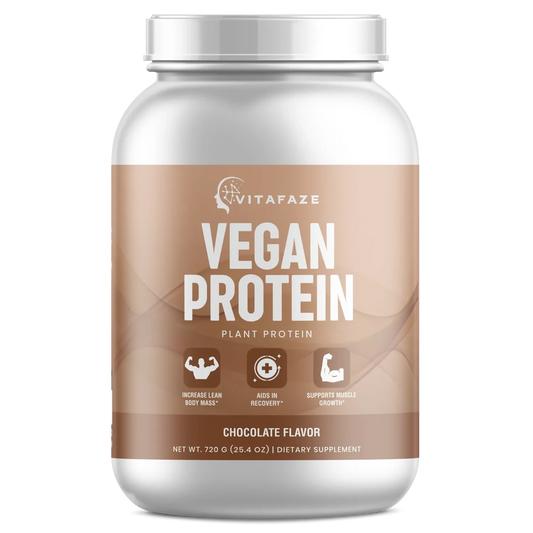
At VitaFaze, we formulate our plant-powered nutrition with clean, bioavailable ingredients designed to bridge nutritional gaps and support faster muscle recovery. Our Vegan Protein Chocolate Shake delivers 22 grams of complete plant-based protein in a rich, creamy formula that mixes smoothly and digests easily. Get started with VitaFaze and fuel your performance without compromising your plant-based values.

Frequently Asked Questions
Is fermented protein easier to digest than standard plant protein?
Yes. Fermentation breaks down complex proteins into smaller peptides and amino acids before they reach your stomach. This process also reduces antinutrients like phytic acid, which can block nutrient absorption. Many people who experience bloating or gas with standard plant protein powders find fermented versions noticeably easier on their digestive system.
Which is better, fermented protein or whey protein?
Both deliver complete amino acid profiles, but they suit different needs. Whey protein absorbs quickly and has a high leucine content for muscle protein synthesis. Fermented plant protein offers comparable benefits with added advantages: no dairy allergens, and a slower digestion rate that may support satiety. Your choice depends on dietary preferences and tolerance.
Does the fermentation process increase the protein content of plants?
No, fermentation does not add protein to the source material. What it does is make the existing protein more usable. Fermentation reduces antinutrients like phytic acid and lectins while breaking protein into smaller peptides. This improves the bioavailability of plant protein, meaning your body can absorb and use more of what is actually in the powder.