



How to Calculate Protein for Vegans (2026 Guide)
Table of Contents
- Why Standard Protein Calculators Fail Vegans
- The Simple Formula: How to Calculate Protein for Vegans
- Vegan Protein Requirements for Athletes: Beyond the RDA
- Understanding Protein Quality and Amino Acid Profiles
- Best Plant-Based Protein Sources for Muscle Gain
- How to Track Macros as a Vegan: A Practical System
- Sample Day: Hitting 120g of Protein on a Plant-Based Diet
- Common Mistakes That Sabotage Your Protein Intake
- Use the Right Tools: From Food Scales to Protein Powders
- Conclusion: Your Protein Target Is a Starting Point, Not a Ceiling
- Frequently Asked Questions
Last Updated: September 7, 2026
Why Standard Protein Calculators Fail Vegans
Most online protein calculators are built around animal-based assumptions, which is why they give vegans misleading targets. These tools typically rely on the Recommended Dietary Allowance (RDA) of 0.8 grams per kilogram of body weight, a figure designed to prevent deficiency in sedentary adults, not to optimize muscle growth or athletic performance. When you input your data, the calculator spits out a number based on that baseline, ignoring the fact that plant proteins are digested and absorbed differently than animal proteins.
The real issue comes down to protein quality and bioavailability. Animal sources like chicken or whey deliver complete proteins with all nine essential amino acids in highly digestible forms. Plant sources, by contrast, often lack one or more essential amino acids or have lower digestibility scores.
This guide from VitaFaze breaks down exactly how to calculate protein for vegans using a method that accounts for your activity level, training intensity, and the unique digestibility of plant sources. You'll learn the simple formula, how to adjust it for athletic goals, and the practical systems for hitting your daily target without obsessing over every meal.
The Simple Formula: How to Calculate Protein for Vegans
The formula for vegan protein needs starts with your body weight in kilograms, then multiplies by an activity-based factor between 1.2 and 2.2. This straightforward calculation gives you a daily protein target in grams that accounts for both maintenance needs and training demands.

Step 1: Find Your Body Weight in Kilograms
To convert from pounds to kilograms, divide your weight in pounds by 2.2. A 180-pound person weighs roughly 82 kilograms. This baseline number anchors every subsequent calculation, so take the time to get it right using a recent weigh-in rather than an estimate from months ago.
Step 2: Choose Your Activity Multiplier
Your activity multiplier determines how much protein you need beyond basic survival. A sedentary individual maintaining weight needs about 1.2 grams per kilogram. A recreational exerciser training three to four times weekly should target 1.4 to 1.6 grams per kilogram. Endurance athletes logging significant mileage benefit from 1.6 to 1.8 grams. Strength training athletes focused on muscle gain should aim for 1.8 to 2.2 grams per kilogram.
Vegan Protein Requirements for Athletes: Beyond the RDA
The RDA was never designed for athletes, and treating it as your target will leave you short. The RDA of 0.8 grams per kilogram prevents deficiency in average adults, but research consistently shows that active individuals need substantially more to support muscle protein synthesis, recovery, and adaptation to training. For vegan athletes, the gap widens further due to the digestibility differences mentioned earlier.
Strength training athletes on plant-based diets should target 1.8 to 2.2 grams per kilogram of body weight daily. Endurance athletes benefit from 1.6 to 1.8 grams per kilogram to support recovery and maintain lean mass during high-volume training periods. These ranges align with guidance from the Academy of Nutrition and Dietetics position on vegetarian diets, which confirms that well-planned plant-based diets can support athletic performance when protein intake is appropriately scaled.
The distinction matters because muscle protein synthesis responds to total daily protein intake and the distribution of that protein across meals. A vegan athlete consuming 0.8 grams per kilogram simply cannot trigger the same anabolic response as one hitting 1.8 grams per kilogram, regardless of protein source quality.
Understanding Protein Quality and Amino Acid Profiles
Protein quality isn't just about which amino acids are present, it's about how much of that protein your body can actually digest and absorb. This is where the standard vegan protein conversation gets shallow. Most articles say "combine beans and rice" and stop there. The more useful question is: how efficiently does your body turn the protein you eat into muscle?
Bioavailability: PDCAAS and DIAAS Scores
Two scoring systems quantify this efficiency. The Protein Digestibility-Corrected Amino Acid Score (PDCAAS) measures protein quality based on amino acid profile and true fecal digestibility. The Digestible Indispensable Amino Acid Score (DIAAS) is the newer, more accurate method that uses ileal digestibility, measuring absorption in the small intestine rather than the entire digestive tract.
Here's what the scores look like for common vegan proteins:
| Protein Source | PDCAAS Score | DIAAS Score (if available) | Limiting Amino Acid |
|---|---|---|---|
| Soy protein isolate | 1.0 | 0.90-1.00 | None (complete) |
| Pea protein concentrate | 0.89 | 0.82 | Methionine |
| Rice protein | 0.86 | 0.75 | Lysine |
| Hemp protein | 0.63 | 0.55 | Lysine |
| Whole wheat | 0.42 | 0.40 | Lysine |
| Lentils (cooked) | 0.63 | 0.58 | Methionine |
These numbers matter because a PDCAAS of 1.0 means your body uses nearly all of that protein. A score of 0.63 for lentils means you're absorbing roughly 63 percent of the 18 grams listed on the nutrition label, about 11 grams of usable protein per cooked cup. This is why the "10 to 15 percent buffer" advice exists: it's not a myth, it's a digestibility correction.
The Leucine Threshold
Leucine is the branched-chain amino acid that directly triggers muscle protein synthesis (MPS). Research commonly cited in sports nutrition suggests that a single meal needs roughly 2.5 to 3 grams of leucine to maximally stimulate MPS in an average adult. Animal proteins deliver this easily, a 4-ounce chicken breast has about 2.8 grams of leucine.
Plant proteins are less leucine-dense. Here's the practical comparison:
- Soy (tofu, tempeh): ~2.5 grams of leucine per 100 grams of protein, close to animal levels
- Pea protein: ~2.2 grams per 100 grams of protein
- Rice protein: ~1.9 grams per 100 grams
- Wheat gluten (seitan): ~1.7 grams per 100 grams
To hit the 2.5-gram leucine threshold from seitan alone, you'd need roughly 150 grams of seitan protein, about 450 grams of seitan by weight. That's a massive meal. In contrast, 100 grams of tofu protein (roughly 500 grams of tofu) gets you there. This is why soy and pea-based proteins are the workhorses of vegan muscle building, not because other sources are useless, but because they're less efficient at triggering the anabolic signal.
The Practical Strategy: Amino Acid Pooling, Not Meal Combining
The old "combine beans and rice at every meal" rule has been outdated for decades. Your body maintains an amino acid pool, a circulating reserve of amino acids from the last 24 hours of eating. What matters is the cumulative profile across your day, not each individual plate.
A more useful framework is to ensure you're getting adequate lysine and methionine across your weekly intake:
- Lysine is the most common limiting amino acid in vegan diets. It's found in soy, lentils, black beans, pumpkin seeds, and quinoa. Grains and nuts are low in it. If your diet is heavy on wheat, rice, and almonds, you're likely lysine-deficient.
- Methionine is lower in legumes but abundant in grains, nuts, and seeds. Most vegans who eat a mix of legumes and grains cover methionine without thinking about it.
What This Means for Your Calculation
When you calculate your protein target, you're calculating total protein intake, not usable protein. If you're relying heavily on low-PDCAAS sources like hemp, chia, or whole grains, your effective protein intake is lower than your log suggests. This is why the activity multiplier method in this guide starts at 1.2 grams per kilogram even for sedentary individuals, it builds in a digestibility buffer that standard RDA-based calculators ignore.
For athletes, the buffer matters more. A vegan strength athlete targeting 2.0 grams per kilogram from mixed plant sources is likely absorbing the equivalent of what an omnivore gets at 1.7 grams per kilogram. That's still within an effective range, but it explains why vegan athletes who train hard and eat only "clean" whole foods sometimes plateau, they're under-delivering usable protein despite hitting their gram targets.
This is the nuance that separates a protein target on paper from a protein target that actually supports muscle growth. The next section shows you how to apply this knowledge to choose the most protein-dense, calorie-efficient sources.
Best Plant-Based Protein Sources for Muscle Gain
The best plant-based protein sources for muscle gain combine high protein density with favorable amino acid profiles. Soy products lead the pack, with tofu providing roughly 10 grams of protein per half-cup serving and tempeh delivering about 15 grams per half-cup. Seitan, made from wheat gluten, offers an impressive 21 grams per third-cup serving, though it's not suitable for those avoiding gluten.
| Protein Source | Protein per Serving | Leucine Content | Best Use |
|---|---|---|---|
| Tofu | 10g per 1/2 cup | Moderate | Stir-fries, scrambles, smoothies |
| Tempeh | 15g per 1/2 cup | Moderate | Grilling, crumbling into bowls |
| Seitan | 21g per 1/3 cup | Moderate | Savory dishes, sandwiches |
| Lentils | 18g per cooked cup | Low-Moderate | Soups, stews, salads |
| Chickpeas | 15g per cooked cup | Low | Hummus, roasting, curries |
| Quinoa | 8g per cooked cup | Moderate | Grain bowls, breakfast porridge |
Soy, Pea, and Rice: The Complete Protein Trio
Soy stands alone as the only plant protein that's naturally complete, containing all nine essential amino acids in adequate amounts. Pea protein is high in lysine but lower in methionine, while rice protein has the opposite profile. Combining pea and rice proteins creates a complementary pair that rivals whey in amino acid content, which is why many commercial vegan protein powders use this blend.
For whole-food sources, the strategy is variety throughout the day rather than precise combinations at every meal. A breakfast of quinoa porridge, a lunch with lentil soup and whole grain bread, and a dinner featuring tofu stir-fry naturally covers your amino acid needs without requiring meticulous planning.
How to Track Macros as a Vegan: A Practical System
How to track macros as a vegan comes down to choosing a method you'll actually maintain for more than two weeks. The most reliable approach combines a food scale for accuracy with a tracking app for convenience, at least during the initial adjustment period when you're learning portion sizes and protein content.
Start by weighing your protein-dense foods for the first month. A food scale eliminates the guesswork that causes most people to undercount their intake. A "serving" of tofu that looks right in the package might actually be 30 percent larger when weighed, which means you're consuming more calories and protein than your log reflects.
Sample Day: Hitting 120g of Protein on a Plant-Based Diet
A 150-pound athlete targeting 1.8 grams per kilogram needs roughly 120 grams of protein daily. This sample day shows how realistic that target is with strategic meal planning and whole-food sources.
Breakfast starts with a smoothie containing one scoop of vegan protein powder, a cup of soy milk, and two tablespoons of peanut butter, delivering approximately 30 grams of protein. Lunch features a quinoa and black bean bowl with vegetables, providing another 25 grams. The afternoon snack of roasted chickpeas and a handful of almonds adds 12 grams.
Dinner centers on a tempeh stir-fry with brown rice, contributing 30 grams, while a pre-bedtime snack of tofu pudding or a second protein shake brings the day to roughly 120 grams total. USDA FoodData Central provides accurate protein values for all these plant foods, making it easy to verify your counts.
This distribution spreads protein across four to five meals, which supports muscle protein synthesis throughout the day rather than relying on one large bolus at dinner.
Common Mistakes That Sabotage Your Protein Intake
The most common mistake is assuming that all plant proteins are created equal and treating them interchangeably. A cup of cooked lentils delivers 18 grams of protein but also carries significant carbohydrates and fiber, which can make hitting high protein targets feel like eating constantly. Understanding the protein-to-calorie ratio of each source helps you prioritize the most efficient options.
Another frequent error is neglecting protein around training sessions. Your muscles are most receptive to amino acids in the hours following exercise, and skipping a post-workout protein source blunts the recovery response. A shake with 20 to 30 grams of protein within two hours of training can support recovery.
Under-eating during the week and attempting to catch up on weekends also undermines progress. Muscle protein synthesis operates on a daily cycle, and your body can't store excess protein from Saturday to cover a deficit from Tuesday. Consistency across all seven days matters more than occasional high-protein days.
Use the Right Tools: From Food Scales to Protein Powders
The right tools make the difference between guessing and knowing your protein intake is on target. A digital food scale costing around $15 provides the accuracy needed during your initial tracking phase. A reliable tracking app with a comprehensive plant food database simplifies logging and automatically calculates your daily totals.
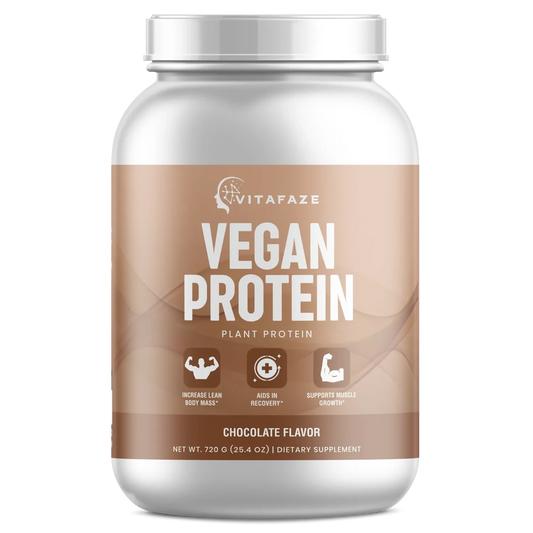
For athletes who struggle to hit their targets through whole foods alone, a quality vegan protein powder fills the gap efficiently. [VitaFaze's Vegan Protein Chocolate Shake](https://vitafaze.com/products/1-5lb-pure-vegan-protein-rich-chocolate) delivers 22 grams of complete plant-based protein per serving with clean, bioavailable ingredients designed to support muscle recovery and muscle protein synthesis. At $32.97 for a 1.5-pound container, it offers a cost-effective way to add 20 to 30 grams of protein without preparing another full meal.

The 2.9lb Essential Meal Replacement Protein options, available in chocolate and vanilla at $33.32, provide 24 grams of protein per serving with zero added sugar, making them practical for busy training days when preparing whole-food meals isn't feasible.

Conclusion: Your Protein Target Is a Starting Point, Not a Ceiling
Your calculated protein target represents the minimum you should aim for, not a limit to stay under. Many vegan athletes find that slightly exceeding their target on training days improves recovery and energy levels, while hitting the lower end on rest days works fine. Listen to your body's signals and adjust within a reasonable range around your calculated number.
The approach outlined here accounts for what standard calculators miss: your activity level, the digestibility of plant proteins, and the amino acid composition of your food choices. Start with the formula, track honestly for two weeks, and adjust based on how your body responds to training and recovery.
Getting enough protein for vegans doesn't require perfection, just consistent attention to the fundamentals. Pair smart food choices with a reliable supplement strategy when needed, and your results will follow. National Institutes of Health Office of Dietary Supplements offers additional guidance on nutrient adequacy for plant-based eating patterns.
Frequently Asked Questions
How can vegans get 100g of protein a day?
Reaching 100g of protein on a vegan diet is manageable with planning. Include a protein source at every meal: tofu or tempeh (20-25g per serving), lentils or chickpeas (15-18g per cooked cup), and a protein shake (22g). A typical day might include a tofu scramble at breakfast, lentil soup at lunch, and a pea protein shake post-workout. Tracking your intake with an app for the first few weeks helps you see which meals need adjustment.
Do vegans need more protein than meat-eaters?
Current research does not support a higher RDA for vegans when total calorie needs are met. The difference lies in protein quality: plant proteins often have lower digestibility and may lack one or more essential amino acids. To compensate, eat a variety of plant proteins throughout the day and aim for the higher end of the recommended range (1.6-2.2g per kg) if you train regularly.
What is the best plant-based protein source for muscle gain?
Soy products like tofu, tempeh, and edamame are the strongest plant proteins for muscle gain because they are complete proteins, meaning they contain all nine essential amino acids in adequate amounts. Pea protein is also effective, especially when combined with rice protein to create a full amino acid profile. Seitan is protein-dense but low in lysine, so pair it with legumes.
How do I calculate my protein needs in grams per pound?
For a quick calculation, use 0.8g per pound of body weight for a sedentary individual, and 1.0-1.2g per pound for active individuals or athletes. For example, a 150-pound person who strength trains needs roughly 150-180g daily. This method is simpler than metric conversion but yields a slightly higher number than the grams-per-kilogram approach.
Setting a protein target is the first step, but consistency is what builds muscle and improves recovery. VitaFaze supports your plant-based performance goals with clean, bioavailable protein supplements formulated to bridge nutritional gaps and enhance cellular energy. Shop our full line of vegan protein products and give your body the fuel it needs to perform at its best.