



Bioavailable Plant Protein for Faster Recovery: 2026 Guide
Table of Contents
- Why Protein Quality Matters More Than Protein Source
- Bioavailable Plant Protein vs. Whey: What the Science Says
- How to Get Enough B12 on a Vegan Diet for Recovery
- Complete Amino Acid Profile for Athletes: Beyond the 9 EAAs
- The Best Plant-Based Protein Blends for Muscle Growth
- Whole Food vs. Supplement: Which Delivers Faster Recovery?
- Gut Health and Absorption: The Missing Link in Plant Protein
- Age-Related Recovery Needs: Adjusting Your Protein Intake
- Your Action Plan for Faster Recovery With Plant Protein
- Frequently Asked Questions
Last Updated: September 6, 2026
Plant-based athletes often hit their daily protein targets, yet recovery still lags. The issue isn't total intake, but bioavailability: how much of the amino acids you ingest your body can absorb and use for muscle repair. At VitaFaze, we formulate our plant-powered nutrition around this principle.
Recovery comes down to muscle protein synthesis (MPS), which requires a sufficient dose of essential amino acids delivered quickly to muscle tissue. This guide breaks down the clinical research on protein quality, compares plant sources to whey, and gives a practical action plan for faster recovery.
The strategies below have helped endurance runners, gym-goers, and weekend warriors close the recovery gap without compromising their plant-based values. But first, here's what most guides get wrong: they treat all plant proteins as equal. They are not.
Why Protein Quality Matters More Than Protein Source
Protein quality is a measure of how well your body can use a given protein to support growth and repair. It is determined by the completeness of the amino acid profile and how easily your digestive system breaks the protein down.
The gold standard for measuring this is the Digestible Indispensable Amino Acid Score (DIAAS), which evaluates protein based on its digestibility and its ability to supply essential amino acids. FAO's DIAAS methodology paper explains that most plant proteins score lower than animal proteins because they contain antinutrients like phytates and trypsin inhibitors that reduce absorption.
Recovery is not about protein quantity alone. A 30-gram serving of a low-quality protein that only delivers 15 grams of absorbable amino acids is inferior to a 25-gram serving of a highly bioavailable protein that delivers 22 grams.
The common advice to "just eat more plant protein to compensate" is outdated. Better guidance is to focus on protein quality through processing methods like sprouting, fermentation, and enzyme addition, which break down antinutrients and improve absorption rates.
Bioavailable Plant Protein vs. Whey: What the Science Says
Whey has long been the benchmark for post-workout nutrition because of its rapid digestion and high leucine content. However, the gap between whey and high-quality plant protein is narrower than most believe, provided the plant protein is formulated correctly.
Research consistently shows that when plant proteins are blended and supplemented with specific amino acids, they can stimulate muscle protein synthesis to a similar degree as whey. The key variable is not the source, but whether the essential amino acid profile meets the threshold needed to trigger MPS.
Muscle Protein Synthesis and the Leucine Threshold
Leucine is the primary trigger for muscle protein synthesis. It is one of three branched-chain amino acids, and it acts as a signaling molecule that tells your body to start building muscle. Without enough leucine in a single serving, MPS stays below the activation threshold regardless of total protein intake.
The leucine threshold for most athletes is between 2 and 3 grams per serving. The challenge with plant proteins is that leucine is less concentrated in plant sources than in dairy. For example, pea protein contains roughly 7-8% leucine, while whey contains about 10-11%. This means a plant-based shake needs a higher total protein dose or a strategic blend to cross the threshold.
This is where protein blends become valuable. Combining pea and rice protein, for instance, creates a more complete amino acid profile. Pea protein is high in lysine but low in methionine, while rice protein has the opposite pattern. Together, they complement each other and more closely match the amino acid profile of whey.
How to Get Enough B12 on a Vegan Diet for Recovery
Vitamin B12 is often treated as an afterthought in plant-based protein guides, but it is a critical cofactor in red blood cell production and nerve signaling, both of which directly influence recovery kinetics. If your B12 status is suboptimal, even the most bioavailable plant protein blend will underperform because oxygen delivery to muscle tissue is compromised.
Why B12 Status Directly Affects Recovery
B12 (cobalamin) is required for the synthesis of methionine from homocysteine, a reaction that supports DNA repair and methylation in rapidly dividing cells, including satellite cells involved in muscle repair. A deficiency elevates homocysteine, which is associated with impaired endothelial function and reduced blood flow, meaning fewer amino acids and oxygen reach damaged muscle fibers. The [National Institutes of Health B12 fact sheet | ods.od.nih.gov] notes that deficiency can cause megaloblastic anemia and neurological impairment, both of which would blunt training adaptation.
The Absorption Problem Most Athletes Miss
B12 absorption is a two-step process many plant-based athletes misunderstand. Dietary B12 binds to protein in food and requires stomach acid and pepsin to release it. Once free, it must bind to intrinsic factor produced in the stomach lining for absorption in the ileum. Relying on B12 from fortified foods, like plant milks or nutritional yeast, is unreliable for three reasons:
- Fortification levels vary widely between brands and batches, making it impossible to know your actual intake.
- The protein-bound form in fortified foods still requires adequate stomach acid for release, which declines with age and with chronic use of acid-suppressing medications.
- The absorption ceiling is low, the intrinsic factor pathway caps at roughly 1.5-2 mcg per meal, regardless of how much you consume. The remaining B12 is absorbed passively at a rate of only about 1% of the dose.
A Practical Protocol for Plant-Based Athletes
For athletes training 4-6 days per week, the stakes are higher because red blood cell turnover increases with training volume. The most reliable strategy is sublingual or chewable cyanocobalamin (the most stable and well-researched form) at a dose of 250-500 mcg daily, or 1000-2000 mcg twice weekly. This bypasses the intrinsic factor ceiling through passive diffusion. Methylcobalamin is another option, but it is less stable and more expensive; cyanocobalamin is the form used in most clinical trials and is perfectly adequate for athletes.
The Gut Health Connection Competitors Ignore
B12 status is intertwined with gut health, the primary determinant of plant protein bioavailability. The ileum, where B12 is absorbed, is also where much of the gut-associated lymphoid tissue resides. Chronic low-grade inflammation in the gut, often triggered by antinutrients in poorly processed plant proteins, can impair ileal absorption of B12 and other nutrients, creating a vicious cycle: poor gut health reduces B12 absorption, which impairs recovery, which increases stress on the gut.
Athletes who consume large amounts of raw or minimally processed plant protein powders may be unknowingly compromising their gut lining. The solution is not to abandon plant protein but to choose sprouted, fermented, or enzyme-treated formulas that neutralize antinutrients, and to pair them with a consistent B12 supplementation protocol.
Testing and Monitoring
If you have been plant-based for more than two years and have not supplemented consistently, ask your healthcare provider for a serum B12 test and a methylmalonic acid (MMA) test. MMA is a more sensitive marker of functional B12 deficiency; serum B12 alone can miss early-stage deficiency. A common pattern is serum B12 in the low-normal range (200-300 pg/mL) with elevated MMA, indicating tissue-level deficiency despite a "normal" blood test.
Complete Amino Acid Profile for Athletes: Beyond the 9 EAAs
A complete amino acid profile for athletes includes all nine essential amino acids (EAAs) in sufficient amounts, plus attention to conditionally essential amino acids that become important under high training stress. The nine EAAs are histidine, isoleucine, leucine, lysine, methionine, phenylalanine, threonine, tryptophan, and valine.
Most single plant proteins are incomplete, meaning they are low in one or more EAAs. The classic example is the lysine deficiency in wheat and rice proteins, and the methionine deficiency in pea and soy proteins. Relying on a single plant source for recovery is a tactical error.
Beyond the EAAs, athletes should consider two conditionally essential aminos: glutamine and arginine. Glutamine supports immune function and gut health, which matters because intense training temporarily suppresses immunity. Arginine is a precursor to nitric oxide, which supports blood flow and nutrient delivery to muscles.
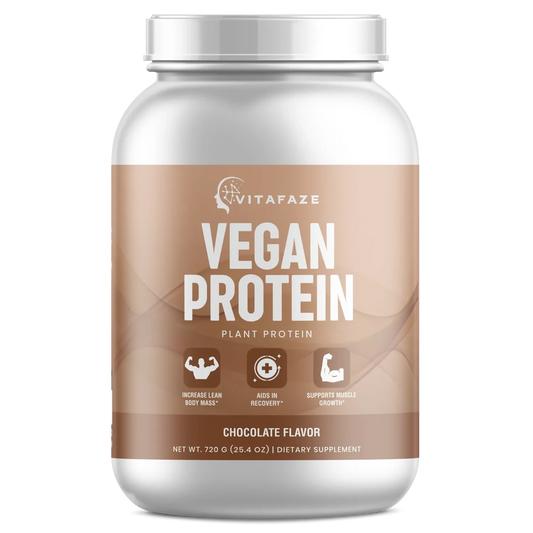
The practical solution is a protein blend that combines complementary plant sources. A well-designed blend of pea, rice, and hemp or pumpkin seed protein can deliver a complete amino acid profile that rivals animal protein. This is the approach VitaFaze takes with our Vegan Protein Chocolate Shake, which provides 22 grams of complete plant protein per serving.

The Best Plant-Based Protein Blends for Muscle Growth
The best plant-based protein blends are not just about combining sources, they are about engineering an amino acid profile that crosses the leucine threshold and delivers all nine EAAs in a single serving. What top-ranking articles miss is how to integrate these blends with whole foods to maximize bioavailability without relying solely on processed isolates.
The Science of Complementary Blending
The classic pea-and-rice pairing works because of complementary amino acid profiles. Pea protein is rich in lysine (about 7.2 g per 100 g protein) but low in methionine and cysteine. Rice protein is low in lysine (about 3.8 g per 100 g protein) but provides adequate methionine. Combined at a ratio of roughly 70% pea to 30% rice, the resulting profile more closely matches the FAO reference pattern for essential amino acids.
This ratio matters more than most brands disclose. Many commercial blends use 80/20 or even 90/10 ratios, which still leaves methionine below the reference pattern. A 70/30 pea-to-rice ratio is the sweet spot for EAA completeness. If a product does not disclose its blend ratio, it is reasonable to be skeptical of its quality.
Beyond Pea and Rice: Strategic Additions
Pumpkin seed protein is an underrated addition because it is rich in methionine, zinc, and magnesium, two minerals that support testosterone production and muscle contraction. Hemp protein adds omega-3 fatty acids and a globulin and albumin profile that supports immune function. Soy protein isolate, when tolerated, offers the highest leucine content of any plant source at roughly 8.5-9 g per 100 g protein, comparable to whey's 10-11 g.
A well-designed four-source blend might look like this:
| Source | Typical Ratio | Contribution | Key Limitation Addressed |
|---|---|---|---|
| Pea protein isolate | 50% | High lysine, good leucine | Methionine gap |
| Rice protein concentrate | 25% | Methionine, cysteine | Lysine gap |
| Pumpkin seed protein | 15% | Methionine, zinc, magnesium | Overall EAA completeness |
| Hemp protein | 10% | Omega-3s, arginine | Digestibility, satiety |
This combination delivers a complete EAA profile with a leucine content of approximately 7.5-8 g per 100 g protein. To hit the 2.5-3 g leucine threshold in a single serving, you would need roughly 32-40 g of total protein from this blend, which is why many athletes add a leucine-boosting ingredient or choose a higher-protein formula.
Processing Methods That Change Bioavailability
Blend composition is only half the equation. The processing method determines whether those amino acids are actually absorbable. Three methods stand out in clinical research:
-
Enzyme treatment: Proteases like bromelain and papain break down protein into smaller peptides and free amino acids, reducing the digestive burden and improving absorption rates. Look for blends that list "enzyme blend" or specific proteases on the ingredient label.
-
Fermentation: Fermented plant proteins (often from pea or soy) have antinutrients like phytates and trypsin inhibitors partially neutralized by microbial action. Fermentation also produces organic acids that support gut microbiome diversity, a factor most competitors ignore entirely.
-
Sprouting: Sprouted grains and legumes have reduced phytic acid content and increased activity of endogenous enzymes that aid digestion. Sprouted rice protein, for example, has a higher DIAAS score than unsprouted rice protein.
The Whole-Food Integration Angle Competitors Miss
No top-ranking article tells you how to combine whole foods with protein powders to maximize bioavailability. The most effective strategy is not to choose between whole foods and supplements but to use them synergistically.
Before training (2-3 hours prior): Eat a whole-food meal that includes a legume-grain pairing, such as lentils with quinoa or chickpeas with whole-grain bread. This provides a slow-release amino acid pool that supports training and reduces muscle breakdown during exercise. The fiber in whole foods also feeds gut bacteria, supporting the microbiome that enhances long-term nutrient absorption.
Immediately post-training: Use a fast-digesting blend (pea-rice or a multi-source formula) to deliver 25-30 g of protein with 2.5-3 g of leucine. This is where the supplement wins, whole foods digest too slowly to hit the acute MPS window.
Later meals: Return to whole-food protein sources. A common pattern among plant-based athletes is to rely too heavily on powders for all meals, which reduces micronutrient diversity and can lead to digestive fatigue. Whole foods provide bioactive compounds, like polyphenols in legumes and lignans in seeds, that supplements cannot replicate.
How to Evaluate a Commercial Blend
When comparing products, use this checklist:
- Does the label disclose the blend ratio (e.g., 70% pea, 30% rice)?
- Is the leucine content listed per serving? Aim for at least 2.5 g.
- Does it include a digestive enzyme blend or use fermented/sprouted ingredients?
- Is the DIAAS score disclosed? A score above 0.90 is considered high quality.
- Does it avoid artificial sweeteners and gums that can cause bloating?
The Bottom Line for Muscle Growth
For muscle growth, the best plant-based blend delivers a complete EAA profile, crosses the leucine threshold, and is processed to maximize digestibility. But the most effective recovery protocol uses that blend strategically around training while relying on whole-food legume-grain pairings for the rest of the day. This hybrid approach gives you the precision of a supplement when it matters most and the micronutrient and fiber diversity of whole foods for long-term gut health and absorption.
Whole Food vs. Supplement: Which Delivers Faster Recovery?
Whole foods should form the foundation of any diet, but for targeted post-workout recovery, supplements have a clear advantage in speed and precision. The difference comes down to digestion rate and amino acid concentration.
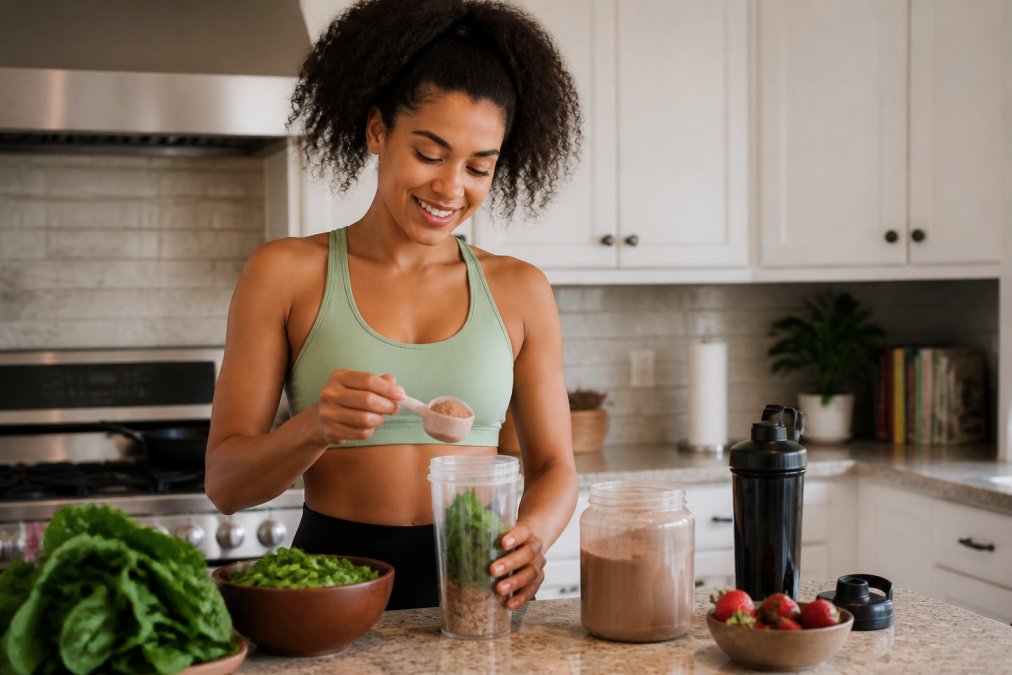
A whole food meal like quinoa and beans contains protein, but it also contains fiber, fats, and carbohydrates that slow digestion. This is beneficial for sustained energy but not ideal for the acute recovery window immediately after training. A protein supplement delivers amino acids rapidly, which is critical for triggering muscle protein synthesis.
The "anabolic window" concept has been debated, but the consensus is that consuming protein within a few hours post-workout is important for optimal recovery. ISSN's position on nutrient timing supports the idea that protein timing around exercise enhances muscle repair and adaptation.
That said, whole foods offer bioactive compounds and micronutrients that supplements cannot replicate. The best approach is hybrid: eat a balanced whole food diet for overall health, and use a supplement strategically around training sessions. This gives you the precision of a supplement when it matters most, without sacrificing nutritional variety.
Whole food meals also provide greater satiety and are more satisfying. For athletes who train early and have a busy schedule, a supplement is often the difference between getting 30 grams of quality protein or skipping recovery nutrition entirely.
Gut Health and Absorption: The Missing Link in Plant Protein
The bioavailability of plant protein depends heavily on gut health. If your digestive system cannot break down and absorb amino acids efficiently, even the best protein formula will underperform. This is an often-overlooked variable in recovery discussions.
Plant proteins contain antinutrients like phytates, lectins, and trypsin inhibitors that interfere with digestion. These compounds evolved to protect plants from being eaten, and they reduce protein digestibility in humans. Processing methods like soaking, sprouting, fermenting, and adding digestive enzymes can neutralize these antinutrients.
A healthy gut microbiome also plays a role. Gut bacteria help break down complex carbohydrates and produce short-chain fatty acids that support intestinal health. A diverse microbiome supports better nutrient absorption overall, including amino acids. Athletes who eat a highly processed diet may have less microbial diversity, which can impair absorption.
Digestive enzymes can bridge the gap. Proteases help break down protein into absorbable peptides, and many high-quality plant protein supplements now include enzyme blends to improve digestibility. If you experience bloating or digestive discomfort after plant protein shakes, an enzyme-enhanced formula or a fermented protein may solve the problem.
Age-Related Recovery Needs: Adjusting Your Protein Intake
Recovery needs change across the lifespan, and protein intake should be adjusted accordingly. Research on age-related muscle loss, known as sarcopenia, shows that older adults require more protein per meal to stimulate muscle protein synthesis.
This phenomenon is called anabolic resistance. As we age, muscle tissue becomes less sensitive to the anabolic signals of amino acids, particularly leucine. This means older athletes need a higher leucine dose per serving to achieve the same MPS response as younger athletes.
For athletes over 50, the recommendation is to increase protein intake to roughly 1.2 to 1.6 grams per kilogram of body weight per day, with an emphasis on leucine-rich sources at each meal. This is higher than the general recommendation for younger, sedentary adults.
The PROT-AGE Study Group guidelines recommend that older adults consume 25-30 grams of high-quality protein per meal, containing 2.5 to 3 grams of leucine, to overcome anabolic resistance. For plant-based older athletes, this means a protein supplement with a high leucine concentration becomes a practical necessity.
Plant-based athletes over 50 also need to pay extra attention to vitamin B12 and vitamin D, both of which decline with age and affect muscle function. A targeted supplement strategy can help maintain muscle mass, strength, and recovery capacity well into later decades.
Your Action Plan for Faster Recovery With Plant Protein
Recovery optimization is a daily practice, not a single fix. Start by auditing your current protein intake: how much are you getting per meal, and from what sources? Most plant-based athletes concentrate protein at dinner and fall short at breakfast and lunch.
The practical target for most athletes is 1.6 to 2.2 grams of protein per kilogram of body weight daily, distributed across 3-4 meals. Each meal should contain 25-40 grams of protein with at least 2.5 grams of leucine. A protein shake post-workout is the most reliable way to hit this target.
For your post-workout shake, choose a product that offers a complete amino acid profile and high bioavailability. VitaFaze's plant-powered formulas are designed with clean, bioavailable ingredients to support muscle protein synthesis and faster recovery. The Unflavored Whey Isolate Protein offers a different option for athletes who are not strictly plant-based, while our vegan shakes cover plant-only needs.

Use this checklist to evaluate your current recovery protocol:
- Calculate your daily protein target (1.6-2.2 g/kg body weight)
- Ensure each meal contains at least 25g of protein
- Verify your post-workout shake has 2.5-3g of leucine
- Take a daily B12 supplement (at least 25 mcg)
- Choose a protein blend, not a single source
- Consider an enzyme-enhanced formula if you experience bloating
- Adjust intake upward if you are over 50
Consistency matters more than perfection. A well-structured plant-based diet with strategic supplementation can support recovery and performance just as effectively as a conventional diet. The science is clear that protein quality, not source, drives the recovery response.
Frequently Asked Questions
Which plant protein is most bioavailable?
Soy and pea protein top the list for bioavailability, scoring close to whey on the digestible indispensable amino acid score (DIAAS). Hemp and rice score lower on their own. That's why the most effective approach is a blend: combining pea and rice protein delivers a complete amino acid profile for athletes, covering all nine essential amino acids in amounts your muscles can actually use for repair.
What role does leucine play in plant-based muscle protein synthesis?
Leucine is the trigger that starts muscle protein synthesis. Research suggests you need roughly 2 to 3 grams of leucine per meal to maximize the anabolic response. Many single-source plant proteins fall short of that threshold per serving. A bioavailable plant protein blend with added leucine or higher amounts of pea protein helps you hit that trigger, supporting faster recovery after training.
Is there a difference in recovery speed between plant and animal proteins?
Yes, but not because animal sources are inherently superior. Plant proteins digest slower and often have lower leucine content, which can delay the start of muscle repair. However, when you choose a high-quality plant protein blend with a complete amino acid profile and adequate leucine, research shows recovery outcomes are comparable to whey. The key is selecting a product with high bioavailability, not just any plant powder.
Can you build muscle with plant protein if you train only 3-4 times a week?
Absolutely. Training frequency matters less than total daily protein intake and leucine distribution across meals. For someone training 3-4 times a week, aim for 1.6 to 2.2 grams of protein per kilogram of body weight daily. A bioavailable plant protein shake like VitaFaze's 22-gram option can help you reach that target conveniently, especially on rest days when whole-food protein intake often dips.
Recovery is the foundation of progress, and your protein choice determines how well your body rebuilds. VitaFaze formulates supplements with clean, plant-powered nutrition that supports muscle protein synthesis, improved endurance, and enhanced cellular energy. Get started with VitaFaze and close the gap between your training effort and your recovery results.