



Bioavailable Plant-Based Protein Benefits for Athletes
Table of Contents
- What Makes Bioavailable Plant-Based Protein Different
- Understanding Protein Bioavailability and Digestibility
- Plant-Based vs. Animal-Based Protein: Amino Acid Profiles
- How to Increase Protein Absorption From Plants
- Muscle Protein Synthesis and Anabolic Response
- Best Plant-Based Protein Powders for Athletes
- Cardiovascular and Metabolic Health Benefits
- Bioavailable Plant-Based Protein for Specific Demographics
- Conclusion
Last Updated: August 30, 2026
What Makes Bioavailable Plant-Based Protein Different
Bioavailable plant-based protein is fundamentally different from standard plant proteins because your body can actually absorb and use a higher percentage of the amino acids it contains. The distinction matters enormously for athletes and active individuals pursuing plant-based nutrition without sacrificing performance.
Most plant proteins fall short in one critical way: they lack complete amino acid profiles or contain compounds that reduce digestibility. Your muscles need all nine essential amino acids in adequate amounts to trigger muscle protein synthesis. When a protein source is missing even one, your body cannot build new muscle tissue efficiently, no matter how much total protein you consume.
Bioavailability refers to the proportion of protein your digestive system can break down and absorb into your bloodstream. A protein powder that claims 25 grams per serving means little if your body only absorbs 15 grams. This is where bioavailable plant-based protein separates itself from commodity options. Processing methods, amino acid ratios, and ingredient selection all influence how much usable protein actually reaches your muscles.

VitaFaze formulates products specifically around bioavailability, selecting plant sources and processing methods that maximize absorption. This approach directly addresses the primary limitation athletes face with plant-based nutrition: ensuring sufficient amino acid delivery for muscle recovery and growth.
Understanding Protein Bioavailability and Digestibility
Protein bioavailability and digestibility are closely related but distinct concepts. Digestibility measures how completely your body breaks down protein into individual amino acids. Bioavailability measures how much of those amino acids your body can actually absorb and use.
A protein source can be highly digestible yet have poor bioavailability if it lacks essential amino acids. Conversely, a source with excellent amino acid profiles may have lower digestibility if preparation methods or naturally occurring compounds inhibit breakdown. The interaction between these factors determines your actual amino acid availability, the metric that matters for muscle protein synthesis.
Your digestive system uses stomach acid and enzymes called proteases to break protein bonds. Plant proteins often contain compounds like phytic acid, tannins, and protease inhibitors that interfere with this process. Proper processing, sprouting, fermenting, or isolating protein fractions, reduces these compounds and improves digestibility significantly.
The amino acid profile itself also affects bioavailability. Leucine, the primary trigger for muscle protein synthesis, must be present in sufficient concentration. Many plant proteins are leucine-deficient relative to animal proteins. This creates a practical problem: you may need to consume more total plant protein to achieve the same anabolic stimulus.
PDCAAS Score of Plant Proteins Explained
The Protein Digestibility-Corrected Amino Acid Score (PDCAAS) was the standard metric for decades. It measures protein quality by combining amino acid profile completeness with digestibility, producing a score from 0 to 1.0. A score of 1.0 means the protein is as digestible and complete as egg protein, the reference standard.
Most plant proteins score lower than animal proteins on PDCAAS. Legumes typically score 0.52 to 0.68. Grains score even lower at 0.4 to 0.6. Even soy protein isolate, one of the highest-scoring plant proteins, scores around 0.92, slightly below the reference standard.
The PDCAAS metric has limitations. It doesn't account for how amino acids are actually used in your body or how different amino acids interact during digestion. It also doesn't reflect improvements from food pairing or processing innovations developed after the metric was established.
Understanding your protein source's PDCAAS score helps establish baseline quality expectations. However, modern bioavailable plant-based protein products often exceed their PDCAAS predictions through superior processing and formulation strategies.
DIAAS: A More Accurate Measure of Amino Acid Availability
The Digestible Indispensable Amino Acid Score (DIAAS) replaced PDCAAS as the preferred metric because it more accurately reflects how your body actually uses amino acids. Rather than using a single reference standard, DIAAS measures the digestibility of each essential amino acid individually.
DIAAS accounts for amino acid use in your body rather than just digestibility in your intestines. This distinction is crucial for plant-based proteins, which often have unbalanced amino acid profiles. A protein high in most amino acids but deficient in one limiting amino acid will show this limitation clearly in DIAAS scoring.
Plant proteins generally score between 0.5 and 0.9 on DIAAS, depending on source and processing (peer-reviewed research). Soy protein isolate scores around 0.9, while legumes typically range from 0.6 to 0.75. Grain proteins score lower, around 0.4 to 0.6. These scores reflect what percentage of each essential amino acid your body can digest and use for muscle building.
The practical implication is straightforward: DIAAS gives you a more honest picture of how much usable protein you're actually getting. A plant protein with a 0.75 DIAAS score means you're using approximately 75% of the amino acids present. The remaining 25% either passes through your digestive system unused or gets broken down for energy rather than muscle building.
Plant-Based vs. Animal-Based Protein: Amino Acid Profiles
Animal proteins consistently deliver all nine essential amino acids in optimal ratios for human muscle building. Whey, casein, beef, poultry, and fish all provide complete amino acid profiles with high concentrations of leucine, which directly triggers muscle protein synthesis.
Plant proteins rarely match this profile naturally. Most legumes are low in methionine. Most grains are low in lysine. Individual plant sources are incomplete on their own, requiring strategic pairing to deliver all essential amino acids in adequate amounts.
However, this gap is narrower than it appears. A combination of legumes and grains, beans and rice, for example, creates a complete amino acid profile. Soy and quinoa are naturally complete plant proteins, though still lower in leucine than animal sources. Modern bioavailable plant-based protein products address these gaps through blending complementary sources and selective processing.
The leucine advantage matters for athletes. Leucine concentrations above 2.5 grams per serving more reliably trigger muscle protein synthesis (peer-reviewed research). Animal proteins typically contain 3-4 grams of leucine per 25-gram serving. Plant proteins usually contain 1.5-2.5 grams per equivalent serving, requiring larger total servings or strategic supplementation.
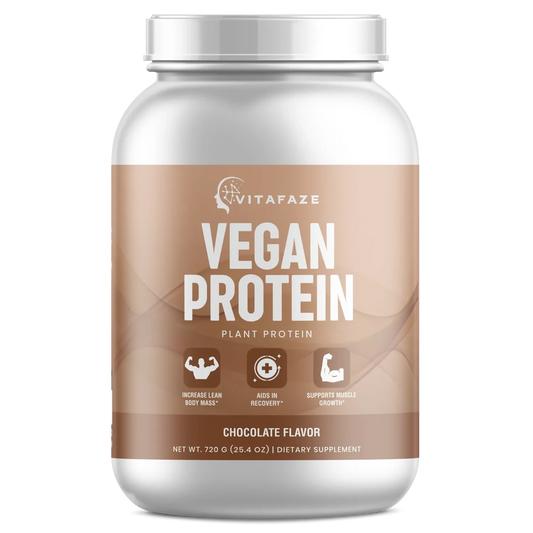
VitaFaze's Vegan Protein Chocolate Shake delivers 22 grams of complete plant-based protein per serving, formulated to address these amino acid gaps. The product selection prioritizes sources and ratios that support muscle protein synthesis more effectively than single-source plant proteins.

How to Increase Protein Absorption From Plants
Protein absorption from plants improves dramatically when you apply specific preparation and pairing strategies. These methods reduce anti-nutritive compounds and enhance amino acid availability without requiring specialized equipment or extensive preparation time.
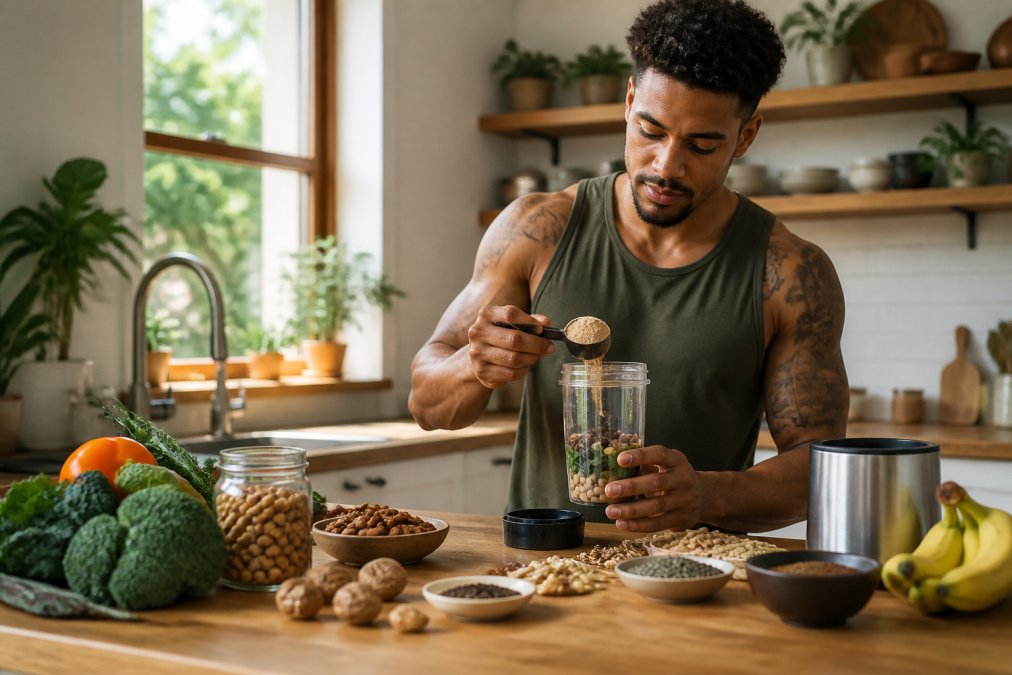
Soaking legumes for 8-12 hours before cooking reduces phytic acid content significantly (peer-reviewed research). This compound normally binds minerals and inhibits protease activity, limiting protein breakdown. Sprouting legumes takes this further, germinating seeds for 2-3 days reduces anti-nutritive compounds and increases enzyme activity that aids digestion.
Cooking methods matter substantially. Boiling legumes for 30-45 minutes breaks down protease inhibitors and makes protein more accessible. Pressure cooking accomplishes this faster, 15-20 minutes at high pressure achieves similar results. Fermentation, used in traditional food preparation, produces beneficial bacteria that further enhance digestibility.
Thermal processing, the heat used in protein powder manufacturing, also improves bioavailability. High-temperature drying and isolate production remove compounds that interfere with digestion. This is why isolated plant proteins absorb better than whole-food plant proteins, despite whole foods offering additional nutrients.
Food Pairing Strategies for Complete Amino Acid Profiles
Strategic food pairing creates complete amino acid profiles from complementary plant sources. The traditional combination of legumes and grains, beans and rice, lentils and wheat, chickpeas and pasta, provides all nine essential amino acids in balanced ratios.
Legumes contribute lysine but lack methionine. Grains provide methionine but lack lysine. Together, they create a nutritionally complete protein. This principle extends beyond traditional pairings. Nuts and seeds paired with legumes, or legumes paired with vegetables like spinach, creates similar complementary effects.
Timing matters less than once believed. Your body doesn't require all amino acids in a single meal. Consuming complementary proteins within a few hours, even across separate meals, allows your body to combine amino acids for muscle building. This flexibility simplifies meal planning for plant-based athletes.
Practical pairing examples include: chickpea curry with brown rice, lentil soup with whole-grain bread, hummus with whole-wheat pita, or black bean tacos with corn tortillas. Each combination delivers complete amino acid profiles with improved bioavailability compared to single-source meals.
Processing and Preparation Methods That Enhance Bioavailability
Processing methods directly influence how much protein your body can actually absorb. Isolate production removes carbohydrates and fats, concentrating protein and reducing compounds that inhibit digestion. Hydrolysate processing breaks protein chains into smaller peptides, requiring less digestive effort and enabling faster absorption.
Enzyme treatment during processing can further enhance bioavailability. Adding proteases to plant proteins during manufacturing breaks bonds that would normally require extensive stomach acid exposure. This accelerates digestion and increases the proportion of amino acids your intestines absorb.
Microfiltration and ultrafiltration technologies separate protein fractions by molecular size, removing compounds that reduce digestibility while preserving amino acids. These methods, common in premium bioavailable plant-based protein products, produce powders with DIAAS scores significantly higher than raw plant sources.
Fermentation during processing introduces beneficial bacteria that produce enzymes enhancing protein breakdown. Some manufacturers use traditional fermentation methods similar to those used in soy sauce or miso production, improving both digestibility and bioavailability.
The processing method directly explains why a premium bioavailable plant-based protein powder outperforms whole legumes despite containing less total fiber and micronutrients. The enhanced digestibility and amino acid availability create superior muscle-building stimulus for athletes prioritizing performance.
Muscle Protein Synthesis and Anabolic Response
Muscle protein synthesis is the biological process where your body constructs new muscle tissue from amino acids. This process requires adequate protein intake, sufficient essential amino acids, particularly leucine, and appropriate training stimulus.
Leucine acts as a metabolic trigger. When leucine concentration exceeds approximately 2.5 grams in a single meal, it activates mTOR signaling, initiating muscle protein synthesis. This threshold explains why consuming sufficient leucine per serving matters more than total daily protein volume.
Animal proteins reliably deliver 3-4 grams of leucine per 25-gram serving. Most plant proteins deliver 1.5-2.5 grams, falling below the optimal threshold. Bioavailable plant-based protein formulations address this by selecting high-leucine plant sources or adding leucine-rich ingredients, ensuring each serving reliably triggers muscle protein synthesis.
Your body's anabolic response, the muscle-building stimulus, depends on amino acid bioavailability, not just total protein consumption. A 20-gram serving of highly bioavailable plant protein can produce a stronger anabolic response than a 30-gram serving of poorly digestible plant protein.
Recovery timing after training influences protein use. Consuming bioavailable plant-based protein within 1-2 hours post-workout maximizes muscle protein synthesis during the elevated anabolic window. The rapid absorption enabled by enhanced bioavailability becomes particularly valuable during this window.
Best Plant-Based Protein Powders for Athletes
Selecting a plant-based protein powder requires evaluating amino acid profile, bioavailability metrics, taste, mixability, and ingredient transparency. Premium options designed specifically for athletes deliver superior results compared to generic plant proteins.
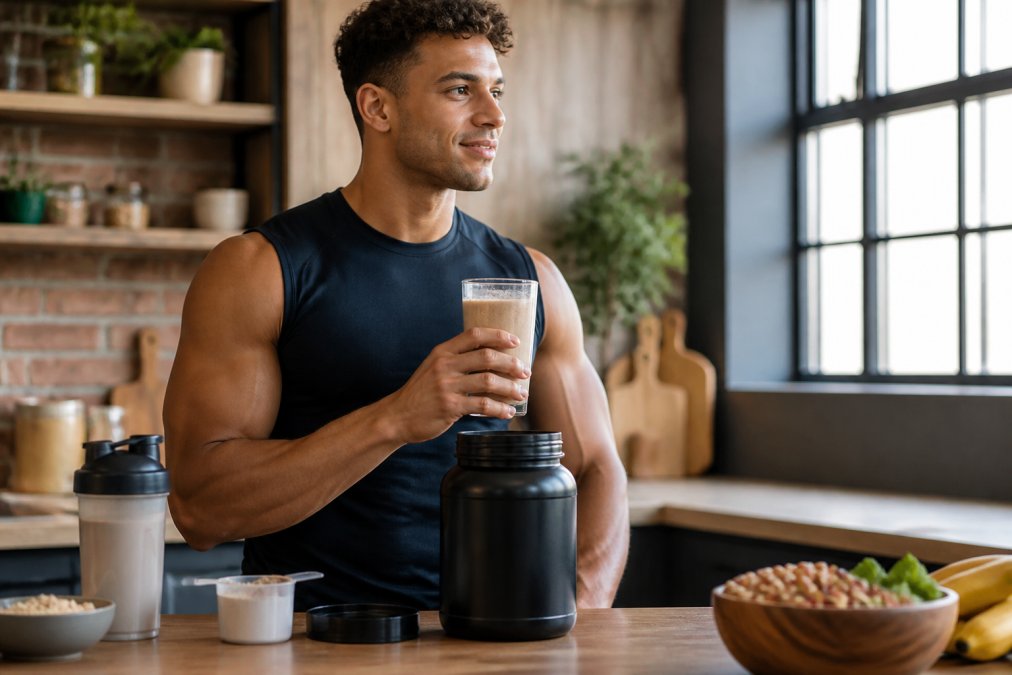
VitaFaze's Vegan Protein Chocolate Shake stands out for athletes prioritizing bioavailability and muscle recovery. The formula delivers 22 grams of complete plant-based protein per serving with optimized amino acid ratios supporting muscle protein synthesis. The chocolate flavor mixes smoothly, addressing a common complaint with plant-based powders that separate or leave gritty texture.
VitaFaze also offers the 2.9lb Essential Meal Replacement Protein in both Chocolate and Vanilla varieties, each providing 24 grams of protein per serving with zero added sugar. These options work as convenient post-workout nutrition or meal replacements on busy training days, delivering consistent amino acid availability without excess calories.

The distinction between VitaFaze products and commodity plant proteins lies in processing specificity and ingredient selection. Rather than using single plant sources, VitaFaze formulations blend complementary proteins to ensure complete amino acid profiles in every serving. This approach eliminates the need for strategic food pairing, each shake independently delivers all nine essential amino acids in bioavailable form.
Ingredient transparency matters significantly. Premium products list specific protein sources and processing methods rather than generic "plant-based protein blend." VitaFaze's approach to ingredient disclosure allows athletes to understand exactly what they're consuming and why the formulation supports their performance goals.
Cardiovascular and Metabolic Health Benefits
Plant-based proteins offer cardiovascular advantages beyond muscle building. Legumes, nuts, and seeds contain fiber, polyphenols, and other bioactive compounds that reduce cardiovascular disease risk. These compounds work synergistically with protein to support heart health.
Fiber in plant proteins helps manage blood cholesterol and blood sugar levels. A single serving of legume-based protein can provide 3-5 grams of fiber, supporting digestive health and metabolic stability. Animal proteins contain zero fiber, requiring separate vegetable consumption to achieve similar benefits.
Plant proteins typically contain lower saturated fat than animal proteins. This difference, sustained over years of dietary choices, contributes to lower cardiovascular disease risk in plant-based populations. The metabolic advantage extends to insulin sensitivity and glucose control, with plant-based diets showing superior outcomes in type 2 diabetes management.
Bioactive compounds in plant sources, including flavonoids, polyphenols, and phytosterols, provide anti-inflammatory effects that animal proteins cannot match. These compounds reduce systemic inflammation, supporting both cardiovascular health and recovery from intense training.
The metabolic health benefits of bioavailable plant-based protein extend beyond individual servings. Consistent consumption of plant-based proteins, particularly legume-based options, correlates with improved metabolic markers including lower triglycerides, better blood pressure control, and improved insulin sensitivity.
Bioavailable Plant-Based Protein for Specific Demographics
Different populations have distinct protein requirements and bioavailability considerations. Athletes, aging adults, endurance performers, and individuals with specific health conditions benefit from tailored approaches to plant-based protein consumption.
Plant-Based Protein for Aging Athletes
Aging athletes face unique challenges with protein use. Anabolic resistance, reduced muscle protein synthesis response to protein intake, increases with age. Older athletes require higher protein intake per meal and more bioavailable sources to maintain muscle mass.
Bioavailable plant-based protein becomes particularly valuable for aging athletes because it delivers amino acids efficiently despite reduced digestive capacity. The enhanced digestibility means less work for aging digestive systems while maintaining amino acid availability for muscle maintenance.
Leucine requirements increase with age. Aging athletes benefit from plant-based proteins specifically formulated with elevated leucine content, ensuring sufficient stimulus for muscle protein synthesis. VitaFaze's formulations address this consideration, providing leucine-adequate servings suitable for older athletes maintaining training intensity.
Micronutrient absorption also declines with age. Plant-based proteins that include complementary micronutrients, iron, B12, calcium, provide additional value for aging athletes managing multiple nutritional priorities. The combination of bioavailable protein with supportive micronutrients simplifies supplementation strategies.
Endurance Athletes and Stamina Support
Endurance athletes prioritize different outcomes than strength athletes, yet protein bioavailability remains critical. Endurance training depletes amino acid pools and creates muscle damage requiring protein-supported recovery.
Bioavailable plant-based protein supports endurance performance through multiple mechanisms. Rapid amino acid absorption enables faster recovery between training sessions. Complete amino acid profiles support mitochondrial function and aerobic capacity development. Reduced inflammation from plant-based sources aids recovery from high-volume aerobic training.
Carbohydrate-protein combinations support endurance performance more effectively than either macronutrient alone. Bioavailable plant-based proteins pair readily with carbohydrate sources, supporting glycogen repletion and amino acid delivery simultaneously. This combination maximizes recovery efficiency for distance runners, cyclists, and endurance sport athletes.
Stamina support extends beyond muscle recovery. Plant-based proteins containing bioactive compounds support mitochondrial health and oxygen use efficiency. These factors contribute to improved aerobic capacity and sustained performance during extended efforts.
Conclusion
Bioavailable plant-based protein represents a fundamental shift in how plant-based athletes approach muscle recovery and performance nutrition. The distinction between standard plant proteins and bioavailable formulations determines whether you're getting adequate amino acid delivery for your training investment.
VitaFaze's plant-powered nutrition products address the core challenge plant-based athletes face: ensuring sufficient bioavailable protein in every serving. With formulations like the Vegan Protein Chocolate Shake delivering 22 grams of complete plant-based protein and the Essential Meal Replacement Protein providing 24 grams per serving with zero added sugar, you gain the muscle recovery support and enhanced cellular energy your training demands. Start optimizing your plant-based protein strategy with VitaFaze and experience how bioavailability transforms your performance.
Frequently Asked Questions
Which plant protein source has the highest bioavailability?
Soy protein ranks among the highest bioavailable plant proteins, with a PDCAAS score near 1.0, approaching animal-based protein quality. Pea protein isolates also score well due to processing that removes anti-nutritive compounds. However, bioavailability improves significantly when plant proteins are combined, pairing legumes with grains creates a complete amino acid profile that your body absorbs more efficiently than either source alone.
How does the PDCAAS score of plant proteins compare to animal sources?
PDCAAS (Protein Digestibility-Corrected Amino Acid Score) measures how well your body uses protein. Most plant proteins score 0.7-0.9, while animal proteins typically score 1.0. However, DIAAS (Digestible Indispensable Amino Acid Score), a newer metric, provides a more accurate picture by measuring amino acid absorption in the small intestine. High-quality plant-based protein powders formulated with isolated or concentrated proteins can achieve scores comparable to animal sources.
Can I get enough essential amino acids on a plant-based diet?
Yes, but it requires intentional food pairing or supplementation. Plant sources rarely contain all nine essential amino acids in optimal ratios. Combining legumes (beans, lentils) with grains (rice, quinoa) creates a complete profile. Bioavailable plant-based protein supplements like VitaFaze formulations are designed to deliver all essential amino acids in one serving, making them practical for athletes who need consistent amino acid intake for muscle protein synthesis and recovery.
How do I know if a plant-based protein powder actually has better bioavailability?
Look for products that specify their PDCAAS or DIAAS score and disclose processing methods that enhance absorption, such as protein isolates or concentrates rather than whole-food powders. Check ingredient lists for fermentation or sprouting processes that reduce anti-nutrients like phytic acid. Third-party testing certifications and transparent sourcing information indicate a brand's commitment to bioavailability. VitaFaze products are formulated with clean, bioavailable ingredients specifically designed for optimal absorption and muscle recovery.
This article was written using GrandRanker