



Best Plant-Based Protein for Runners
Table of Contents
- Why Plant-Based Protein Matters for Runners
- Complete Protein Sources for Vegans
- Plant-Based Protein Powders vs. Whole Foods
- Protein Timing for Marathon Runners
- How to Increase Endurance Naturally
- Amino Acid Profiles and Muscle Recovery
- Top Plant-Based Protein Options for Runners
- Digestibility and Gastrointestinal Comfort
- Cost-Per-Gram Analysis
- Conclusion
Last Updated: August 28, 2026
Why Plant-Based Protein Matters for Runners
The best plant based protein for runners isn't just about hitting a daily macronutrient target. It's about fueling muscle protein synthesis, accelerating recovery between training blocks, and maintaining endurance without the gastrointestinal distress that catches many plant-based athletes off guard.
At VitaFaze, we've analyzed what separates runners who recover well from those who struggle with delayed soreness and energy crashes. The difference often comes down to how they approach plant-based nutrition. Runners pushing 40+ miles per week face unique demands: their muscles break down faster, their amino acid requirements shift with training intensity, and whole foods alone frequently fall short during peak training phases.
Plant-based protein sources deliver complete amino acid profiles when selected strategically. Unlike the old assumption that plant proteins are "incomplete," modern understanding shows that combining legumes with grains, or using isolated plant proteins formulated with optimal amino acid ratios, provides everything your body needs for muscle repair and cellular energy production.
The real challenge isn't finding protein sources. It's finding ones that digest cleanly, don't trigger bloating during long runs, and deliver the leucine and branched-chain amino acids that trigger muscle protein synthesis. This is where the best plant based protein for runners diverges sharply from generic plant-based nutrition advice.
Complete Protein Sources for Vegans
A complete protein contains all nine essential amino acids in adequate amounts (the NIH). For plant-based runners, this matters because your body cannot synthesize what it doesn't receive. Incomplete proteins force your body to work harder to assemble the amino acids needed for muscle repair.
Soy-based products, tofu, tempeh, and edamame, deliver complete protein naturally. Tempeh in particular offers superior digestibility and a firmer texture that works well in pre-run meals without sitting heavy in your stomach. Hemp seeds and pea protein isolates round out the complete plant-derived options, though pea protein concentrates are more bioavailable than whole peas alone.
The limiting amino acid concept matters here. When a protein source lacks sufficient amounts of one essential amino acid, that shortage becomes the bottleneck for muscle protein synthesis. Pea protein is relatively low in methionine; legumes are low in methionine and tryptophan. This is why combining protein sources, a practice called protein complementarity, has returned to favor among sports nutritionists working with plant-based athletes.
Buckwheat, quinoa, and nutritional yeast offer additional complete or near-complete options, though their protein density is lower than legumes or soy. For runners managing training volume, relying solely on these lower-density sources often means eating excessive volume to hit protein targets, a practical problem during heavy training blocks.
Plant-Based Protein Powders vs. Whole Foods
This choice splits many runners into camps that rarely talk to each other. The reality is simpler: use each where it solves a real problem.
When to Use Powders
Protein powders excel when timing matters. A 22-gram serving mixed with water or plant milk takes three minutes to prepare and digests within 30-60 minutes. Post-run, during a narrow recovery window, whole foods move too slowly. A runner finishing a 12-mile run at 7 p.m. with dinner planned for 7:45 p.m. needs something faster.
Powders also solve the volume problem. Eating 35 grams of protein from lentils requires roughly two cups of cooked lentils, a significant meal. The same protein from powder is one scoop. For athletes managing training load, this difference between practical and theoretical becomes meaningful.
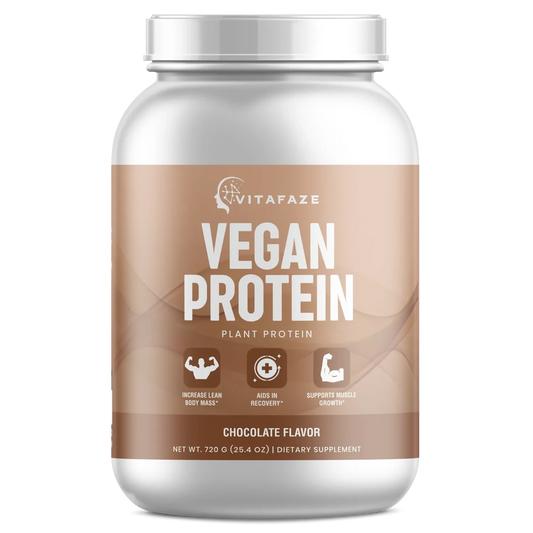
VitaFaze's Vegan Protein Chocolate Shake delivers 22 grams of complete plant-based protein per serving, combining organic pea protein and organic brown rice protein to ensure a balanced amino acid profile. The formulation includes 4 grams of dietary fiber and just 3 grams of sugar, addressing the gastrointestinal comfort concern that derails many runners experimenting with plant-based supplements.

Powders also standardize nutrient delivery. A scoop of protein powder contains a consistent amino acid ratio every time. Whole foods vary: lentils grown in different soils have different micronutrient density; tofu's protein content depends on how it was pressed. For athletes tracking intake carefully, this consistency matters.
When Whole Foods Win
Whole foods deliver micronutrients, iron, zinc, B vitamins, that isolated powders must fortify separately. A bowl of lentils provides not just protein but also polyphenols, fiber that supports gut health, and minerals that powders require additional supplementation to match.
Whole foods also cost less per gram of protein for most plant-based athletes. A pound of dried lentils costs roughly $1.50 and provides 90 grams of protein; a kilogram of quality plant-based powder runs $20-35 and provides 500-600 grams of protein, making the per-gram cost similar but the upfront expense steeper.
Satiety differs significantly. Whole foods trigger fullness signals that powders don't replicate. A runner eating 35 grams of protein from tempeh feels satisfied; the same protein from powder leaves hunger intact 30 minutes later. For athletes managing appetite and energy balance, whole foods provide better feedback.
The practical approach: use powders for the 1-2 recovery servings daily where timing and convenience matter most. Use whole foods for breakfast, lunch, and dinner, where micronutrient density and satiety support both performance and overall health.
Protein Timing for Marathon Runners
Marathon training rewrites the protein timing rulebook. The conventional "anabolic window" myth, the idea that you must consume protein within 30 minutes post-workout, has been thoroughly debunked (peer-reviewed research). But marathon runners still face a legitimate timing challenge: their training blocks span weeks where cumulative muscle breakdown exceeds what single-meal protein intake can address.
For runners in heavy endurance blocks (16-20 miles weekly), distributing protein across 4-5 meals throughout the day matters more than hitting a single post-run window. Consuming 20-25 grams of protein every 3-4 hours keeps muscle protein synthesis elevated and limits the muscle breakdown that occurs during extended training phases.
The actual timing that matters: consume protein within 2 hours post-run, when your muscles are primed to absorb amino acids. But this isn't urgent. A runner finishing a 10-mile run at 6 p.m. can wait until 7 p.m. dinner and still trigger effective protein synthesis. What matters more is total daily intake and consistency across training blocks.
Leucine content becomes relevant during heavy training blocks. Leucine is the branched-chain amino acid that most directly triggers muscle protein synthesis. Plant-based proteins vary in leucine content: soy and pea protein isolates deliver 8-10% leucine by weight; whole legumes deliver 6-7%. For runners in heavy blocks, choosing higher-leucine sources (soy, pea isolate, hemp) supports faster recovery than lower-leucine alternatives.
How to Increase Endurance Naturally
Endurance capacity improves through consistent training stimulus, adequate recovery, and nutritional support that sustains that recovery. Plant-based athletes often struggle with endurance gains because their protein intake, while adequate on paper, delivers suboptimal amino acid timing and bioavailability.
The foundation: ensure your plant-based protein for runners strategy includes at least one high-bioavailability source daily. Soy-based products and pea protein isolates absorb more completely than whole legumes, meaning your body actually utilizes more of the protein you consume.
Second, address the micronutrient gaps that plant-based diets frequently create. Iron absorption from plant sources is lower than from animal sources, even when total iron intake appears adequate. Zinc, B12, and omega-3 fatty acids require either supplementation or careful food selection. VitaFaze's Essential Meal Replacement Protein Chocolate Milkshake addresses this through seven diverse protein sources and included digestive enzymes that enhance nutrient absorption, a practical solution for runners managing complex nutritional demands.

Recovery capacity determines endurance gains as much as training stimulus does. A runner completing consistent workouts but recovering poorly will plateau. Plant-based protein sources that digest cleanly, without triggering bloating or gastrointestinal distress, support better recovery quality because your body isn't fighting digestive inflammation while trying to repair muscle tissue.
Electrolyte balance matters for endurance athletes. Long runs deplete sodium and potassium; plant-based diets often run lower in sodium naturally. VitaFaze's ION Select Electrolyte Formula, formulated with pink Himalayan salt and coconut water powder, addresses this gap without the artificial additives common in conventional sports drinks.
Amino Acid Profiles and Muscle Recovery
Muscle protein synthesis, the process of building new muscle tissue, depends on having all nine essential amino acids available simultaneously. This is why amino acid profile matters more than total protein grams alone.
The essential amino acids are: histidine, isoleucine, leucine, lysine, methionine, phenylalanine, threonine, tryptophan, and valine. Your body cannot synthesize any of these; you must consume them. A protein source missing even one creates a bottleneck: your body cannot complete muscle protein synthesis without it.
Leucine plays a special role. It acts as a trigger for muscle protein synthesis; adequate leucine signals your body to begin the repair process. Plant-based sources vary in leucine content, which is why soy and pea isolates outperform whole legumes for endurance athletes seeking faster recovery.
The branched-chain amino acids, leucine, isoleucine, and valine, support muscle function during extended endurance efforts. BCAA Shock Powder from VitaFaze delivers these three amino acids plus L-glutamine, which supports muscle recovery and immune function during heavy training blocks. For runners in peak training phases, this targeted supplementation bridges the gap between whole-food protein and the specific amino acid demands of endurance training.
Digestibility directly impacts amino acid bioavailability. A protein source with an excellent amino acid profile but poor digestibility delivers less usable protein than a less-ideal source that digests completely. Pea protein isolate and soy products both offer superior digestibility compared to whole legumes, which is why they've become standard in sports nutrition for plant-based athletes.
Top Plant-Based Protein Options for Runners
VitaFaze Vegan Protein Chocolate Shake
VitaFaze's best plant based protein for runners offering combines organic pea protein and organic brown rice protein in a 22-gram serving, delivering a complete amino acid profile in every scoop. The inclusion of 4 grams of dietary fiber and organic acacia gum supports digestive health, a critical advantage for runners managing training volume without gastrointestinal distress.
The formulation contains 155 mg of calcium per serving, addressing a micronutrient gap common in plant-based diets. Sweetened with organic erythritol and organic stevia, it delivers just 140 calories and 3 grams of sugar per serving, making it suitable for post-run recovery without spiking blood sugar.
What distinguishes this product: the combination of pea and rice protein creates a complete amino acid profile that neither delivers alone. This complementarity approach, using food science rather than single-source isolation, appeals to runners skeptical of heavily processed supplements. At $32.97 per 1.5-pound container, it costs approximately $1.50 per serving, competitive with whole-food protein sources when you factor in preparation time.

VitaFaze Essential Meal Replacement Protein
For runners managing busy schedules, VitaFaze's Essential Meal Replacement Protein Chocolate Milkshake delivers 24 grams of protein per serving from seven diverse plant-based sources. The inclusion of 5 grams of dietary fiber and digestive enzymes addresses the absorption concern that separates theoretical protein intake from actual bioavailable protein your body uses.
Zero added sugar and a time-release formulation mean sustained energy throughout the day, valuable for runners fueling between training sessions. At $33.32 per 2.9-pound container, this product costs approximately $1.15 per serving, making it the most cost-effective option for runners using protein supplements daily.
The seven-source approach ensures micronutrient diversity that single-source powders cannot match. This matters for plant-based athletes where every calorie carries nutritional density expectations that omnivorous athletes can meet more easily.
Supporting Supplements for Endurance
Beyond protein, plant-based runners benefit from targeted supplementation addressing gaps that whole foods alone struggle to fill during heavy training blocks.
VitaFaze's Glutamine Powder (300g, $37.10) supports muscle recovery and immune function, both critical during marathon training blocks when training stimulus suppresses immunity temporarily. Glutamine becomes conditionally essential during intense endurance training, meaning your body requires more than it can synthesize.

BCAA Shock Powder (Watermelon or Fruit Punch, $31.98 each) delivers branched-chain amino acids plus L-glutamine and B6, supporting muscle preservation during extended training efforts. For runners doing back-to-back training days, this supplementation prevents the muscle breakdown that accumulates across training blocks.
Creatine Powder ($38.50) supports cognitive function and muscle energy production, both relevant for endurance athletes, though less critical than for strength athletes. Plant-based diets naturally contain zero creatine; supplementation ensures your muscles have adequate creatine phosphate for ATP regeneration during hard efforts.
VitaFaze's Organic Beetroot ($22.97) and ION Select Electrolyte Formula ($35.98) address performance and hydration, supporting the cardiovascular and electrolyte demands of marathon training. Beetroot increases nitric oxide production, improving blood flow; electrolytes maintain hydration balance during long runs.
Digestibility and Gastrointestinal Comfort
This is where many plant-based protein strategies fail in practice. A runner with an excellent amino acid profile but chronic bloating will abandon the approach within weeks.
Legumes, while nutritious, contain oligosaccharides, compounds that your small intestine cannot absorb, passing instead to your colon where bacteria ferment them, producing gas. This is why beans cause bloating. Soy products contain lower oligosaccharide levels; tempeh's fermentation process reduces them further. Pea protein isolates remove them almost entirely during processing.
Digestive enzymes matter more than marketing suggests. Your body produces amylase, protease, and lipase naturally, but plant-based diets high in fiber can overwhelm this capacity. Supplemental digestive enzymes aren't necessary for healthy individuals eating whole foods, but they become valuable for athletes consuming concentrated protein sources during heavy training blocks when digestive capacity is already taxed.
Fiber content creates a paradox. Dietary fiber supports gut health and satiety, but excessive fiber during or immediately before training causes bloating and cramping. This is why VitaFaze's protein powders include moderate fiber (4-5 grams per serving) rather than the 8-12 grams found in some plant-based alternatives, enough to support digestive health without causing training-day distress.
Individual tolerance varies significantly. A runner tolerating lentils without issue might struggle with certain legume-based protein powders. The practical approach: test new protein sources during easy training days, not during peak workouts. Your digestive system needs time to adapt to new foods.
Cost-Per-Gram Analysis
Plant-based protein costs vary dramatically by source, making the choice between whole foods and supplements more complex than simple nutrition math.
Dried lentils deliver approximately 90 grams of protein per pound at roughly $1.50 per pound, about 1.7 cents per gram of protein. But this assumes you value your time at zero. Soaking, cooking, and preparing lentils requires 90 minutes; the actual cost per gram of prepared, ready-to-eat protein is substantially higher when you factor in fuel, water, and labor.
Tofu delivers roughly 40 grams of protein per pound at $2.50-4.00 per pound, depending on quality and source, 5-10 cents per gram. Tempeh runs higher, at 8-12 cents per gram, but offers superior digestibility and texture for pre-run meals.
VitaFaze's Vegan Protein Chocolate Shake costs $1.50 per serving (22 grams protein), approximately 6.8 cents per gram. The Essential Meal Replacement costs $1.15 per serving (24 grams protein), approximately 4.8 cents per gram. These prices are competitive with prepared whole-food options when you factor in preparation time, and substantially cheaper than premium plant-based protein brands.
The cost-effectiveness question becomes: what's your time worth? A runner spending 90 minutes weekly preparing legumes saves money but loses time. A runner mixing protein powder in 90 seconds spends more per gram but gains flexibility during heavy training blocks.
For most plant-based runners, the optimal approach blends both: use whole foods for 60-70% of daily protein intake (breakfast, lunch, dinner) where micronutrient density and satiety matter most. Use supplements for the remaining 30-40%, where convenience and bioavailability support training recovery more than whole foods can achieve.
| Protein Source | Cost Per Gram | Preparation Time | Bioavailability | Best Use |
|---|---|---|---|---|
| Dried Lentils | 1.7¢ | 90 minutes | Moderate | Budget meals |
| Tempeh | 10¢ | 15 minutes | High | Pre-run meals |
| Tofu | 6¢ | 5 minutes | High | Flexible meals |
| VitaFaze Vegan Protein | 6.8¢ | 2 minutes | Very High | Post-run recovery |
| VitaFaze Meal Replacement | 4.8¢ | 2 minutes | Very High | Convenient meals |
The best plant based protein for runners combines whole foods where micronutrient density and satiety matter most with strategically timed supplements where bioavailability and convenience determine training quality. VitaFaze's formulations address the specific demands that plant-based endurance athletes face: complete amino acid profiles, clean digestion, and bioavailable protein during recovery windows. Start with whole-food sources as your foundation, then add targeted supplementation, like VitaFaze's Vegan Protein Chocolate Shake or Essential Meal Replacement, where training volume exceeds what whole foods alone can support. Your recovery quality, not your ideology, determines your endurance gains.
Shop All Products at VitaFaze and fuel your peak performance with plant-powered nutrition designed specifically for athletes committed to plant-based values without compromising strength, recovery, or endurance.
Frequently Asked Questions
What is the best plant-based protein supplement for runners?
The best plant-based protein supplement for runners combines complete amino acid profiles with digestibility and endurance support. VitaFaze Vegan Protein Chocolate Shake delivers 22 grams of complete plant-based protein from organic pea and brown rice protein, supporting muscle protein synthesis and recovery. For runners needing higher protein intake, VitaFaze Essential Meal Replacement Protein provides 24 grams per serving with added fiber and digestive enzymes for better absorption during training blocks.
How much protein do endurance runners actually need?
Endurance runners typically need 1.2 to 1.6 grams of protein per kilogram of body weight daily, compared to 0.8 grams for sedentary adults. For a 150-pound runner, this translates to roughly 80-110 grams daily, distributed across meals and post-run recovery windows. Protein timing matters: consuming 20-30 grams within two hours after long runs optimizes muscle protein synthesis and reduces recovery time.
Do plant-based proteins provide complete amino acid profiles?
Most individual plant proteins are incomplete, lacking one or more essential amino acids. However, combining sources creates complete profiles: legumes with grains, soy with any protein, or hemp with seeds. VitaFaze Vegan Protein uses pea and brown rice protein together, ensuring all nine essential amino acids including leucine, which directly triggers muscle protein synthesis. This combination is particularly effective for runners needing bioavailable amino acids post-run.
When is the best time for runners to consume protein?
Post-run protein consumption within 1-2 hours after training is most effective for muscle repair and recovery. For runs under 60 minutes, whole-food sources work well. For longer efforts or intense training blocks, fast-absorbing protein powders accelerate amino acid delivery to muscles when they're primed for protein synthesis. Spacing protein throughout the day, roughly 25-30 grams per meal, maintains consistent muscle-building stimulus for endurance athletes.
Are plant-based proteins as effective as whey for runners?
Plant-based proteins support muscle recovery and endurance when they contain complete amino acid profiles and sufficient leucine. Plant-based options with optimized amino acid ratios can perform comparably to whey for runners, though absorption rates vary. Pea protein bioavailability is particularly strong for endurance athletes, and combining sources enhances effectiveness. The key difference is consistency: runners must ensure adequate total daily protein intake and proper timing around training.
This article was written using GrandRanker