
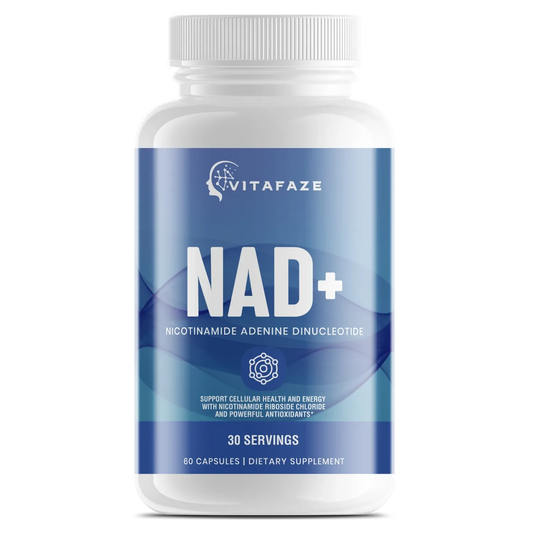



Clean Plant Based Supplements Without Fillers
Table of Contents
- What Makes Plant-Based Supplements Clean
- Essential Nutrients for a Plant-Based Diet
- How to Read Supplement Labels for Fillers
- Third-Party Tested Vegan Supplements
- Best Tasting Plant Protein Powder Reviews
- Top Recommended Supplements for Vegans
- Why Vegan Supplements Need to Be Clean
- Conclusion
Last Updated: August 27, 2026
What Makes Plant-Based Supplements Clean
Clean plant-based supplements without fillers represent a fundamental shift in how athletes approach nutrition. At VitaFaze, we define clean supplements as products formulated with whole-food sourced ingredients, free from synthetic additives, unnecessary binders, and artificial fillers that compromise bioavailability and nutrient absorption.
Many products contain microcrystalline cellulose, magnesium stearate, and silicon dioxide, flow agents added for production efficiency, not health. These fillers reduce the percentage of active nutrients per serving and can interfere with digestive enzymes, making it harder for your body to extract actual nutrition.
What separates truly clean formulations is ingredient transparency and third-party testing. Third-party tested vegan supplements undergo independent verification for purity standards, heavy metal testing, and potency validation, ensuring label claims match what's actually in the bottle. The supplement industry isn't heavily regulated by the FDA for content verification, making third-party testing the industry standard for credibility.
Clean plant-based supplements also prioritize bioavailability, the percentage of nutrients your body can actually absorb and use. Algae-derived omega-3s, for example, provide long-chain EPA and DHA in forms your body recognizes immediately, unlike synthetic alternatives requiring conversion steps your system may not complete efficiently.
Supplements produced in FDA-registered facilities following GMP (Good Manufacturing Practice) standards undergo rigorous quality control. Certified organic ingredients eliminate concerns about synthetic pesticides and genetically modified organisms.
Essential Nutrients for a Plant-Based Diet
Plant-based diets can provide complete nutrition, but certain micronutrient deficiencies emerge without strategic supplementation. The three most critical gaps for plant-based athletes are B12, long-chain omega-3s, and vitamin D3.
Vitamin B12 Supplementation
Vitamin B12 doesn't come from plants; it's produced by bacteria in soil and water. Modern farming has removed most natural B12 sources from vegetables, making supplementation non-negotiable for plant-based individuals. Your body requires B12 for red blood cell formation, neurological function, and DNA synthesis. Deficiency leads to fatigue, cognitive fog, and irreversible nerve damage if untreated.
The dietary reference intake for adults is 2.4 micrograms daily, though athletes often benefit from higher doses due to increased metabolic demands (the NIH). Plant-based B12 supplements come in three forms: cyanocobalamin (synthetic but stable), methylcobalamin (naturally occurring), and hydroxocobalamin (intermediate). Cyanocobalamin is the most researched and stable form, making it the most reliable choice.
Absorption matters more than form itself. B12 requires intrinsic factor in your stomach for efficient absorption. If you have digestive issues, sublingual tablets or injections bypass this requirement. Many plant-based athletes report improved recovery and mental clarity within 3-4 weeks of consistent B12 supplementation.
VitaFaze formulations include B12 in bioavailable forms designed for plant-based absorption patterns. The standard recommendation is 25-100 micrograms daily from supplements, or 2,000 micrograms once weekly.
Omega-3 Fatty Acids and Algae-Derived Sources
Long-chain omega-3 fatty acids (EPA and DHA) are essential for cardiovascular health, cognitive function, and reducing exercise-induced inflammation. While flaxseeds and chia seeds contain ALA omega-3s, your body converts only 5-10% of ALA into EPA and DHA, an inefficient process that worsens under stress and intense training (peer-reviewed research).
Algae-derived omega-3 supplements bypass this conversion problem entirely. Certain algae species naturally produce EPA and DHA, allowing you to consume these long-chain omega-3s directly. This is where plant-based omega-3 supplementation has a genuine advantage over plant foods alone.
The recommended intake for athletes is 1,000-2,000 mg combined EPA and DHA daily, particularly during heavy training when inflammation markers spike. Studies show algae-derived sources have bioavailability comparable to fish oil, with the added benefit of avoiding ocean contaminants like heavy metals.
Look for supplements labeled as sustainably sourced. Most quality algae comes from controlled cultivation rather than wild harvesting, ensuring consistent potency and purity. Third-party tested vegan supplements will specify EPA and DHA content per serving.
Vitamin D3 and K2 Benefits
Vitamin D3 regulates calcium absorption, supports immune function, and influences muscle protein synthesis, three factors directly tied to recovery performance. Plant-based sources of D3 are virtually nonexistent; mushrooms provide D2, which is less bioavailable than D3 and requires higher doses.
The dietary reference intake is 600-800 IU daily for most adults, but athletes often need 2,000-4,000 IU daily to maintain optimal performance levels. D3 deficiency correlates with increased injury risk, prolonged recovery times, and compromised immune function during high-volume training blocks.
Vitamin K2 works synergistically with D3 by directing calcium to bones and away from soft tissues. This partnership becomes critical for plant-based athletes concerned about bone density and cardiovascular calcification risk. K2 comes from fermented foods like sauerkraut and tempeh, but supplementing ensures consistent intake.
VitaFaze combines D3 and K2 in formulations designed for athletic recovery, recognizing that these nutrients function as a system rather than isolated compounds.
How to Read Supplement Labels for Fillers
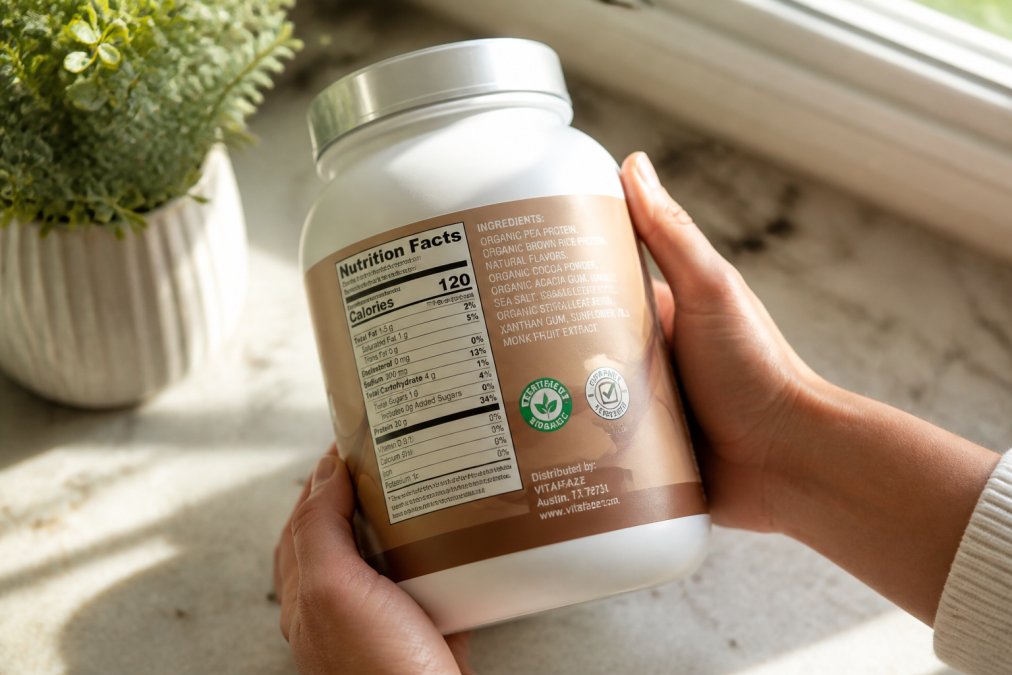
Reading supplement labels requires knowing what to look for and what to avoid. The ingredient list tells the real story, not marketing claims on the front of the bottle.
Understanding Fillers and Synthetic Additives
Fillers serve no nutritional purpose; they're manufacturing conveniences that reduce production costs. Microcrystalline cellulose appears in 60% of plant-based supplements as a flow agent, preventing powders from clumping during packaging but adding bulk without nutrition. Magnesium stearate lubricates machinery during tablet production. Silicon dioxide prevents moisture absorption.
These aren't toxic, but they displace actual nutrients. A 500mg capsule containing 100mg of filler means you're only getting 400mg of active ingredient. Over a year of daily supplementation, that's wasted money and reduced effectiveness.
Synthetic additives include artificial sweeteners like sucralose and acesulfame potassium. Natural sweeteners like stevia and erythritol carry no metabolic burden and don't trigger insulin response, making them the standard in clean formulations.
Flow agents and anti-caking agents should comprise less than 1-2% of total formula weight in quality supplements. If fillers appear in the first five ingredients on the label, the product prioritizes manufacturing efficiency over nutritional density.
Recognizing Hidden Additives and Allergens
Allergen-free formulations matter for sensitive-stomach individuals, yet many supplements hide common allergens in "proprietary blends." This practice obscures potential triggers.
Look for clear labeling of the "Big Eight" allergens: peanuts, tree nuts, milk, eggs, fish, shellfish, soy, and wheat. Beyond these, many plant-based athletes react to corn, rice, and pea proteins. If you have sensitivities, choose supplements with transparent single-source proteins rather than blended formulas.
Certified organic labeling provides assurance against synthetic pesticide residues. Non-GMO certification confirms ingredients weren't genetically modified. These certifications require third-party verification, adding credibility to label claims.
The "other ingredients" section reveals fillers, binders, and flow agents. Quality supplements keep this section minimal, ideally under five items. If this section is longer than the active ingredients list, the product is filler-heavy.
Heavy metal testing results should be available upon request from reputable manufacturers. Lead, cadmium, and arsenic accumulate in certain plant materials. Third-party tested vegan supplements undergo independent verification for these contaminants.
Check expiration dates and manufacturing dates. Supplements degrade over time, particularly powders exposed to moisture and light. A manufacturing date within the last 12 months indicates fresher product with higher potency.
Third-Party Tested Vegan Supplements
Third-party testing represents the gold standard for supplement verification. Independent laboratories test finished products against label claims, verifying that supplements contain stated ingredients in claimed amounts and are free from contaminants.
The most recognized testing organizations include NSF Certified for Sport, Informed Choice, and USP (U.S. Pharmacopeia). These certifications require ongoing testing and manufacturing audits, ensuring consistency across batches. Products bearing these seals have undergone rigorous verification repeatedly throughout their shelf life.
The supplement industry operates with less FDA oversight than pharmaceuticals. Manufacturers self-regulate to a large degree, meaning a supplement could contain 50% of the labeled amount and technically be legal. Third-party testing closes this gap by providing independent verification that protects consumers.
When evaluating clean plant-based supplements without fillers, prioritize those with visible third-party certifications. These typically appear as logos on the label or are documented on the manufacturer's website with test results available. VitaFaze supplements undergo third-party testing to verify potency, purity, and absence of heavy metals.
The testing process includes microbial analysis (bacteria, mold, yeast), heavy metal screening, and potency verification through HPLC (High Performance Liquid Chromatography) analysis. This comprehensive approach identifies contaminants that might not cause immediate illness but accumulate over months of daily supplementation.
Best Tasting Plant Protein Powder Reviews
Taste determines whether you'll actually use a supplement consistently. The best plant-based protein powder combines clean ingredients with genuine flavor, not artificial sweetness that leaves an aftertaste.
Plant protein powders typically combine pea, brown rice, and hemp proteins to create a complete amino acid profile. Pea protein dominates due to high leucine content (critical for muscle protein synthesis) and neutral flavor. Brown rice protein adds earthy notes and supports digestive enzymes. Hemp provides omega-3s and a slightly nutty taste.
Chocolate-flavored plant protein powders perform best in taste testing because cocoa powder masks the inherent plant protein flavor. Vanilla ranks second, as vanilla extract effectively covers vegetal notes. Unflavored versions appeal to athletes who mix protein into smoothies with fruit.
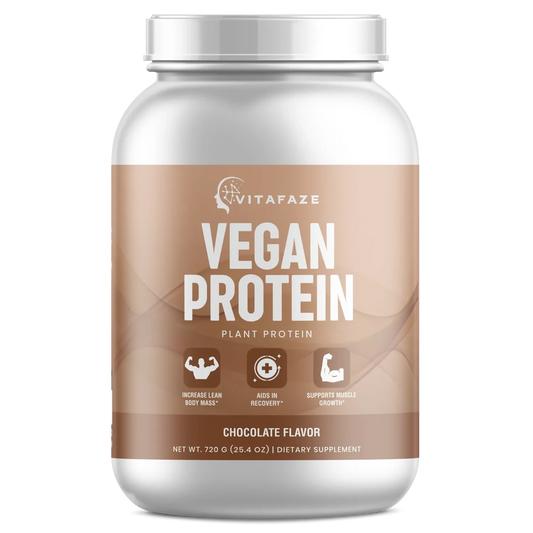
The VitaFaze Vegan Protein Chocolate Shake delivers 22 grams of complete plant-based protein per serving using organic pea and brown rice proteins combined with organic cocoa powder. The formula includes 4 grams of dietary fiber and organic acacia gum for digestive support, while natural sweetening from organic erythritol and stevia keeps sugar to just 3 grams per serving. At 140 calories per scoop, it provides substantial protein density without caloric bloat, ideal for post-workout recovery.

Mixing quality matters significantly. Powders that clump require vigorous blending, reducing convenience. Superior formulations include lecithin or gum additives that improve mixability without adding filler bulk. The VitaFaze formulation mixes smoothly in both shaker bottles and standard glasses, dissolving completely within 30 seconds of stirring.
Top Recommended Supplements for Vegans
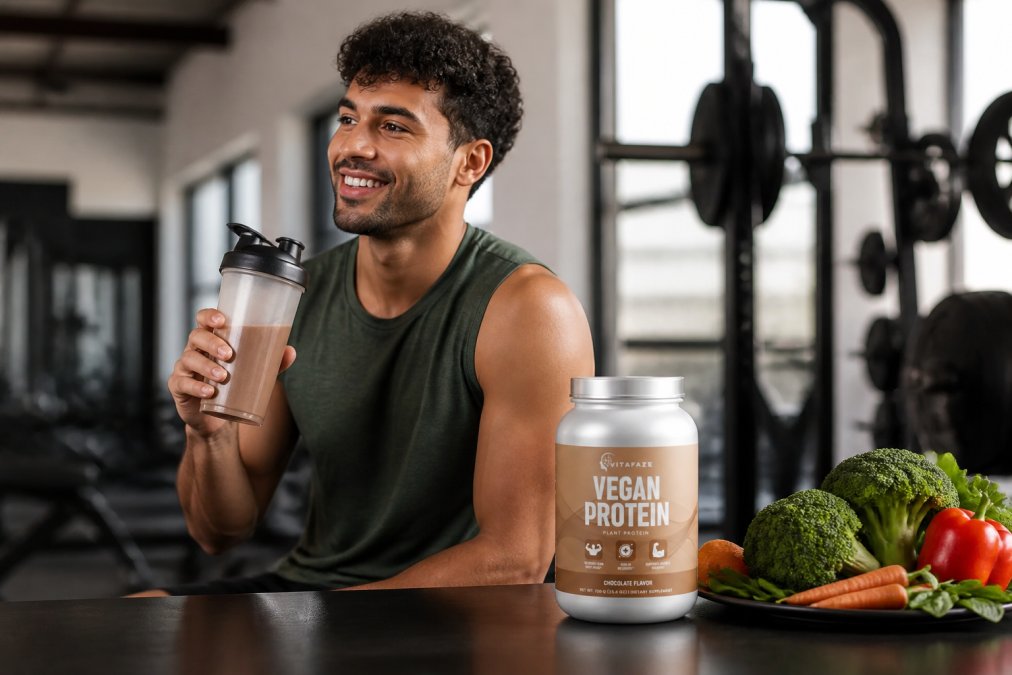
Plant-based athletes require targeted supplementation across three categories: protein for muscle recovery, micronutrients for performance support, and performance enhancers for endurance and strength.
Plant-Based Protein Powders for Recovery
Protein powder serves as the foundation for muscle recovery in plant-based diets. Your body requires 1.6-2.2 grams of protein per kilogram of body weight daily during heavy training phases, an amount difficult to achieve through whole foods alone without excessive caloric intake.
The VitaFaze Vegan Protein Chocolate Shake provides the complete amino acid profile necessary for muscle protein synthesis. Each 22-gram serving contains all nine essential amino acids in optimal ratios, with particularly high leucine content. The combination of organic pea and brown rice proteins creates a synergistic effect, pea provides high branched-chain amino acids while brown rice supplies methionine, balancing the amino acid profile.
Post-workout consumption within 30-60 minutes of training maximizes muscle protein synthesis stimulation. A single serving mixed with water or plant-based milk provides rapid absorption, supporting recovery while keeping digestive burden minimal.
Quality plant-based protein powders should contain minimal additives beyond the protein sources themselves. The VitaFaze formulation includes organic acacia gum for texture and digestive enzymes for nutrient absorption, avoiding unnecessary fillers while supporting gut health.
Superfood Blends and Immune Support
Beyond protein, plant-based athletes benefit from concentrated micronutrient supplementation through superfood blends. These formulations combine nutrient-dense whole foods in powdered form, providing vitamins, minerals, antioxidants, and phytonutrients in single servings.
The VitaFaze All-In-One Greens and Reds Superfood combines 2,500 mg of greens superfoods with 425 mg of reds superfoods, plus prebiotic fiber and digestive enzymes. The greens component supports detoxification and nutrient density, while reds provide antioxidants that combat exercise-induced oxidative stress.

Prebiotic fiber (4 grams per serving) supports beneficial gut bacteria, which directly influences immune function and nutrient absorption. Approximately 70% of your immune system resides in your gut microbiome. The mixed berry flavor makes consistent consumption feasible, ensuring you'll actually use it daily rather than abandoning the bottle after two weeks.
Performance-Enhancing Supplements
Endurance athletes require specific supplementation beyond protein and general micronutrients. Beetroot supplementation enhances nitric oxide production, improving blood flow and oxygen delivery to working muscles. The VitaFaze Organic Beetroot provides concentrated beetroot powder in capsule form, delivering consistent dosing without the high sugar content of whole beetroot juice.
Nitric oxide dilates blood vessels, increasing oxygen-carrying capacity during aerobic exercise. Studies show performance improvements particularly in activities lasting 5-30 minutes. Taking beetroot supplementation 60-90 minutes before training maximizes the performance window.
Vitamin C supplementation supports collagen synthesis and immune function while acting as an antioxidant. The VitaFaze Plant-Source Vitamin C uses organic amla (Indian gooseberry), providing natural vitamin C alongside co-botanicals like rose hips, hesperidin, and quercetin. This synergistic formula enhances bioavailability compared to isolated ascorbic acid.
| Supplement Category | Primary Benefit | Best Timing | Target Dose |
|---|---|---|---|
| Plant-Based Protein | Muscle recovery | Post-workout (30-60 min) | 20-30g per serving |
| Greens & Reds Blend | Micronutrient support | Morning or pre-workout | 1 scoop daily |
| Beetroot | Endurance performance | 60-90 min pre-exercise | Per label directions |
| Vitamin C | Immune & collagen support | Daily with meals | 75-500mg daily |
| B12 | Energy & neurological | Daily | 25-100 mcg daily |
Why Vegan Supplements Need to Be Clean
Plant-based supplementation requires higher standards than conventional supplements because your nutritional margins are narrower. Plant-based athletes cannot rely on animal products for micronutrients, making supplementation non-optional. This means contaminated or ineffective supplements directly impact performance and health.
Fillers in plant-based supplements are particularly problematic because they displace nutrients you're specifically seeking through supplementation. If you're supplementing B12 because plant foods don't provide it, receiving a B12 supplement that's 30% filler defeats the entire purpose.
The bioavailability concern intensifies with plant-based supplementation. Your digestive system evolved to extract nutrients from diverse whole foods, not isolated supplements. Plant-based protein powders and micronutrient supplements must overcome this inherent challenge through superior formulation, which means avoiding fillers and synthetic additives that interfere with absorption.
Allergen sensitivity affects plant-based athletes disproportionately. Removing animal products from your diet often means relying heavily on specific plant sources like pea protein, hemp seeds, and soy. If your supplement contains hidden allergens through cross-contamination or undisclosed ingredients, you face digestive disruption that undermines your entire supplementation strategy.
According to FDA guidance on dietary supplement manufacturing, supplement manufacturers must follow Current Good Manufacturing Practice (CGMP) standards, but enforcement remains limited. Third-party testing fills this verification gap, providing the independent confirmation that plant-based athletes need to trust their supplements actually contain what labels claim.
Conclusion
Clean plant-based supplements without fillers aren't a luxury, they're a necessity for plant-based athletes serious about performance and health. The combination of transparent labeling, third-party testing, and bioavailable ingredient sourcing determines whether you're receiving actual nutrition or expensive filler.
VitaFaze delivers comprehensive supplementation across protein recovery, micronutrient support, and performance enhancement. The Vegan Protein Chocolate Shake provides 22 grams of complete plant-based protein with minimal additives, the All-In-One Greens and Reds Superfood addresses micronutrient gaps with prebiotic fiber support, and targeted supplements like Organic Beetroot and Plant-Source Vitamin C enhance specific performance markers. Each formulation prioritizes clean ingredients, third-party testing, and bioavailability, ensuring you receive exactly what the label promises.

Frequently Asked Questions
How can you tell if a supplement has fillers?
Check the ingredient list for common fillers like maltodextrin, dextrose, and cellulose. Look for artificial additives, excessive flow agents, or ingredients listed after the active compounds. Third-party tested supplements display certification seals from NSF International or USP. VitaFaze products are tested for purity, ensuring minimal fillers and maximum bioavailability of active ingredients.
What makes third-party tested vegan supplements better?
Third-party testing verifies that what's on the label matches what's in the bottle. Independent labs test for heavy metals, microbial contaminants, and potency. This protects you from underdosed or contaminated products. VitaFaze's supplements undergo rigorous third-party testing, confirming clean ingredients and accurate nutrient content for plant-based athletes.
Are plant-based supplements always cleaner than synthetic ones?
Not necessarily. Both plant-based and synthetic supplements can be clean or contain fillers. The difference lies in sourcing, manufacturing, and testing standards. Plant-based supplements from reputable brands with certified organic ingredients and third-party testing tend to have fewer synthetic additives. VitaFaze prioritizes clean plant-based sources with transparent labeling to meet the needs of values-driven athletes.
What is the healthiest plant-based supplement for athletes?
The healthiest choice depends on your specific needs. Plant-based athletes typically benefit from protein powders for muscle recovery, B12 for energy metabolism, and omega-3s for endurance. VitaFaze Vegan Protein Chocolate Shake delivers 22g of complete plant-based protein with bioavailable amino acids, while our Plant Source Vitamin C supports immune function and recovery from intense training.
Plant-based performance doesn't require compromise. Clean supplementation bridges nutritional gaps while supporting your values. VitaFaze's commitment to transparent, bioavailable, third-party tested supplements means faster recovery, improved endurance, and enhanced cellular energy, the specific outcomes plant-based athletes demand. Shop All Products and experience the difference clean plant-based nutrition makes in your training and recovery.
This article was written using GrandRanker