



Buy Clean Vegan Protein Powder Online: 2026 Buying Guide
Table of Contents
- What "Clean" Actually Means When You Buy Clean Vegan Protein Online
- How to Find the Best Vegan Protein Powder for Your Training
- Vegan Protein Powder Ingredients to Avoid
- Pea Protein vs. Rice Protein Powder: Which Blend Works Better?
- Why Vegan Protein Powder Third-Party Tested Matters
- Cost Per Serving: The Comparison Table That Changes the Decision
- Taste, Texture, and Mixability Before You Buy
- Allergens, Certifications, and Online Purchase Checklist
- Conclusion
- Frequently Asked Questions
Last Updated: October 20, 2026
What "Clean" Actually Means When You Buy Clean Vegan Protein Online
"Clean" has no legal definition in the supplement aisle. That is the first thing to understand when you buy clean vegan protein powder online, and it is the reason VitaFaze built this guide around a testable standard rather than a marketing word. The label can say clean, natural, or premium without meeting any threshold, because the FDA's rules on dietary supplement labeling govern what must be disclosed, not which ingredients are desirable. So we use a stricter definition: a clean vegan protein is one whose ingredient list you can read without a chemistry reference, whose protein content is disclosed per serving, whose source is named, and whose finished product has been tested by someone other than the seller.
That definition is the throughline for everything below. Every section asks the same question in a different way: can you verify the claim yourself, or are you taking the brand's word for it?
The Four-Part Clean Label Test
Run every product through these four checks before you spend a dollar.
- Readable ingredient list. Fewer than ten ingredients, each one a food or a named mineral, not a category like "natural flavor."
- Named protein source. Pea, rice, hemp, soy, or chia stated explicitly, with organic status noted where claimed.
- Disclosed protein density. Grams of protein per serving and the scoop size both printed, so you can do the math in the next section.
- Independent testing. A certificate of analysis or a third-party seal from an organization that does not sell protein powder.
Fail one and the product is not unclean, it is simply unverified. Fail three and the word "clean" is doing work the label cannot support.
How to Find the Best Vegan Protein Powder for Your Training
Match the product to the work you actually do, not to the label with the boldest claims. A distance runner and a lifter need different things from the same tub, and the best vegan protein powder for one is often the wrong pick for the other. Start with your training demand, then work backward to the source and the dose.
Match Protein Source to Your Goal
Pea protein delivers a strong amino acid profile and mixes into a thicker shake. Rice protein is lighter and easier on digestion for some people. Hemp adds fiber and a distinct earthy flavor. Soy is the most complete single plant source but triggers allergies in a slice of the population. For recovery-focused training, a pea and rice blend covers the gaps each source leaves on its own. For endurance work, total daily protein matters more than the specific source.
Protein Per Serving and Serving Size Math
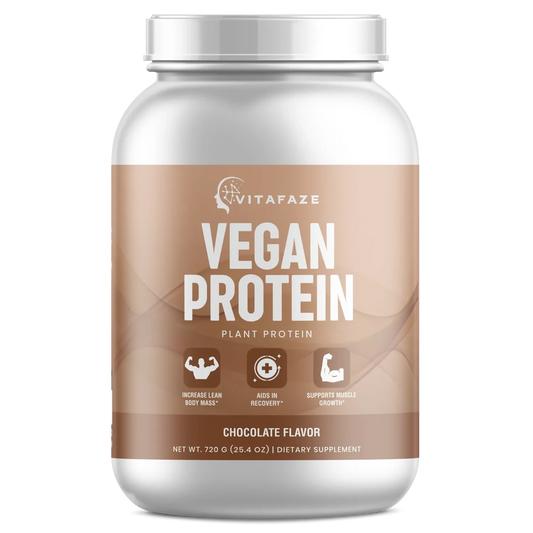
Here is the calculation most buyers skip. Divide grams of protein by scoop weight to get protein density. A 22-gram protein scoop that weighs 30 grams is 73% protein. A 20-gram scoop that weighs 45 grams is 44% protein and is mostly filler. Higher density means fewer scoops, fewer calories, and a lower real cost. Our Vegan Protein Chocolate Shake lists 22 grams of complete plant protein at 140 calories, which is the kind of disclosure to look for.

Vegan Protein Powder Ingredients to Avoid
The vegan protein powder ingredients to avoid fall into three groups: sweeteners that upset digestion, gums that add texture at a cost, and vague flavor entries that hide what is actually inside. None of these will harm most people. All of them matter if you have a sensitive stomach or you are paying a premium for a clean label.
Sweeteners, Gums, and Additives That Cause Bloating
Sugar alcohols such as maltitol and sorbitol draw water into the gut and cause gas in many people. Xanthan and guar gum thicken the shake and can slow digestion. Artificial sweeteners like sucralose appear in "zero sugar" products and are a common complaint among people who react to them. Erythritol and stevia leaf extract are the usual alternatives, though stevia carries its own aftertaste. If bloating is your issue, test one variable at a time rather than switching brands blindly.
Pea Protein vs. Rice Protein Powder: Which Blend Works Better?
The blend wins for most people, and the reason is amino acids. Pea protein is rich in lysine but low in methionine. Rice protein is the reverse. Combine them and you close both gaps, which is why the pea protein vs. rice protein powder debate usually ends in a blend rather than a winner. Single-source products are not bad. They simply require you to get the missing amino acids elsewhere in the day.
The practical difference shows up in texture too. Pea alone produces a thicker, sometimes chalky shake. Rice alone is thinner and grittier. A blend lands in the middle and needs less gum to hold together, which matters if you are avoiding additives. Hemp and chia work as boosters rather than bases because their protein density is lower.
Why Vegan Protein Powder Third-Party Tested Matters
Third-party testing is the only claim on the tub that the seller cannot write themselves. Vegan protein powder third-party tested means an outside lab screened the finished product for heavy metals, contaminants, and label accuracy, then published the result. Plant proteins pull metals from soil, so rice and cocoa-based products in particular benefit from screening. The NSF Certified for Sport program is one recognized route, and the USP verification mark is another.
Vegan Protein Chocolate Shake - 1.5lb Pure Plant-Based Nutrition for Optimal →
Reading a Certificate of Analysis
A certificate of analysis is the lab report behind the claim. Look for the lot number, the test date, the lab's name, and the specific panels run. Heavy metals, microbials, and protein content by assay are the three that matter most. A certificate with no lot number cannot be tied to the tub in your hand, and a certificate older than the current production run tells you nothing about what you bought.
Cost Per Serving: The Comparison Table That Changes the Decision
Price per tub is a distraction. Cost per serving, and cost per gram of protein, are the numbers that decide value. Divide the tub price by the number of servings in the container, then divide again by grams of protein per serving. That final figure lets you compare a cheap tub against a dense one on equal terms.
| What You're Comparing | How to Calculate | What It Tells You |
|---|---|---|
| Price per serving | Tub price ÷ servings per container | Real cost of one shake |
| Protein density | Protein grams ÷ scoop weight | How much of the scoop is protein |
| Cost per gram of protein | Price per serving ÷ protein grams | True value across brands |
| Cost per 20g dose | Cost per gram × 20 | Standardized comparison figure |
Run this on any two products and the cheaper tub often loses. A denser formula at a higher sticker price frequently lands lower per gram of protein, and it usually carries fewer filler ingredients. Our 1.5lb Chocolate Shake at $32.97 is priced to be checked against this math, not against a shelf tag.
Taste, Texture, and Mixability Before You Buy
Taste is the variable you cannot verify from a label, which is why customer reviews and mixing videos are worth more than any ingredient claim. Texture and mixability follow the protein source and the gum content, and both change with how you prepare the shake. Understanding the mechanism lets you predict what a product will do before the first scoop.
How Protein Source Drives Texture
Each plant source behaves differently in liquid, and the difference is structural rather than a matter of quality:
- Pea protein is high in fiber and starch-like fractions that absorb water quickly, so it thickens fast and can turn chalky if you let it sit. It also carries a faint legume note that cocoa and vanilla mask well.
- Rice protein is finer and less water-absorbent, so it stays thin and tends to settle to the bottom of the shaker within minutes. It is grittier on the tongue but lighter in the stomach for some people.
- Hemp protein is coarse and fibrous, with a distinct earthy, green flavor that does not hide well behind sweeteners. It works better as a booster than a base.
- Soy protein is the most neutral-tasting and the smoothest-mixing single source, which is part of why it appears in so many ready-to-drink products.
- Blends land in the middle on texture and usually need less gum to hold suspension, which matters if you are avoiding additives.
Sweeteners and Aftertaste
The sweetener system shapes aftertaste as much as the protein does. Stevia leaf extract carries a licorice-like finish that some people notice immediately and others never taste. Monk fruit is rounder but can read as slightly fruity. Erythritol adds bulk and a cooling sensation, and in larger amounts it draws water into the gut the same way other sugar alcohols do. Sucralose in "zero sugar" products is a common complaint among people who react to it. If you are sensitive, a lightly sweetened or unflavored base lets you control the sweetness yourself.
Mixability and Preparation Variables
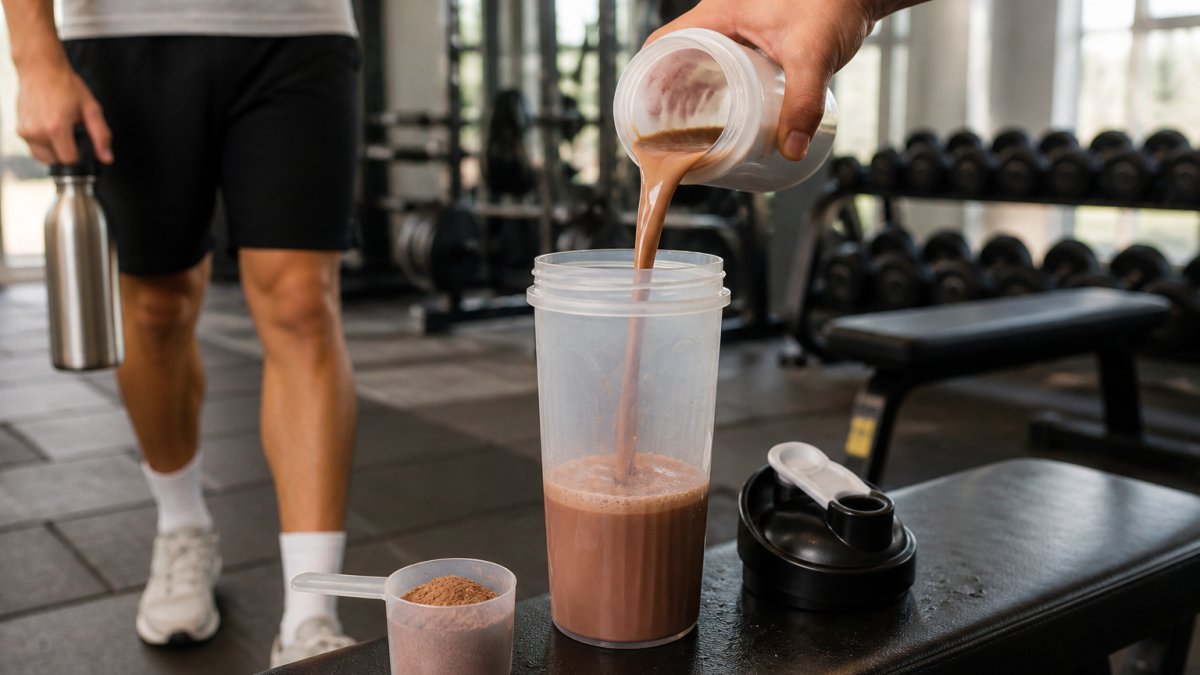
Most "gritty" or "clumpy" complaints trace to preparation rather than the powder. A few variables change the result more than any brand claim:
- Liquid temperature. Cold water or milk slows hydration and reduces clumping; hot liquid can gelatinize pea and rice fractions into lumps.
- Order of addition. Put liquid in the shaker first, then powder, so the powder disperses instead of packing at the bottom.
- Shaker type. A wire whisk ball breaks up clumps better than a bare bottle, and a blender produces the smoothest result for hemp and rice bases.
- Ratio. More liquid means a thinner shake and less perceived chalk; less liquid means a thicker shake that holds flavor better.
- Rest time. Letting a pea-based shake sit for a minute after shaking thickens it noticeably, which some people prefer and others do not.
How to Test Before You Commit
Read reviews for the words people use when a product fails: gritty, foamy, clumps, chalky, artificial aftertaste. Those complaints cluster around specific sources and sweeteners, so they tell you more than a five-star average. Look for reviews that mention the shaker type and the liquid used, since both change the result. Then buy the smallest size first. A flavor you dislike is a sunk cost no matter how clean the label is, and texture problems rarely improve with a second tub. If the brand sells single-serve packets or a sample size, use them to test two flavors and two preparation methods before buying a full container.
Buy the smallest size first. A flavor you dislike is a sunk cost no matter how clean the label is, and texture problems rarely improve with a second tub.
Allergens, Certifications, and Online Purchase Checklist
Buying online removes the one advantage of a store: you cannot read the back of the tub before paying. Replace that with a checklist you run against the product page before checkout, and understand what each line is actually protecting you from. The FALCPA allergen labeling requirements mean the eight major allergens, milk, eggs, fish, crustacean shellfish, tree nuts, peanuts, wheat, and soybeans, must be declared when they are an ingredient. Sesame was added to that list under the FASTER Act, so a current label should treat it the same way. What FALCPA does not require is a "may contain" or shared-facility statement, which is why those lines vary so much between brands and why you have to read them as carefully as the ingredient list.
Allergen and Cross-Contamination Detail
Plant protein powders are manufactured in facilities that often also run dairy, soy, or nut products, and cross-contact is a real risk for people with serious allergies. Three disclosures tell you different things:
- "Contains" statement. Required for major allergens present as ingredients. If milk or soy appears here, it is in the formula, not just the room.
- "May contain" or "produced in a facility that also processes" note. Voluntary, but specific wording matters. "Shared facility" is broader than "shared line," and a brand that names the allergens is more useful than one that says "allergens."
- Certified allergen-free seals. A gluten-free claim is not the same as a certified gluten-free seal. If you have celiac disease, only the certification is worth relying on, because it requires testing and a documented control plan rather than a formulation statement.
For soy specifically, note that many vegan products use soy lecithin as an emulsifier even when soy protein is not the base. Highly refined soy lecithin is generally tolerated by soy-allergic individuals, but the label will still declare it, and the decision belongs to you and your allergist rather than to a marketing page.
Vegan Protein Chocolate Shake - 1.5lb Pure Plant-Based Nutrition for Optimal →
Certifications: What Each Seal Actually Verifies
A seal on the front of the tub is only useful if you know which claim it backs. The common ones on plant proteins fall into distinct categories:
- USDA Organic. Verifies agricultural sourcing and processing against the National Organic Program; it says nothing about heavy metals or protein content.
- Non-GMO Project Verified. Verifies a third-party review of GMO avoidance; it is not a purity or contaminant test.
- NSF Certified for Sport. Screens for contaminants and banned substances and is the seal most relevant to competitive athletes.
- USP Verified. Confirms the product contains the ingredients and amounts listed, with no harmful levels of contaminants.
- Certified gluten-free. Requires testing and facility controls, not just an ingredient review.
Match the seal to the risk you care about. Organic does not answer a heavy-metals question, and a gluten-free claim does not answer a protein-spiking question.
Online Purchase Checklist
Run this against the product page before you pay, and treat any missing line as a reason to slow down rather than a reason to trust the brand's summary.
- Allergen statement names milk, soy, wheat, tree nuts, and sesame explicitly
- "May contain" or shared-facility note is present and specific about which allergens
- Certification seal matches the claim on the front of the tub and links to a verifiable registry
- Certificate of analysis is downloadable and shows a lot number
- Nutrition facts list protein, sugar, and calories per scoop, not per 100g
- Return policy covers opened tubs, since taste is the risk you carry
- Serving count matches the scoop size you will actually use
- Seller is the brand's own store or an authorized retailer, not a marketplace listing with no recourse
- Shipping terms, subscription cancellation, and stock status are stated on the page, not buried in a policy link
A gluten-free claim and a certified gluten-free seal are different things. If you have celiac disease, only the certification is worth relying on.
On marketplaces, check who ships and who handles returns. A listing fulfilled by a third party can leave you with no path to a refund on an opened tub, and counterfeit or expired stock is a documented problem in supplements. The brand's own store or a named authorized retailer is the safer route for a first purchase.
Allergen safety is a label-reading exercise, not a trust exercise. If the "may contain" line is vague or absent on a product made in a shared facility, email the brand and ask for the specific allergens and the facility's control plan before you buy.
Conclusion
The hardest part of buying plant protein online is that every brand gets to define "clean" for itself, and most definitions are built to survive a marketing meeting rather than a lab test. Our answer is to make the word measurable: a readable ingredient list, a named source, disclosed protein density, and a certificate you can download. That standard is what VitaFaze formulates against, with plant-powered nutrition built on clean, bioavailable ingredients and targeted support for recovery, endurance, and cellular energy. Run the four-part test on any product, including ours. Then shop all VitaFaze products and compare the numbers yourself.
Frequently Asked Questions
What is the healthiest cleanest vegan protein powder?
There is no single winner, but the cleanest options share four traits: a short ingredient list you can pronounce, a complete amino-acid profile from a pea and rice blend, third-party testing for heavy metals, and no artificial sweeteners. Look for 20-25 grams of protein per serving, 3 grams of sugar or less, and a published certificate of analysis. VitaFaze's Vegan Protein Chocolate Shake, for example, delivers 22 grams of complete plant protein from organic pea and brown rice, 3 grams of sugar, and 4 grams of fiber at $32.97 for a 1.5 lb tub.
What ingredients should I avoid in vegan protein powder?
Watch for artificial sweeteners like sucralose and aspartame, added sugars such as maltodextrin and cane syrup, and artificial colors. Carrageenan and excessive gums can trigger bloating in sensitive stomachs. Also check for undeclared allergens like soy or gluten. A clean label lists every ingredient by weight, names the protein source, and states the allergen information clearly so you can decide before you buy.
How can I tell whether a vegan protein powder has been third-party tested?
Look for a certification mark from an independent lab such as NSF Certified for Sport, Informed Sport, or a published certificate of analysis with batch numbers. The certificate should show heavy-metal results for lead, cadmium, arsenic, and mercury, plus a microbial panel. If a brand only says "lab tested" without a downloadable report, treat that as marketing. Email the company and ask for the most recent batch report.
How much protein should a serving of vegan protein powder contain?
Most plant-based powders land between 18 and 25 grams per scoop. For recovery, aim for 20-25 grams per serving. Check the serving size too: a 40-gram scoop with 20 grams of protein is 50% protein, while a 30-gram scoop with 22 grams is 73% protein. Higher protein density usually means fewer fillers and a better cost per gram of protein.