



Plant Protein for Endurance: Optimize Your Performance
Table of Contents
- How Much Protein Do Endurance Athletes Need
- Best Plant-Based Protein Sources for Athletes
- Plant Protein Timing for Recovery
- Essential Amino Acids and Protein Quality
- Plant-Based Protein Blends for Athletes
- Building a Weekly Endurance Nutrition Plan
- Common Mistakes Endurance Athletes Make with Plant Protein
- Choosing Plant Protein Powders: What to Look For
- Frequently Asked Questions
Last Updated: October 9, 2026
How Much Protein Do Endurance Athletes Need
Endurance athletes require more protein than sedentary individuals because training creates muscle damage that demands repair and adaptation, making plant protein endurance performance dependent on adequate daily intake. The amount you need depends on your body weight, training intensity, and the specific sport you're doing.
For most endurance athletes, the target is between 1.4 and 1.8 grams of protein per kilogram of body weight daily. This range supports muscle protein synthesis, recovery, and adaptation without excess. An athlete weighing 150 pounds (68 kg) would aim for roughly 95 to 122 grams of protein per day.
However, protein needs shift based on training load. During heavy training blocks, you might push toward the upper end of that range. During lighter recovery weeks, the lower end often suffices. The goal is matching your intake to your actual training stress, not following a one-size-fits-all number.
Plant-based endurance athletes face an additional consideration with plant protein endurance: plant proteins have lower digestibility and amino acid profiles compared to animal sources. This means you may need slightly more total protein from plant sources to achieve the same muscle-building effect. Many plant-based athletes find success aiming for the higher end of the 1.4-1.8 g/kg range, or even 1.8-2.0 g/kg during peak training.
Best Plant-Based Protein Sources for Athletes
Whole Food Sources vs. Supplements
Plant-based protein comes in two forms: whole foods and supplements. Each has a place in an endurance athlete's diet, and the best approach usually combines both.
Whole food sources include legumes (lentils, chickpeas, beans), soy products (tofu, tempeh), nuts, seeds, and whole grains. These foods deliver not just protein but also fiber, micronutrients, and phytonutrients that support overall health. A cup of cooked lentils provides roughly 18 grams of protein along with 15 grams of fiber, which aids digestion and sustained energy.
The downside: whole foods require preparation time and can feel heavy in your stomach during or immediately after intense training. A plant protein powder offers convenience and faster absorption, making it ideal for post-workout recovery windows when your body needs amino acids quickly.
Supplements also provide concentrated protein without the bulk of whole foods. A serving of plant protein powder typically delivers 20-25 grams of protein in a single scoop, compared to the larger volume of food needed to hit that target from whole sources alone.
The practical reality: use whole foods as your foundation and supplements to fill gaps. Eat lentils, tofu, and chickpeas at most meals. Use plant protein powder for post-workout shakes, quick breakfasts, or when meal prep isn't realistic.
| Protein Source | Protein per Serving | Best Timing | Digestibility |
|---|---|---|---|
| Lentils (1 cup cooked) | 18g | Meals, not immediately post-workout | Moderate |
| Tofu (100g) | 15g | Any meal | High |
| Chickpeas (1 cup cooked) | 15g | Meals | Moderate |
| Plant protein powder | 20-25g | Post-workout, breakfast | High |
| Tempeh (100g) | 19g | Any meal | High |
| Pea protein powder | 20-25g | Post-workout | High |
Plant Protein Timing for Recovery
Timing matters less than total daily intake, but the post-workout window is still important for endurance athletes. Your muscles are primed to accept amino acids and build new protein for roughly 30-120 minutes after training ends.
Consuming 20-30 grams of protein within two hours of finishing a workout supports muscle protein synthesis and recovery. This doesn't mean you must chug a shake the moment you stop running or cycling. A meal eaten within two hours delivers the same benefit as an immediate shake.
For endurance sessions longer than 90 minutes, consider consuming some protein during the workout itself. This is less about muscle building and more about maintaining amino acid availability and reducing muscle breakdown during extended effort. A simple approach: drink a plant-based protein shake or eat a banana with nut butter during long training sessions.
Before workouts, protein timing is less critical. Eating protein 2-4 hours before training provides amino acids for energy and recovery without causing digestive distress. Many endurance athletes perform best with a light meal containing both carbohydrates and protein 2-3 hours before training.
On non-training days, spread protein intake evenly across meals. Aim for 20-30 grams per meal rather than loading it all into one sitting. This approach supports steady muscle protein synthesis throughout the day.
Essential Amino Acids and Protein Quality
Protein quality determines how effectively your body uses the amino acids it contains. Not all plant proteins are created equal, and understanding this difference changes how you fuel recovery.
Essential amino acids (EAAs) are the nine amino acids your body cannot produce on its own. You must consume them through food. Leucine, one of the EAAs, is particularly important because it triggers muscle protein synthesis (Leucine-Enriched Nutrients and the Regulation of mTOR Signalling and Human Skeletal...). Animal proteins contain all nine EAAs in optimal ratios. Most plant proteins fall short in one or more EAAs, particularly leucine or methionine.
Vegan Protein Chocolate Shake - 1.5lb Pure Plant-Based Nutrition for Optimal →
Soy and soy products (tofu, tempeh) are complete proteins, meaning they contain all nine EAAs in adequate amounts. Pea protein is also relatively complete. Most other plant proteins are incomplete, lacking sufficient amounts of one or more EAAs.
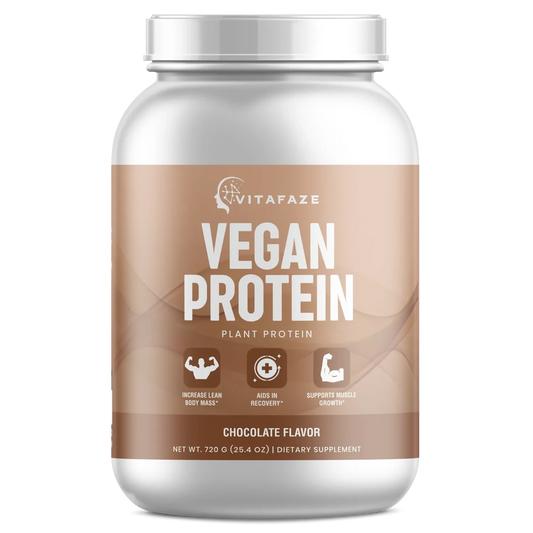
This is where plant protein blends become valuable. Combining pea protein with rice protein creates a complete amino acid profile because each source fills in the gaps of the other. A blend of organic pea protein and organic brown rice protein, like the formula in VitaFaze's Vegan Protein Chocolate Shake, delivers 22 grams of plant-based protein with a well-rounded amino acid profile in each serving.

The practical takeaway: look for plant protein powders that either contain soy, or blend multiple plant sources. The blend approach ensures you're getting complete protein that your muscles can actually use for repair and growth.
Plant-Based Protein Blends for Athletes
Blended plant proteins outperform single-source options because they deliver all nine essential amino acids in meaningful amounts. The science is straightforward: pea protein is low in methionine but high in lysine, while rice protein is high in methionine but low in lysine. Together, they cover each other's gaps.
When evaluating a plant protein blend, check the label for the specific sources. A quality endurance-focused blend includes at least two plant protein sources and lists them in the first few ingredients. The protein content should be at least 20 grams per serving, with minimal added sugar (under 5 grams ideally).
VitaFaze's approach to blending reflects what endurance athletes actually need. The Vegan Protein Chocolate Shake combines organic pea protein and organic brown rice protein to create a complete amino acid profile. Each scoop delivers 22 grams of protein, just 3 grams of sugar, and 4 grams of fiber to support digestion. The addition of organic acacia gum and dietary fiber means the shake supports gut health alongside muscle recovery, which matters for athletes managing digestive tolerance during heavy training.
For endurance athletes, a plant protein blend should be your default choice over single-source options. The complete amino acid profile directly supports muscle protein synthesis and recovery.
Building a Weekly Endurance Nutrition Plan
A practical endurance nutrition plan distributes protein intake across the week based on training volume and intensity. The goal is matching your intake to your actual training stress, not hitting the same number every single day.
Start With Your Sport and Training Load
Protein needs shift depending on the sport, the weekly volume, and how much energy you're taking in overall. Use this decision guide to set your daily target before you plan meals:
| Endurance Profile | Typical Weekly Volume | Daily Protein Target | Notes |
|---|---|---|---|
| Recreational runner or cyclist | Under 6 hours | 1.4-1.6 g/kg | Lower end works when training stress is modest |
| Competitive runner or cyclist | 6-12 hours | 1.6-1.8 g/kg | Push higher during build weeks |
| Triathlete in a build block | 12-20 hours | 1.8-2.0 g/kg | Multiple daily sessions raise repair demand |
| Athlete in a low-energy-intake phase | Any volume | 1.8-2.2 g/kg | Higher protein helps protect lean mass when calories are restricted |
A 150-pound (68 kg) athlete at 1.8 g/kg needs about 122 grams per day. At 2.0 g/kg, that climbs to roughly 136 grams. The gap between those two numbers is one extra protein-focused snack, small changes matter at this scale.
Match Protein to Session Type
Not every training day creates the same repair demand. A long ride or a hard interval session damages more muscle than an easy recovery jog. Adjust your intake accordingly:
- Long or high-intensity days: Aim for the upper end of your range (1.8-2.0 g/kg). These sessions create the most muscle damage and demand the most protein for recovery.
- Moderate-intensity days: Target the middle of your range (1.6 g/kg). This still supports adaptation without overfeeding protein on days when training stress is lower.
- Light or recovery days: The lower end of your range (1.4 g/kg) usually suffices. Your body doesn't need excess protein on days when you're not creating significant muscle damage.
A Sample Hard-Training Day That Actually Hits Target
Here's a full day for a 150-pound endurance athlete on a hard training day, built to reach roughly 120 grams of protein:
- Breakfast: Oatmeal with 2 tablespoons peanut butter, banana, and a scoop of plant protein powder (30g protein)
- Mid-morning snack: Plant-based yogurt with granola and hemp seeds (15g protein)
- Lunch: Chickpea salad with quinoa, olive oil, and vegetables (20g protein)
- Post-workout shake: Plant protein blend with soy or pea-rice (22g protein)
- Dinner: Tofu stir-fry with brown rice, edamame, and vegetables (25g protein)
- Evening snack: Almonds and dried fruit (10g protein)
Total: roughly 122 grams of protein. Notice that no single meal carries the whole load, each eating occasion lands in the 15-30 gram range that supports muscle protein synthesis.
Plan the Week, Not Just the Day
Map your week on a rest day. Mark which days are long or hard, which are moderate, and which are recovery. Then assign a protein target to each day. A triathlete in a build block might run 2.0 g/kg on double-session days, 1.7 g/kg on single-session days, and 1.4 g/kg on rest days. This simple step eliminates guesswork and makes hitting your intake consistent across a training block.

Common Mistakes Endurance Athletes Make with Plant Protein
The biggest mistake is relying on incomplete plant proteins. Many athletes grab a single-source plant protein powder, then blame plant-based diets for poor recovery. Switching to a blended formula or soy-based option can support recovery.
A second common error is front-loading protein into one or two meals. An athlete might eat 40 grams of protein at dinner and only 10 grams at breakfast, thinking the total matters. In reality, muscle protein synthesis responds better to distributed intake. Spread your intake across four or five eating occasions for better results.
Many endurance athletes also underestimate their protein needs because they're comparing themselves to sedentary people. A sedentary adult needs about 0.8 g/kg of body weight. An endurance athlete needs nearly twice that. This gap often surprises people, but the training volume justifies the higher intake.
Vegan Protein Chocolate Shake - 1.5lb Pure Plant-Based Nutrition for Optimal →
Digestive tolerance is another overlooked issue. Some plant proteins cause bloating, gas, or cramping, particularly in the hours before or during training. If you experience this, test different protein sources to find what your gut tolerates. Soy-based products tend to be easier to digest than some blended powders. Adding digestive enzymes or gradually increasing intake can also help your system adapt.
Finally, athletes often neglect the complementary nutrients that support protein use. Protein alone doesn't guarantee recovery. You also need adequate carbohydrates to replenish glycogen, electrolytes to support hydration, and micronutrients like iron and B12 to support energy production. A complete recovery approach includes all of these, not just hitting a protein number.
Choosing Plant Protein Powders: What to Look For
Most plant protein powders look similar on the shelf. A transparent checklist turns the label into a decision tool so you can compare products without relying on marketing claims. Work through these criteria in order.
1. Protein Sources and Completeness
Start with the ingredient list. A quality product lists its protein sources clearly (pea, rice, soy, hemp) in the first few ingredients, not buried after sweeteners and additives. For endurance recovery, look for either soy or a blend of at least two plant sources, pea plus rice is the most common pairing because pea is low in methionine and rice is low in lysine, so together they cover each other's gaps.
2. Protein Per Serving
Check the grams of protein per scoop. Most quality powders deliver 20-25 grams per serving. Anything significantly lower suggests the powder is diluted with fillers. Anything much higher may indicate a concentrated isolate, which can sometimes have a grittier texture.
3. Essential Amino Acids and Leucine
Protein quality depends on the essential amino acid profile, and leucine is the trigger for muscle protein synthesis. A complete blend or soy-based powder supplies all nine essential amino acids. If a label lists an amino acid profile, look for a meaningful leucine figure, roughly 2-3 grams per serving is a common benchmark practitioners use when comparing recovery-focused powders.
4. Added Sugar
A shake is typically consumed post-workout or as a meal replacement, so keeping added sugar low (under 5 grams) prevents unnecessary calories and blood sugar spikes. Look for powders sweetened with stevia or erythritol rather than sugar or artificial sweeteners like aspartame.
5. Fiber and Digestive Tolerance
Endurance athletes benefit from adequate fiber for digestive health and sustained energy. A powder with 3-5 grams of fiber per serving supports these goals without causing bloating. Some formulas include ingredients like organic acacia gum, which supports both digestion and mixability. If you're prone to GI distress during long sessions, test a new powder on an easy training day before using it around a key workout.
6. Allergens
Check the allergen statement. Common plant protein allergens include soy, and some blends are processed in facilities that also handle milk, egg, or tree nuts. If you have a sensitivity, confirm the product is made in a facility that controls for cross-contact.
7. Third-Party Testing
Third-party testing is a non-negotiable feature. A reputable powder has been tested by an independent lab to verify that the label claims are accurate and that the product is free from contaminants.
8. Certifications
Check for certifications relevant to your values. Organic certification, vegan certification, and non-GMO verification matter to many athletes. These certifications add cost, but they confirm that the product meets specific standards.
9. Taste and Mixability
Mixability and taste matter because you'll only use a powder consistently if you actually enjoy it. A powder that clumps or tastes like cardboard becomes waste. Read reviews specifically about how the powder mixes and tastes, not just the ingredient list.
| Evaluation Criteria | What to Look For | Why It Matters |
|---|---|---|
| Protein sources | Pea + rice blend, or soy | Complete amino acid profile |
| Protein per serving | 20-25g | Sufficient for post-workout recovery |
| Leucine | Roughly 2-3g per serving | Triggers muscle protein synthesis |
| Sugar content | Under 5g | Prevents unnecessary calories |
| Fiber | 3-5g | Supports digestion and sustained energy |
| Allergens | Clear allergen statement | Avoids unwanted reactions |
| Third-party testing | Lab verification on label | Confirms label accuracy and safety |
| Certifications | Organic, vegan, non-GMO | Confirms standards |
| Taste and mixability | Smooth, pleasant flavor | Ensures consistent use |
Frequently Asked Questions
How much plant protein do endurance athletes need each day?
Endurance athletes typically need 1.4 to 1.8 grams of protein per kilogram of body weight daily, depending on training intensity and volume. For a 150-pound (68 kg) endurance athlete, this translates to roughly 95-122 grams per day. Higher amounts (up to 2.2 g/kg) may support recovery during heavy training blocks. Plant protein can meet these targets when combined strategically throughout the day and paired with complementary protein sources to ensure complete amino acid profiles.
What are the best plant-based protein sources for endurance training?
Top plant-based protein sources include legumes (lentils, chickpeas, beans), soy products (tofu, tempeh), nuts and seeds (pumpkin seeds, hemp seeds), and whole grains (quinoa, oats). Soy and legumes are particularly valuable for endurance athletes because they provide complete or near-complete amino acid profiles, including leucine, which triggers muscle protein synthesis. Plant protein powders combining pea and rice protein, like the Vegan Protein Chocolate Shake with 22 grams per serving, offer convenient post-workout options.
When should endurance athletes consume plant protein after a workout?
Consume 20-30 grams of plant protein within 1-2 hours after intense endurance training to optimize muscle protein synthesis and recovery. This window is most critical after long runs, cycling sessions, or high-intensity intervals. Pairing plant protein with carbohydrates (in a 3:1 or 4:1 carb-to-protein ratio) enhances glycogen replenishment and amino acid uptake. A plant-based shake, legume-based meal, or combination of whole foods all work effectively during this recovery window.
Can plant-based protein alone support endurance performance, or do I need supplements?
Whole plant foods can meet protein requirements for most endurance athletes, but timing and convenience make supplements valuable. Whole foods like beans and tofu deliver protein alongside fiber, minerals, and phytonutrients that support overall health. Supplements like amino acid blends and protein powders fill timing gaps when whole foods aren't practical, especially post-workout or during travel. Many endurance athletes combine both: whole foods for daily intake and targeted supplements (such as BCAAs or complete amino acid formulas) for recovery and performance support.