



How to Improve Endurance on a Plant-Based Diet
Table of Contents
- Understanding Protein Needs for Endurance Athletes
- Plant-Based Diet for Endurance Athletes: Daily Protein Targets
- Plant-Based Pre-Workout Meals: Fueling Before Hard Efforts
- Carbohydrate Fueling for Endurance Training: Energy Without Compromise
- Protein Timing and Post-Workout Recovery
- Vegan Recovery Nutrition: Supporting Muscle Repair and Adaptation
- Essential Amino Acids and Protein Quality for Endurance
- Choosing Plant Protein Powders: What to Look For
- A Practical Weekly Endurance Training Nutrition Plan
- Frequently Asked Questions
Last Updated: October 10, 2026
Understanding Protein Needs for Endurance Athletes
To improve endurance plant-based, endurance athletes need more protein than sedentary people. When you run, cycle, or train for distance events, your muscles break down during hard efforts. Protein helps repair that damage and builds stronger muscle fibers.
How much protein do you actually need? That depends on your training intensity and body weight. Most endurance athletes benefit from 1.4 to 1.8 grams of protein per kilogram of body weight daily (International Society of Sports Nutrition position stand: protein and exercise). If you weigh 150 pounds (about 68 kilograms), that's roughly 95 to 122 grams per day.
The timing matters too. Eating protein after training supports muscle repair and adaptation. But spreading protein intake throughout the day is equally important. Your body can only use so much protein in one meal, so consistency beats loading everything into one post-workout shake.
Plant-based athletes face one extra challenge: plant proteins often have lower bioavailability than animal proteins. That means your body doesn't absorb and use them as efficiently. The fix is simple: eat slightly more plant protein and combine different sources to get a complete amino acid profile.
Plant-Based Diet for Endurance Athletes: Daily Protein Targets
Your daily protein target should match your training load. Easy training weeks need less; hard training blocks need more. A practical approach is to eat 1.6 to 2.2 grams per kilogram of body weight on days with intense or high-volume training.
Let's make this concrete. A 160-pound endurance athlete (about 73 kilograms) should aim for:
- Easy training days: 100-115 grams of protein
- Moderate training days: 115-130 grams
- Hard training or race prep days: 130-160 grams
Where does this protein come from on a plant-based diet? Common sources include:
- Legumes (lentils, chickpeas, beans): 15-20 grams per cooked cup
- Tofu and tempeh: 15-20 grams per 100-gram serving
- Nuts and seeds: 5-10 grams per ounce
- Whole grains (quinoa, brown rice): 8-15 grams per cooked cup
- Plant protein powder: 20-25 grams per scoop
The challenge is getting enough protein without eating too much volume. A plant-based athlete eating only whole foods might feel uncomfortably full. This is where targeted plant protein supplements become useful.
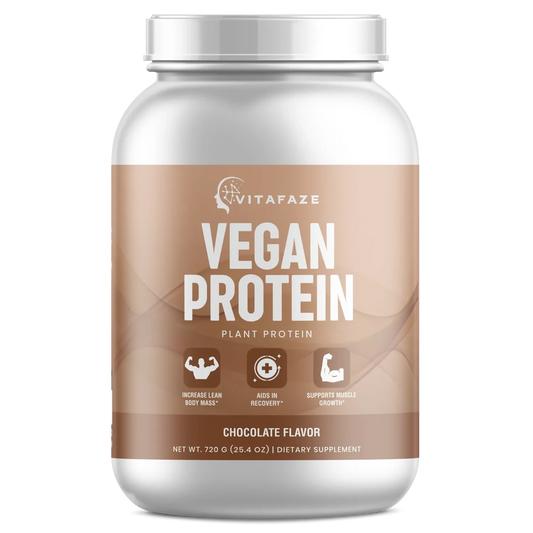
VitaFaze's Vegan Protein Chocolate Shake delivers 22 grams of complete plant-based protein per serving, combining organic pea protein and organic brown rice protein. This blend provides a full amino acid profile, exactly what endurance athletes need to support muscle repair without the bloating that sometimes comes from whole-food sources alone.

Plant-Based Pre-Workout Meals: Fueling Before Hard Efforts
What you eat before training shapes your performance. Endurance work demands fuel in the form of carbohydrates. Protein before training is less critical than carbs, but it does help preserve muscle during long sessions, provided it doesn't interfere with digestion or carbohydrate availability during the effort itself.
A good pre-workout meal eaten 2-3 hours before training includes:
- 30-60 grams of carbohydrates (depending on session length)
- 10-20 grams of protein
- Minimal fiber and fat (these slow digestion)
Practical examples:
- Oatmeal with banana and almond butter
- Toast with hummus and tomato
- Rice with lentil curry (eaten well before training)
- Smoothie with plant-based protein powder, oats, and berries
For very early morning sessions, eat something smaller 30-60 minutes before:
- A banana with peanut butter
- A small bowl of cereal with plant milk
- A scoop of plant protein mixed with water
The protein-during-exercise trade-off: Here's where plant-based athletes often stumble. Protein digestion requires stomach acid and enzyme activity. During hard endurance efforts, especially runs, blood flow shifts away from the digestive system toward working muscles. This means protein eaten close to or during training can sit in your stomach, causing bloating, cramping, or nausea. Plant proteins, which are often bulkier and contain more fiber than animal proteins, are more prone to this effect.
The practical rule: Avoid protein during exercise lasting longer than 90 minutes. Instead, rely on easily digestible carbohydrates, sports drinks with glucose, bananas, dates, or gels. These move through your stomach quickly and provide immediate fuel without competing for digestive resources.
If you eat a protein-containing pre-workout meal, time it at least 2-3 hours before hard training. For sessions starting early morning (before you can digest a full meal), skip the protein and eat carbs only. You'll refuel with protein immediately after training when your digestive system is ready.
Avoid high-fiber foods right before hard training. Chia seeds, beans, and cruciferous vegetables are nutritious but can cause digestive discomfort during endurance efforts. Save those for meals after training when you're not moving.
Carbohydrate Fueling for Endurance Training: Energy Without Compromise
Carbohydrates are non-negotiable for endurance performance. Your body stores carbs as glycogen in muscles and liver. During training, you burn through these stores. When they run low, your pace drops and fatigue sets in.
How many carbs do you need? That depends on training intensity and duration:
- Easy sessions under 90 minutes: normal daily carb intake is enough
- Moderate sessions 90-180 minutes: 30-60 grams of carbs per hour during training
- Hard sessions or races over 180 minutes: 60-90 grams per hour
Plant-based carb sources are abundant and excellent for endurance:
- Whole grains: brown rice, oats, quinoa, barley
- Legumes: lentils, chickpeas, beans (also provide protein)
- Fruits: bananas, apples, berries, dates
- Starchy vegetables: sweet potatoes, regular potatoes, winter squash
During long training sessions, you need easily digestible carbs. This is where sports drinks, gels, and simple carb sources shine. A banana, dates, or a sports drink with glucose works better than whole grains when you're mid-effort.
Post-training, eat carbs with protein to refill glycogen and support muscle repair. A bowl of rice with beans, toast with peanut butter, or a smoothie with fruit and plant protein all work well.

Protein Timing and Post-Workout Recovery
The window after training is when your muscles are most receptive to protein. Eating protein within 30-120 minutes after hard training supports muscle protein synthesis, the process that builds and repairs muscle fibers.
Vegan Protein Chocolate Shake - 1.5lb Pure Plant-Based Nutrition for Optimal →
How much protein do you need post-workout? Aim for 20-30 grams in a single serving. This amount maximizes muscle protein synthesis without excess.
Timing matters more for hard training sessions than easy ones. After a tough interval workout or long run, prioritize getting protein in quickly. After an easy session, your regular daily protein intake is sufficient.
What should this post-workout meal look like? Include protein, carbs, and some fluids:
- Smoothie: plant protein powder, fruit, plant milk, spinach
- Meal: rice and beans with vegetables
- Toast: whole grain bread with hummus and avocado
- Pasta: whole grain noodles with lentil-based sauce
Plant protein takes slightly longer to digest than animal protein, so eating a bit more volume is normal. A 25-30 gram serving of plant protein might be slightly larger than an equivalent serving of whey, but your body will use it effectively.
VitaFaze's Vegan Protein Chocolate Shake is designed specifically for this post-workout window. The 22 grams of complete plant protein from pea and brown rice blend supports muscle repair, while the low sugar content (just 3 grams) means you're fueling recovery without excess calories.
Vegan Recovery Nutrition: Supporting Muscle Repair and Adaptation
Recovery is where training becomes strength. Your muscles adapt and grow during rest, not during the actual workout. Proper nutrition speeds this adaptation.
Beyond protein, recovery nutrition includes:
- Carbohydrates: Replenish glycogen stores depleted during training
- Antioxidants: Support inflammation management and cellular repair
- Minerals: Sodium, potassium, magnesium support hydration and muscle function
- Sleep: Prioritize 7-9 hours nightly, this is where most adaptation happens
Plant-based recovery meals should include all these elements. A bowl of sweet potato with black beans and sautéed greens covers protein, carbs, minerals, and antioxidants in one meal.
For hard training blocks, consider adding a greens supplement to fill nutritional gaps. VitaFaze's All-in-One Greens and Reds Superfood includes over 20 nutrient-dense greens and superfruits with prebiotic fiber and digestive enzymes. This supports overall recovery and micronutrient intake without adding meal prep time.

Hydration during recovery is often overlooked. Drink water consistently throughout the day, not just during training. For sessions over 90 minutes, a sports drink with electrolytes helps retain fluids and supports sodium balance.
Essential Amino Acids and Protein Quality for Endurance
Not all plant proteins are equal. The difference comes down to amino acid profile. Your body needs 20 amino acids to function, but only 9 are essential, your body can't make them, so you must eat them.
The 9 essential amino acids are: histidine, isoleucine, leucine, lysine, methionine, phenylalanine, threonine, tryptophan, and valine.
Animal proteins contain all 9 in adequate amounts. Most plant proteins are "incomplete", they're low in one or more essential amino acids. Soy, quinoa, and hemp are exceptions (complete proteins), but most legumes and grains are incomplete.
The solution is combining plant proteins. Eat rice with beans, or lentils with whole grain bread. The combination provides all 9 essential amino acids. This is why varied plant-based eating works better than relying on a single source.
Leucine is the most important amino acid for muscle protein synthesis. It's the "trigger" that tells your body to build muscle. Plant proteins often have less leucine than animal proteins, so eating slightly more plant protein compensates.
When choosing a plant protein powder, look for blends that combine different sources. Single-source powders (only pea, or only rice) are incomplete. VitaFaze's Vegan Protein Chocolate Shake uses both pea and brown rice protein, creating a complete amino acid profile in every serving.
Choosing Plant Protein Powders: What to Look For
Not all plant protein powders are created equal. Here's how to evaluate options using label data and ingredient lists.
Protein content per serving: Look for at least 20 grams of protein per scoop. Anything less is diluted. Check the label's "Nutrition Facts" panel under "Protein." Divide total protein by serving size to confirm the per-scoop amount. Some brands list a large serving size (e.g., 2 scoops) to inflate the protein number, read carefully.
Amino acid profile and leucine content: This is where plant proteins differ most from animal proteins and from each other. Ideally, the label lists amino acid content (often in a separate "Amino Acid Profile" section). Look for:
- Leucine: At least 2-3 grams per serving. Leucine is the primary trigger for muscle protein synthesis. Plant proteins often have less than animal proteins, so higher leucine is a competitive advantage.
- Complete amino acid profile: The powder should list all 9 essential amino acids. If the label doesn't show this, the product likely uses a single plant source (only pea, or only rice) and is incomplete. Blended sources (pea + rice, soy + pea, hemp + pea) are superior because they provide all 9 essentials in one serving.
- PDCAAS or DIAAS score: Some brands list "Protein Digestibility-Corrected Amino Acid Score" or "Digestible Indispensable Amino Acid Score." A score of 1.0 or higher means the protein is as bioavailable as animal protein. Scores below 0.8 suggest lower absorption and utilization.
Digestibility and ingredient list: Open the ingredient list and look for:
- Digestive enzymes (amylase, protease, lipase): These help break down the protein and reduce bloating, a sign the brand acknowledges plant protein's digestive challenges.
- Fiber content: Check the label for total dietary fiber. Plant powders often contain 2-5 grams per serving. Higher fiber can cause bloating; lower is better for pre-workout or during-training use. Post-workout, fiber is fine.
- Legume-based proteins alone (pea, fava bean, lentil): These are nutritious but can cause gas or digestive discomfort in some athletes. If you have a sensitive stomach, look for blends that include rice or hemp protein, which are gentler.
Sugar and additives: Many plant powders are loaded with sugar or artificial sweeteners. Check the label:
- Added sugars: Choose products with under 5 grams per serving. Some brands use sugar alcohols (erythritol, xylitol) or stevia; these are preferable to sucrose or high-fructose corn syrup.
- Artificial flavors and colors: Avoid products listing "artificial flavor" or FD&C dyes (e.g., "FD&C Yellow No. 5"). Natural flavors and cocoa powder are better indicators of quality.
- Gums and thickeners: Xanthan gum and guar gum are common and safe, but some athletes find they cause bloating. If digestive comfort is a concern, look for products with minimal gums.
Allergen transparency: Plant powders can contain common allergens. Check the label for:
- Tree nuts (almonds, coconuts)
- Soy (if not intentional)
- Gluten (from oat or grain-based blends)
- Sesame (increasingly common in plant blends)
Reputable brands list allergens clearly and note whether the product is made in a facility that processes other allergens.
Vegan Protein Chocolate Shake - 1.5lb Pure Plant-Based Nutrition for Optimal →
Third-party testing: Reputable brands test their products for purity, label accuracy, and contaminants. Look for certifications from:
- NSF Certified for Sport: Tests for banned substances and label accuracy; important if you compete in tested sports.
- Informed Choice: Focuses on banned substance testing for athletes.
- USP Verified: Confirms that the product contains what the label claims.
If a brand doesn't list third-party testing on the label or website, it's a red flag.
Price and value: Don't buy the cheapest option. Mid-range products usually offer better quality per dollar. Calculate cost per gram of protein: divide the price by the total grams of protein in the container. A $32 container with 30 servings of 22 grams each (660 grams total protein) costs about $0.05 per gram of protein.
How to read a label in practice: Here's a real-world example. You're comparing two plant protein powders:
Product A: Pea protein isolate only. 25g protein per serving, no amino acid profile listed, no digestive enzymes, 2g sugar, $28 for 1.5 lb (20 servings).
Product B: Pea + brown rice protein blend. 22g protein per serving, amino acid profile shows 2.8g leucine and all 9 essentials, includes protease enzyme, 3g sugar, $32 for 1.5 lb (20 servings).
Product B is the better choice despite slightly lower protein per serving. The blend provides a complete amino acid profile in one serving (Product A is incomplete without pairing with another source). The leucine content is higher, supporting muscle synthesis. The digestive enzyme reduces bloating. The extra $4 is worth the performance and comfort gain.
A Practical Weekly Endurance Training Nutrition Plan
Here's how to apply all this to a real training week. This example is for a distance runner doing 40-50 miles per week.
Monday (Easy 5 miles)
- Breakfast: Oatmeal with banana and almond butter
- Lunch: Rice bowl with chickpeas, roasted vegetables
- Snack: Apple with peanut butter
- Dinner: Pasta with lentil sauce and greens
- Protein target: 100-110 grams
Tuesday (Interval workout, 6 miles with 6 x 800m hard)
- Breakfast: Smoothie with plant protein powder, berries, plant milk
- Pre-workout: Banana with peanut butter (30 min before)
- Post-workout: VitaFaze Vegan Protein Chocolate Shake within 30 minutes
- Lunch: Tofu stir-fry with brown rice and broccoli
- Dinner: Lentil soup with whole grain bread
- Protein target: 130-140 grams
Wednesday (Easy 4 miles)
- Breakfast: Toast with hummus and tomato
- Lunch: Chickpea salad with quinoa
- Snack: Almonds and dates
- Dinner: Sweet potato with black beans and sautéed spinach
- Protein target: 105-115 grams
Thursday (Tempo run, 7 miles with 4 miles at threshold pace)
- Breakfast: Smoothie with plant protein, oats, banana
- Pre-workout: Sports drink or dates (easy carbs)
- Post-workout: VitaFaze Vegan Protein Chocolate Shake + rice cakes
- Lunch: Lentil and vegetable curry with brown rice
- Dinner: Tofu tacos with beans and whole grain tortillas
- Protein target: 135-145 grams
Friday (Easy 3 miles recovery)
- Breakfast: Granola with plant milk and berries
- Lunch: Hummus wrap with roasted vegetables
- Snack: Banana and peanut butter
- Dinner: Pasta with white bean sauce and greens
- Protein target: 100-110 grams
Saturday (Long run, 10-12 miles)
- Breakfast: Oatmeal with maple syrup and banana (3-4 hours before run)
- During run: Sports drink or gels every 45 minutes
- Post-run: VitaFaze Vegan Protein Chocolate Shake + fruit
- Lunch: Rice and beans with avocado
- Dinner: Lentil stew with root vegetables
- Protein target: 120-130 grams
Sunday (Rest or easy cross-training)
- Breakfast: Smoothie with plant protein, spinach, berries
- Lunch: Tofu and vegetable soup
- Snack: Trail mix (nuts and seeds)
- Dinner: Chickpea curry with quinoa
- Recovery focus: Add VitaFaze All-in-One Greens and Reds Superfood to support micronutrient intake
- Protein target: 105-115 grams
Weekly totals: 770-810 grams of protein across 7 days. This supports muscle repair while maintaining energy for training.
To improve endurance plant-based comes down to three things: eating enough protein consistently, fueling training with carbohydrates, and timing meals around hard efforts. Your body doesn't care if protein comes from animals or plants, it cares about getting enough amino acids to repair and adapt.
The challenge most plant-based endurance athletes face is volume. Hitting protein targets through whole foods alone means eating a lot. This is where VitaFaze's plant-powered supplements bridge the gap. Our Vegan Protein Chocolate Shake delivers 22 grams of complete plant protein with clean, bioavailable ingredients. It's designed specifically for athletes who refuse to compromise performance for their values. Shop All Products and fuel your endurance the plant-based way.
Frequently Asked Questions
How can I improve endurance on a plant-based diet?
Improve endurance by meeting daily protein targets of 1.4-1.8 grams per kilogram of body weight, timing protein intake within 2 hours post-exercise, and fueling with adequate carbohydrates before and during training. Combine different plant proteins (pea, rice, legumes) to ensure a complete amino acid profile. Include plant-based whole foods like lentils, chickpeas, tofu, and tempeh alongside quality protein powders like VitaFaze's Vegan Protein Chocolate Shake, which delivers 22 grams of plant-based protein per serving with a balanced amino acid profile for muscle repair and recovery.
What type of protein is best for endurance athletes on a plant-based diet?
Plant protein sources with complete amino acid profiles work best. Soy protein, pea protein, and rice protein blends are effective. Combining proteins, such as pea and rice together, creates a complete amino acid profile including all nine essential amino acids. Look for products with at least 20 grams of protein per serving and minimal added sugars. VitaFaze's Vegan Protein Chocolate Shake combines organic pea and brown rice protein to deliver complete amino acids and includes 4 grams of dietary fiber.
Can a plant-based diet provide enough protein for endurance training?
Yes, a plant-based diet can absolutely support endurance training protein needs when properly planned. Endurance athletes require 1.4-1.8 grams of protein per kilogram of body weight daily. Whole plant foods like legumes, nuts, seeds, tofu, and tempeh provide substantial protein, and plant-based protein powders fill gaps efficiently. The key is combining different plant protein sources to ensure you receive all essential amino acids and adequate total intake. Many plant-based endurance athletes successfully meet their protein targets through a mix of whole foods and supplementation.
How should I time protein intake around my endurance training?
Consume protein within 2 hours after your training session to support muscle protein synthesis and recovery. A post-workout serving of 20-30 grams of plant-based protein, paired with carbohydrates, optimizes recovery. For endurance sessions lasting over 90 minutes, consider consuming 30-60 grams of carbohydrates per hour during exercise to maintain performance. Before training, eat a plant-based pre-workout meal 2-3 hours prior containing carbohydrates and moderate protein to fuel your effort without digestive discomfort. VitaFaze's Vegan Protein Chocolate Shake provides a convenient 22-gram post-workout option that mixes easily into smoothies with fruit for added carbohydrates.