



Plant-Based Protein Meal Plan for Marathon Training
Last Updated: October 22, 2026
Quick Summary
A plant-based protein meal plan for marathon training requires 110-170 grams of protein daily depending on training phase, spread across four to five meals of 20-30 grams each, paired with adequate calories matched to your mileage. Combine legumes, whole grains, soy products, nuts, and seeds strategically to provide complete amino acids and carbohydrates for muscle repair and sustained energy.
- Protein needs range from 110-130g during base building to 150-170g during peak training for a 150-160 pound runner.
- Spread protein across four to five meals with 20-30 grams per meal, especially 30-40g within 30-45 minutes after running.
- Pair iron-rich foods like lentils with vitamin C sources, soak legumes to reduce phytates, and fortify B12 and calcium through supplements or fortified foods.
- Marathon training requires 500-1,000 extra calories per day; a 150-pound runner needs 2,500-3,000 calories on moderate days and 3,500-4,000 on long-run days.
- Test all race-day fueling, gels, and hydration strategies on training runs at the same time of day to prevent stomach issues on race day.
Table of Contents
- Why Plant-Based Protein Matters for Marathon Training
- Calculating Your Protein and Calorie Needs by Training Load
- High-Protein Plant-Based Foods for Endurance Athletes
- Sample Vegan Marathon Meal Plan: A Week-by-Week Approach
- Plant-Based Protein for Runners: Pre-Run and Post-Run Nutrition
- Vegan Pre-Run and Post-Run Meals: Practical Examples
- Marathon Training Nutrition Plan: Long-Run Fueling Strategy
- Micronutrient Planning and Deficiency Prevention
- Gut Tolerance and Race-Day Testing
- Frequently Asked Questions
Why Plant-Based Protein Matters for Marathon Training
A plant-based protein meal plan is essential for vegan marathon runners. Without proper protein intake, muscles struggle to repair after long runs, and slow recovery compounds fatigue over months.
Plant-based athletes face a unique challenge: complete amino acid profiles from non-animal sources require intentional choices. Many runners underestimate protein needs during peak training, and the gap shows up in performance, energy, and soreness.
Plant-based protein supports faster recovery and sustained energy for endurance athletes.
Calculating Your Protein and Calorie Needs by Training Load
Protein needs depend on body weight and training intensity: peak weeks demand more fuel than base-building weeks.
Daily calorie targets for marathon training
Marathon training typically requires 500-1,000 extra calories per day. A 150-pound runner might need 2,500-3,000 calories on moderate days and 3,500-4,000 on long-run days. Calculate baseline calories by multiplying body weight in pounds by 14-16, then add 300-500 calories per hour of running. Most runners underfuel during heavy training weeks, slowing recovery and raising injury risk.
Protein distribution across the day
Spreading protein across four to five meals optimizes muscle repair. Aim for 20-30 grams per meal, especially post-run.
A practical distribution looks like this:
- Breakfast: 20-25g protein
- Mid-morning snack: 10-15g protein
- Lunch: 25-30g protein
- Pre-run snack: 10-15g protein
- Post-run meal: 30-40g protein
- Dinner: 25-30g protein
High-Protein Plant-Based Foods for Endurance Athletes
Build meals around these protein-dense plant foods, which provide amino acids and carbohydrates.
Legumes and pulses:
- Lentils: 18g protein per cooked cup
- Chickpeas: 15g protein per cooked cup
- Black beans: 15g protein per cooked cup
- Peas: 8g protein per cooked cup
Whole grains:
- Quinoa: 8g protein per cooked cup
- Oats: 10g protein per cooked cup
- Whole wheat pasta: 7g protein per cooked cup
- Brown rice: 5g protein per cooked cup
Nuts, seeds, and nut butters:
- Hemp seeds: 10g protein per 3 tablespoons
- Pumpkin seeds: 9g protein per ¼ cup
- Almonds: 6g protein per ounce
- Peanut butter: 8g protein per 2 tablespoons
Soy products:
- Tofu: 20g protein per ½ cup
- Tempeh: 19g protein per 3-ounce serving
- Edamame: 18g protein per cooked cup
Nutritional yeast and supplements:
- Nutritional yeast: 8g protein per 2 tablespoons
- Plant-based protein powder: 20-25g protein per scoop
Combine strategically: lentils, quinoa, and roasted vegetables provide 30+ grams of protein plus recovery carbohydrates.
Sample Vegan Marathon Meal Plan: A Week-by-Week Approach
A structured meal plan removes guesswork. Eating patterns should shift with training intensity: base-building needs less fuel than peak weeks, and taper weeks need a deliberate calorie pullback while protein stays high to protect muscle.
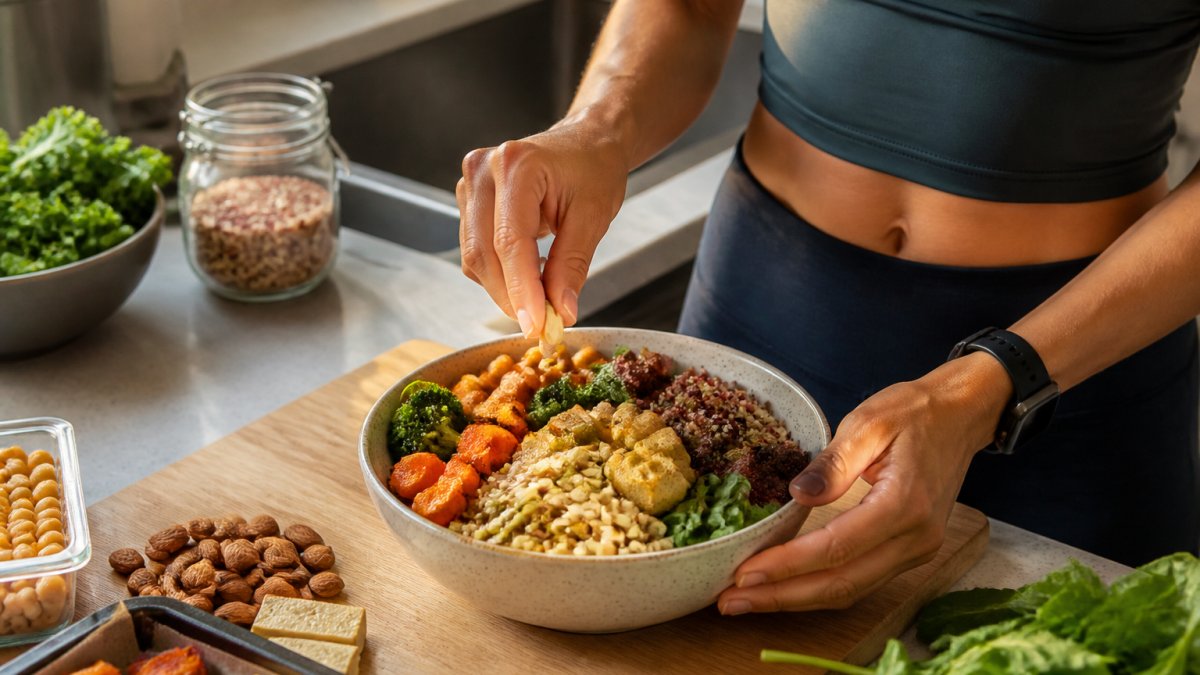
This plan is a repeating weekly template you rotate through each training phase, with adjustment rules to scale portions by body weight and mileage.
Week 1-4: Base building phase meals
During base building, focus on consistency: 2,500-3,000 calories per day with 110-130 grams of protein for a 150-160 pound runner. The goal is a repeatable weekday pattern, not perfection.
Monday:
- Breakfast: Oatmeal with almond butter, banana, and hemp seeds (25g protein, 450 calories)
- Lunch: Lentil soup with whole grain bread (20g protein, 520 calories)
- Dinner: Tofu stir-fry with brown rice and broccoli (28g protein, 580 calories)
- Snacks: Apple with peanut butter, smoothie with plant protein powder (22g protein, 380 calories)
Tuesday:
- Breakfast: Tofu scramble with whole grain toast and spinach (26g protein, 480 calories)
- Lunch: Chickpea salad with tahini dressing and whole wheat pita (18g protein, 510 calories)
- Dinner: Black bean and sweet potato bowl with quinoa (24g protein, 590 calories)
- Snacks: Trail mix, edamame (20g protein, 360 calories)
Wednesday:
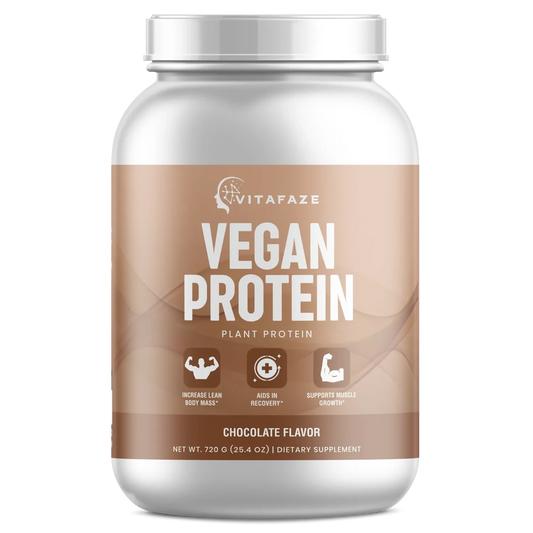
Vegan Protein Chocolate Shake - 1.5lb Pure Plant-Based Nutrition for Optimal →
- Breakfast: Smoothie bowl with plant protein powder, berries, granola, and coconut (22g protein, 420 calories)
- Lunch: Chickpea salad with tahini dressing and whole wheat pita (18g protein, 510 calories)
- Dinner: Tempeh tacos with black beans, vegetables, and avocado (24g protein, 600 calories)
- Snacks: Trail mix with nuts and seeds, hummus with vegetables (18g protein, 350 calories)
Thursday:
- Breakfast: Overnight oats with chia, soy milk, and berries (20g protein, 430 calories)
- Lunch: Lentil and roasted vegetable bowl with tahini (22g protein, 540 calories)
- Dinner: Tofu and broccoli stir-fry with soba noodles (28g protein, 600 calories)
- Snacks: Rice cakes with peanut butter, roasted chickpeas (16g protein, 340 calories)
Friday:
- Breakfast: Whole grain toast with avocado and hemp seeds (18g protein, 440 calories)
- Lunch: Tempeh wrap with greens, tomato, and hummus (24g protein, 530 calories)
- Dinner: Chickpea and spinach curry with brown rice (22g protein, 610 calories)
- Snacks: Smoothie with plant protein powder and banana (22g protein, 330 calories)
Saturday (long-run day):
- Breakfast: Oatmeal with chia seeds, berries, walnuts, and maple syrup (24g protein, 550 calories)
- Pre-run snack (2 hours before): Rice cakes with almond butter and banana (10g protein, 320 calories)
- During run (for runs over 90 minutes): Sports drink or energy gels
- Post-run meal (within 30 minutes): Plant-based protein recovery drink with carbs (30g protein, 380 calories)
- Lunch: Tempeh and vegetable stir-fry with quinoa (28g protein, 620 calories)
- Dinner: Lentil bolognese with whole wheat pasta and side vegetables (26g protein, 640 calories)
- Evening snack: Smoothie with plant protein powder, spinach, and berries (22g protein, 300 calories)
Sunday (recovery day):
- Breakfast: Tofu scramble with whole grain toast and mushrooms (26g protein, 500 calories)
- Lunch: Quinoa bowl with roasted chickpeas, sweet potato, and tahini sauce (22g protein, 580 calories)
- Dinner: Lentil pasta with marinara, white beans, and side salad (26g protein, 620 calories)
- Snacks: Apple with almond butter, hummus with vegetables (16g protein, 340 calories)
Week 5-8: Intensity ramp meals
Intensity ramps require more fuel: add 500 calories per day, targeting 3,000-3,500 calories with 130-150 grams of protein. Keep the base-building structure but increase portions and add a second snack on quality-workout days.
Tuesday (interval day):
- Breakfast: Tofu scramble with whole grain toast, mushrooms, spinach (28g protein, 520 calories)
- Lunch: Quinoa bowl with roasted chickpeas, sweet potato, and tahini sauce (22g protein, 580 calories)
- Dinner: Lentil pasta with marinara, white beans, and side salad (26g protein, 620 calories)
- Pre-run snack: Banana with almond butter (8g protein, 280 calories)
- Post-run snack: Plant-based protein shake with oat milk (25g protein, 320 calories)
Saturday (long-run day):
- Breakfast: Oatmeal with chia seeds, berries, walnuts, and maple syrup (24g protein, 550 calories)
- Pre-run snack (2 hours before): Rice cakes with almond butter and banana (10g protein, 320 calories)
- During run (for runs over 90 minutes): Sports drink or energy gels
- Post-run meal (within 30 minutes): Plant-based protein recovery drink with carbs (30g protein, 380 calories)
- Lunch: Tempeh and vegetable stir-fry with quinoa (28g protein, 620 calories)
- Dinner: Lentil bolognese with whole wheat pasta and side vegetables (26g protein, 640 calories)
- Evening snack: Smoothie with plant protein powder, spinach, and berries (22g protein, 300 calories)
Week 9-12: Peak training meals
Peak training demands maximum fuel: 3,500-4,000 calories per day with 150-170 grams of protein. Add a third snack and increase carbohydrate portions to prevent bonking on long runs.
Saturday (long-run day):
- Breakfast: Oatmeal with chia seeds, berries, walnuts, and maple syrup (24g protein, 550 calories)
- Pre-run snack (2 hours before): Rice cakes with almond butter and banana (10g protein, 320 calories)
- During run (for runs over 90 minutes): Sports drink or energy gels
- Post-run meal (within 30 minutes): Plant-based protein recovery drink with carbs (30g protein, 380 calories)
- Lunch: Tempeh and vegetable stir-fry with quinoa (28g protein, 620 calories)
- Dinner: Lentil bolognese with whole wheat pasta and side vegetables (26g protein, 640 calories)
- Evening snack: Smoothie with plant protein powder, spinach, and berries (22g protein, 300 calories)
This day totals approximately 3,800 calories and 170 grams of protein, what a 160-pound runner needs on a 16-mile run day.
Taper weeks (final 2-3 weeks)
Cut calories by roughly 10-15 percent as mileage drops, but hold protein at peak levels (150-170 grams) to protect muscle. Keep carbohydrate portions steady so glycogen stays topped off, and reduce snacks first, not protein at meals. Many runners gain weight during taper because they keep eating peak-training portions while mileage falls.
Adjustment rules for your body weight and mileage
- Scale protein: Use 0.6-0.8 grams of protein per pound of body weight during base building, 0.7-0.9 grams per pound during peak training. A 130-pound runner targets roughly 80-105 grams in base and 90-115 grams at peak; a 180-pound runner targets roughly 110-145 grams in base and 125-160 grams at peak.
- Scale calories: Multiply body weight in pounds by 14-16 for baseline, then add 300-500 calories per hour of running. On a 2-hour long run, that is 600-1,000 extra calories.
- Rest days: Drop to baseline calories plus a small surplus, but keep protein at the low end of your phase range so recovery continues.
- Double workout days: Add one carbohydrate-forward snack (banana with peanut butter, rice cakes with jam) between sessions.
- High-mileage weeks: If you feel flat two days in a row, add 200-300 calories per day before changing anything else.
Plant-Based Protein for Runners: Pre-Run and Post-Run Nutrition
Timing matters more than perfection. Pre-run meals should digest quickly; post-run meals should arrive within 30-45 minutes to start recovery.
Pre-run fueling strategy
Eat 2-3 hours before running: carbohydrates and some protein, with minimal fat and fiber to avoid stomach discomfort.
Pre-run meals:
- Toast with almond butter and banana
- Oatmeal with berries and hemp seeds
- Rice cakes with tahini
- Smoothie with plant protein powder and fruit
- Bagel with hummus and cucumber
For runs under 60 minutes, a small snack 30-45 minutes before works fine. For longer runs, eat a complete meal 2-3 hours prior.
Post-run recovery window
In the 30-45 minutes after running, muscles most readily absorb protein and carbohydrates. Aim for a 3:1 carb-to-protein ratio: roughly 60 grams of carbs and 20 grams of protein for a 150-pound runner.
Recovery meals:
- Smoothie with plant protein powder, banana, berries, and oat milk
- Tofu scramble with whole grain toast and vegetables
- Lentil soup with whole grain bread
- Chickpea pasta with marinara and side salad
- Rice bowl with tempeh and roasted vegetables
Vegan Pre-Run and Post-Run Meals: Practical Examples
Easy pre-run (2 hours before):
- 2 slices whole grain toast
- 2 tablespoons almond butter
- 1 banana
- Herbal tea
- Total: 18g protein, 420 calories
Quick pre-run (45 minutes before):
- 1 rice cake
- 1 tablespoon tahini
- 1 cup berries
- Total: 8g protein, 220 calories
Standard post-run (within 30 minutes):
- 1 scoop plant-based protein powder
- 1 cup oat milk
- 1 banana
- ½ cup berries
- 1 tablespoon peanut butter
- Total: 28g protein, 380 calories
Solid post-run option:
- 1 cup cooked lentils
- 1 cup brown rice
- Roasted vegetables (carrots, zucchini, bell pepper)
- 2 tablespoons olive oil
- Total: 32g protein, 520 calories
Marathon Training Nutrition Plan: Long-Run Fueling Strategy
Long runs over 90 minutes require mid-run fuel to prevent glycogen depletion and mental fatigue.
Vegan Protein Chocolate Shake - 1.5lb Pure Plant-Based Nutrition for Optimal →
For runs 90-120 minutes:
- Drink sports drink every 30-45 minutes (6-8 ounces)
- Eat energy gels or sports bars every 45-60 minutes
- Maintain hydration with water or electrolyte drink
For runs over 120 minutes:
- Fuel every 30-45 minutes with 30-60 grams of carbohydrates
- Alternate between liquid (sports drink) and solid (gels, bars) fuel
- Drink 6-8 ounces of fluid every 20 minutes
- Add electrolytes to prevent cramping
Practice your race-day fueling strategy on training runs. Your gut needs to adapt. What works in theory might cause stomach issues on the road. Test everything during training, never on race day.
VitaFaze's Recovery Carb + Electrolyte Summer Punch and Recovery Carb + Electrolytes: Lemon Lime provide 24 grams of fast-digesting carbohydrates and essential electrolytes for post-run recovery. The Summer Punch and Lemon Lime flavors help you refuel quickly after long runs.


Micronutrient Planning and Deficiency Prevention
Plant-based diets require attention to specific micronutrients. Marathon training increases needs for iron, zinc, B12, calcium, vitamin D, and omega-3s. Deficiencies show up as fatigue, slow recovery, and illness, and are easy to miss because symptoms overlap with ordinary training fatigue.
The key difference from an omnivorous diet is not just which foods you eat but how well you absorb them. Plant foods contain absorption inhibitors, and pairing matters as much as quantity.
Iron: pair with vitamin C, separate from tea and coffee
Plant-based iron (non-heme iron) absorbs at roughly half the rate of animal iron, so plant-based runners need more of it and need to pair it well.
- Sources: lentils, chickpeas, tofu, tempeh, quinoa, pumpkin seeds, fortified cereals, spinach
- Pair with vitamin C: citrus, berries, bell peppers, tomatoes, broccoli. A squeeze of lemon on lentils or bell pepper in a chickpea bowl can meaningfully increase absorption.
- Separate from inhibitors: tannins in tea and coffee and calcium in fortified milk reduce iron absorption. Leave at least an hour between iron-rich meals and tea, coffee, or calcium-fortified drinks.
- Cook smart: cast-iron cookware adds small amounts of iron to food, especially acidic dishes like tomato-based sauces.
Zinc: rely on seeds, legumes, and whole grains
Zinc supports immune function and muscle repair, and plant sources are less bioavailable because phytates bind zinc.
- Sources: pumpkin seeds, hemp seeds, chickpeas, cashews, whole grains, tofu
- Reduce phytate effects: soaking legumes overnight, sprouting, and leavening whole grain breads lower phytate content and improve zinc absorption.
- Pair with protein: zinc absorption improves when eaten with protein-rich foods rather than alone as a snack.
Vitamin B12: fortify or supplement, no reliable plant source
B12 is not reliably available from unfortified plant foods (The importance of vitamin B12 for individuals choosing plant-based diets). Runners who do not supplement or use fortified foods risk deficiency that shows up as fatigue and nerve symptoms.
- Sources: fortified plant milk, fortified nutritional yeast, fortified cereals, B12 supplements
- Practical approach: use fortified plant milk daily and add nutritional yeast to meals, or take a supplement. Check labels, because not all plant milks are fortified.
Calcium and vitamin D: protect bones under training load
Marathon training stresses bones, and low calcium or vitamin D raises stress fracture risk (ncbi.nlm.nih.gov).
- Calcium sources: fortified plant milk, calcium-set tofu, leafy greens (kale, collards, bok choy), tahini, almonds
- Pair with vitamin D: vitamin D supports calcium absorption. Sun exposure and fortified foods help, but many runners need a supplement in winter or if they train indoors.
- Watch oxalates: spinach is high in calcium but also high in oxalates, which reduce absorption. Kale and bok choy are better absorbed choices.
Omega-3s: algae oil is the direct plant source
Plant-based runners can get omega-3s from flax, chia, hemp, and walnuts, but conversion to the active forms (EPA and DHA) is limited. Algae oil provides EPA and DHA directly (pubmed.ncbi.nlm.nih.gov).
- Sources: flaxseed, chia seeds, hemp seeds, walnuts, algae oil supplements
- Practical approach: include ground flax or chia daily, and consider an algae oil supplement if you rarely eat these foods.
Testing and supplement cadence
Get blood work done twice yearly during marathon training, ideally at the start of base building and again before peak weeks. Check ferritin and hemoglobin for iron, B12, vitamin D, and zinc. Do not start high-dose iron without a test, because excess iron is harmful. Work with a physician or registered dietitian on dosing for B12, vitamin D, iron, and algae oil.
Gut Tolerance and Race-Day Testing
Your digestive system needs training as much as your legs do. What feels fine at mile 5 might cause problems at mile 18. Test everything on long runs.
Practice these during training runs:
- Your race-day breakfast
- Any gels, bars, or sports drinks you plan to use
- Your hydration strategy
- Electrolyte products
Run at the same time of day as your race. Eat the same foods. Practice the exact fueling plan you'll use on race day.
Some runners struggle with high-fiber foods during runs. Reduce fiber intake the day before your long run. Others have trouble with fructose-heavy gels. Experiment with different brands during training.
Keep a simple log: what you ate, when you ate it, how your stomach felt, and your performance. Patterns emerge.
Marathon training on a plant-based diet works when you plan intentionally. VitaFaze's Vegan Protein Chocolate Shake delivers 22 grams of complete plant-based protein from organic pea and brown rice protein, making post-run recovery simpler.

| Training Phase | Daily Calories | Daily Protein | Focus |
|---|---|---|---|
| Base Building (Weeks 1-4) | 2,500-3,000 | 110-130g | Consistency and habits |
| Intensity Ramp (Weeks 5-8) | 3,000-3,500 | 130-150g | Increased fuel and recovery |
| Peak Training (Weeks 9-12) | 3,500-4,000 | 150-170g | Maximum fuel and protein |
Frequently Asked Questions
How much protein do you need daily when training for a marathon on a plant-based diet?
Most plant-based marathon runners need 1.6-2.0 grams of protein per kilogram of body weight daily. A 150-pound (68 kg) runner should aim for 109-136 grams daily. Distribute protein across 4-5 meals to maximize muscle protein synthesis. Combine plant protein sources (beans, lentils, tofu, tempeh, nuts, seeds) to ensure you get all essential amino acids needed for endurance and recovery.
What are the best plant-based protein sources for marathon runners?
Top plant-based proteins for runners include lentils (18g per cooked cup), chickpeas (15g per cooked cup), tofu (20g per 200g serving), tempeh (31g per 100g), hemp seeds (10g per 3 tablespoons), pumpkin seeds (9g per ¼ cup), and quinoa (8g per cooked cup). Combine these with whole grains, nuts, and plant-based protein powder to meet daily targets. Plant-based protein powders like our Vegan Protein Chocolate Shake (22g per scoop) offer convenient post-workout recovery options.
Can you train for a marathon on a vegan diet?
Yes. Many elite plant-based distance runners complete marathons successfully. The key is eating enough total calories and carbohydrates (6-10g per kg body weight daily for endurance training), spreading protein intake throughout the day, and planning meals to cover all micronutrient needs. Focus on nutrient-dense whole foods, strategic supplementation for B12 and iron, and testing your race-day fueling plan during long training runs.
What should I eat before and after a long run during marathon training?
Before long runs (2-3 hours prior): Eat easily digestible carbohydrates with minimal fiber and fat, oatmeal with banana, toast with almond butter, or rice cakes with jam. Aim for 1-4 grams of carbohydrate per kilogram of body weight. After long runs (within 30-60 minutes): Consume carbohydrates plus protein to replenish glycogen and support muscle repair. A smoothie with plant protein powder, fruit, and oat milk, or a tofu stir-fry with rice, works well. Include electrolytes if the run exceeded 90 minutes.
