



Vegan Endurance Supplements for Long Runs: 7 Essentials
Table of Contents
- Why Vegan Runners Need a Targeted Supplement Plan
- Quick Comparison: Top Supplements for Endurance
- 1. Organic Beetroot for Nitric Oxide and Blood Flow
- 2. Vegan Electrolyte Powder for Runners: ION + Select
- 3. Creatine Monohydrate for Power and Recovery
- 4. Glutamine to Support Immunity and Muscle Repair
- 5. Recovery Carb + Electrolytes for Glycogen Replenishment
- 6. Vegan Protein Shake for Post-Run Muscle Protein Synthesis
- 7. CoQ10 and Magnesium for Cellular Energy and Fatigue Management
- How to Increase Endurance Naturally: A Daily Protocol
- Frequently Asked Questions
Last Updated: September 5, 2026
Why Vegan Runners Need a Targeted Supplement Plan
Long-distance running places unique demands on your body, and a plant-based diet requires deliberate planning to meet them. While whole food sources like legumes, whole grains, and leafy greens form a solid nutritional base, vegan athletes often face gaps in key nutrients that directly impact endurance performance. This is where targeted vegan endurance supplements for long runs become essential, not optional.
At VitaFaze, we empower plant-based athletes to overcome nutritional challenges that can impact training. The most common culprits are vitamin B12, iron, and omega-3s, nutrients that support oxygen transport, energy production, and recovery kinetics. Without them, your training load can exceed your body's ability to adapt, leading to fatigue and stalled progress.
The solution isn't complicated. A strategic approach to plant-based nutrition, paired with the right supplements, bridges these gaps and supports everything from nitric oxide production to glycogen replenishment. Whether you're in marathon preparation or logging daily long-distance running sessions, the right protocol can make a measurable difference in how you feel and perform.
Below, we'll break down the seven most effective vegan endurance supplements, what each one does, and how to time them for maximum benefit. We'll also cover how to increase endurance naturally through a daily protocol that combines these essentials.
Quick Comparison: Top Supplements for Endurance
The table below summarizes the core supplements that address the most common gaps in a vegan runner's diet. But before you buy, understand that this is not a one-size-fits-all list. The two biggest factors most guides ignore are cost per serving and third-party certification.
| Supplement | Primary Benefit | Best Time to Take | Typical Cost per Serving (Retail) | Third-Party Testing to Look For |
|---|---|---|---|---|
| Beetroot | Nitric oxide production, blood flow | 2-3 hours pre-run | $0.50 - $1.50 | Informed Sport, NSF |
| Electrolytes | Hydration, cramp prevention | During or after runs | $0.30 - $1.00 | NSF Certified for Sport |
| Creatine Monohydrate | Power output, recovery | Daily, any time | $0.10 - $0.30 | Informed Sport, NSF |
| Glutamine | Immune support, muscle repair | Post-run | $0.20 - $0.50 | NSF |
| Carb + Electrolytes | Glycogen replenishment | Immediately post-run | $0.40 - $1.20 | Informed Sport |
| Vegan Protein | Muscle protein synthesis | Within 60 min post-run | $1.00 - $2.50 | Informed Sport, NSF |
| CoQ10 + Magnesium | Cellular energy, fatigue management | Evening | $0.30 - $0.80 | USP, NSF |

The Cost Reality Check
A common mistake is buying premium blends without checking the cost per serving. If you train 5 days a week, a $2.50-per-serving protein powder adds up to over $650 a year (calculatorsoup.com). Creatine monohydrate is the outlier here: it's one of the most researched supplements in sports nutrition, and it's also one of the cheapest per serving. There is no evidence that more expensive 'buffered' or 'micronized' versions outperform standard creatine monohydrate for endurance athletes.

The Certification Filter
For vegan runners, purity is a trust issue. Many plant-based supplements are processed in facilities that also handle animal-derived ingredients. Look for a 'Vegan' label from a recognized certifier like Vegan Action or the Vegan Society. For competitive athletes, the gold standard is NSF Certified for Sport or Informed Sport. These programs test for over 200 banned substances and contaminants (nsf.org). If a product lacks this seal, you are taking a risk with your health and your eligibility.
What This Table Doesn't Tell You
The table shows what to take, but not why. The real question is whether you have a deficiency in the first place. A common pattern is that vegan runners assume they need everything. In practice, the most common deficiencies in plant-based athletes are vitamin B12, iron, and omega-3s (specifically EPA and DHA). Before spending money on a full stack, consider getting a blood panel that checks ferritin, vitamin B12, and vitamin D. This is a more cost-effective approach than guessing.
The Bottom Line on Selection
Choose supplements based on your specific training phase and your actual blood work, not on marketing claims. For most vegan runners, a foundational stack of creatine, a third-party-tested B12, and a beetroot product for race day is a solid, cost-effective starting point. Add electrolytes and protein based on your sweat rate and recovery needs.
1. Organic Beetroot for Nitric Oxide and Blood Flow
Organic Beetroot tops our list because it addresses a factor most vegan runners overlook: blood flow. The nitrates in beetroot convert to nitric oxide, a molecule that relaxes blood vessels and improves oxygen delivery to working muscles. This translates directly to better endurance performance, especially during sustained efforts.
VitaFaze's Organic Beetroot supplement delivers this benefit in a concentrated form, packed with antioxidants, carotenoids, and polyphenols that support cardiovascular health.
For best results, take one capsule twice daily, ideally 20-30 minutes before meals. On long run days, time your second dose about 2-3 hours before you head out. This allows adequate time for nitrate conversion and nitric oxide production to peak.
What most guides miss is that beetroot's benefits extend beyond performance. The anti-inflammatory properties and antioxidant content also support recovery, reducing oxidative stress from high training loads.
2. Vegan Electrolyte Powder for Runners: ION + Select
Hydration is the foundation of endurance, and plain water isn't enough when you're losing sodium, potassium, and magnesium through sweat. A vegan electrolyte powder for runners replaces these minerals and supports fluid balance, preventing the cramping and fatigue that derail long runs.
ION + Select Electrolyte Formula from VitaFaze goes beyond basic electrolytes. It includes beet root for nitric oxide support, Acerola cherry for immune function, coconut water powder for endurance, and Pink Himalayan Salt for trace minerals. This makes it a multi-functional tool rather than a single-purpose drink.
The formula supports hydration and exercise performance while promoting a healthy inflammatory response. Each scoop delivers electrolytes in bioavailable forms, ensuring your body actually absorbs what you're taking in.
Mix one scoop with 8-12 ounces of water. On runs over 60 minutes, sip it throughout your workout. For shorter sessions, using it post-run helps restore electrolyte balance and speeds recovery.
3. Creatine Monohydrate for Power and Recovery
Creatine is often associated with bodybuilders, but endurance athletes benefit significantly from it too. This is one of the most researched supplements in sports nutrition, with a strong track record for supporting power output, muscle recovery, and cognitive function.
VitaFaze's Creatine Powder delivers 100% pure creatine monohydrate with no fillers, sodium, or sugar. Each serving supports athletic performance and muscle growth while promoting cognitive health and immune function. For vegan athletes, creatine supplementation is particularly relevant, since plant-based diets naturally contain lower levels of this compound.
The benefits for runners are practical. Creatine supports the short, intense efforts within a long run, like surges and hill climbs, and accelerates recovery between training sessions. It also buffers lactic acid buildup, delaying the onset of fatigue.
Take one scoop daily with 8 ounces of water. Consistency matters more than timing, though taking it post-run alongside carbohydrates can improve muscle uptake.
4. Glutamine to Support Immunity and Muscle Repair
Long runs stress more than your legs. They tax your immune system, which is why runners often get sick after heavy training blocks. Glutamine plays a central role in immune function and gut health, making it a valuable addition to your recovery protocol.
Glutamine Powder from VitaFaze is 100% micronized for purity and effectiveness, with no fillers or toxic ingredients. It supports muscle protein synthesis, prevents muscle breakdown, and bolsters immune function, helping your body withstand the strain of intense training.

The research on glutamine shows its importance extends beyond muscle. It maintains gut barrier integrity, which matters for nutrient absorption and overall health. For vegan athletes, glutamine supplementation supports the digestive system that processes your high-carbohydrate, high-fiber diet.
Mix one scoop with juice or a carbohydrate drink immediately after your run. This timing supports both glycogen replenishment and immune recovery.
5. Recovery Carb + Electrolytes for Glycogen Replenishment
Your muscles store glycogen as their primary fuel for long runs, and depleting those stores is what makes you hit the wall. Replenishing glycogen quickly after training is critical for recovery and for being ready for your next session.
VitaFaze's Recovery Carb + Electrolytes formula delivers 24 grams of fast-digesting carbohydrates per scoop from dextrose and glucose polymers. These two carb sources work together to rapidly restore glycogen stores, reducing fatigue and preparing your body for the next workout.

The formula also includes four essential electrolytes: sodium, potassium, magnesium, and calcium. This combination ensures optimal hydration while replacing what you lost through sweat. With 50 servings per container, it offers lasting value for consistent training.
Mix one scoop with 8 ounces of cold water immediately post-run. The fast absorption rate means your muscles start recovering within minutes, not hours. For runs exceeding 90 minutes, consider a half-scoop mid-run to maintain energy levels.
6. Vegan Protein Shake for Post-Run Muscle Protein Synthesis
Protein timing matters for endurance athletes. While running primarily challenges your cardiovascular system, the repetitive impact and muscle contractions create micro-tears that need repair. Adequate protein intake supports muscle protein synthesis and recovery kinetics, ensuring you come back stronger.
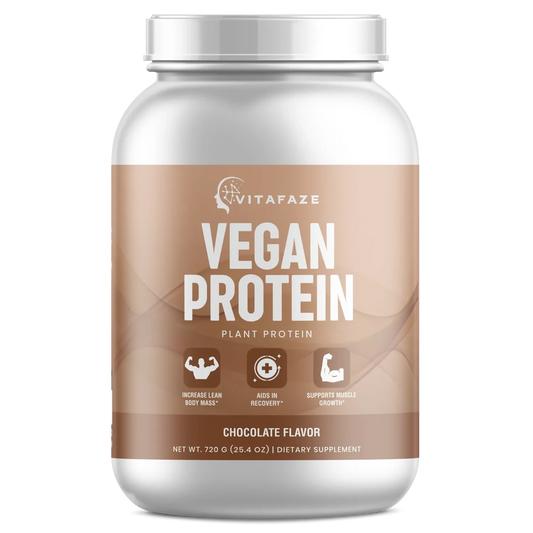
Vegan Protein Chocolate Shake from VitaFaze provides 22 grams of complete, plant-based protein per scoop from organic pea and organic brown rice protein. This combination delivers a well-rounded amino acid profile that supports muscle repair and energy production.
The formula is designed for clean eating, with just 3 grams of sugar and 140 calories per serving. Organic erythritol and stevia provide natural sweetness, while 4 grams of dietary fiber and organic acacia gum support healthy digestion. Each serving also includes 155 mg of calcium for bone health.
Consume within 60 minutes of finishing your run for optimal muscle protein synthesis. Mix with water or plant-based milk for a shake that supports recovery while satisfying your taste buds.
7. CoQ10 and Magnesium for Cellular Energy and Fatigue Management
Endurance performance ultimately comes down to cellular energy production. CoQ10 plays a central role in this process, helping your mitochondria convert nutrients into usable energy. It also acts as a potent antioxidant, defending cells against oxidative stress from prolonged exercise.
VitaFaze's CoQ10 (Ubiquinone) supports cellular energy production, cardiovascular health, and immune function. As natural CoQ10 levels decline with age and intense training, supplementation can be important for maintaining performance.
Premium Magnesium Glycinate Gummies complement CoQ10 by supporting muscle relaxation, nerve function, and sleep quality. Each gummy delivers 60 mg of magnesium glycinate, a highly bioavailable form known for its calming properties. With only 2 grams of sugar and 5 mg of sodium, they fit easily into a clean nutrition plan.
Take CoQ10 with a meal containing fat for optimal absorption. Magnesium gummies are best taken in the evening, supporting the deep sleep your body needs for recovery and fatigue management.
How to Increase Endurance Naturally: A Daily Protocol
Most guides tell you what to take, but few explain when and how to take it for maximum absorption. This is the gap we're closing here. A well-timed protocol is what separates a supplement routine that works from one that just adds expensive color to your urine.
The 5-Hour Rule for Iron and Calcium
A common mistake is taking an iron supplement with a plant-based milk or a calcium-fortified food. Calcium and iron compete for the same absorption pathways in the gut. If you take them together, you can cut iron absorption by up to 50%. The practical fix is to separate them by at least 5 hours. If you have a morning smoothie with fortified plant milk, take your iron at lunch or dinner, away from any dairy alternatives.
The Vitamin C Pairing for Plant-Based Iron
Plant-based iron (non-heme) is harder for your body to absorb than the heme iron found in meat. You can dramatically improve uptake by pairing iron-rich meals or supplements with a source of vitamin C. A glass of orange juice, a handful of strawberries, or a side of bell peppers with your meal can boost absorption by up to 300%. This is a simple, cost-free strategy that many vegan runners overlook.
The Fat-Soluble Vitamin Rule
Vitamins A, D, E, and K are fat-soluble, meaning they need dietary fat for your body to absorb them. If you take a vegan D3 supplement or a multivitamin with these on an empty stomach, you're wasting your money. Take them with a meal that contains healthy fats like avocado, nuts, seeds, or olive oil. This is especially important for vitamin D3, which is critical for bone health and immune function in runners.
A Practical Timing Schedule for Long Run Day
Here's a concrete schedule that accounts for absorption and performance, based on common sports nutrition protocols:
| Time | Supplement | Rationale | Key Interaction to Avoid |
|---|---|---|---|
| Wake Up (6:00 AM) | 16 oz water with a pinch of salt | Rehydrate after sleep and start sodium loading | None |
| Breakfast (6:30 AM) | Vitamin D3 + K2 with a meal containing fats (e.g., avocado toast) | Fat-soluble vitamins need dietary fat for absorption | Avoid calcium-fortified milk if you take iron later |
| Mid-Morning (9:00 AM) | Iron supplement (if you use one) with a glass of orange juice | Vitamin C enhances non-heme iron absorption | Take at least 5 hours away from any calcium source |
| Pre-Run (10:00 AM) | 1 scoop Beetroot (2-3 hours before start) | Allows time for nitrate-to-nitric oxide conversion | None |
| Intra-Run (12:00 PM) | 1/2 scoop Carb + Electrolytes in your water bottle | Maintains blood glucose and electrolyte balance | None |
| Post-Run (1:00 PM) | Carb + Electrolytes, then Protein Shake, then Glutamine | Glycogen replenishment first, then protein synthesis, then immune support | Wait 15-20 minutes between the carb drink and the protein shake for faster gastric emptying |
| Evening (7:00 PM) | Magnesium Glycinate | Supports muscle relaxation and sleep quality | Take away from iron, as magnesium can also interfere with iron absorption |
The 'Third-Party Tested' Filter
Before you buy any supplement, check for a third-party testing seal. The two most recognized in the United States are NSF Certified for Sport and Informed Sport. These programs test every batch for banned substances, heavy metals, and purity. This is not a nice-to-have; it's a non-negotiable for any athlete who takes their training seriously. A supplement that isn't third-party tested is an unknown variable in your training plan.
The Bottom Line on Timing
Supplement timing is not about perfection; it's about avoiding common absorption blockers and creating a repeatable routine. The most effective protocol is the one you can stick to daily. Start with the iron-calcium separation rule and the vitamin C pairing, and you'll already be ahead of most vegan runners who simply swallow pills without thinking about the chemistry.
=== FAQ ANSWERS (ARTICLE CONTENT, AUDIT EACH ONE SEPARATELY, SAME RULES) ===
Frequently Asked Questions
What supplements are essential for vegan endurance runners?
For long runs, the essential vegan endurance supplements include a vegan electrolyte powder for runners to maintain hydration, creatine for power output, and organic beetroot to support nitric oxide production. Plant-based recovery supplements like glutamine and a vegan protein shake help with muscle repair. Many vegan athletes also monitor vitamin B12, iron, and omega-3s, but the core stack for performance focuses on the ergogenic aids listed here.
Are plant-based supplements as effective as traditional endurance supplements?
Yes, when they use bioavailable ingredients. Creatine monohydrate is a synthetic compound, so a vegan creatine powder is identical to non-vegan versions. The effectiveness of plant-based recovery supplements depends on the amino acid profile and delivery form. For example, pea and rice proteins provide a complete profile when combined. The key is checking for third-party testing and avoiding fillers, which confirms the active ingredients are present in effective dosages.
What is the best way to take vegan electrolytes for long runs?
Mix one scoop of a vegan electrolyte powder for runners with 8-12 oz of cold water before a long run, and sip during the session if it lasts over 60 minutes. For runs longer than 90 minutes, a carb-electrolyte blend helps maintain glucose levels. The ION + Select formula includes beet root and coconut water powder, which support nitric oxide and hydration. Avoid taking it right before bed if it contains stimulants.
How do vegan endurance supplements support muscle recovery after a long run?
Long runs create micro-tears in muscle tissue and deplete glycogen stores. Plant-based recovery supplements like glutamine help maintain muscle protein synthesis and support immune function, which drops after intense exercise. A vegan protein shake with 22 grams of protein provides the amino acids needed for repair. Consuming these within 30-60 minutes post-run helps speed up recovery kinetics and reduces delayed soreness.
This article was written using GrandRanker