



9 Easy High Protein Vegan Shakes for Recovery
Last Updated: November 16, 2026
Quick Summary
Vegan meal replacement shakes give busy athletes a fast, no-cook way to hit protein and calorie targets, with many ready in under two minutes. They work best as a supplement to whole food rather than a replacement for every meal. Check protein grams, sugar, fiber, calories and protein sources on the label before buying.
- Many shakes are ready in under two minutes, useful when training and work compete for time.
- Check protein per serving, but compare it against your own target rather than the highest number.
- Look for a short ingredient list with recognizable plant proteins such as pea and brown rice.
- A balanced shake includes protein, liquid, fiber, fat and micronutrients, with 30 g protein per meal as a benchmark.
- Compare cost per serving by dividing the container price by the number of servings listed.
Table of Contents
- Why Vegan Meal Replacement Shakes Work for Busy Athletes
- How Much Protein a Vegan Shake Needs to Deliver
- What to Look for in a Vegan Meal Replacement Powder
- Calories, Fiber, and Greens: Reading the Label
- Easy DIY High Protein Vegan Shake Recipes With Measured Ingredients
- Using Vegan Meal Replacement Shakes for Weight Loss
- Using Vegan Meal Replacement Shakes for Weight Gain
- Budget Swaps, Allergen Notes, and Cost per Serving
- Best Vegan Meal Replacement Shakes Compared, Including VitaFaze Options
- Choosing Your Shake and Building Your Next Week of Meals
- Frequently Asked Questions
Why Vegan Meal Replacement Shakes Work for Busy Athletes
Vegan meal replacement shakes give busy athletes a fast way to hit protein and calorie targets without cooking. A shake can be ready in under two minutes, which matters when training, work and recovery all compete for the same hours.
The practical value is consistency. Athletes often skip meals after late sessions, and a shake fills the gap. It also avoids the common trap of relying on snacks that are high in sugar and low in protein.
A shake works best as a supplement to whole food, not a full replacement for every meal.
How Much Protein a Vegan Shake Needs to Deliver
Protein per serving is the first number most buyers check, and it should be. Plant proteins are often blended from several sources, such as pea and brown rice, because a mix tends to give a more complete amino acid profile than any single source alone.
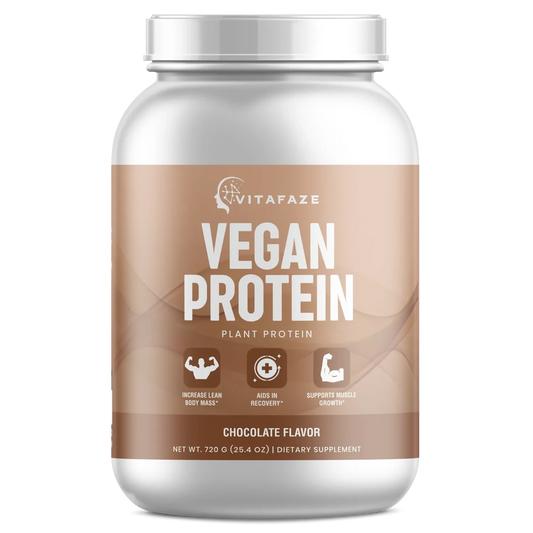
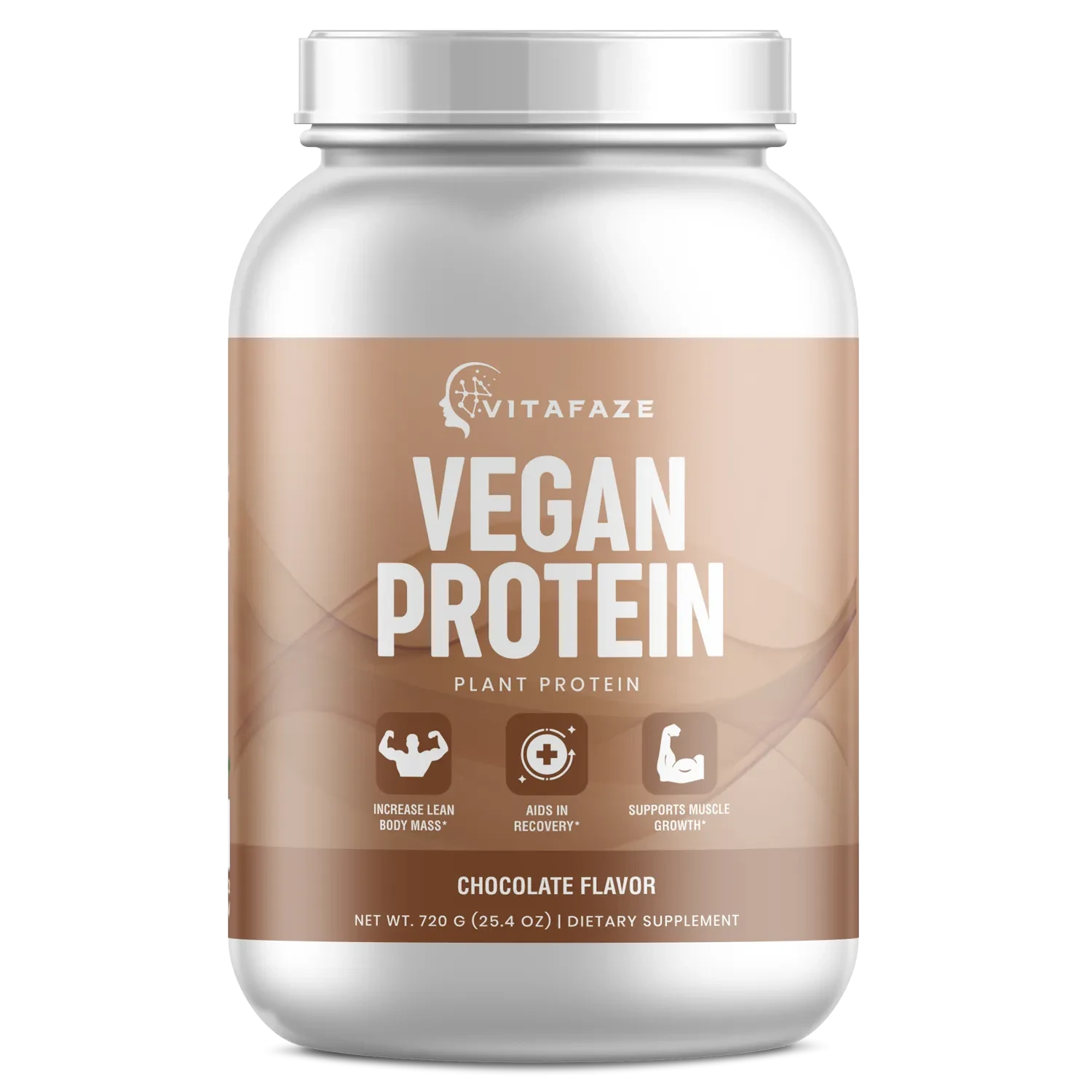
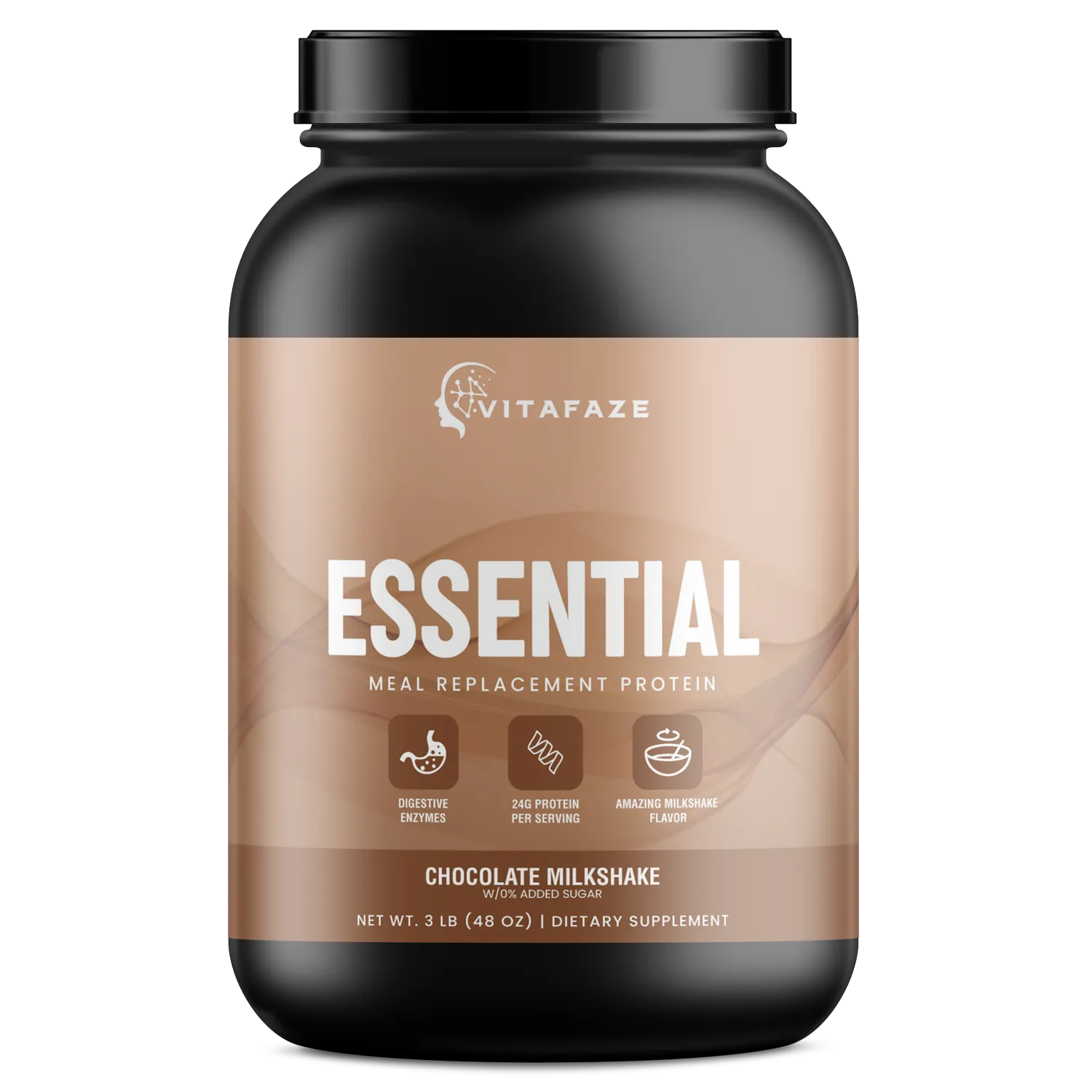
Our Vegan Protein Chocolate Shake delivers 22 grams of plant-based protein per scoop, from organic pea protein and organic brown rice protein. The Essential Meal Replacement Protein shakes provide 24 grams per serving. Match the number to your own target rather than chasing the highest figure on the label.
To estimate your need, many active people aim for a daily protein intake per kilogram of body weight, then divide that total across meals. A shake can cover one of those servings.
What to Look for in a Vegan Meal Replacement Powder
Start with the label, not the marketing. Check protein grams, sugar, fiber, calories and the protein sources listed. A short ingredient list with recognizable plant proteins is usually easier to trust than a long list of fillers.
Look for these points on the label:
- Protein source: pea, brown rice or a blend of several plant proteins
- Sugar: Lower added sugar makes it easier to fit into a daily plan
- Fiber: Helps with fullness and digestion
- Serving size: Confirm how much powder and liquid the number refers to
A common mistake is comparing protein numbers without checking the serving size. Two products can look similar until you see that one serving is larger.
Calories, Fiber, and Greens: Reading the Label
Calories decide whether a shake works as a meal or a snack. The Vegan Protein Chocolate Shake lists 140 calories per serving with 3 grams of sugar and 4 grams of dietary fiber. The Essential Meal Replacement shakes list 5 grams of fiber per serving and zero added sugar.
Fiber is the number most people underestimate. It supports digestion and keeps you full longer, which helps when a shake stands in for a meal. Greens and added micronutrients are a bonus, but they should not outweigh protein and fiber on your priority list.
Easy DIY High Protein Vegan Shake Recipes With Measured Ingredients
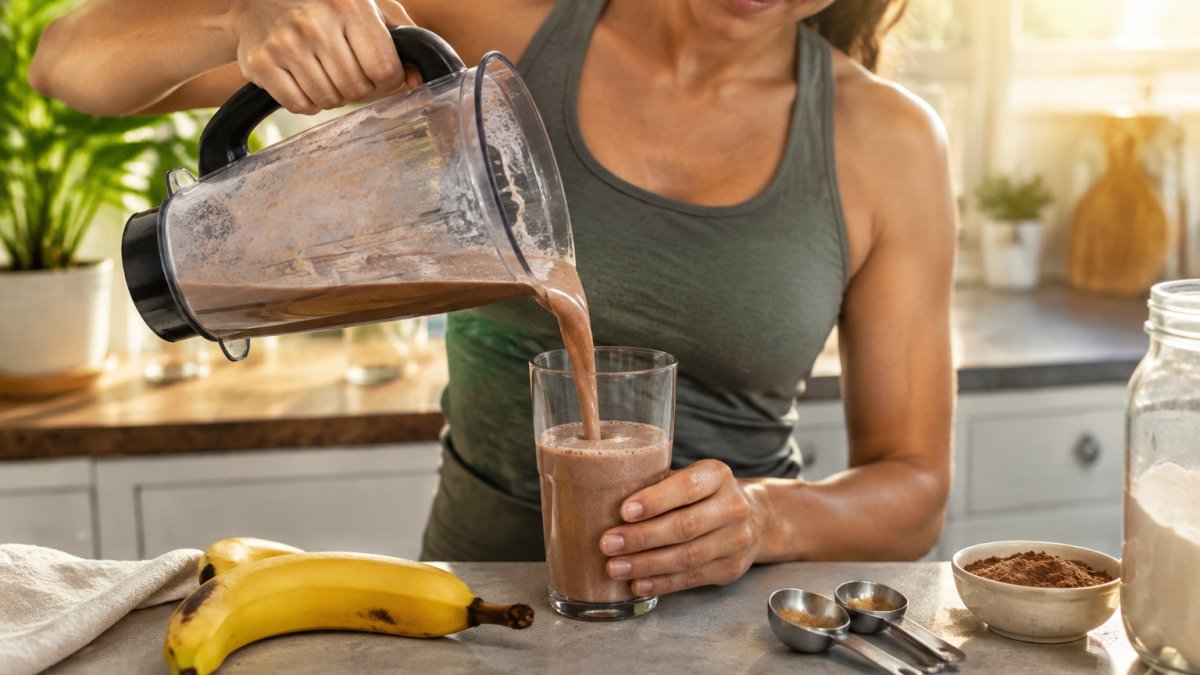
A homemade shake is the fastest way to control protein, calories and cost. The trick is to measure the first few times, then lock in a repeatable ratio. A reliable base formula is: 1 scoop (about 30 g) vegan protein powder + 1 cup (240 ml) unsweetened plant milk + 1/2 frozen banana (about 60 g) + 1 tbsp (16 g) peanut butter. That lands near 30 g protein and roughly 350 calories, depending on the powder.
Here are four measured recipes, each built to hit a different job. Protein estimates assume a powder with 22-24 g protein per 30 g scoop; check your label and adjust.
1. Chocolate Recovery Shake (post-training)
- 1 scoop (30 g) chocolate vegan protein powder
- 1 cup (240 ml) unsweetened soy milk
- 1/2 frozen banana (60 g)
- 1 tbsp (16 g) peanut butter
- 1 tsp (3 g) cocoa powder
- 1/2 cup (120 ml) cold water
Blend 45-60 seconds. Estimated: ~32 g protein, ~360 calories, ~6 g fiber. The soy milk adds complete protein and a creamier texture than almond milk.
2. Vanilla Oat Breakfast Shake (meal replacement)
- 1 scoop (30 g) vanilla vegan protein powder
- 1 cup (240 ml) unsweetened oat milk
- 1/4 cup (20 g) rolled oats
- 1 tbsp (12 g) chia seeds
- 1/2 tsp (2 g) vanilla extract
- Pinch of salt
Blend 60 seconds, then rest 5 minutes so the oats and chia hydrate. Estimated: ~30 g protein, ~420 calories, ~9 g fiber. This is the closest homemade match to a meal replacement because the oats and chia add slow carbohydrates and fiber.
3. Green Protein Shake (lower calorie)
- 1 scoop (30 g) unflavored or vanilla vegan protein powder
- 1 cup (240 ml) unsweetened almond milk
- 1 packed cup (30 g) baby spinach
- 1/2 cup (75 g) frozen mango
- 1 tbsp (7 g) hemp seeds
- Juice of 1/2 lime
Blend 60 seconds until no spinach flecks remain. Estimated: ~28 g protein, ~260 calories, ~5 g fiber. The lime cuts the grassy note that greens can leave behind.
4. Peanut Butter Banana Gain Shake (calorie surplus)
- 1 scoop (30 g) chocolate vegan protein powder
- 1 cup (240 ml) unsweetened soy milk
- 1 whole frozen banana (120 g)
- 2 tbsp (32 g) peanut butter
- 1/4 cup (20 g) rolled oats
- 1 tbsp (7 g) ground flaxseed
Blend 60 seconds. Estimated: ~36 g protein, ~620 calories, ~10 g fiber. This is the recipe to use when the goal is weight gain, not weight loss.
Protein targets, not guesswork. Most active adults do well with roughly 1.4-2.0 g of protein per kilogram of body weight per day (about 0.6-0.9 g per pound), spread across three to four eating occasions. For a 150 lb (68 kg) person, that is roughly 95-135 g per day, or about 25-35 g per meal. A shake with 30 g of protein covers one of those occasions cleanly. Adjust upward for heavy training or a physical job, and downward for lighter activity.
The balanced-shake formula. Every shake should have five parts: a protein base, a liquid, a fiber source, a fat source, and a micronutrient source. Protein powder covers the base; plant milk covers the liquid; oats, chia, flax or frozen fruit cover fiber; nut butter, seeds or avocado cover fat; spinach, berries or cocoa cover micronutrients. If a shake leaves you hungry within an hour, it is usually missing fiber or fat, not protein.
Allergen swaps. Soy milk can become oat, pea or coconut milk. Peanut butter can become sunflower seed butter or tahini. Oats can become quinoa flakes or cooked white rice. Chia can become ground flax or hemp hearts. Pea protein can become brown rice, soy or pumpkin seed protein. Always re-read the powder label: many plant protein blends share equipment with soy, tree nuts or wheat.
Texture troubleshooting. Thin shake: add 1/4 cup (20 g) oats or 1/2 cup (60 g) ice. Gritty shake: blend 30 seconds longer, or use a finer powder and soak chia or flax for 5 minutes first. Overly sweet shake: cut the banana in half, use unsweetened milk, and add a pinch of salt or 1/2 tsp cocoa. Too thick: add water 2 tbsp at a time.
Meal prep and storage. Portion dry ingredients (powder, oats, chia, cocoa) into jars or bags the night before; add liquid and frozen fruit at blend time., shake hard before drinking, because separation is normal. Do not leave a blended shake at room temperature for more than 2 hours. Freeze leftover half-bananas on a sheet tray so they blend smoothly instead of clumping.
The Vegan Protein Chocolate Shake can serve as a ready-made base for these recipes: ready-made chocolate vegan protein shake.
Using Vegan Meal Replacement Shakes for Weight Loss
For weight loss, the main goal is a calorie deficit that you can sustain. A shake can help by giving a measured, lower-calorie meal when you are short on time. Pair it with vegetables or a piece of fruit to add volume and fiber.
The Essential Meal Replacement Protein shakes are an option for this use, with no added sugar and 5 grams of fiber per serving. Keep track of the total calories across the day, not just the shake.
Many people find it easier to stick to a plan when they have one reliable option ready. For a chocolate option designed as a meal replacement, see the chocolate milkshake meal replacement.
Using Vegan Meal Replacement Shakes for Weight Gain
For weight gain, shakes can add calories quickly without a large meal. Add a serving of nut butter, oats or a frozen banana to raise the calorie count, and track the result for two to three weeks before changing it.
Watch the sugar if you add sweet ingredients, and keep protein at a level that supports your training. A shake should support a surplus, not replace the whole diet.
A vanilla option gives you a different flavor for a higher-calorie routine. The vanilla meal replacement milkshake has 24 grams of protein per serving and no added sugar.
Budget Swaps, Allergen Notes, and Cost per Serving
Cost per serving is the only fair comparison between a powder and a homemade shake. Divide the container price by the number of servings listed on the label. Our Vegan Protein Chocolate Shake costs $32.97 for a 1.5 lb container. The Essential Meal Replacement shakes cost $33.32 for a 2.9 lb container.
Homemade cost per serving. Using the Chocolate Recovery Shake recipe above, the ingredient cost breaks down roughly like this at typical grocery prices: protein powder (about $1.10-$1.50 per scoop), 1 cup soy milk (about $0.40), 1/2 banana (about $0.25), 1 tbsp peanut butter (about $0.15), cocoa and water (about $0.05). That puts a homemade shake at roughly $1.95-$2.35 per serving. A ready-made meal replacement lands in a similar range per serving but removes all prep time, which is the real trade-off for busy athletes.
Budget swaps that keep protein high.
- Protein powder → buy the largest tub you will finish in 8-10 weeks; store it cool and dry.
- Plant milk → powdered or shelf-stable plant milk is often cheaper per cup than refrigerated cartons.
- Nut butter → peanut butter is usually the cheapest nut butter; sunflower seed butter is the cheapest seed alternative.
- Frozen fruit → buy bags of frozen bananas, mango and berries instead of fresh; they are cheaper, last longer, and make a colder, thicker shake.
- Fiber → rolled oats and chia bought in bulk cost pennies per tablespoon.
- Greens → frozen spinach costs less than fresh and blends without waste.
Allergen notes and swaps. Plant proteins are not automatically allergen-free. Common issues:
- Soy: present in soy protein isolate and soy milk. Swap to pea, brown rice or oat milk.
- Tree nuts: present in almond milk and many nut butters. Swap to oat milk and sunflower seed butter.
- Peanut: swap to sunflower seed butter or tahini.
- Wheat/gluten: oats are often cross-contaminated; choose certified gluten-free oats.
- Legumes: pea and peanut are both legumes; if legumes are a problem, choose brown rice or hemp protein.
Read the full ingredient statement and the "may contain" line on every powder, because shared equipment is common in the supplement industry. If you have a diagnosed allergy, treat the label as the final authority, not the front-of-package claims.
When the ready-made option wins. If your week is packed, the time saved by a pre-measured shake is worth more than the few cents per serving you might save blending your own. Use homemade shakes on days you have five minutes and the ready-made shake on days you do not, that mix is usually the cheapest sustainable plan.
Best Vegan Meal Replacement Shakes Compared, Including VitaFaze Options
The Vegan Protein Chocolate Shake is built for recovery, with 22 grams of protein and 4 grams of fiber per serving.
Vegan Protein Chocolate Shake (1.5 lb), $32.97
- Protein: 22 g per serving
- Calories: 140 per serving
- Sugar: 3 g
- Fiber: 4 g
- Best for: Recovery-focused athletes who want a low-sugar chocolate shake
- Skip if: You need a meal replacement with more calories per serving
2.9 lb Essential Meal Replacement, Chocolate, $33.32
- Protein: 24 g per serving
- Fiber: 5 g
- Sugar: 0 g added
- Best for: Meal replacement with a chocolate milkshake flavor
- Skip if: You want a lower-calorie option; check the label for calories
2.9 lb Essential Meal Replacement, Vanilla, $33.32
- Protein: 24 g per serving
- Fiber: 5 g
- Sugar: 0 g added
- Best for: Anyone who prefers vanilla and wants no added sugar
- Skip if: You want a chocolate flavor
The three shakes compared in the article differ mainly in price, protein and sugar per serving.
| Product | Protein per serving | Price |
|---|---|---|
| Vegan Protein Chocolate Shake (1.5 lb) | 22 g | $32.97 |
| Essential Meal Replacement, Chocolate (2.9 lb) | 24 g | $33.32 |
| Essential Meal Replacement, Vanilla (2.9 lb) | 24 g | $33.32 |
Protein per serving
Choosing Your Shake and Building Your Next Week of Meals
Start by choosing the job the shake needs to do: recovery, a meal replacement or a calorie boost. Then pick the flavor and check the label against your protein, sugar and fiber targets.
Plan the week before you buy. Choose two shake days and three whole-food meals, and note the cost per serving so you can track the budget.
Ready to start? Shop All Products.
Frequently Asked Questions
What is the best vegan meal replacement shake?
The best vegan meal replacement shake depends on your protein target, calorie goal, and taste preference. Look for a product with at least 20g of plant protein per serving, a blend of sources such as pea and brown rice protein, and a short ingredient list. VitaFaze's Essential Meal Replacement Protein offers 24g of protein and 5g of fiber per serving with no added sugar, and its Vegan Protein Chocolate Shake provides 22g of protein and 140 calories. Compare labels per serving, not per container, before choosing.
How much protein should a vegan meal replacement shake contain?
A meal replacement shake should provide a substantial share of your daily protein, typically 20g to 30g per serving. To estimate your needs, multiply your body weight in pounds by 0.7 to 1 for a general target in grams, then divide across your daily meals. Vegan protein blends often need a larger serving than whey to match the same amount of protein, so check the grams listed on the label and adjust scoops accordingly.
Can vegan meal replacement shakes help with weight loss?
They can help with weight loss when they replace a higher-calorie meal and keep your total daily intake in a deficit. A shake with roughly 140 calories, high protein, and fiber can keep you full for longer than a sugary snack. Results still depend on your total calories, activity level, and overall diet, so use shakes as one part of a plan rather than a standalone fix.
Can vegan meal replacement shakes help with weight gain?
Yes, if you add calorie-dense ingredients such as oats, nut butter, banana, or avocado to the base shake. A shake with 400 to 600 calories taken between meals can support a calorie surplus when paired with strength training. Track your weight over two to three weeks and adjust by adding or removing about 100 calories per day until your progress matches your goal.
