



Essential Vitamins for Women on a Plant-Based Diet
Last Updated: November 16, 2026
Quick Summary
The essential vitamins for women on a plant-based diet are vitamin B12, vitamin D, iron, calcium, omega-3 fatty acids, iodine, and zinc. Vitamin B12 is the one nutrient no unfortified plant food supplies reliably, so a daily supplement or fortified foods are non-negotiable. Fortified foods and well-chosen supplements can cover nearly every gap.
- Vitamin B12 supports nerve function and red blood cell formation, and plant foods contain it only when fortified.
- Adult women need 18 mg of iron daily, and pairing iron-rich meals with vitamin C improves absorption.
- Most people need a vitamin D supplement because few plant foods contain natural vitamin D.
- Calcium needs rise to 1,200 mg per day for women over 50 to protect bone density.
- Blood tests for B12, ferritin, and vitamin D show which supplements you actually need.
Table of Contents
- Why a Plant-Based Diet Leaves Nutrient Gaps for Women
- Vitamin B12 on a Vegan Diet: The One Nutrient Food Won't Cover
- Iron-Rich Plant-Based Foods for Women and How to Absorb Them
- Vitamin D and Calcium on a Plant-Based Diet
- Omega-3s, Iodine, and Zinc: The Overlooked Essentials
- How Women's Needs Shift Across Life Stages
- Choosing the Best Vegan Multivitamin for Women
- Dosage, Timing, and Safe Upper Limits
- Should You Get Blood Tests Before Taking Supplements?
- Build Your Own Plant-Powered Nutrient Plan
- Frequently Asked Questions
Why a Plant-Based Diet Leaves Nutrient Gaps for Women
A plant-based diet can be one of the healthiest eating patterns available, but it takes deliberate planning to meet every nutrient need. The reason is simple: several essential vitamins for women on a plant-based diet come primarily from animal products, or from plant compounds the body absorbs less efficiently.
This guide breaks down which nutrients matter most, where to find them, and how to close the gaps without guesswork.
Nutrient gaps happen when a diet consistently falls short of a vitamin or mineral the body needs. On a vegan diet, the most common shortfalls are vitamin B12, vitamin D, iron, calcium, omega-3 fatty acids, iodine, and zinc. Women face added pressure because iron losses and bone health needs shift across life stages.
The good news: fortified foods and well-chosen supplements can cover nearly every gap. The catch is knowing which ones actually matter and how to absorb them. Below, we'll show you exactly how to build a plan that holds up.
Vitamin B12 on a Vegan Diet: The One Nutrient Food Won't Cover
Vitamin B12 is the nutrient no unfortified plant food supplies in reliable amounts. It supports nerve function, red blood cell formation, and energy metabolism, and a deficiency can develop slowly over months or years.
The NIH Office of Dietary Supplements fact sheet on vitamin B12 confirms that plant foods do not naturally contain B12 unless they are fortified or contaminated. That makes vitamin B12 on a vegan diet a non-negotiable item, not an optional one.
Fortified Foods vs. B12 Supplements
Fortified foods and B12 supplements both work, but they suit different habits. Fortified plant milks, cereals, and nutritional yeast can contribute meaningful amounts if you eat them daily and check labels. Supplements are more predictable, especially for women who travel or eat irregularly.
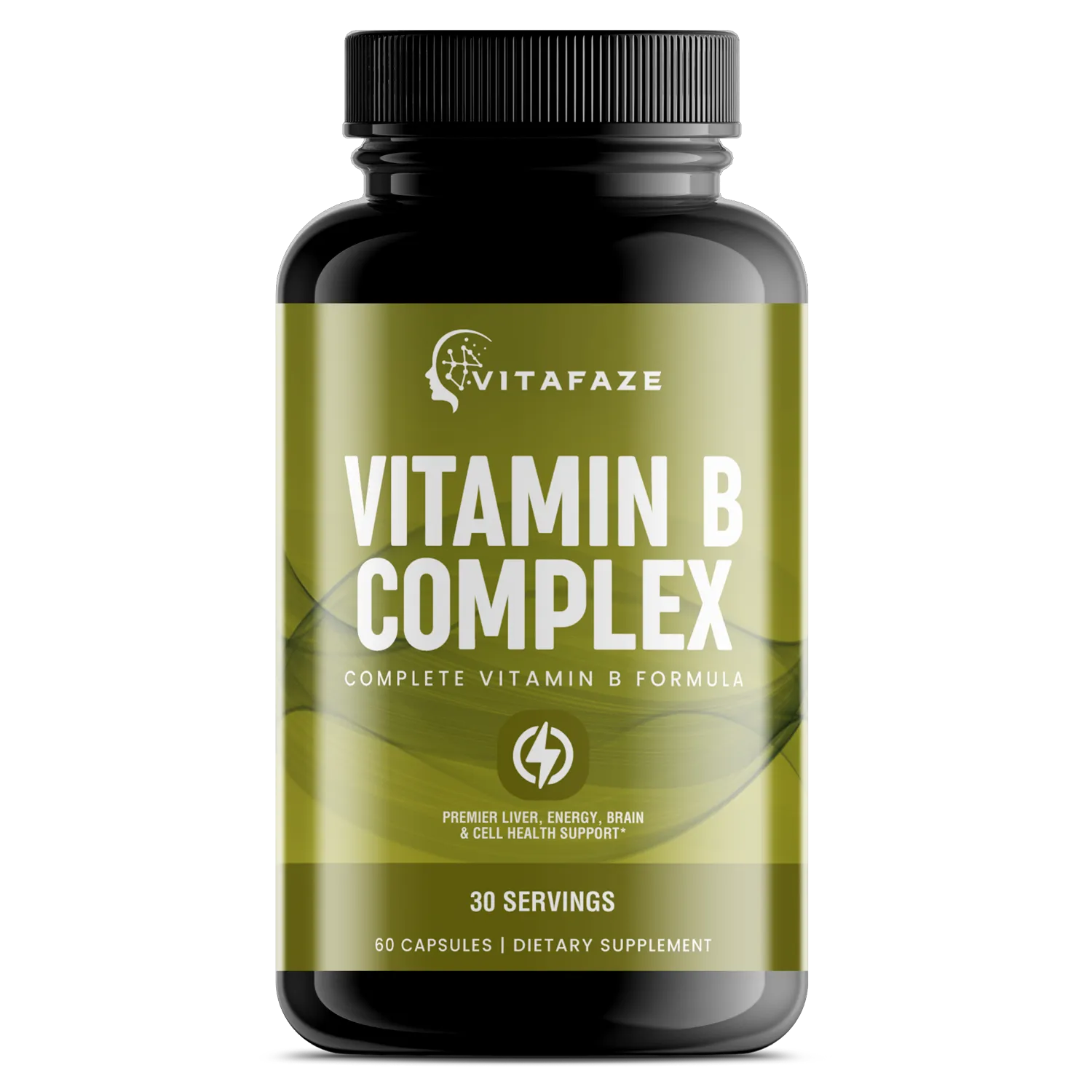
A common mistake is assuming fermented foods like tempeh or seaweed cover B12. They don't reliably. If you want a supplement that pairs B vitamins together, our Vitamin B Complex delivers all eight B vitamins in one capsule. For a dedicated look at dosing and product options, see our guide to the best vegan iron and B12 supplements.
Iron-Rich Plant-Based Foods for Women and How to Absorb Them
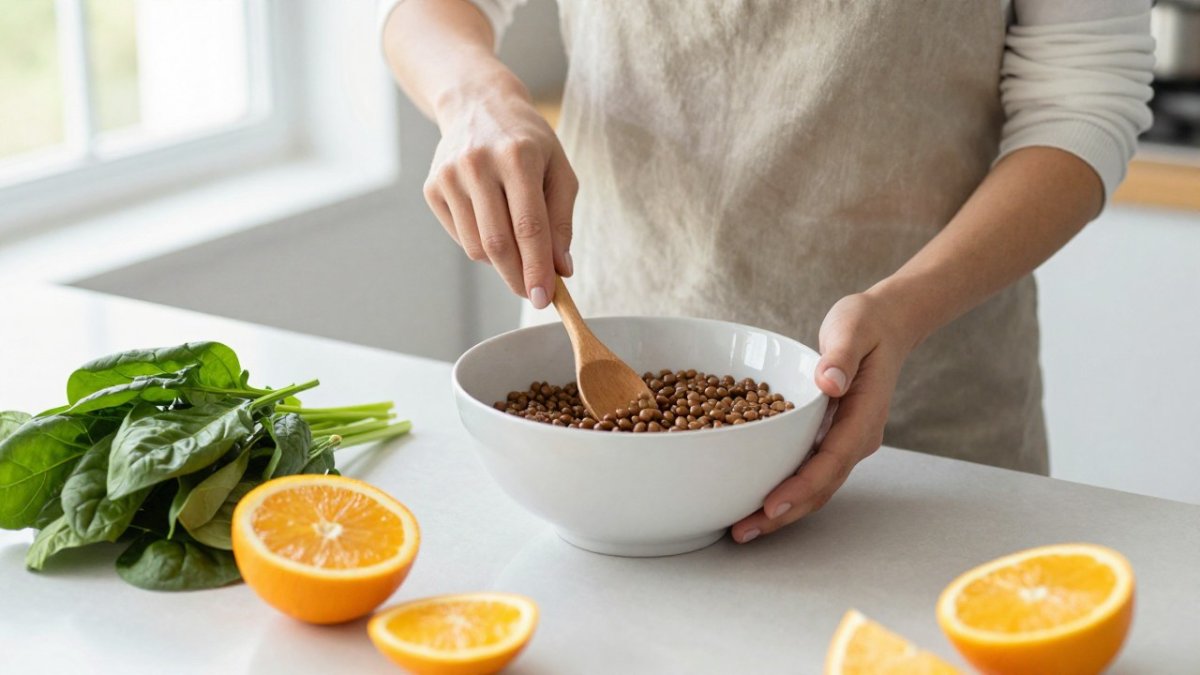
Iron deficiency is one of the most common nutrient gaps for women, largely because menstrual losses raise daily needs. Plant sources provide non-heme iron, which the body absorbs less efficiently than the heme iron in meat. Pairing matters more than portion size.
Iron-rich plant-based foods for women include:
- Lentils, chickpeas, and black beans
- Tofu and tempeh
- Spinach, kale, and Swiss chard
- Pumpkin seeds and sesame seeds
- Fortified cereals and oats
Vitamin C is a helpful absorption partner. A squeeze of citrus, a handful of bell pepper, or a side of tomatoes with a lentil dish helps your body take in more of the iron on the plate. Coffee and tea can reduce iron absorption, so it helps to drink them between meals rather than with them. For a deeper look at symptoms and management, read our guide on plant-based iron deficiency.
Vitamin D and Calcium on a Plant-Based Diet
Vitamin D and calcium work as a team, and both deserve attention on a vegan diet. Vitamin D supports calcium absorption and bone health, while calcium builds the structure bones depend on. Bone density can decline after menopause, which makes this pair especially important.
Few plant foods contain natural vitamin D. Fortified plant milks, some mushrooms exposed to UV light, and fortified cereals contribute small amounts. Most people need a supplement to reach adequate levels, and the NIH vitamin D fact sheet notes that sun exposure varies too much by season and skin tone to rely on alone.
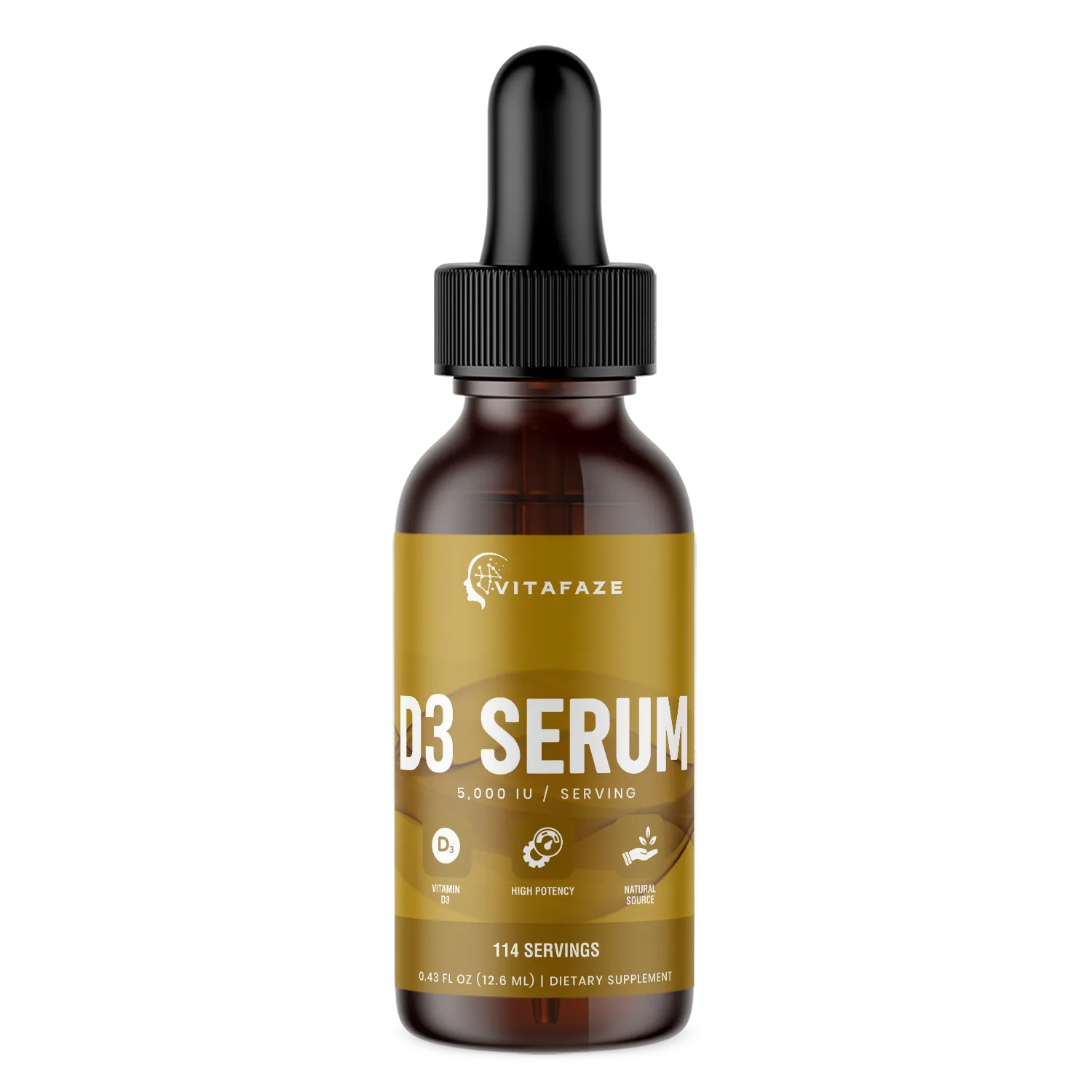
Calcium is easier to source from plants: fortified plant milks, tofu made with calcium sulfate, tahini, almonds, and leafy greens like collards and bok choy all contribute. Our Liquid D3 Ultra provides 5,000 IU of vitamin D3 per serving in a fat-soluble liquid form.
Omega-3s, Iodine, and Zinc: The Overlooked Essentials
Three nutrients quietly slip through the cracks on many plant-based diets: omega-3s, iodine, and zinc. Each plays a distinct role, and each has plant-friendly solutions.
Omega-3 fatty acids support heart and brain health. Plant sources like flaxseed, chia seeds, walnuts, and hemp seeds supply ALA, but the body converts ALA to the long-chain omega-3s EPA and DHA inefficiently. A vegan omega-3 supplement sourced from algae can cover that gap. Our guide on how to choose omega-3 supplements for vegans walks through what to check on the label.
Iodine supports thyroid health, and plant-based eaters can fall short if they avoid iodized salt and sea vegetables. Small amounts of iodized salt or a supplement help.
Zinc supports immune function and is found in beans, nuts, seeds, and whole grains. Phytates in these foods reduce absorption, so soaking and sprouting help. Our zinc guide covers daily targets in detail.
How Women's Needs Shift Across Life Stages
Most plant-based nutrient guides treat "women" as one category. That is the biggest blind spot in the category. A 22-year-old with heavy periods, a 34-year-old who is breastfeeding, and a 54-year-old in perimenopause have materially different nutrient priorities, and a plant-based diet should be adjusted at each stage rather than set once.
The table below summarizes how priorities shift. Amounts reflect the National Institutes of Health Office of Dietary Supplements' recommended dietary allowances for adult women, which most clinicians use as a starting frame.
| Life stage | Nutrients that deserve extra attention | Why the plant-based diet raises the stakes |
|---|---|---|
| Menstruating years (roughly teens to late 40s) | Iron, folate, vitamin B12 | Menstrual blood loss raises iron needs to 18 mg per day for adult women; non-heme plant iron is absorbed less efficiently, so pairing with vitamin C matters |
| Pregnancy | B12, iodine, choline, vitamin D, folate, iron | Fetal development depends on B12 and iodine; plant-based pregnancies need a clinician-guided plan and reliable B12 supplementation |
| Breastfeeding | B12, iodine, choline, vitamin D, calcium | Milk production draws on maternal stores; B12 and iodine intake directly affect the infant's supply |
| Perimenopause and after menopause | Calcium, vitamin D, vitamin B12, omega-3s | Bone density declines faster after menopause; B12 absorption also falls with age |
| Highly active or athletic | Iron, zinc, protein, vitamin D | Training increases iron losses through sweat and foot-strike hemolysis, and energy needs rise |
A few stage-specific notes are worth spelling out.
Menstruating years. Iron is the nutrient most likely to fall short. The recommended intake is 18 mg per day for adult women, versus 8 mg for men, and plant sources of iron are absorbed less efficiently than heme iron from meat. A woman with heavy periods may need more than the RDA, which is a conversation to have with a clinician rather than a number to guess.
Pregnancy and breastfeeding. B12 and iodine are the two nutrients where a shortfall carries the clearest risk to the baby. The RDA for B12 rises to 2.6 mcg during pregnancy and 2.8 mcg during breastfeeding, and iodine rises to 220 mcg and 290 mcg respectively. Because unfortified plant foods do not supply reliable B12, a prenatal that includes B12 and iodine, and that is verified vegan, is the practical baseline. Folate needs also rise to 600 mcg during pregnancy, and fortified foods and supplements are the reliable sources.
Perimenopause and after menopause. Calcium needs rise to 1,200 mg per day for women over 50, and vitamin D remains essential for absorption. Because B12 absorption declines with age, many clinicians recommend fortified foods or a supplement for women over 50 regardless of diet pattern.
Athletes. Iron losses rise with training volume, and zinc losses rise with sweat. Female athletes on plant-based diets should treat iron and zinc as nutrients to monitor, not assume.
Watch out: life-stage advice is not a substitute for a clinician's review, especially during pregnancy, breastfeeding, or when managing a thyroid condition, because iodine and iron needs can interact with medication timing.
A second layer most guides skip is diet pattern. A fully vegan diet excludes all animal products and needs a reliable B12 source plus attention to iodine, vitamin D, and long-chain omega-3s. A mostly plant-based diet that includes occasional eggs, dairy, or fish may cover B12 and iodine through those foods, shifting the priority to iron, zinc, and omega-3s. A vegetarian diet that includes dairy and eggs usually covers B12 and calcium but may still fall short on iron, zinc, and long-chain omega-3s. Identifying which pattern you actually follow is the fastest way to narrow the list of nutrients worth tracking.
Choosing the Best Vegan Multivitamin for Women
A vegan multivitamin is a supplement that combines several vitamins and minerals in one product, formulated without animal-derived ingredients. The best vegan multivitamin for women covers the nutrients plant-based diets most often miss and uses forms the body can absorb.
Look for these markers on any label:
- B12 in an active form, such as methylcobalamin
- Vitamin D3 from lichen rather than lanolin
- Iron and calcium listed with amounts, not just "proprietary blend"
- Third-party testing or GMP certification
- No animal-derived ingredients such as gelatin, carmine, or lanolin
Comparison Table: What to Look For
| Feature | What to Check | Why It Matters |
|---|---|---|
| B12 form | Methylcobalamin or cyanocobalamin | Active, absorbable forms |
| Vitamin D source | Lichen-derived D3 | Vegan-approved, effective |
| Iron amount | Listed in mg per serving | Matches your lab results |
| Omega-3 source | Algae-based EPA/DHA | Covers long-chain gaps |
| Certification | GMP or third-party tested | Confirms purity and potency |
For women who want a single starting point, our Vitamin B Complex covers the full B family, while our Plant Source Vitamin C supports iron absorption and immune function.
Dosage, Timing, and Safe Upper Limits
Getting the dose right matters as much as choosing the right nutrient. Too little leaves gaps; too much can cause problems, particularly with fat-soluble vitamins and minerals. The numbers below come from the NIH Office of Dietary Supplements' recommended dietary allowances and tolerable upper intake levels for adult women, which is the frame most clinicians use.
| Nutrient | Daily target for adult women | Tolerable upper limit | Practical timing note |
|---|---|---|---|
| Vitamin B12 | 2.4 mcg | Not established | Morning with food; absorption is limited per dose, so split larger doses |
| Vitamin D | 600 IU (800 IU after age 70) | 4,000 IU | With a meal containing fat |
| Iron | 18 mg (8 mg after menopause) | 45 mg | With vitamin C; away from coffee, tea, and calcium |
| Calcium | 1,000 mg (1,200 mg after age 50) | 2,500 mg | Split into doses under 500 mg |
| Zinc | 8 mg | 40 mg | With food to reduce nausea; separate from iron if possible |
| Iodine | 150 mcg | 1,100 mcg | Consistent daily intake matters more than timing |
| Omega-3 (ALA) | 1.1 g | Not established for ALA | With a meal containing fat |
A few mechanics explain the timing advice. B12 absorption relies on a transport protein that saturates at roughly 1-2 mcg per dose, which is why a 1,000 mcg tablet delivers far less than the label suggests and why splitting doses or using fortified foods throughout the day can be more efficient than one large dose. Vitamin D is fat-soluble, so taking it with a meal that contains some fat improves absorption. Iron absorbs best in the presence of vitamin C and is blocked by the tannins in coffee and tea and by calcium, so a cup of coffee with breakfast can undercut an iron-rich meal.
Watch out: calcium and iron can compete for absorption when taken together, so separating them by a few hours is a common approach.
Supplement labels list amounts per serving on the Supplement Facts panel, which makes label comparison straightforward. The upper limits are the numbers to respect: vitamin D above 4,000 IU per day, iron above 45 mg, and zinc above 40 mg are the ceilings for adult women without clinician supervision. Zinc is worth calling out because long-term intake above the upper limit can interfere with copper absorption.
A practical daily rhythm that most practitioners find workable: B12 and a multivitamin with breakfast, vitamin D with a meal that contains fat, iron with a vitamin C source between meals or with a light meal, and calcium split across the day. Revisit the plan after a few months with lab work rather than adjusting doses by feel.
Should You Get Blood Tests Before Taking Supplements?
Blood tests are the most reliable way to know which supplements you actually need. Testing removes the guesswork and prevents over-supplementing nutrients you already have in range.
A basic panel for plant-based women may include vitamin B12, ferritin (stored iron), vitamin D, and a thyroid check for iodine status. Many clinicians also order a complete blood count to catch anemia early. Test before you start a new supplement and again after a few months to confirm the plan is working.
Symptoms like fatigue or brain fog can have several causes, and a test can help identify which one is involved. Ask your clinician which markers make sense for your stage of life, then adjust your supplement plan from there.
Build Your Own Plant-Powered Nutrient Plan
A plant-based diet can meet many nutrient needs with the right structure. Start with B12 as a daily baseline, add vitamin D and an algae omega-3, then layer in iron, calcium, iodine, and zinc based on your food intake and lab results.
Here's a simple weekly check to keep the plan on track:
- Take B12 every day, from a supplement or fortified food
- Pair iron-rich meals with a vitamin C source
- Get vitamin D from a supplement or fortified milk
- Include omega-3 seeds or an algae supplement daily
- Use iodized salt in cooking
- Review your supplement plan at each life stage
At VitaFaze, we build plant-powered nutrition for active people who want clean, bioavailable ingredients. Our formulas are designed to support muscle recovery and bridge nutritional gaps. Get started with VitaFaze and shop our products.
Frequently Asked Questions
What vitamins might be missing from a vegan diet?
The nutrients most often short on a plant-based diet are vitamin B12, vitamin D, iron, calcium, omega-3 fatty acids, iodine, and zinc. B12 is the only one that cannot come from unfortified plant foods, so it always needs a supplement or fortified products. Iron and zinc are present in plant foods but absorb less efficiently than from animal sources, so pairing them with vitamin C helps. Vitamin D depends on sun exposure and fortification, and long-chain omega-3s are scarce unless you eat algae-based sources.
Do women on a plant-based diet need iron supplements?
Not automatically. Iron-rich plant-based foods for women include lentils, chickpeas, tofu, spinach, and fortified cereals, and pairing them with vitamin C boosts absorption. Menstruating women lose iron monthly, so a blood test is the smart first step before supplementing. If ferritin or hemoglobin comes back low, a healthcare provider can recommend a dose. Taking iron without a deficiency can cause digestive upset and is not recommended.
How can women get enough calcium and vitamin D on a plant-based diet?
Calcium comes from fortified plant milks, tofu set with calcium, leafy greens like kale and bok choy, and tahini. Vitamin D is harder: it comes from sun exposure and fortified foods, and many women need a supplement, especially in winter or with limited sun. Vitamin D and calcium on a plant-based diet work together, since vitamin D helps your body absorb calcium. Aim for a D3 supplement and calcium-rich foods daily.
Should women get blood tests before taking supplements?
Yes, testing is the most reliable way to know what you actually need. A basic panel covering vitamin B12, vitamin D, ferritin, and thyroid markers gives you a baseline, and you can retest after a few months. This prevents guessing and helps you avoid excess intake of nutrients like iron. Bring results to a healthcare provider who can tailor doses to your levels and life stage.
