



Best Vegan Iron and B12 Supplements for 2026
Table of Contents
- Why Vegan Iron and B12 Supplementation Matters for Plant-Based Athletes
- Quick Comparison Table: VitaFaze Vegan Iron and B12 Supplements
- How to Get Enough B12 on a Vegan Diet
- Plant-Based Sources of Iron and Iron Absorption Factors
- Combining Iron and Vitamin C for Absorption
- Signs of Iron Deficiency in Vegans
- VitaFaze B12 Drops: Liquid Delivery for Maximum Absorption
- VitaFaze Fermented B Complex Options: Probiotic-Enhanced Bioavailability
- VitaFaze Vitamin B Complex Capsules: Complete B Vitamin Support
- How to Choose the Right Vegan Iron and B12 Supplement for Your Needs
- Frequently Asked Questions
Last Updated: September 18, 2026
Why Vegan Iron and B12 Supplementation Matters for Plant-Based Athletes
Plant-based athletes face a unique challenge: maintaining peak performance without relying on animal-derived nutrients that naturally contain iron and B12, which is why vegan iron b12 supplements have become essential. These two micronutrients are critical for oxygen transport, energy production, and muscle recovery. Without adequate levels, even the most dedicated training regimen stalls.
Many plant-based athletes discover too late that food sources alone cannot meet their mineral and vitamin demands during intense training. Targeted vegan iron b12 supplements can bridge this gap effectively when chosen correctly.
The challenge is bioavailability, how efficiently your body absorbs and uses these nutrients. Non-heme iron from plants absorbs at roughly one-third the rate of heme iron from animal products. Most plant foods contain little to no naturally occurring B12, making fortified products and supplementation essential.
This guide explains absorption science, compares delivery formats, and shows how VitaFaze products address the specific nutritional demands of plant-based athletes.
Quick Comparison Table: VitaFaze Vegan Iron and B12 Supplements
| Product | Format | Price | Best For | Key Feature |
|---|---|---|---|---|
| B-12 Drops 2oz | Liquid drops | $26.98 | Quick daily dosing | High absorption, easy dosing |
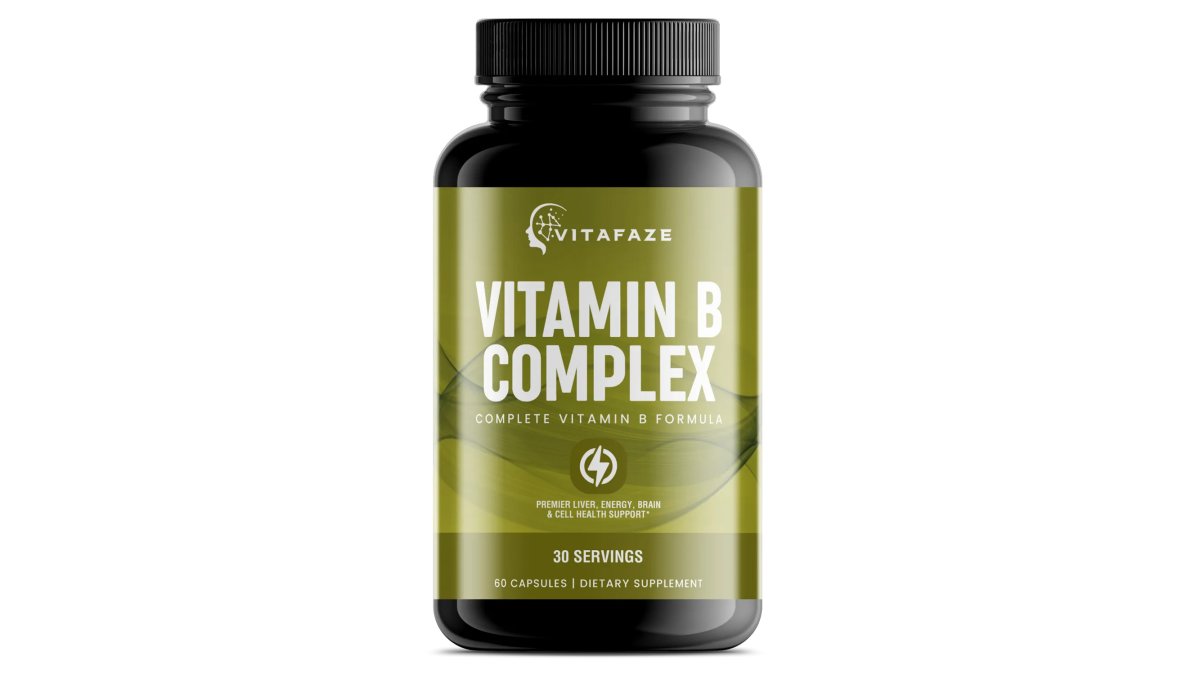
| Vitamin B Complex | Capsules | $27.49 | Complete B support | All 8 essential B vitamins |
| Fermented B Complex 2 fl oz | Liquid fermented | $53.94 | Enhanced bioavailability | Probiotic-fermented formula |
| Fermented B Complex 8 fl oz | Liquid fermented | $125.94 | Long-term supply | Probiotic-enhanced, bulk option |
How to Get Enough B12 on a Vegan Diet
B12 is the nutrient that stops most plant-based athletes cold. Your body cannot synthesize it, plants don't produce it naturally, and it exists almost exclusively in animal products. For vegans, supplementation or fortified foods become non-negotiable.


The recommended daily intake for adults is 2.4 micrograms; athletes in heavy training may need 3-5 micrograms daily. Missing this threshold triggers fatigue, brain fog, and delayed recovery, symptoms that mimic overtraining but stem from micronutrient deficiency.
Plant-Based Sources of B12
Fortified foods represent the most practical plant-based B12 source: nutritional yeast, fortified plant milks, cereals, and meat alternatives. However, fortification levels vary widely, a cup of fortified almond milk may contain only 1 microgram, requiring multiple servings to meet daily needs.
Fermented foods like tempeh, miso, and sauerkraut contain trace B12, but amounts are negligible and unreliable for meeting daily needs.
Chlorella and spirulina contain B12-like compounds, but your body struggles to absorb these forms effectively and they do not reliably replace supplementation.
VitaFaze B-12 Drops deliver concentrated B12 in liquid form, bypassing digestive absorption challenges and ensuring consistent dosing without food source variability.
Bioavailability and Absorption
Cyanocobalamin and methylcobalamin are the two active B12 forms your body recognizes. Cyanocobalamin is the most researched and stable; methylcobalamin absorbs slightly faster but degrades quicker in storage.
The fermented delivery system enhances bioavailability through probiotic-cultured ingredients, allowing more efficient nutrient processing than standard tablets.
Absorption depends on stomach acid and intrinsic factor, a protein your stomach produces to bind B12. Some athletes have reduced intrinsic factor due to medications or digestive conditions. Liquid supplements bypass these barriers, making them ideal for high-demand athletes.
Plant-Based Sources of Iron and Iron Absorption Factors
Iron exists in two forms: heme iron from animal products (15-35% absorption) and non-heme iron from plants (2-20% absorption depending on meal composition) (pubmed.ncbi.nlm.nih.gov). This gap explains why plant-based athletes often test low for ferritin despite eating iron-rich foods.
Plant-Based Iron Sources and Bioavailability
Plant-based iron sources include lentils (6.6 mg per cooked cup), chickpeas (4.7 mg), spinach (6.4 mg), fortified cereals (4-18 mg), pumpkin seeds (8.5 mg per ounce), and quinoa (2.8 mg). Your body's ability to extract iron varies dramatically based on meal composition.
Absorption inhibitors, compounds that bind iron and prevent intestinal absorption, determine whether you achieve adequate iron status or chronic deficiency despite eating iron-rich foods.
Absorption Inhibitors: Mechanisms and Mitigation
Phytates (found in grains, legumes, nuts, and seeds): Phytates bind iron and prevent absorption. Mitigation strategies include soaking dried beans 12-24 hours before cooking (reduces phytates 20-50%), sprouting (50-80% reduction), fermenting (50-90% reduction), and cooking (30-50% reduction).
Tannins (found in tea, coffee, red wine, and some spices): Tannins reduce iron absorption by 50-60% when consumed with iron-rich meals. Wait at least 2 hours after eating iron-rich foods before consuming tea or coffee, or substitute with herbal teas like chamomile or rooibos.
Calcium: Calcium competes with iron for absorption, reducing it by 20-50%. Take calcium supplements at a different meal than iron-rich foods, or take iron in the morning on an empty stomach and calcium in the evening.
Non-Heme Iron vs. Fortified Iron Options
Fortified plant-based foods (cereals, plant milks, meat alternatives) contain added iron designed for better absorption than naturally occurring plant iron. However, fortification quality varies significantly.
Ferrous salts (ferrous sulfate, ferrous gluconate, ferrous fumarate): These are the most bioavailable forms of supplemental iron and are commonly used in fortified cereals and plant milks. Ferrous sulfate is the most researched and most affordable. Absorption is 15-35% under optimal conditions (taken with vitamin C, on an empty stomach or with food low in inhibitors). The trade-off: ferrous salts often cause gastrointestinal side effects, constipation, nausea, stomach upset, dark stools, in 10-30% of users.
Ferric forms (ferric citrate, ferric pyrophosphate): These absorb less efficiently (5-20%) than ferrous forms but cause fewer GI side effects. They're often used in fortified plant milks because the lower bioavailability is offset by the lack of side effects, which improves compliance.
Chelated iron (iron bound to amino acids like iron bisglycinate): Chelation wraps iron in an amino acid shell, protecting it from inhibitors and reducing GI distress while maintaining absorption rates of 15-25%. Chelated iron costs more than ferrous salts but is ideal for athletes with sensitive digestion. If standard iron supplements cause constipation or nausea, chelated iron is worth the premium.
Plant-derived iron concentrates: Some supplements use iron extracted from plant sources (spinach concentrate, beet concentrate). Bioavailability is typically 5-15% because the iron remains bound to plant compounds. These appeal to consumers seeking "whole food" supplements, but the absorption is inferior to ferrous salts or chelated iron. Use only if other forms cause intolerable side effects.
Practical Iron Absorption Strategy for Plant-Based Athletes
Maximize iron absorption by:
- Pair iron-rich foods with vitamin C (see next section for details). This is the single most powerful intervention.
- Separate iron from inhibitors: Don't consume tea, coffee, or calcium supplements with iron-rich meals. Wait 2+ hours.
- Cook legumes and grains properly: Soak overnight, drain, cook in fresh water. This reduces phytates and improves absorption.
- Choose fortified foods strategically: Fortified cereals with ferrous sulfate offer better absorption than plant milk alone. Eat fortified cereal with orange juice (vitamin C) for synergistic effect.
- Consider chelated iron if GI side effects occur: Standard ferrous supplements cause problems for many athletes; chelated forms are worth trying.
- Test ferritin annually: Blood work removes guesswork. If ferritin remains low despite dietary optimization, supplementation becomes necessary.
Combining Iron and Vitamin C for Absorption
Vitamin C converts non-heme iron into a form your body absorbs more readily, increasing bioavailability from 2-20% to potentially 20-30% or higher. Consuming iron-rich foods with vitamin C sources, citrus, berries, tomatoes, bell peppers, dramatically improves absorption.
Practical pairings: lentil soup with tomato base and lemon juice, spinach salad with strawberries, chickpea curry with lime juice, or fortified cereal with orange juice. Consume iron and vitamin C in the same meal or within 30 minutes for synergistic effect.
This is also why athletes should avoid tea and coffee with iron-rich meals. Tannins bind iron and block absorption. Wait at least 2 hours after eating iron-rich foods before consuming these beverages.
For supplemental iron, pairing with a vitamin C tablet or food source applies the same principle. Many athletes take iron supplements with orange juice to maximize absorption and reduce gastrointestinal upset.
Signs of Iron Deficiency in Vegans
Iron deficiency progresses silently, and most plant-based athletes don't recognize symptoms until performance drops. Early detection through blood testing prevents this cascade.
Symptoms and Blood Test Markers
Iron deficiency progresses through three stages: ferritin declines while hemoglobin remains normal, serum iron drops and red blood cell formation struggles, then hemoglobin falls and anemia develops.
Common symptoms include persistent fatigue, brain fog, shortness of breath, dizziness, pale skin, brittle nails, and unusual cravings (pica). Iron deficiency masquerades as overtraining: you feel flat, recovery stalls, and motivation tanks. Many mistakenly increase training volume, worsening the deficit.
Blood tests reveal the truth. Ask your healthcare provider for a complete iron panel that includes:
- Serum ferritin: Measures iron storage. Levels below 30 ng/mL indicate depleted stores; below 15 ng/mL signals significant depletion. Athletes performing endurance work often need ferritin above 50 ng/mL for optimal oxygen transport.
- Serum iron: Measures circulating iron available for immediate use. Normal range is 60-170 µg/dL; below 60 indicates insufficient iron in the bloodstream.
- Total iron-binding capacity (TIBC): Measures your blood's capacity to carry iron. Elevated TIBC (above 400 µg/dL) suggests your body is struggling to find enough iron.
- Transferrin saturation: Calculated from serum iron and TIBC; represents the percentage of iron-binding sites occupied. Below 20% indicates iron insufficiency.
- Hemoglobin: Below 12 g/dL (for women) or 13.5 g/dL (for men) signals anemia and requires immediate intervention.
- Hematocrit: Percentage of red blood cells in blood; below 36% (women) or 41% (men) indicates anemia.
Plant-based athletes should test ferritin and hemoglobin annually, or every 6 months during heavy training blocks. Catching low ferritin before anemia develops prevents performance loss.
Medication Interactions That Affect Iron and B12 Absorption
Many plant-based athletes take medications that interfere with iron and B12 absorption. Understanding these interactions prevents wasted supplementation and nutrient depletion.
Iron absorption is reduced by: Proton pump inhibitors and H2 blockers (reduce stomach acid; space iron supplements 2+ hours away), tetracycline and fluoroquinolone antibiotics (separate by 2-4 hours), and calcium supplements (take at separate meals).
B12 absorption is reduced by: Metformin (check B12 levels annually), proton pump inhibitors and H2 blockers (synthetic B12 supplements bypass this requirement), long-term antibiotics (alter gut flora), and nitrous oxide exposure (inactivates B12; discuss monitoring with your healthcare provider).
If you take any of these medications regularly, inform your healthcare provider before starting iron or B12 supplementation. They may recommend adjusted timing, higher doses, or alternative formulations. Liquid supplements often work better than tablets for those on medications that impair absorption.
VitaFaze B12 Drops: Liquid Delivery for Maximum Absorption
VitaFaze B-12 Drops deliver concentrated cyanocobalamin in liquid form, addressing the core challenge of reliable daily B12 dosing. Liquid delivery bypasses absorption barriers and processes faster than tablets, reducing competition with other nutrients.
Dosing: one full dropper (1ml) daily. Manufactured in an FDA-registered facility with third-party testing. At $26.98, it's an affordable entry point. Daily dosing maintains steady serum B12 levels.
VitaFaze Fermented B Complex Options: Probiotic-Enhanced Bioavailability
The Fermented Vitamin B Complex uses probiotic fermentation. VitaFaze offers 2 fl oz ($53.94) or 8 fl oz ($125.94). ND Technology™ enhances the bioavailability of B vitamins. Dosing: half a teaspoon daily mixed with water or juice. The fermented delivery system promotes liver health, immune resilience, and stress balance, factors that directly influence recovery and training adaptation.

VitaFaze Vitamin B Complex Capsules: Complete B Vitamin Support
VitaFaze Vitamin B Complex capsules deliver all eight essential B vitamins in a single daily dose at $27.49. Biologically active forms absorb quickly, supporting energy production. The formula enhances metabolic health, facilitates blood cell formation, prevents vitamin B12 deficiency, and boosts exercise performance and recovery. Crafted in the USA within an FDA-registered facility that follows strict GMP standards, we prioritize your health and well-being with our rigorous quality testing.
How to Choose the Right Vegan Iron and B12 Supplement for Your Needs
Selecting the right supplement depends on three factors: your current nutrient status, your preferred delivery format, and your budget.
Dosage, Delivery Format, and Budget Considerations
Dosage: Target 2.4 micrograms of B12 daily; 3-5 micrograms for heavy training (10+ hours weekly). Iron needs: 8-18 mg daily for most adults, higher for menstruating individuals or endurance athletes. Blood testing reveals your specific needs.
Delivery Format: Liquid supplements absorb faster and bypass digestive barriers; best for sensitive digestion. Capsules offer convenience. Fermented formulas provide broader support but cost more.
Budget: B-12 Drops ($26.98) and Vitamin B Complex capsules ($27.49) are most affordable (~$0.90-$0.92 per dose). Fermented B Complex ($53.94-$125.94) costs more but provides enhanced bioavailability ($1.80-$2.10 per dose).
Combine B12 supplementation with iron-rich foods paired strategically with vitamin C for superior results. Test ferritin and hemoglobin annually and adjust supplementation based on results.
Plant-based athletes don't sacrifice performance when they address nutritional gaps strategically. Vegan supplements for iron and b12 fill the gaps that food alone cannot bridge. VitaFaze B-12 Drops and Fermented B Complex products deliver the bioavailable nutrients your body needs for sustained energy, faster recovery, and consistent training performance. Start with blood testing, choose your delivery format based on lifestyle, and commit to daily consistency. Your training demands it, and your results will show it.
Frequently Asked Questions
Can I get enough B12 from food alone on a vegan diet?
Most plant-based foods contain little to no naturally occurring B12. While some fortified foods like plant milk and nutritional yeast contain B12, relying solely on them is risky because absorption varies and fortification levels differ. Supplementation is the most reliable way to ensure adequate B12 intake. VitaFaze B-12 Drops ($26.98) provide a direct, bioavailable source with just one full dropper daily.
What's the best way to combine iron and vitamin C for absorption?
Consume iron-rich foods or supplements with vitamin C sources like citrus, berries, or tomatoes in the same meal. Vitamin C (ascorbic acid) enhances non-heme iron absorption by up to threefold. Avoid consuming iron with calcium, tannins in tea, or phytates in legumes at the same time, as these inhibit absorption. Taking your iron supplement with orange juice or a vitamin C-rich meal maximizes bioavailability.
What are the early signs of iron deficiency in vegans?
Common symptoms include persistent fatigue, shortness of breath during light activity, weakness, pale skin, and difficulty concentrating. Blood tests showing low ferritin, hemoglobin, or serum iron levels confirm deficiency. Vegans should monitor these markers annually because plant-based diets provide non-heme iron, which absorbs less efficiently than heme iron from animal products. If you notice these signs, consult your doctor before supplementing.
How do VitaFaze fermented B vitamins differ from standard B complex supplements?
VitaFaze Fermented B Complex uses probiotic-fermented B vitamins with ND Technology (Novel Micro-cultured Delivery) to enhance bioavailability and absorption. The 8 fl oz option ($125.94) provides sustained support for energy, stress management, and cognitive function with just half a teaspoon daily mixed in water or juice.
Is it safe to take iron and B12 supplements together?
Yes, iron and B12 supplements are safe to take together and do not interact negatively. In fact, both are essential for plant-based athletes: B12 supports red blood cell formation and energy metabolism, while iron carries oxygen to muscles during endurance training. VitaFaze offers B12 solutions separately so you can pair them with iron-rich meals or other supplements according to your specific needs.