



Plant Based Supplements for Endurance Athletes: 2026 Guide
Table of Contents
- Why Plant Based Supplements Matter for Endurance Performance
- How to Increase Endurance Naturally with Plant Power
- The Best Plant Based Protein for Runners: What to Look For
- Vitamin B12 for Vegan Athletes: The Non-Negotiable Nutrient
- Creatine and Beta-Alanine: Plant-Derived Options for Recovery and Power
- Iron, Nitrates, and Electrolytes: Filling the Gaps in a Vegan Diet
- Third-Party Testing and Bioavailability: How to Vet Plant Based Supplements
- Cost-Benefit Analysis: Whole Foods vs. Plant Based Supplements
- Conclusion: Building Your Plant-Based Endurance Stack
- Frequently Asked Questions
Last Updated: September 13, 2026
Why Plant Based Supplements Matter for Endurance Performance
Plant based supplements for endurance athletes solve a specific problem: plant-forward diets are rich in carbohydrates, antioxidants, and fiber, but they can run thin on the nutrients that drive oxygen delivery, muscle repair, and sustained energy output. At VitaFaze, we build targeted formulas around exactly those gaps.
The stakes are higher than most athletes realize. Endurance training increases turnover of iron, B12, and creatine precursors, and plant sources of several of these are less absorbable than animal sources (peer-reviewed research). A diet that looks complete on a macro tracker can still leave you flat at mile 18.
Bioavailability is the term that matters here: it describes how much of a nutrient your body actually absorbs and uses, not how much you swallow. Plant proteins and minerals generally have lower bioavailability than animal equivalents, which is why thoughtful supplementation beats simply eating more.
Below, we break down which nutrients matter most, how to choose products that actually absorb, and how to build a stack that supports training load rather than just checking boxes. The strategies we cover are the ones endurance athletes ask us about most.
How to Increase Endurance Naturally with Plant Power
The fastest natural gains come from three levers: carbohydrate timing, nitrate-rich foods, and consistent protein distribution across the day. Get those right before you buy anything.

Carbohydrate availability drives glycogen replenishment, and plant-based athletes often undereat total carbohydrates because high-fiber foods fill them up before they hit their energy needs. Practical fix: prioritize lower-fiber carb sources like white rice, potatoes, and fruit juice around training, and save the legumes and cruciferous vegetables for meals farther from sessions.
Nitrates are the second lever. Beets, arugula, and spinach raise nitric oxide production, which improves blood flow and lowers the oxygen cost of submaximal work (PubMed). A common mistake is taking a nitrate load once and expecting magic. The effect builds with daily intake over several days.
Electrolytes round out the picture. Plant-based diets are naturally high in potassium but often low in sodium, and sodium is the electrolyte you lose most in sweat.
The Best Plant Based Protein for Runners: What to Look For
The best plant-based protein for runners delivers a complete protein profile, at least 20 grams per serving, and a texture that mixes without clumping. Everything else is marketing.
Start with the amino acid profile. Most single-source plant proteins are low in at least one essential amino acid: rice is low in lysine, pea is low in methionine. Blends solve this. Pea plus rice is the classic combination because the two cover each other's gaps.
Then check the branched-chain amino acids, particularly leucine. Leucine is the trigger for muscle protein synthesis, and plant proteins typically carry less of it per gram than whey (PubMed). A blend with added leucine or a higher total protein dose compensates.
Here's how the main plant protein sources compare for endurance athletes:
| Protein Source | Amino Acid Profile | Best For | Watch Out For |
|---|---|---|---|
| Pea protein | High in BCAAs, low in methionine | Muscle repair, blends | Grittier texture |
| Brown rice protein | Low in lysine | Blending with pea | Thin mouthfeel alone |
| Soy protein | Complete, high leucine | Solo use | Some avoid it |
| Hemp protein | Complete but lower density | Smoothies, fiber | Lower protein per scoop |
| Pumpkin seed protein | Good iron content | Mineral support | Strong flavor |
Protein timing matters as much as source. Spreading intake across three to four meals supports recovery better than one large post-workout dose.
Vitamin B12 for Vegan Athletes: The Non-Negotiable Nutrient
Vitamin B12 for vegan athletes is not optional. Plant foods do not contain meaningful B12 unless they are fortified, and deficiency damages red blood cell production, which directly limits endurance capacity.
B12 supports erythropoiesis, the process that builds red blood cells. Without enough, you get fewer healthy red cells, less oxygen transport, and a fatigue that no amount of training fixes. Symptoms creep in slowly: tingling hands, unusual tiredness, brain fog, and declining performance that athletes often misread as overtraining.
Baseline nutrient levels matter here. A blood test tells you where you stand, and it is worth doing before you start supplementing so you know your starting point. Many athletes discover a deficiency only after months of unexplained fatigue.
Cyanocobalamin and methylcobalamin are the two common forms in supplements. Both work. Sublingual and liquid formats exist for people who dislike pills, and fortified nutritional yeast is a food-based option, though doses vary by brand.
Creatine and Beta-Alanine: Plant-Derived Options for Recovery and Power
Creatine and beta-alanine are the two most evidence-backed ergogenic aids for plant-based athletes, and both matter more for vegans than for meat eaters. Here's why: creatine occurs naturally in muscle tissue, and dietary intake comes almost entirely from animal sources. Vegans start with lower muscle creatine stores, which means supplementation produces a larger relative effect.
Creatine supports short, intense efforts and helps with recovery kinetics between intervals. It is not a cardio drug, but endurance athletes who do hill repeats, track work, or strength sessions alongside their mileage benefit from it. Standard protocol is a daily dose taken consistently rather than a one-time loading phase, though loading accelerates saturation if you want results sooner.
Beta-alanine works through a different mechanism. It raises carnosine levels in muscle, which buffers acid buildup and pushes back your anaerobic threshold. That translates to lasting longer at high intensity before the burn forces you to slow down.
Both are available in vegan-certified forms. Creatine monohydrate is inherently synthetic and vegan-friendly; check that beta-alanine products carry a vegan certification rather than assuming.
Iron, Nitrates, and Electrolytes: Filling the Gaps in a Vegan Diet
Three nutrients trip up plant-based endurance athletes more than any others: iron, nitrates, and sodium. Each has a practical fix.
Iron carries oxygen in your blood, and plant iron (non-heme) absorbs at a fraction of the rate of animal iron. Serum ferritin is the marker to track, and endurance athletes lose iron through sweat and foot-strike hemolysis, the breakdown of red blood cells from repeated impact. Pair iron-rich foods with vitamin C to improve absorption rate, and avoid taking iron alongside coffee, tea, or calcium.
Nitrates come from beets and leafy greens, and concentrated beetroot products deliver a consistent dose without requiring you to eat salad before every run. This is where a supplement earns its place: consistency beats sporadic food sources.

Electrolyte balance is the gap most plant-based athletes miss entirely. A vegan diet is potassium-rich but often sodium-poor, and sodium is what you lose in sweat. A carb-and-electrolyte drink after long sessions supports hydration and glycogen refill at the same time.
| Nutrient | Plant-Based Challenge | Practical Fix |
|---|---|---|
| Iron | Low absorption from plant sources | Pair with vitamin C, avoid coffee |
| Nitrates | Inconsistent food intake | Daily beetroot supplement |
| Sodium | Naturally low in plant foods | Electrolyte drink post-session |
| B12 | Absent unless fortified | Daily supplement or fortified foods |
| Creatine | Low baseline stores | Daily monohydrate dose |
Third-Party Testing and Bioavailability: How to Vet Plant Based Supplements
Third-party testing is the single fastest way to separate legitimate plant based supplements from label claims. A certificate from an independent lab confirms what is actually in the bottle. But not all certifications are equal, and the differences matter enormously if you compete under any anti-doping rules.
The Two Programs That Matter for Athletes
NSF Certified for Sport and Informed Sport are the two certification programs built specifically for competitive athletes. Both screen products for substances banned by major anti-doping organizations, but they operate differently:
- NSF Certified for Sport verifies that the product contains what the label says, that it does not contain more than 270 substances banned by major athletic organizations, and that it is manufactured in a facility that meets NSF's athletic standards. Products carry a certificate you can look up by lot number on NSF's website.
- Informed Sport is run by LGC, a UK-based testing lab, and tests every batch for a broad panel of banned substances before releasing it. Products carry a unique batch code you can verify online.
Both programs are recognized by anti-doping authorities, but neither is a guarantee against every possible contaminant. What they do provide is a documented, batch-level testing trail that a manufacturer cannot fake without committing fraud.
What a Certificate Actually Covers
A certificate of analysis (COA) from an independent lab typically covers three things: identity (is the ingredient what the label says), potency (is the dose accurate), and purity (are there heavy metals, microbes, or solvents above safe limits). For plant-based products, heavy metal testing is especially important because plants take up minerals from soil, and ingredients like rice protein, cocoa, and some leafy greens can concentrate cadmium, lead, or arsenic if the source soil is contaminated.
What a COA usually does not cover is banned substances. That is a separate test, and it is the one athletes actually need. A product can have a clean heavy-metal panel and still be contaminated with a stimulant or a steroid precursor if the facility also runs those ingredients on shared equipment.
How to Verify a Claim in Practice
Most athletes never check. Here is a practical sequence:
- Look for the certification logo on the label or product page. A logo alone is not proof; certifications can lapse.
- Find the batch or lot number on the package.
- Enter it on the certifying body's website. NSF and Informed Sport both maintain searchable databases.
- If the product is not certified, request a COA from the manufacturer. A legitimate brand will provide one. A brand that dodges the request is telling you something.
Bioavailability: Where Labels Get Slippery
Bioavailability claims deserve scrutiny. A formula can contain an impressive nutrient list and still absorb poorly if the form is cheap or the dose is too low to matter. Look for chelated minerals, which bind to amino acids and absorb more efficiently, and for doses that match what research supports rather than token amounts that look good on a label.
Two specific traps are worth knowing. First, magnesium oxide is cheap and common but absorbs poorly compared to magnesium glycinate or magnesium citrate. Second, iron in the form of ferrous sulfate absorbs reasonably well but causes GI distress in many athletes; chelated forms like iron bisglycinate are gentler and often better tolerated during heavy training blocks.
This is where the practical vetting checklist helps:
- Independent lab certificate available on request
- Vegan certification from a recognized body
- Heavy metal testing disclosed
- Banned-substance certification (NSF Certified for Sport or Informed Sport) for anything you take in competition
- Chelated or otherwise high-absorption mineral forms
- Doses that match research-supported amounts, not token inclusions
- No proprietary blends hiding ingredient quantities
Cost-Benefit Analysis: Whole Foods vs. Plant Based Supplements
Whole foods should carry most of your nutrition, and supplements should fill specific, identified gaps. The question is not which one wins but where each one earns its cost, and the answer changes as your training cycle moves from base building to peak racing.
The Priority Tiers
Not every supplement deserves a place in your budget. A useful way to sort them is by how hard the nutrient is to get from plant foods and how directly it affects endurance performance.
Tier 1: Non-negotiable for plant-based athletes.
- Vitamin B12. Plant foods do not contain meaningful B12 unless fortified. A deficiency directly limits red blood cell production and oxygen transport. This is the one supplement almost every plant-based athlete needs.
- Iron, if bloodwork shows low ferritin. Endurance athletes lose iron through sweat and foot-strike hemolysis, and plant iron absorbs poorly. Supplement only if a blood test confirms a need; excess iron is harmful.
Tier 2: Strong evidence, meaningful benefit.
- Creatine monohydrate. Vegan athletes start with lower muscle creatine stores, so the relative effect is larger than for meat eaters. Cheap per serving and well-studied.
- Beta-alanine. Raises muscle carnosine and buffers acid buildup, which helps at high intensity. Most useful for efforts lasting one to four minutes.
- Vitamin D. Many athletes are low, especially in winter or if training indoors. A blood test tells you where you stand.
Tier 3: Situational.
- Beetroot/nitrate. Useful before key races and during heavy training blocks, but the effect builds with daily intake over several days, so sporadic use wastes money.
- Electrolytes. Worth it for long sessions and hot conditions, especially since plant-based diets tend to be sodium-poor.
- Protein powder. A convenience food more than a supplement. Useful when whole-food protein is impractical, but not required if meals are planned well.
How the Priorities Shift Across a Training Cycle
Most guides treat supplements as a static list. In practice, what you need changes as training load changes.
Base phase (high volume, lower intensity). The priority is recovery and nutrient status. B12, iron (if low), vitamin D, and consistent protein intake matter most. Creatine is useful here because it supports the strength work that often accompanies base building.
Build phase (rising intensity). Beta-alanine earns its place as interval work increases. Nitrate supplementation becomes more valuable as race-pace efforts appear in the plan. Electrolyte needs rise with sweat volume.
Peak and taper (race-specific). Nitrate loading is most useful in the days before a key event. Caffeine, if you use it, is typically trialed in training and deployed on race day. This is also when banned-substance certification matters most, because anything in your system on race day is a risk.
Recovery and off-season. Scale back to the Tier 1 basics. There is no performance benefit to running a full stack when training load is low, and it is a good time to recheck bloodwork.
The Cost Math
Whole foods give you fiber, phytonutrients, and satiety that no powder replicates, and they cost less per nutrient for most vitamins and minerals. Where whole foods struggle is consistency: hitting an effective nitrate dose every day from beets, or a precise creatine dose from food, is impractical for most athletes with jobs and training schedules.
Supplements win on three fronts. They deliver a consistent dose, they concentrate nutrients that are hard to get enough of on a plant-based diet, and they fit into a training schedule without requiring meal prep. The trade-off is cost per serving and the need to vet quality.
A sensible split looks like this: build meals around whole plant foods for the bulk of your macronutrient ratio and micronutrient needs, then use targeted supplements for B12, iron support (if indicated), creatine, and training-day electrolytes. Add beta-alanine and nitrate during build and peak phases, and scale back during recovery. That approach keeps costs reasonable while closing the gaps that actually affect performance. Beyond these foundational adjustments, integrating premium recovery supplements can further minimize systemic inflammation and accelerate the repair of muscle tissue between high-intensity sessions.
Conclusion: Building Your Plant-Based Endurance Stack
Building a stack that works comes down to matching supplements to your training cycle and your actual bloodwork, not to a generic list. Start with the non-negotiables, B12 and iron support, then layer in performance aids like creatine and beetroot as your training load increases.
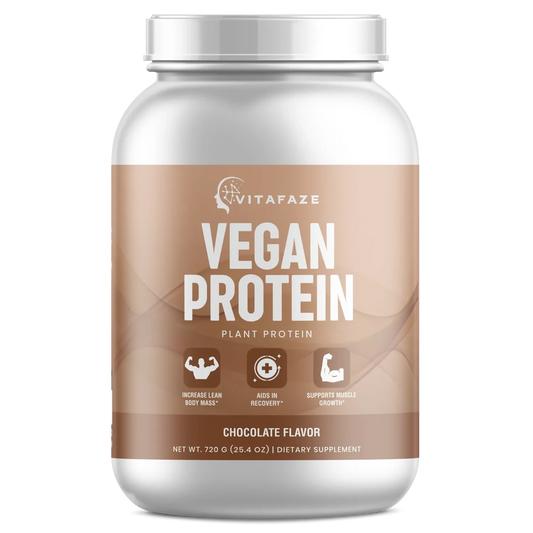
VitaFaze formulates plant-powered nutrition for exactly this purpose. Our Vegan Protein Chocolate Shake delivers 22 grams of complete plant protein per serving for post-session recovery, our Organic Beetroot supports natural nitric oxide production for endurance work, and our Creatine Powder comes with no fillers, sodium, or sugar. For long sessions, the Recovery Carb + Electrolyte Summer Punch replenishes what sweat takes out.


Get started with VitaFaze and build a plant-based stack that supports the training you are actually doing.
Frequently Asked Questions
What is the best supplement for endurance athletes?
The best supplement depends on your training demands, but plant based supplements for endurance athletes typically include creatine for power, beta-alanine for buffering acid, and beetroot for nitric oxide production. Protein powder supports muscle repair, while B12 and iron address common vegan gaps. A stack combining these can improve endurance capacity and recovery when paired with a nutrient-dense diet.
How can plant-based athletes naturally increase endurance?
Focus on whole-food nutrition first: eat a variety of legumes, whole grains, nuts, and seeds to cover amino acid profiles and micronutrients. Then add targeted plant based supplements like beetroot for nitric oxide, creatine for anaerobic threshold, and electrolytes for hydration. Training consistency and adequate carbohydrate intake matter just as much as any pill or powder.
Do plant-based supplements provide the same performance benefits as animal-based ones?
Yes, when formulated correctly. Plant-derived creatine and beta-alanine are chemically identical to animal-based versions. Protein sources like pea and rice can be blended to create a complete protein with a strong amino acid profile. The key is bioavailability and third-party testing, which ensure your body actually absorbs and uses the nutrients.
Which supplements help with recovery for endurance runners?
Recovery supplements for runners include protein for muscle protein synthesis, carbs and electrolytes for glycogen replenishment, and creatine for reducing soreness. Tart cherry and beetroot may also support recovery kinetics by reducing oxidative stress. Prioritize whole foods, then use plant based supplements to fill gaps in your dietary intake.