



Effective Recovery Supplements for Vegans: 2026 Guide
Table of Contents
- Quick Comparison: Top Vegan Recovery Supplements
- How We Evaluated These Plant-Based Recovery Supplements
- 1. Vegan Protein Chocolate Shake: Complete Amino Profile for Muscle Repair
- 2. Creatine Powder: The Benefits of Creatine for Vegans in Strength Training
- 3. Glutamine Powder: Reducing Muscle Soreness and Supporting Immune Health
- 4. BCAA Shock Powder: Leucine Content and Post-Workout Recovery
- 5. Recovery Carb + Electrolyte: Replenishing Glycogen and Hydration
- 6. Vegan Omega-3 for Inflammation and Joint Recovery
- 7. How to Get Enough B12 on a Vegan Diet for Athletic Recovery
- 8. Budget-Conscious Recovery: Whole-Food Alternatives and Stacking Safety
- Frequently Asked Questions
Last Updated: September 14, 2026
Quick Comparison: Top Vegan Recovery Supplements
Effective recovery supplements for vegans are plant-derived or synthetic formulas that replace the nutrients hardest to obtain from a plant-based diet: complete protein, creatine, omega-3s, B12, and electrolytes. This guide from VitaFaze breaks down seven options by amino profile, bioavailability, and price so you can build a stack that actually fits your training.
The list below covers the products most plant-based athletes ask about, ranked by how directly they address muscle protein synthesis, inflammation, and post-workout recovery.
| Supplement | Key Nutrient | Best For | Price |
|---|---|---|---|
| Vegan Protein Chocolate Shake | 22g complete plant protein | Muscle repair | $32.97 |
| Creatine Powder | Pure creatine monohydrate | Strength training | $38.50 |
| Glutamine Powder | Micronized L-glutamine | Soreness and immunity | $37.10 |
| BCAA Shock Powder | Leucine, L-glutamine, B6 | Intra-workout recovery | $31.98 |
| Recovery Carb + Electrolyte | 24g carbs, 4 electrolytes | Glycogen and hydration | $32.98 |
| Vegan Omega-3 | ALA and DHA support | Inflammation and joints | Varies |
| B12 Support | Vitamin B12 | Nerve and cellular repair | Varies |
How We Evaluated These Plant-Based Recovery Supplements
We scored each option on four criteria: amino acid profile completeness, bioavailability, third-party testing, and cost per serving. Leucine content carried the most weight, since leucine is the trigger for muscle protein synthesis after resistance training.

A common mistake is buying a supplement because the label says "vegan" without checking whether the formula delivers a full amino acid profile. Rice protein alone is low in lysine. Pea protein alone is low in methionine. Blends solve this.
1. Vegan Protein Chocolate Shake: Complete Amino Profile for Muscle Repair
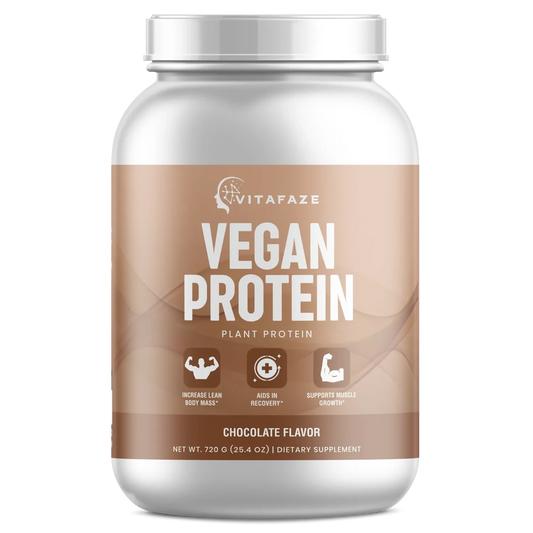
The Vegan Protein Chocolate Shake delivers 22 grams of complete plant protein per scoop from organic pea and organic brown rice protein. That blend matters because the two sources cover each other's limiting amino acids, giving you the full spectrum needed for muscle protein synthesis.
Each serving carries only 3 grams of sugar and 140 calories, sweetened with organic erythritol and organic stevia. You also get 4 grams of dietary fiber from organic acacia gum, which supports digestion, plus 155 mg of calcium.
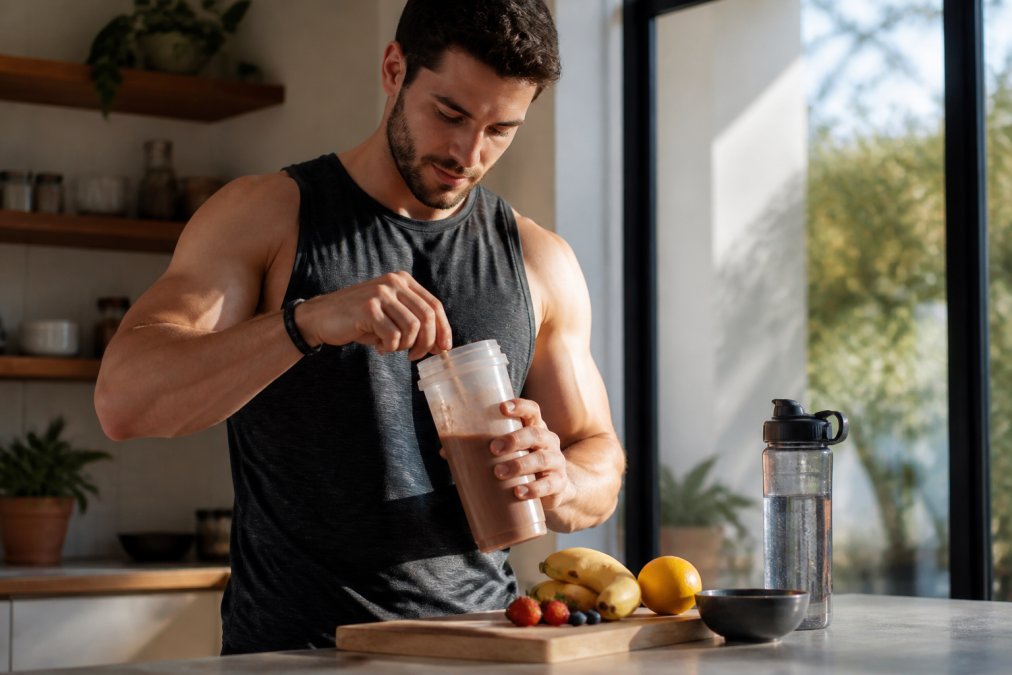
Pros: Complete amino profile, low sugar, mixes into a real chocolate flavor rather than an earthy plant aftertaste. Cons: Chocolate is the only flavor, so variety seekers will look elsewhere.
For post-workout recovery, this is the simplest single-product answer. One scoop in water within an hour of training covers the protein side of the equation.
2. Creatine Powder: The Benefits of Creatine for Vegans in Strength Training
The benefits of creatine for vegans are larger than for meat eaters, because plant-based diets contain almost no dietary creatine. Your muscles rely on what you make internally, and that baseline is lower.
VitaFaze Creatine Powder is 100% pure creatine monohydrate with no fillers, sodium, or sugar. It supports athletic performance, muscle recovery, and cognitive function, and it is independently tested for purity under GMP certification in an FDA-registered facility.

Pros: Single-ingredient formula, no additives, one scoop with 8oz of water. Cons: Unflavored, so it needs a beverage with taste.
3. Glutamine Powder: Reducing Muscle Soreness and Supporting Immune Health
Glutamine Powder is a micronized L-glutamine formula built to support muscle protein synthesis and reduce breakdown after hard sessions. It also supports immune function and gut health, which matters during heavy training blocks when recovery capacity drops.
The formula has no fillers, no sodium, and no toxic ingredients. It is third-party tested, GMP certified, and produced in an FDA-registered facility. Mix one scoop into juice or a carbohydrate drink.
Pros: Micronized for mixing, single ingredient, immune and gut support alongside recovery. Cons: Evidence for soreness reduction is strongest in endurance and high-volume training, less so for low-volume lifting.
4. BCAA Shock Powder: Leucine Content and Post-Workout Recovery
Branched-chain amino acids, leucine, isoleucine, and valine, are the fraction of protein that muscles oxidize during exercise. Leucine is the one that matters most for recovery because it acts as the molecular switch that turns on muscle protein synthesis (MPS) through the mTOR pathway. Without enough leucine, the other amino acids you eat have nothing to build with.
The practical question for plant-based athletes is not "do BCAAs work?" but "do I need them on top of a plant protein shake?" The answer depends on the leucine dose. Research on MPS consistently points to a per-meal leucine threshold in the range of roughly 2 to 3 grams to maximally stimulate synthesis in most adults (pubmed.ncbi.nlm.nih.gov). A single scoop of a pea-and-rice protein blend typically lands near that threshold on its own. A BCAA product only adds value when it pushes a sub-threshold meal over the line, for example, a light pre-workout snack, a fasted morning session, or a training day where your total protein intake is running low.
BCAA Shock Powder combines branched-chain amino acids with L-glutamine, L-leucine, and vitamin B6. The added L-leucine is the point: it raises the leucine density of the serving so a smaller total dose still crosses the MPS threshold. Vitamin B6 supports amino acid metabolism, and L-glutamine overlaps with the separate glutamine product in this stack. Mix half a scoop into a cold beverage before, during, or after workouts. Available in Watermelon and Fruit Punch.

Pros: Includes L-glutamine and B6 alongside BCAAs, two flavors, mixes into cold water easily. Cons: If you already take a complete protein shake that hits the leucine threshold, the added BCAAs are largely redundant, you are paying for amino acids your shake already delivered.
One more vegan-specific note: free-form BCAAs are absorbed faster than intact protein, but they also peak and clear faster. If your goal is sustained MPS over the hours after training, a complete protein source with a full amino acid profile does more work than an isolated BCAA blend. Use BCAAs when speed or convenience is the constraint, not as a replacement for protein.
5. Recovery Carb + Electrolyte: Replenishing Glycogen and Hydration
Recovery Carb + Electrolyte delivers 24 grams of fast-digesting carbohydrates per scoop from dextrose and glucose polymers, plus four electrolytes: sodium, potassium, magnesium, and calcium. That combination refills glycogen stores and restores electrolyte balance better than water alone.
With 50 servings per container and no artificial colors, it works as a pre-training boost or a post-workout recovery aid. Mix one rounded scoop (27.3 g) with 8oz of cold water. Flavors include Summer Punch and Lemon Lime.
Pros: Two fast-acting carb sources, four electrolytes, 50 servings per tub. Cons: Carb-heavy formulas are unnecessary on rest days or short sessions.
6. Vegan Omega-3 for Inflammation and Joint Recovery
Vegan omega-3 for inflammation is the gap most plant-based athletes underestimate. Standard fish oil is off the table, and plant sources like flax and chia supply ALA, which your body converts to EPA and DHA at a low rate.
That conversion gap is why algae-derived omega-3 exists. Algae is where fish get their omega-3 in the first place, so an algae-based supplement delivers DHA and EPA directly without the conversion bottleneck. For joint recovery and inflammation reduction, this is the cleaner route.
7. How to Get Enough B12 on a Vegan Diet for Athletic Recovery
How to get enough B12 on a vegan diet is the question with the least room for improvisation. Vitamin B12 does not occur naturally in plants in meaningful amounts, so fortification or supplementation is the only reliable route (ods.od.nih.gov).
B12 supports red blood cell formation, nerve function, and cellular repair. Athletes burn through these systems faster than sedentary adults, which makes consistent intake more important, not less. A daily B12 supplement, or a fortified food eaten daily, is the standard approach.
8. Budget-Conscious Recovery: Whole-Food Alternatives and Stacking Safety
A full supplement stack is not required to recover well on a plant-based diet. Whole-food alternatives cover a surprising amount of the same ground at lower cost, and understanding how those foods interact with each other is where most vegan recovery guides stop short.
Food-first coverage
- Protein: Lentils, tempeh, edamame, and tofu deliver complete or near-complete amino profiles for a fraction of powder cost. A cup of cooked lentils lands around 18 grams of protein; a half-block of firm tofu lands near 20. Pairing a legume with a grain (rice and beans, whole-wheat toast and peanut butter) fills in the limiting amino acid each one lacks on its own.
- Carbs and electrolytes: A banana with a pinch of salt in water covers post-workout glycogen and sodium needs cheaply. Potatoes, oats, and dates do the same job with more micronutrients attached.
- Omega-3: Ground flaxseed and walnuts supply ALA, though they do not replace an algae-based DHA source. Grinding flax matters, whole seeds pass through undigested.
- Creatine: No whole-food plant source exists in meaningful amounts, so this is the one nutrient where a supplement is close to non-negotiable for strength athletes.
Bioavailability: why plant-based absorption is different
This is the part competitors skip. Plant foods carry phytates and oxalates that bind minerals in the gut and reduce how much you actually absorb. Spinach is high in iron on paper, but its oxalate content blocks most of it (pubmed.ncbi.nlm.nih.gov). The fix is not to avoid these foods, it is to pair them strategically:
- Vitamin C boosts non-heme iron absorption. Adding citrus, bell pepper, or tomato to a lentil dish can meaningfully increase how much iron you take up. This is one of the few food-pairing effects with strong, consistent evidence behind it.
- Calcium and iron compete. A calcium supplement or a fortified plant milk taken with an iron-rich meal can blunt iron absorption. Separate them by a few hours when you can.
- Zinc and iron compete too. High-dose iron supplements can reduce zinc uptake, which matters because zinc supports immune function and testosterone regulation in athletes.
- Phytates reduce mineral absorption across the board. Soaking, sprouting, and fermenting grains and legumes (sourdough, tempeh, sprouted oats) lower phytate content and free up more minerals.
Stacking safety: what actually conflicts
Combining creatine, BCAAs, and a protein shake is generally fine because they overlap in purpose rather than conflict. The real risks are mineral interactions and accidental double-dosing:
- Iron + calcium: Do not take a high-dose iron supplement at the same time as a calcium supplement or a calcium-fortified drink. Space them at least two hours apart.
- Zinc + iron: If you supplement both, take them at different meals. Long-term high-dose zinc without copper can also drive a copper deficiency, so keep zinc doses moderate unless a clinician directs otherwise.
- Fat-soluble vitamins (A, D, E, K): These need dietary fat to absorb. Taking them with a fat-free meal wastes most of the dose.
- Caffeine and iron: Coffee and tea tannins reduce iron absorption. If you take an iron supplement, take it with water or juice, not your morning coffee.
- Total-intake tracking: The quiet risk is doubling up on the same nutrient across a multivitamin, a fortified protein powder, and a standalone supplement. Add up the labels before you add another bottle.
Must-haves vs. nice-to-haves on a budget
If money is tight, spend in this order:
- B12, non-negotiable, cheap, and the deficiency risk is real.
- Complete plant protein, only if whole-food protein is not hitting your daily target.
- Creatine monohydrate, the single most evidence-backed ergogenic supplement for strength athletes, and vegan athletes start from a lower baseline.
- Algae-based omega-3 (DHA/EPA), worth it if you eat little flax, chia, or walnuts, or if joint inflammation is a concern.
- Electrolytes, useful for long or hot sessions, optional otherwise.
- Glutamine and BCAAs, refinements, not foundations. Skip these first when cutting costs.
Frequently Asked Questions
What supplements do vegan athletes need for recovery?
Vegan athletes benefit most from a complete plant-based protein to support muscle protein synthesis, creatine monohydrate for strength and power, while electrolytes replenish what sweat loss takes. A targeted stack covers amino acid gaps, micronutrient deficiencies, and hydration, helping you recover faster from resistance training and endurance sessions.
Is creatine effective for vegan muscle recovery?
Yes. Creatine monohydrate works for vegans and may offer even greater benefits because plant-based diets typically have lower baseline muscle creatine stores. Research shows creatine supports ATP regeneration, which speeds recovery between sets and reduces muscle damage markers. A daily 3-5 gram dose helps maintain strength and lean mass during intense training. Look for pure creatine with no fillers, like VitaFaze Creatine Powder, to avoid unnecessary additives.
How do you get enough protein for recovery on a vegan diet?
Aim for 1.4-2.0 grams of protein per kilogram of body weight daily, focusing on complementary sources like pea and brown rice protein to cover the full amino acid profile. A shake delivering 22 grams of complete protein, such as VitaFaze Vegan Protein Chocolate Shake, makes hitting that target easier after workouts. Pair with legumes, tofu, and whole grains throughout the day to support muscle repair and reduce delayed onset muscle soreness.
Are plant-based recovery supplements as effective as whey?
When formulated with a complete amino acid profile and adequate leucine content, plant-based protein supports muscle protein synthesis comparably to whey. Blends of pea and rice protein provide all essential amino acids, though some vegan products may have slightly lower leucine per serving. Adding free-form amino acids or a slightly larger dose can close that gap. Bioavailability also depends on digestion, so choose products with minimal fillers and third-party testing.
What are the best vegan-friendly anti-inflammatory supplements?
Curcumin, tart cherry, and ginger also show promise for reducing oxidative stress and muscle soreness. Pair these with a diet rich in colorful plants.
Building a recovery routine on a plant-based diet comes down to closing the gaps that plants cannot fill on their own: complete protein, creatine, B12, and omega-3. VitaFaze formulates each of these with clean, bioavailable ingredients designed specifically for plant-based athletes, from the 22-gram Vegan Protein Chocolate Shake to pure Creatine Powder and micronized Glutamine Powder. Get started with VitaFaze and give your recovery the same precision you bring to training.