



Garden of Life vs Naked Nutrition: 2026 Protein Comparison
Table of Contents
- Garden of Life vs Naked Nutrition: A Side-by-Side Comparison
- Protein Source and Amino Acid Profile: Pea Protein Isolate vs Whey Concentrate
- Third-Party Testing and Certifications: What to Look For
- Ingredient Transparency and Sourcing
- The Cleanest Plant-Based Protein Powder: What Certifications Actually Mean
- Taste, Texture, and Mixability: Best Tasting Plant Protein Powder Reviews
- Protein Powder Without Artificial Sweeteners: Stevia and Monk Fruit Compared
- Price Per Serving and Value: A Cost Breakdown
- Digestibility and Gut Health: Digestive Enzymes and Fiber
- Which Brand Fits Your Fitness Goals?
- Frequently Asked Questions
Last Updated: September 12, 2026
Garden of Life vs Naked Nutrition: A Side-by-Side Comparison
The garden of life vs naked nutrition debate comes down to a fundamental choice: multi-source blends versus single-source simplicity. This comparison from VitaFaze breaks down protein source, testing transparency, sweeteners, mixability, and cost per serving so you can pick the powder that actually fits your training. Both brands occupy different corners of the market, and the "better" option depends entirely on what you're optimizing for.
Garden of Life built its reputation on organic certification and sprouted, multi-ingredient blends. Naked Nutrition built its reputation on short ingredient lists and unflavored, single-source proteins. That philosophical split shapes everything downstream: amino acid profiles, heavy metal screening, taste, and price per gram of protein.
Below, we'll show you exactly how each approach plays out across ten buying criteria, including the two things most comparisons skip entirely: heavy metal testing transparency and matching a powder to a specific fitness goal rather than a generic "active lifestyle."
FDA guidance on dietary supplement labeling
Nutritional Comparison Table
| Criteria | Garden of Life | Naked Nutrition | Edge |
|---|---|---|---|
| Protein source | Sprouted multi-source blends | Single-source (pea, whey, casein) | Depends on goal |
| Typical protein per serving | 20-30g | 25-27g | Naked Nutrition |
| Sweeteners | Stevia, some erythritol | None in unflavored; minimal in flavored | Naked Nutrition |
| Certifications | USDA Organic, Non-GMO Project | Non-GMO, some third-party tested | Garden of Life |
| Added ingredients | Probiotics, enzymes, greens | Often none | Depends on goal |
| Flavor range | Broad | Narrow | Garden of Life |
| Price per serving | Higher | Lower | Naked Nutrition |
That table is the whole article in miniature. The rest explains why each row matters.
Protein Source and Amino Acid Profile: Pea Protein Isolate vs Whey Concentrate
Protein source determines your amino acid profile, and your amino acid profile determines how well your body actually builds muscle. Naked Nutrition leans on single-source proteins, most notably pea protein isolate and whey protein concentrate. Pea protein isolate is dairy-free and hypoallergenic, but it runs low on methionine, an essential amino acid. Whey protein concentrate carries a complete profile with all nine essential amino acids, but it's animal-derived.
Garden of Life takes the opposite route, blending multiple plant proteins so the weaknesses of one source get covered by another. This is why so many plant-based blends combine pea with brown rice: together they form a complete amino acid profile, even though neither does alone.
For anyone scanning labels, the practical takeaway is simple. A single-source pea protein isolate needs a complementary food or a second protein source somewhere in your day. A well-built multi-source blend already solved that problem for you.
Branched-Chain Amino Acids and Leucine Content
Leucine is the amino acid that triggers muscle protein synthesis, and it's the number worth checking on any label. Whey protein concentrate is naturally rich in branched-chain amino acids, particularly leucine, which is why it has long been the default for post-workout recovery. Pea protein isolate contains BCAAs too, just at lower leucine concentrations per gram.
The fix for plant-based athletes is dose, not avoidance. Many vegan-certified blends push total protein per serving high enough that leucine intake lands in a useful range anyway. If you train hard and eat plant-based, look for a blend that lists its full amino acid profile rather than just total protein.
Third-Party Testing and Certifications: What to Look For
Third-party testing is the single most reliable signal that a protein powder contains what the label claims. Certifications worth prioritizing include USDA Organic, Non-GMO Project Verified, and independent testing for heavy metals and contaminants. A brand that publishes its certificates of analysis is telling you something a marketing page never can.
Here's the distinction most shoppers miss: a certification logo and a test result are not the same thing. Organic certification confirms how ingredients were grown. It says nothing about whether the finished powder was screened for lead or cadmium. Those are separate checks, and the best brands do both.
- USDA Organic: verifies agricultural sourcing and processing standards under the National Organic Program
- Non-GMO Project Verified: confirms no genetically engineered ingredients through a third-party verification program
- Third-party heavy metal screening: tests the finished product, not just the raw material
- Vegan-certified: confirms no animal-derived processing aids
- Informed Sport / NSF Certified for Sport: screens for substances banned in competitive athletics
For a plant-based buyer, the vegan certification matters more than it sounds. Some "plant" proteins are processed with animal-derived agents that never appear on the ingredient list.
Heavy Metal Screening Transparency
Heavy metals are a genuine concern in plant proteins because plants absorb minerals, including cadmium and lead, from soil. Rice and cocoa-based proteins tend to carry higher risk than pea or soy. This is not a reason to avoid plant protein. It is a reason to buy from brands that test and publish results.
Consumer Reports investigation into heavy metals in protein powders
The transparency test is straightforward. Does the brand publish batch-specific test results, or just a generic "third-party tested" badge? Batch-level disclosure is the higher standard. A single certificate from three years ago tells you almost nothing about the tub in your cart today.
A few concrete things to look for when you audit a brand's testing page:
- Prop 65 compliance language: California's Proposition 65 sets strict limits on lead and cadmium exposure, so brands that publish Prop 65 statements are signaling they test at a level most states don't require.
- Testing lab named: a certificate from an accredited lab (look for ISO 17025 accreditation) carries more weight than an unnamed "independent lab."
- Frequency of testing: per-batch testing is stronger than annual testing; ask whether the COA matches the lot number on your tub.
- What's tested: heavy metals (lead, cadmium, arsenic, mercury), microbials (salmonella, E. coli), and sometimes solvents or pesticides.
How to Verify a Brand's Claims Yourself
Verification is easier than most people assume. Start with the brand's website and look for a testing or quality page, not just a marketing page. If the brand publishes COAs, they're usually downloadable PDFs organized by lot number. Cross-reference the lot number stamped on your tub against the COA on file. If the numbers don't match, ask the brand directly.
For organic claims, the USDA Organic seal can be verified through the USDA's Organic Integrity Database, which lists certified operations and their certifying agents. For Non-GMO Project Verified, the project maintains a searchable product database. For sport certifications, NSF and Informed Sport both publish searchable lists of certified products.
A brand that makes verification easy is doing the work. A brand that hides behind a badge and a phone number is not. That difference matters more than any single certification.
Ingredient Transparency and Sourcing
Ingredient transparency means the label tells you exactly what's in the tub and where it came from, with no proprietary blends hiding doses. Naked Nutrition wins on raw label brevity: its unflavored proteins often list one ingredient. Garden of Life wins on documented sourcing, with organic certifications tracing ingredients back to specific supply chains.
Neither approach is wrong. A one-ingredient label is easy to audit. A certified organic blend is harder to verify yourself but comes with an external audit trail. What you want to avoid is the middle ground: long ingredient lists with no sourcing documentation and no certification to back them up.
Traceability is the word to watch for. Brands that can name their pea or rice suppliers, and prove organic status, are doing the work that a short label sometimes skips.
The Cleanest Plant-Based Protein Powder: What Certifications Actually Mean
The cleanest plant-based protein powder is one that is third-party tested, free of artificial sweeteners, and transparent about sourcing, not simply the one with the shortest ingredient list. "Clean" gets used loosely in this category, so it helps to define it by verifiable criteria instead of marketing language.
Three checks separate a genuinely clean label from a clean-looking one:
- Sweetener check: stevia and monk fruit instead of sucralose or acesulfame potassium
- Testing check: published heavy metal and contaminant results
- Sourcing check: named, certified ingredient origins
A powder can pass all three and still taste mediocre, or fail all three and taste great. That trade-off is real, and it's why taste deserves its own section rather than a footnote.
Taste, Texture, and Mixability: Best Tasting Plant Protein Powder Reviews
Taste is where plant proteins historically lost to whey, and where the gap has narrowed considerably. The best tasting plant protein powder reviews consistently flag two variables: sweetener choice and protein source. Pea protein isolate carries a mild earthy note that stevia can mask but not erase. Blends that add brown rice or cocoa tend to round off that edge.
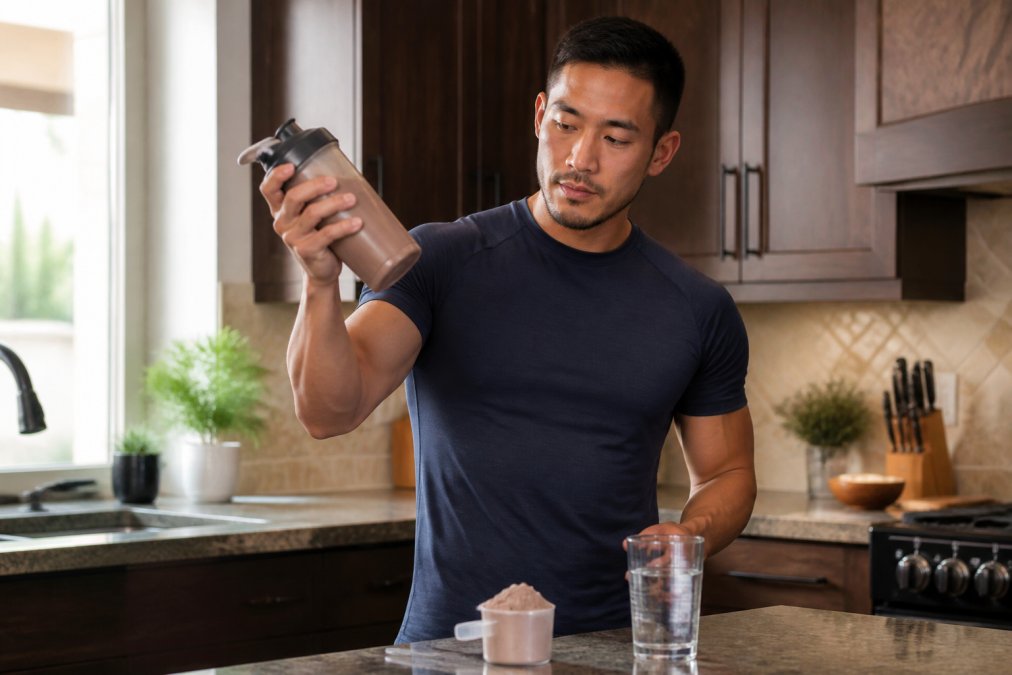
Mixability is the second half of the experience. Grittiness usually comes from incomplete milling or from fiber additives like acacia gum, which some blends include for gut health. A finer-milled isolate dissolves cleaner in a shaker; a fiber-rich blend may need a blender to avoid texture complaints.
Naked Nutrition's unflavored options mix into anything without altering taste, which is a genuine advantage for people who add protein to oatmeal or coffee. Flavored blends from either brand live or die on their sweetener system, which brings us to the next section.

Protein Powder Without Artificial Sweeteners: Stevia and Monk Fruit Compared
Protein powder without artificial sweeteners relies on stevia, monk fruit, or both, and the two behave differently in a shaker. Stevia is plant-derived and intensely sweet, but it carries a licorice-like aftertaste that some people detect immediately. Monk fruit is fruit-derived, sweeter without that aftertaste, and generally more expensive to formulate with.
Erythritol, a sugar alcohol, often appears alongside stevia to add bulk and round out the sweetness. It's common in vegan blends and generally well tolerated, though sensitive stomachs sometimes notice it at higher doses.
- Stevia: widely used, zero calories, possible aftertaste
- Monk fruit: cleaner finish, higher formulation cost
- Erythritol: adds body, may cause digestive sensitivity in some people
If you've disliked a "natural" protein powder before, the sweetener is usually the culprit, not the protein. Trying a single-serving size before committing to a tub is the fastest way to find your tolerance.
Price Per Serving and Value: A Cost Breakdown
Price per serving, not price per tub, is the only figure that lets you compare fairly. A larger tub at a higher sticker price can still be cheaper per gram of protein once you divide by servings. This is where single-source, unflavored proteins usually win: fewer added ingredients means lower cost to produce.
Multi-source organic blends cost more because organic certification, probiotics, and enzymes all add expense. That premium buys convenience and added functionality, not necessarily more protein per dollar.
When you run the math, focus on cost per gram of protein rather than cost per scoop. Two powders can cost the same per serving while one delivers meaningfully more protein. That gap compounds over a training block.
Digestibility and Gut Health: Digestive Enzymes and Fiber
Digestibility separates a protein powder you finish from one that sits on the shelf. Plant proteins carry more fiber and oligosaccharides than whey, which can mean better gut health for some people and bloating for others. Digestive enzymes and added fiber are the two levers brands pull to manage this.
Enzymes like protease help break protein into absorbable peptides, which matters more for plant sources because their cell walls are harder to crack. Fiber, often from acacia gum or inulin, supports regularity but can cause gas if you ramp up too fast.
If you're switching from whey to plant protein, start with half a scoop for the first week. The bloating people blame on "plant protein" is usually a fiber adjustment, not an intolerance.
Which Brand Fits Your Fitness Goals?
Goal matching is the deciding factor, and it's the step most buyers skip. Neither brand wins outright. The right pick depends on what you're training for, how much protein you need per day, and when you'll actually drink it. Below is a goal-by-goal breakdown with concrete numbers to anchor the decision.
Bulking (Caloric Surplus, Muscle Gain)
Bulking prioritizes total daily protein and calorie density. A common target is roughly 0.7 to 1 gram of protein per pound of bodyweight per day, spread across three to five feedings (peer-reviewed research). That means a 180-pound lifter is aiming for roughly 126 to 180 grams of protein daily, which is hard to hit from whole food alone.
For this goal, a multi-source blend with added carbohydrates and calories earns its keep. Garden of Life's sprouted blends typically deliver 20 to 30 grams of protein per serving with probiotics and enzymes, and some formulations include added greens or carbs. Naked Nutrition's single-source options are leaner, so a bulker using them usually needs to add oats, banana, or a fat source to hit surplus calories.
- Best fit for bulking: a multi-source blend with 25g+ protein per serving, plus your own calorie add-ins
- Watch for: unflavored single-source proteins that taste neutral but add no calories on their own
Cutting (Caloric Deficit, Protein Sparing)
Cutting flips the priority: maximize protein per calorie and keep the powder lean. A 25-gram serving at roughly 100 to 120 calories is the sweet spot. Naked Nutrition's unflavored whey and casein options fit this profile well because they carry almost no added ingredients, sweeteners, or fillers.
Garden of Life's flavored blends often include fiber, probiotics, and sweeteners that add a small calorie load. That's not a dealbreaker, but it's a variable to account for if you're tracking tightly. If you're cutting and using a flavored blend, log the full serving rather than assuming it's calorie-neutral.
- Best fit for cutting: unflavored or lightly sweetened single-source protein at 25g per ~110 calories
- Watch for: fiber and sugar alcohol content that can add 20 to 40 calories per serving
Post-Workout Recovery
Recovery is about speed and leucine. Whey protein concentrate and isolate digest quickly and carry a leucine content that reliably triggers muscle protein synthesis at a 20 to 25 gram dose. Naked Nutrition's whey concentrate is a straightforward fit here.
Plant-based athletes can hit the same leucine threshold, but usually need a slightly larger protein dose to get there. A common pattern is 25 to 30 grams of a pea-and-rice blend post-workout, paired with a leucine-rich whole food like soy or a small amount of dairy if the diet allows. Garden of Life's multi-source blends are built for this, since combining pea with brown rice covers the methionine gap that pea alone leaves open.
- Best fit for recovery: fast-digesting whey, or a 25g+ pea-and-rice blend for plant-based athletes
- Timing: within a couple of hours of training; the "anabolic window" is wider than older advice suggested
Endurance Training
Endurance athletes want digestibility and low sugar, especially before a long session. A powder that sits heavy or contains sugar alcohols can cause GI distress on a run. A cleaner isolate, whey isolate or pea isolate, tends to work better than a fiber-rich blend in the hour before training.
- Best fit for endurance: a low-fiber isolate, 20 to 25g per serving, mixed with water
- Watch for: acacia gum and inulin, which support gut health day-to-day but can bloat pre-run
Plant-Based and Vegan
For plant-based athletes, the combination that matters is a complete amino acid profile, third-party testing, and a sweetener system you can tolerate daily. That trio beats any single spec. A pea-and-rice blend covers the essential amino acid gaps that either source alone leaves open, and vegan certification confirms no animal-derived processing aids were used.
- Best fit for vegan athletes: a multi-source blend with a published amino acid profile and vegan certification
- Watch for: single-source pea or rice proteins marketed as "complete" without a supporting amino acid panel
Budget-Focused Daily Protein
If the goal is simply hitting a daily protein floor without overspending, cost per gram of protein is the only metric that matters. Unflavored single-source proteins usually win here because fewer added ingredients mean lower production cost. A 2-pound tub of unflavored whey or pea protein often delivers the lowest cost per gram in the category.
- Best fit for budget: unflavored single-source protein, bought in larger tubs
- Watch for: flavored blends where sweeteners and add-ins inflate cost without adding protein
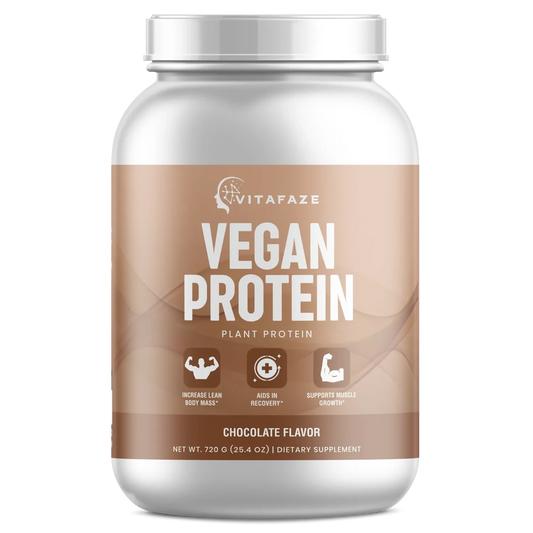
VitaFaze approaches this from the plant-performance side. The Vegan Protein Chocolate Shake blends organic pea and brown rice protein for a complete amino acid profile, with 22g of plant protein, 4g of fiber from organic acacia gum, and stevia plus erythritol instead of artificial sweeteners. The Whey Armor Natural Protein line covers the animal-based side at 24g per serving, cold-processed and Non-GMO with digestive enzymes for absorption. For busy days, the Essential Meal Replacement Protein delivers 24g of protein from seven sources with 5g of fiber and zero added sugar.


Frequently Asked Questions
Is Garden of Life a trustworthy brand for plant-based protein?
Garden of Life holds certifications including USDA Organic, Non-GMO Project Verified, and NSF Certified for Sport on select products. These third-party verifications mean an independent organization has tested for contaminants and confirmed label accuracy. Trustworthiness depends on what you need: if you want organic certification and broad retail availability, Garden of Life delivers. If you want a direct-to-consumer option with transparent heavy metal screening, compare the testing documentation each brand publishes.
How does Naked Nutrition compare to Garden of Life in ingredient purity?
Naked Nutrition builds its brand around short ingredient lists, often just protein and nothing else. Garden of Life typically includes organic flavor systems, probiotic blends, and added vitamins. Neither approach is inherently purer, but they serve different priorities. If you want the fewest possible ingredients, Naked Nutrition's minimalism appeals. If you want organic certification across the full formula, Garden of Life has the edge. Check each product's Supplement Facts panel to see which matches your definition of clean.
Does Naked Nutrition use artificial sweeteners compared to Garden of Life?
Neither brand relies on artificial sweeteners like sucralose or aspartame in their core protein powders. Naked Nutrition generally uses no sweeteners at all in its unflavored options, while Garden of Life sweetens with stevia or monk fruit in flavored varieties. When shopping for a protein powder without artificial sweeteners, read the ingredient list for terms like acesulfame potassium or sucralose. Both brands avoid those, but their sweetness approaches differ enough to affect taste.
Which protein powder is better for muscle recovery: Garden of Life or Naked Nutrition?
Recovery depends on leucine content, total protein per serving, and how quickly your body absorbs it. Whey-based options digest faster and deliver a higher leucine dose per gram, which supports muscle protein synthesis after training. Pea protein isolate, used in many plant-based formulas, has slightly lower leucine but still triggers recovery when you hit 20-25 grams per serving. Look for at least 2.5 grams of leucine per scoop, regardless of brand, and pair it with carbohydrates post-workout.
Are both Garden of Life and Naked Nutrition third-party tested?
Garden of Life uses NSF Certified for Sport on several products and publishes Certificates of Analysis for some lines. Naked Nutrition states its products are third-party tested for heavy metals and contaminants, with results available on request. Neither brand publishes full COAs on every product page, which is common in the supplement industry. If testing transparency is your top priority, request documentation directly from the brand before buying, or choose a product that posts COAs publicly.