



Signs of Protein Deficiency in Athletes: 9 Warning Signs
Table of Contents
- Why Protein Deficiency Hits Athletes Harder Than Sedentary People
- 9 Signs of Protein Deficiency in Athletes
- Hair, Skin, Nail, and Immune Warning Signs
- Daily Protein Requirements for Athletes by Training Load
- Plant-Based Protein Sources for Muscle Recovery
- How to Check Yourself: A Simple 7-Day Protein Audit
- What Most Athletes Get Wrong About Protein Timing and Amino Acids
- Frequently Asked Questions
Last Updated: September 11, 2026
Why Protein Deficiency Hits Athletes Harder Than Sedentary People
Athletes burn through protein at a rate that desk workers simply don't, which means the signs of protein deficiency in athletes show up faster and cut deeper into performance. Training breaks down muscle tissue; repair requires a steady supply of amino acids. When intake falls short, the body starts borrowing from muscle to cover its own needs.
This guide from VitaFaze breaks down the nine warning signs that matter most, plus a self-audit you can run in a week.
Here's the part most general health articles skip: a sedentary adult can coast on the baseline protein recommendation with no visible consequences. An athlete training five or more sessions a week cannot. Every hard session increases protein turnover, and every missed recovery window compounds the deficit. According to the USDA's Dietary Guidelines for Americans, protein needs scale with activity level, not with body weight alone.
The Difference Between Clinical Deficiency and Subclinical Shortfall
Clinical protein deficiency is a diagnosed medical condition marked by severe depletion, often involving low serum albumin and visible tissue wasting. It is rare in people eating regular meals and requires medical treatment.
Subclinical shortfall is the far more common problem for athletes. Bloodwork can look normal while performance quietly erodes: slower recovery, heavier legs, stalled strength gains. This is the zone where most plant-based athletes operate without realizing it.
That distinction matters because standard lab panels won't flag a subclinical shortfall. You have to read the performance signals instead.
9 Signs of Protein Deficiency in Athletes
These nine signs of protein deficiency in athletes rarely appear alone. Most athletes notice two or three at once, then dismiss them as overtraining or poor sleep. The order below runs roughly from most obvious to most easily missed.
1. Muscle Loss and Decreased Strength
Losing strength on lifts you used to own is the clearest early signal. When protein intake can't cover tissue repair, the body enters a catabolic state and breaks down muscle for amino acids. You may notice the scale holding steady while your working weights drop. That's muscle atrophy hiding behind stable body weight.
2. Slow Recovery and Persistent Muscle Soreness
Soreness that lingers past 72 hours points to incomplete tissue repair. A common mistake is chalking this up to a harder program. In practice, extended recovery time usually reflects insufficient protein and amino acids at the point of repair, not excessive training volume.
3. Fatigue, Weakness, and Protein Deficiency and Fatigue in Sports
Protein deficiency and fatigue in sports are tightly linked, and the mechanism is straightforward. Low protein intake impairs red blood cell production and hormonal regulation, both of which govern energy availability. Athletes describe it as "heavy legs" or hitting a wall earlier than usual in sessions that used to feel manageable.
Hair, Skin, Nail, and Immune Warning Signs
Physical tissue gives you a visible readout of protein status. Hair, skin, and nails are built from protein, so they degrade first when supply runs short.
Brittle Hair, Flaky Skin, and Ridged Nails
Hair shedding more than usual in the shower, nails that peel or show horizontal ridges, and skin that stays dry despite hydration all point the same direction. These tissues have lower priority than muscle and organs in protein allocation, so they get shortchanged first. Many athletes find these changes precede any drop in gym performance.
Frequent Illness and a Slower Immune Response
Antibodies and immune signaling compounds are proteins. When intake is low, immune response weakens and minor infections drag on longer than they should. Catching every cold that moves through the gym, or taking two weeks to shake something that used to last three days, is a pattern worth tracking.
Daily Protein Requirements for Athletes by Training Load
Daily protein requirements for athletes scale with training volume and training type, not with a single universal number. The table below gives practical working ranges by training load, followed by the discipline-specific adjustments most generic guides leave out.
| Training Load | Sessions per Week | Daily Protein Target | Best For |
|---|---|---|---|
| Recreational | 2-3 | 1.2-1.4 g/kg body weight | General fitness, light lifting |
| Moderate | 4-5 | 1.4-1.7 g/kg body weight | Most strength and team athletes |
| High volume | 6+ | 1.6-2.0 g/kg body weight | Endurance and competitive training |
| Cutting phase | Any | 1.8-2.2 g/kg body weight | Preserving lean mass in a deficit |
Those ranges reflect the International Society of Sports Nutrition position stand on protein, which is the reference most sports dietitians work from. A 70 kg athlete training six days a week sits near 112-140 g per day. Split that across four or five feedings rather than two large meals; muscle protein synthesis responds better to distributed doses.
Endurance vs. Strength and Power: The Numbers Diverge
A common mistake is applying one protein target to every sport. The two ends of the spectrum have different jobs for protein.
- Endurance athletes (runners, cyclists, triathletes, rowers) are oxidizing a portion of their amino acids for fuel during long sessions, on top of repair demand. Most practitioners place them at the higher end of their load band, roughly 1.6-1.9 g/kg on heavy weeks, and push toward the top of the range during peak mileage or twice-a-day training blocks.
- Strength and power athletes (lifters, sprinters, throwers) have lower fuel-based protein oxidation but higher repair demand from mechanical damage. They typically sit around 1.6-2.0 g/kg, with the upper end reserved for high-volume hypertrophy blocks or a caloric deficit.
- Team and intermittent-sport athletes (soccer, basketball, hockey) fall between the two and usually do well at 1.5-1.8 g/kg, adjusted upward for congested game schedules.
The Subclinical Shortfall: The Zone Most Athletes Live In
The ranges above describe what supports performance. The more useful question is what happens in the gap between the baseline RDA and those targets.
The RDA for protein sits at 0.8 g/kg per day, a level set to prevent deficiency in sedentary adults, not to optimize training adaptation (peer-reviewed research). An athlete eating 1.0-1.2 g/kg is not clinically deficient. Bloodwork can look normal. But they are operating in a subclinical shortfall, where intake covers basic maintenance and not much more. The result is the pattern this article opened with: slower recovery, heavier legs, stalled strength, and a body that quietly borrows from muscle to cover the gap.
This is the zone where most plant-based athletes and most athletes in a caloric deficit operate without realizing it. Standard lab panels will not flag it. You have to read the performance signals instead, which is exactly what the 7-day audit below is designed to surface.
Per-Meal Dosing: The Math That Makes the Table Work
Hitting a daily total in two large meals is not the same as hitting it across four or five. Muscle protein synthesis responds to per-meal dose, and the practical floor most practitioners use is roughly 0.3 g/kg per meal, or about 20-40 g for most athletes.
Worked example for a 70 kg athlete at 1.8 g/kg (126 g/day):
- Breakfast: 30 g
- Lunch: 30 g
- Post-training: 25 g
- Dinner: 35 g
- Evening snack: 10 g
That distribution keeps synthesis elevated through the day and makes the daily total far easier to hit than two 60 g meals. It also exposes the real problem most athletes find in the audit: rest days, not training days, are where intake collapses.
Plant-Based Protein Sources for Muscle Recovery
Plant-based protein sources for muscle recovery can match animal sources, but they demand more deliberate planning. Most single plant proteins are incomplete, meaning they run low on one or more essential amino acids. Combining sources across the day solves this.
- Soy and tofu: complete protein with a strong leucine profile
- Lentils and chickpeas: high protein, pair well with rice for a fuller amino acid profile
- Hemp and pea blends: strong lysine content, common in quality powders
- Quinoa and buckwheat: complete proteins usable as a base
- Seitan: very high protein, though low in lysine
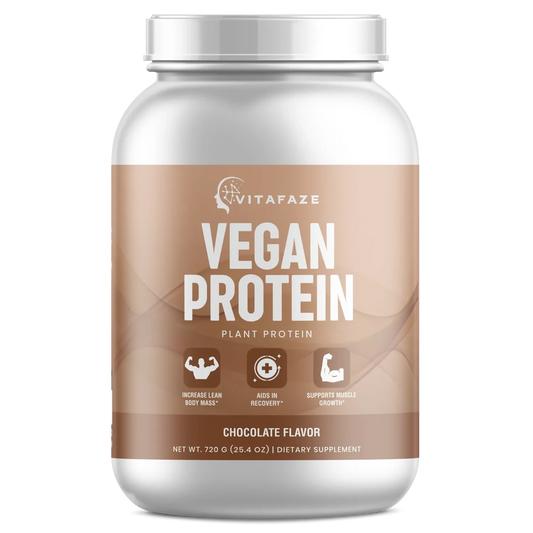
Bioavailability is the real hurdle. Plant proteins carry fiber and antinutrients that reduce absorption, so many athletes need to eat somewhat more total protein than an omnivore would. A blended vegan shake closes that gap quickly after training, and [VitaFaze's Vegan Protein Chocolate Shake](https://vitafaze.com/products/1-5lb-pure-vegan-protein-rich-chocolate) delivers 22 grams of complete plant-based protein per serving for exactly that purpose.

How to Check Yourself: A Simple 7-Day Protein Audit
A protein audit is a one-week self-assessment where you log every meal, total your daily protein, and compare it against your training-load target. No lab work required, just honest tracking.

Run it like this:
- Weigh yourself and calculate your target range from the table above
- Log every meal and snack for seven consecutive days, including training days and rest days
- Total daily protein each night; note the gap between intake and target
- Record recovery time, soreness duration, and energy levels alongside the numbers
- Note which meals carried the most protein and which were nearly empty
- At week's end, identify your two weakest meals and fix those first
- Re-run the audit four weeks later to confirm the changes held
Most athletes who run this find their rest days are the problem, not their training days. Intake drops on days off precisely when repair is happening.
What Most Athletes Get Wrong About Protein Timing and Amino Acids
The biggest error is saving protein for a single post-workout shake and calling it done. Total daily intake matters more than any single dose, but timing still shapes results, and the reason comes down to amino acids, not protein as a monolith.
The Leucine Threshold: Why "Protein" Is the Wrong Unit
Muscle protein synthesis is triggered by leucine, one of the nine essential amino acids. To flip the switch, a meal generally needs to deliver roughly 2-3 grams of leucine. Below that threshold, the meal still contributes to daily totals but does not maximally stimulate repair.
This is why a small handful of nuts or a low-protein snack does not do the job of a real protein feeding, even if the calorie count looks similar. It is also why two athletes eating the same 120 g of protein per day can see different recovery outcomes: one is hitting the leucine threshold at four feedings, the other is grazing below it all day.
Complete vs. Incomplete Proteins
A complete protein contains all nine essential amino acids in proportions the body can use efficiently. Animal sources, eggs, dairy, meat, fish, are complete by default. Most single plant sources are not:
- Rice, oats, and most nuts: low in lysine
- Wheat and seitan: low in lysine
- Legumes (lentils, chickpeas, beans): low in methionine
- Corn: low in lysine and tryptophan
The fix is not complicated. Pair a lysine-poor grain with a methionine-poor legume, rice and beans, oats and pea protein, whole wheat and hummus, and the combined profile covers the gaps. Soy, quinoa, buckwheat, hemp, and potato protein are already complete on their own.
The Plant-Based Bioavailability Problem
Even a complete plant protein is not absorbed as efficiently as an animal protein. Plant sources carry fiber, phytates, and tannins that reduce digestibility, and their amino acid profiles are often lower in leucine per gram. The practical result: a vegan or vegetarian athlete frequently needs to eat somewhat more total protein than an omnivore to hit the same leucine threshold and the same daily target.
Most practitioners suggest plant-based athletes aim at the top of their load band, roughly 10-20% above the omnivore target, and lean on blended sources rather than single ones. A soy-and-pea blend, for example, covers the methionine gap in pea and the lower leucine density of soy, producing a profile closer to whey than either source alone.
Timing: Wider Than the Old Advice, Still Useful
The "30-minute anabolic window" has been softened by newer work, the window is wider than once believed, and total daily intake dominates. But timing still matters at the margins:
- Pre-training: a complete protein feeding 1-2 hours before a session supports amino acid availability during the workout.
- Post-training: a 20-40 g dose with adequate leucine supports the repair window that follows.
- Before sleep: a slow-digesting protein (casein, or a plant blend with a slow fraction) supports overnight repair, when a large share of recovery happens.
For athletes training at high volume, the subclinical shortfall is the real risk. Symptoms stay mild enough to ignore while performance erodes week over week. Tracking intake and checking leucine per meal beats guessing every time.
Frequently Asked Questions
What are the 7 signs of protein deficiency?
The most common signs include muscle loss and reduced strength, slow recovery with lingering soreness, persistent fatigue, brittle hair and ridged nails, flaky skin, frequent illness, and increased hunger or cravings. In athletes, these often appear gradually and get blamed on overtraining. If you notice three or more at once, track your intake for a week before assuming your training plan is the problem.
How much protein do athletes actually need to prevent deficiency?
Most active adults need 1.2 to 1.6 grams per kilogram of body weight daily. Endurance athletes training several hours per week often land in the 1.2 to 1.4 g/kg range, while strength athletes pushing high training volume frequently need 1.6 to 2.0 g/kg. The International Society of Sports Nutrition supports up to 2.0 g/kg for building and maintaining lean body mass. Spread intake across three to four meals rather than one large serving.
Can a plant-based diet lead to protein deficiency if not planned correctly?
Yes. Plant proteins are generally lower in leucine and some essential amino acids, and fiber and antinutrients can reduce bioavailability. That means vegan athletes often need 10 to 20 percent more total protein than omnivores to trigger the same muscle protein synthesis response. Combining sources like soy, pea, hemp, and quinoa, and using a complete plant protein powder, closes most of that gap.
How long does it take to fix a protein deficiency?
Mild shortfalls often improve within two to four weeks once intake is corrected consistently. Serum albumin and nitrogen balance shift faster than visible changes like hair and nail quality, which can take two to three months. Strength and recovery markers tend to improve first, usually within the first two weeks of hitting your daily target. Chronic, severe deficiency needs medical supervision and takes longer.
Protein shortfalls rarely announce themselves. They show up as slower recovery, fading strength, and a body that never quite feels ready for the next session, and by the time the signs are obvious, you've already lost training weeks. VitaFaze builds plant-powered nutrition around clean, bioavailable ingredients, with targeted support for muscle protein synthesis, faster recovery, and sustained endurance. Get started with VitaFaze and give your training the protein foundation it's been missing.