



Signs of Protein Deficiency in Runners
Table of Contents
- Why Runners Are More Vulnerable to Protein Deficiency
-
8 Signs of Protein Deficiency in Runners to Watch For
- 1. Persistent Muscle Weakness and Atrophy
- 2. Sluggish Recovery and Prolonged Soreness
- 3. Edema and Unexpected Fluid Retention
- 4. Constant Fatigue That Rest Doesn't Fix
- 5. Frequent Illness and Weakened Immune Function
- 6. Brittle Hair, Dry Skin, and Weak Nails
- 7. Slow Wound Healing and Recurring Injuries
- 8. Intense Hunger and Carbohydrate Cravings
- Protein Requirements for Endurance Athletes: How Much Is Enough?
- Protein Timing: When You Eat Matters as Much as How Much
- Best Plant-Based Protein Sources for Runners
- How to Diagnose Protein Deficiency: Testing and Self-Assessment
- How to Increase Endurance Naturally by Fixing Your Protein Intake
- Conclusion
Last Updated: August 22, 2026
Runners who skimp on protein lose speed, resilience, and the ability to bounce back from hard training days. At VitaFaze, we work with plant-based athletes who discover that persistent fatigue, dead legs, and nagging injuries trace back to a single macronutrient gap: protein. Recognizing the signs of protein deficiency in runners early is the difference between a training plateau and a genuine performance breakthrough.
Protein deficiency rarely announces itself with a single dramatic symptom. It creeps in quietly, disguised as overtraining, poor sleep, or just "one of those weeks." Below, we'll walk through every major warning sign, explain the science behind it, and show you exactly how to fix it, whether you're running on plants, whey, or a mix of both.
Why Runners Are More Vulnerable to Protein Deficiency
Endurance training places demands on the body that standard protein guidelines don't account for. Every long run breaks down muscle fibers through muscle protein synthesis in reverse, a catabolic state where tissue damage outpaces repair. To flip that equation back to anabolic, the body needs a steady supply of amino acids for cellular repair, hormonal regulation, and immune function.
The problem compounds for plant-based runners. Many plant proteins score lower on bioavailability metrics than animal proteins, meaning the body absorbs and uses a smaller fraction of what you eat. Add in the calorie burn of high mileage, and many runners operate in a consistent nitrogen balance deficit without realizing it.
Three factors make runners especially vulnerable:
- High turnover rate: Endurance training accelerates muscle protein breakdown, increasing daily protein requirements beyond standard recommendations.
- Caloric restriction: Runners trying to maintain race weight often cut calories, inadvertently cutting protein along with them.
- Incomplete protein sources: Relying on single plant proteins that lack one or more essential amino acids can create deficits even when total gram counts look adequate on paper.
According to the Academy of Nutrition and Dietetics position on sports nutrition, endurance athletes generally need significantly more protein per kilogram of body weight than the general population.
8 Signs of Protein Deficiency in Runners to Watch For
Protein deficiency in runners is a pattern of physical and performance symptoms that emerges when amino acid intake consistently falls short of what endurance training demands. The eight signs below span muscle function, immune health, tissue integrity, and metabolic regulation.

1. Persistent Muscle Weakness and Atrophy
Your legs feel heavier than the mileage justifies. Easy runs feel hard. Strides that used to feel effortless now require visible effort.
Without sufficient amino acids to support muscle protein synthesis, the body enters a catabolic state and begins breaking down lean muscle mass for fuel. Over time, this leads to measurable strength losses and visible reductions in muscle size. Endurance athletes lose muscle mass, especially in the quads, glutes, and calves, when protein intake doesn't keep pace with training volume, resulting in slower race times and reduced power output.
2. Sluggish Recovery and Prolonged Soreness
Normal post-run soreness resolves within 48 hours. If you're still limping on day three or four after a moderate effort, that's a recovery red flag.
Protein drives tissue repair at the cellular level. Without adequate amino acids, the micro-tears that accumulate during endurance training take longer to heal, extending recovery time and reducing the quality of subsequent training sessions. Many runners attribute this to overtraining when the actual culprit is under-fueling.
3. Edema and Unexpected Fluid Retention
Swollen ankles after a run can be a direct consequence of low protein intake. Edema occurs when serum albumin levels drop too low. Albumin is a protein produced by the liver that regulates fluid balance across blood vessel walls. When dietary protein falls short, albumin production declines, and fluid leaks from the bloodstream into surrounding tissues, producing visible puffiness, particularly in the lower legs and feet.
4. Constant Fatigue That Rest Doesn't Fix
Rest days aren't helping. You wake up tired. The motivation to train has evaporated.
Protein plays a central role in metabolic rate regulation and the production of neurotransmitters, including dopamine and serotonin, that govern energy levels and mood. A deficit disrupts both. This is where signs of protein deficiency overlap with symptoms of overtraining syndrome. The distinction matters: overtraining requires rest, but protein-deficiency fatigue requires both rest and nutritional correction.
5. Frequent Illness and Weakened Immune Function
Getting sick more than twice in a training cycle isn't bad luck. It's often a sign that immune function has been compromised.
Antibodies, immune cells, and the cytokines that coordinate the immune response are all proteins. When dietary protein is insufficient, the body deprioritizes immune system maintenance in favor of keeping core functions running. According to the National Institutes of Health Office of Dietary Supplements, protein is essential for the production of immune cells and antibodies, and inadequate intake impairs the body's ability to mount an effective immune response.
6. Brittle Hair, Dry Skin, and Weak Nails
Hair, skin, and nails are made primarily of structural proteins: keratin, collagen, and elastin. When protein intake drops, the body redirects available amino acids to critical functions and deprioritizes cosmetic tissue maintenance. The results are visible: brittle hair that breaks easily, dry or flaky skin, and nails that chip or peel without cause. A common mistake is treating these symptoms topically rather than addressing the dietary root cause.
7. Slow Wound Healing and Recurring Injuries
Cuts that take weeks to close. Blisters that won't resolve. Stress fractures that keep coming back. These are not coincidences.
Tissue repair requires amino acids. Collagen synthesis, the process that rebuilds connective tissue in tendons, ligaments, and skin, is directly dependent on protein availability. For runners, this translates to a higher injury risk and longer return-to-training timelines. Recurring soft tissue injuries, particularly in the Achilles tendon, IT band, and plantar fascia, are frequently linked to inadequate protein intake.
8. Intense Hunger and Carbohydrate Cravings
Protein is the most satiating macronutrient. When intake is low, hunger signals don't switch off properly, and the body often compensates by craving fast-acting carbohydrates. This creates a problematic cycle: low protein leads to carbohydrate overconsumption without ever addressing the underlying amino acid deficit. If you're eating adequate calories but still feel hungry within an hour of a meal, the protein-to-carbohydrate ratio of that meal deserves scrutiny.
Protein Requirements for Endurance Athletes: How Much Is Enough?
Protein requirements for endurance athletes are higher than most general guidelines suggest. The general adult recommendation sits at 0.8 grams of protein per kilogram of body weight per day. For endurance athletes, sports nutrition research consistently points to a range between 1.4 and 1.7 grams per kilogram as more appropriate, with some practitioners recommending up to 2.0 grams per kilogram during peak training phases or when recovering from injury.
Here's what that looks like in practice:
| Athlete Profile | Body Weight | Daily Protein Target |
|---|---|---|
| Recreational runner (3-4 days/week) | 70 kg (154 lbs) | 98-119g per day |
| Competitive runner (5-6 days/week) | 65 kg (143 lbs) | 91-111g per day |
| High-volume runner (daily + doubles) | 75 kg (165 lbs) | 105-150g per day |
| Plant-based runner (add 10-15% buffer) | 70 kg (154 lbs) | 108-137g per day |
The plant-based buffer matters. Because many plant proteins have lower bioavailability than animal proteins, registered dietitians who work with vegan athletes commonly recommend a 10-15% increase in total protein targets to account for absorption differences.
Protein-to-Carbohydrate Ratio for Runners
A practical guideline for post-workout recovery meals is a 1:3 or 1:4 protein-to-carbohydrate ratio. This ratio supports glycogen replenishment while providing enough amino acids to initiate muscle protein synthesis. For daily meal planning outside of post-workout windows, aiming for at least 20-30 grams of complete protein per meal ensures a consistent supply of amino acids throughout the day.
Protein Timing: When You Eat Matters as Much as How Much
The total daily protein number matters, but so does when you hit it. Muscle protein synthesis is most responsive in the 30-60 minute window following endurance training. This is the period when muscle cells are primed to absorb amino acids and begin repair.
A practical protocol for runners:
- Within 30 minutes post-run: Consume 20-30 grams of fast-absorbing protein to initiate muscle repair.
- Evening meal: Include a complete protein source with all essential amino acids to support overnight tissue repair, when growth hormone activity peaks.
- Before long runs: A small protein serving, 10-15 grams, alongside your carbohydrate fuel can reduce muscle breakdown during extended efforts.
- Consistent distribution: Spread protein across 3-4 meals rather than concentrating it in one sitting.
Many runners eat well during the day and then go 8-10 hours overnight with no amino acid input. A moderate protein meal before sleep, particularly one containing leucine, supports muscle protein synthesis during the repair-heavy overnight period.
Best Plant-Based Protein Sources for Runners
Plant-based runners have more complete protein options than conventional wisdom suggests. The highest-quality plant protein sources for runners are those that provide all nine essential amino acids in meaningful quantities:
- Organic pea protein: High in BCAAs, particularly leucine, which directly triggers muscle protein synthesis.
- Brown rice protein: Complements pea protein's amino acid profile, filling gaps in methionine and cysteine.
- Edamame and whole soybeans: One of the few complete plant proteins, providing all essential amino acids.
- Quinoa: A complete protein grain that also provides complex carbohydrates.
- Lentils and chickpeas: High in protein and fiber; best combined with grains.
- Hemp seeds: Contain all essential amino acids and provide beneficial omega-3 fatty acids.
- Tempeh: Fermented soy with higher bioavailability than unfermented soy products.

Bioavailability Challenges on a Plant-Based Diet
The real challenge with plant-based proteins isn't total protein content. It's bioavailability. Bioavailability is the proportion of a nutrient that the body can absorb and use after consumption. Most plant proteins score lower on the Digestible Indispensable Amino Acid Score (DIAAS) than animal proteins like whey or eggs, meaning a smaller fraction of those amino acids actually reach the muscle cells where they're needed.
Several factors reduce plant protein bioavailability: antinutrients like phytates and tannins found in legumes and grains can bind to amino acids and reduce absorption; high fiber slows digestion and reduces the speed of amino acid delivery post-workout; and many single plant proteins are deficient in one or more essential amino acids.
The practical fix is to combine complementary plant proteins, use fermented or sprouted versions where possible to reduce antinutrient load, and add a small buffer to your daily protein targets. VitaFaze's Pure Vegan Protein blends organic pea protein with organic rice protein specifically to address this gap, delivering 20-22 grams of complete protein per serving with a well-rounded amino acid profile.

How to Diagnose Protein Deficiency: Testing and Self-Assessment
The signs of protein deficiency in runners are useful, but objective testing gives you a clearer picture.
Clinical tests worth requesting from your physician:
- Serum albumin: The primary clinical marker for protein status. Low serum albumin is a direct indicator of hypoproteinemia.
- Prealbumin (transthyretin): A more sensitive and shorter-term marker than albumin, useful for detecting recent changes in protein status.
- Total protein panel: Provides a broader view of protein fractions in the blood.
- Complete blood count (CBC): Anemia, which can accompany protein deficiency, shows up here.
According to the U.S. National Library of Medicine's MedlinePlus resource on protein in diet, low serum albumin is a recognized clinical indicator of protein malnutrition, even in individuals consuming adequate total calories.
Self-assessment checklist:
- Do you experience persistent muscle soreness lasting more than 72 hours after moderate runs?
- Have you noticed muscle weakness or loss of power in your legs over the past 4-6 weeks?
- Are you getting sick more than twice per training cycle?
- Do you have visible swelling in your ankles or feet after runs?
- Are you experiencing brittle hair, dry skin, or weak nails?
- Do you crave carbohydrates intensely within an hour of eating a full meal?
- Are your injuries healing more slowly than expected?
Checking three or more of these boxes is a reasonable prompt to track your protein intake for a week using a food diary and discuss testing with your healthcare provider.
How to Increase Endurance Naturally by Fixing Your Protein Intake
Fixing protein intake is one of the most direct ways to increase endurance naturally. When protein intake is adequate, muscle protein synthesis keeps pace with training-induced breakdown, lean muscle mass is preserved, recovery time shortens, and the body can handle progressively higher training loads without breaking down.
A practical four-step protocol for runners:
Step 1: Calculate your actual target. Use the 1.4-1.7g per kilogram range as your baseline. If you're plant-based, add a 10-15% buffer. If you're in a heavy training block or recovering from injury, move toward the higher end.
Step 2: Audit your current intake. Track food for 3-5 days using a nutrition app. Most runners who feel they eat "enough protein" are surprised to find they're hitting closer to 0.8-1.0g per kilogram.
Step 3: Prioritize post-workout protein. The 30-60 minute post-run window is your highest-use opportunity. A shake with 20-25 grams of complete protein immediately after training is more effective than the same amount consumed hours later.
Step 4: Build complete proteins into every meal. Rather than treating protein as a supplement-only concern, restructure meals so that a complete protein source anchors every sitting.
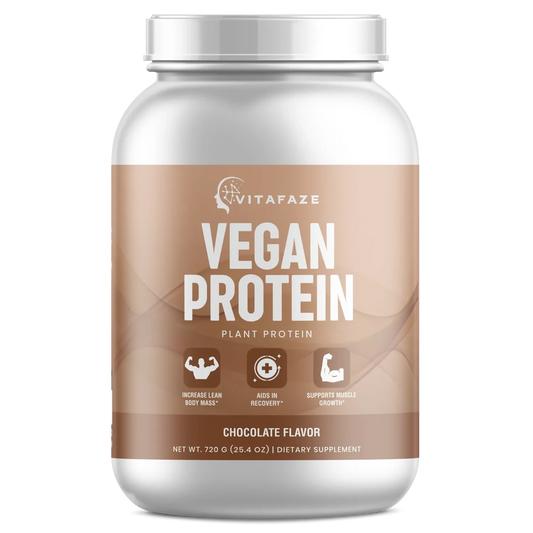
For plant-based runners, VitaFaze's Vegan Protein Chocolate Shake delivers 22 grams of complete plant-based protein from organic pea and brown rice protein per serving, with 4 grams of dietary fiber and zero added sugar at $32.97. The 1.5lb Pure Vegan Protein Vanilla version provides 20 grams of the same complete protein blend at $35.97. The goal isn't to supplement your way out of a poor diet. It's to close the gap between what your training demands and what whole foods alone can practically deliver on a busy schedule.


Persistent fatigue, dead legs, and a recovery that never quite catches up are frustrating, but they're fixable. The signs of protein deficiency in runners are specific enough to diagnose and straightforward enough to address once you know what to look for. VitaFaze's plant-powered protein formulas are built specifically for athletes who want clean, bioavailable ingredients that support muscle protein synthesis without compromising their dietary values. Whether you choose the 1.5lb Pure Vegan Protein Vanilla for post-run recovery or the 2.9lb Essential Meal Replacement Protein Chocolate Milkshake w/0% Added Sugar for high-demand training days, the goal is the same: give your body the amino acids it needs to repair, adapt, and perform. Shop All Products and start closing the gap between the training you're doing and the results you deserve.
===
[1] Q: How much protein do endurance athletes actually need? A: Most endurance athletes need between 1.4 and 1.7 grams of protein per kilogram of body weight per day, which is significantly higher than the general RDA of 0.8 grams per kilogram. For a 150-pound (68 kg) runner, that translates to roughly 95-115 grams of protein daily. High-mileage runners or those in heavy training blocks may need to sit closer to the upper end of that range to support muscle protein synthesis and prevent signs of protein deficiency.
[2] Q: Can a plant-based diet provide enough protein for marathon training? A: Yes, but it requires deliberate planning. Plant-based protein sources like lentils, quinoa, edamame, and pea protein are lower in bioavailability than animal proteins, and most are incomplete proteins on their own. Combining complementary sources throughout the day and supplementing with a complete plant-based protein powder, one that combines pea and rice protein for a full amino acid profile, helps runners on a vegan diet meet their protein requirements for endurance training without relying on animal products.
[3] Q: How long does it take to fix protein deficiency? A: Mild protein deficiency symptoms like fatigue, slow recovery, and increased hunger can begin to improve within one to two weeks of consistently hitting your daily protein targets. More visible signs such as brittle hair, skin changes, or significant muscle atrophy take longer to reverse, often four to eight weeks of adequate intake. Serum albumin levels, a clinical marker of protein status, typically normalize within two to four weeks when intake is corrected and overall nutrition is sufficient.
[4] Q: What depletes the body of protein faster in runners? A: High training volume is the biggest driver. During endurance training, the body breaks down muscle tissue for fuel when carbohydrate stores run low, a process called catabolism. Inadequate caloric intake, skipping post-workout nutrition, and a negative nitrogen balance all accelerate protein depletion. Stress, poor sleep, and illness also increase protein turnover. Runners who under-eat or skip recovery meals after long runs are at the highest risk of developing signs of protein deficiency over time.
Frequently Asked Questions
How much protein do endurance athletes actually need?
Most endurance athletes need between 1.4 and 1.7 grams of protein per kilogram of body weight per day, which is significantly higher than the general RDA of 0.8 grams per kilogram. For a 150-pound (68 kg) runner, that translates to roughly 95-115 grams of protein daily. High-mileage runners or those in heavy training blocks may need to sit closer to the upper end of that range to support muscle protein synthesis and prevent signs of protein deficiency.
Can a plant-based diet provide enough protein for marathon training?
Yes, but it requires deliberate planning. Plant-based protein sources like lentils, quinoa, edamame, and pea protein are lower in bioavailability than animal proteins, and most are incomplete proteins on their own. Combining complementary sources throughout the day and supplementing with a complete plant-based protein powder, one that combines pea and rice protein for a full amino acid profile, helps runners on a vegan diet meet their protein requirements for endurance training without relying on animal products.
How long does it take to fix protein deficiency?
Mild protein deficiency symptoms like fatigue, slow recovery, and increased hunger can begin to improve within one to two weeks of consistently hitting your daily protein targets. More visible signs such as brittle hair, skin changes, or significant muscle atrophy take longer to reverse, often four to eight weeks of adequate intake. Serum albumin levels, a clinical marker of protein status, typically normalize within two to four weeks when intake is corrected and overall nutrition is sufficient.
What depletes the body of protein faster in runners?
High training volume is the biggest driver. During endurance training, the body breaks down muscle tissue for fuel when carbohydrate stores run low, a process called catabolism. Inadequate caloric intake, skipping post-workout nutrition, and a negative nitrogen balance all accelerate protein depletion. Stress, poor sleep, and illness also increase protein turnover. Runners who under-eat or skip recovery meals after long runs are at the highest risk of developing signs of protein deficiency over time.
This article was written using GrandRanker