



How to Mix Plant Protein Powder: Smooth Shakes Every Time
Table of Contents
- What You'll Need to Mix Plant Protein Powder
- The Liquid-to-Powder Ratio That Prevents Clumping
- Shaker Cup Techniques for a Smooth Plant Protein Shake
- How to Avoid Clumps in Protein Shakes: Step-by-Step
- Blender vs Shaker Bottle for Protein: Which Gets a Smoother Texture?
- How to Make Protein Shakes Taste Better Without Added Sugar
- Mixing Plant Protein Into Overnight Oats, Porridge, and Warm Foods
- Storing Pre-Mixed Shakes and Timing Around Workouts
- Frequently Asked Questions
Last Updated: September 16, 2026
What You'll Need to Mix Plant Protein Powder
Learning how to mix plant protein powder starts with the right tools and the right expectations. Plant proteins behave differently from whey, and that difference explains almost every clump you've ever fished out of a shaker.
Plant protein powder is a ground blend of protein sources like pea protein, brown rice protein, hemp seeds, or chickpea flour, and those flours absorb water more slowly than dairy proteins do. That slower absorption is the root cause of chalky texture and stubborn clumping.
Here's what to have on hand before you start:
- A shaker cup with a wire whisk ball or mesh screen
- A kitchen scale or the scoop that came with your tub
- Cold liquid: water, nut milk, or oat milk
- An immersion blender or countertop blender for thicker mixes
- Optional add-ins: chia seeds, flax seeds, beet powder, or a frozen banana
At VitaFaze, we've heard from enough plant-based athletes to know the complaint is rarely the protein itself. It's the technique.
The Liquid-to-Powder Ratio That Prevents Clumping
The right liquid-to-powder ratio for plant protein is roughly 8 to 12 ounces of liquid per 25 to 30 grams of powder, and starting at the higher end is the single easiest fix for clumping. More liquid means more room for particles to separate instead of packing together.
But ratio alone doesn't explain why plant protein clumps. The mechanism is hydration speed. Pea protein, brown rice protein, and hemp protein are ground flours with irregular particle surfaces, and those surfaces absorb water more slowly than the smooth, soluble micelles in whey. When powder hits liquid, the outer particles hydrate first and form a gel shell around dry pockets inside. That shell is the clump. More liquid and more time both give water a path past the shell.
That said, the exact ratio depends on what you're making. A thin shake for a shaker cup sits near 12 ounces. A thick smoothie or a shake you plan to eat with a spoon sits closer to 8.
| Goal | Liquid per 25-30g Powder | Best Liquid | Texture Result |
|---|---|---|---|
| Thin, drinkable shake | 10-12 oz | Water or nut milk | Smooth, easy to sip |
| Standard post-workout shake | 8-10 oz | Oat milk or water | Creamy but pourable |
| Thick smoothie bowl base | 6-8 oz | Oat milk | Spoonable, dense |
| Meal replacement blend | 4-6 oz | Milk or milk alternative | Milkshake consistency |
A common mistake is adding powder to a dry shaker and pouring liquid on top. That traps powder in the bottom corners where no amount of shaking reaches it. Liquid goes in first, always.

Temperature Changes Everything, and It Changes Differently by Protein Type
Most guides treat temperature as a footnote. It's actually the variable that separates a smooth shake from a gritty one, and the effect is not the same across plant proteins.
- Pea protein is the most heat-tolerant of the common plant proteins. It begins to gel and thicken noticeably above roughly 140°F, but it tolerates warm (not boiling) liquid well and actually hydrates faster in it. This is why pea protein works in porridge and warm smoothies if you temper it first.
- Soy protein coagulates more readily with heat, similar to how dairy proteins behave. Above roughly 160°F it can form curd-like flecks that no amount of stirring fixes. Keep soy-based powders in cold or room-temperature liquid.
- Hemp protein is the most heat-sensitive in terms of texture. It doesn't curdle, but warm liquid accelerates the natural grittiness of the hull fiber, so a hemp shake that's smooth cold turns noticeably sandy when warmed. Use hemp in cold applications only.
- Brown rice protein sits in the middle. It hydrates slowly and tolerates warm liquid without curdling, but it needs more liquid volume than pea to avoid a pasty mouthfeel.
Cold liquid slows absorption slightly but keeps the shake from foaming, while warm liquid speeds absorption and reduces clumping but can turn heat-sensitive proteins gritty or curdled. Room-temperature liquid is the safe middle ground for a blended powder you're not sure about.
The Pre-Slurry Method for Any Ratio
When you're working at the thick end of the ratio, 4 to 6 ounces per serving, clumping risk goes up because there's less free liquid to separate particles. The fix is a pre-slurry: whisk the powder into 2 ounces of cool liquid in a separate cup until it forms a smooth paste, then add that paste to the rest of your liquid or base. The paste hydrates evenly before it ever meets a thick medium, which is the same reason cornstarch is slurried before it goes into a hot sauce.
This one step is what makes thick meal-replacement shakes and protein-fortified oats work without a blender.
Shaker Cup Techniques for a Smooth Plant Protein Shake
A shaker cup gets you a smooth shake in about 30 seconds if you load it in the right order. The technique is simple, but the details are what separate a silky shake from a gritty one, and the details change depending on which agitator is inside your cup.
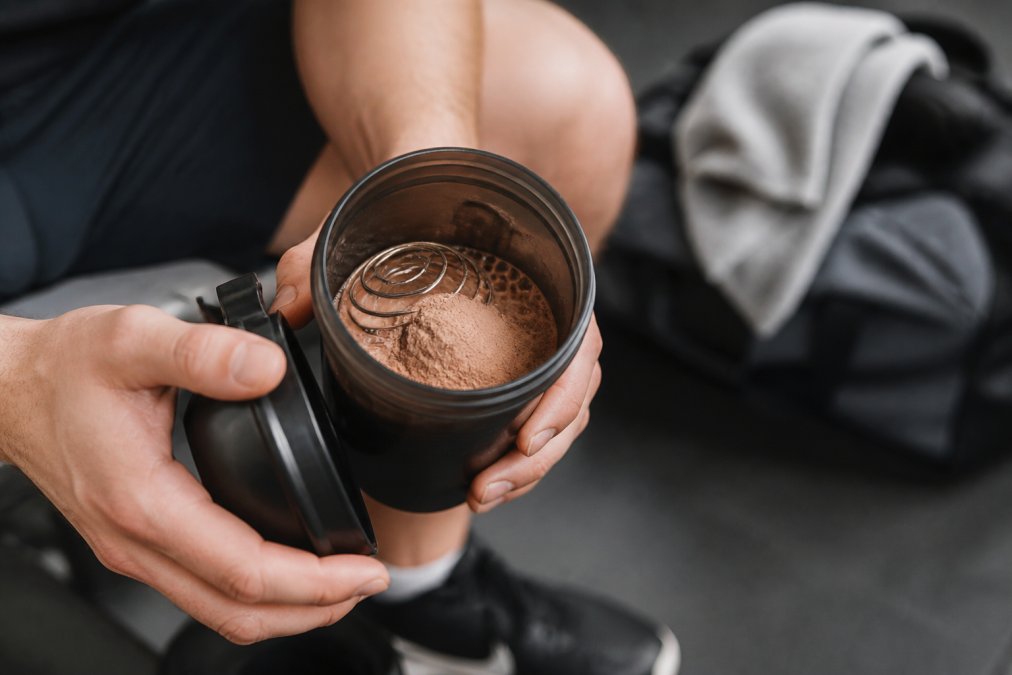
Follow this sequence:
- Pour your liquid in first, filling to about two-thirds of the target volume.
- Add the powder on top so it floats rather than sinking.
- Drop in the whisk ball or confirm the mesh screen is seated.
- Seal the lid and shake hard for 20 to 30 seconds, not a lazy five.
- Top off with the remaining liquid and shake for another 10 seconds.
The two-stage shake is the part most people skip. Adding all the liquid at once can leave dry pockets near the lid that never fully incorporate.
Match Your Agitator to Your Powder
Not all shaker hardware works the same way, and the powder you're mixing should decide which you reach for.
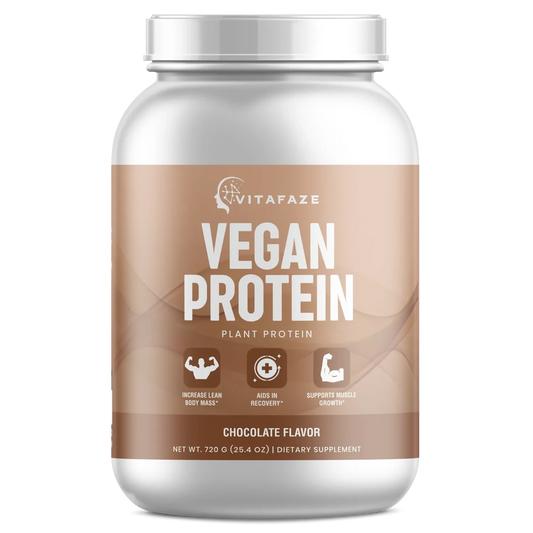
Vegan Protein Chocolate Shake - 1.5lb →
- Wire whisk ball: The most aggressive manual option. The ball travels the full height of the cup and creates turbulent shear that breaks up clumps in dense, fine powders like pea and brown rice protein. Best for single-source or pea-dominant blends.
- Mesh screen or grate: Breaks up larger clumps as liquid passes through, but produces less turbulence than a whisk ball. It works well for finer, faster-hydrating powders and for blends that already disperse easily. Expect to shake a few seconds longer than you would with a ball.
- Blender bottle with a fixed internal strainer: The weakest manual option. Fine powders tend to pack against the strainer and resist mixing. If this is what you have, use the pre-slurry method from the ratio section above before it goes in the cup.
- Immersion blender: The best single-serving upgrade. An immersion blender delivers blade-level shear in the same cup you'll drink from, so cleanup is one rinse. It handles seeds, nut butter, and frozen fruit that a whisk ball can't touch, and it's the tool to use if you're adding chia or flax.
- Countertop blender: The smoothest result and the only option for thick smoothie-bowl bases, but it costs setup and cleanup time. Reserve it for when you're building something closer to a meal.
The Texture Problem Shaker Cups Can't Solve
Even a perfect shake can still taste chalky, and that's a mouthfeel issue, not a clumping issue. Chalkiness comes from insoluble fiber and larger protein particles that settle on the tongue instead of dissolving. A shaker can't fix it because the particles are already as small as the whisk ball can make them.
Two practical levers help:
- A pinch of xanthan gum or a small amount of ground flax raises the viscosity of the liquid so particles stay suspended instead of dropping out of solution. A little goes a long way, start with about 1/8 teaspoon of xanthan per shake and adjust. Too much turns the shake into a gel.
- A longer rest before drinking. Giving the shake 60 to 90 seconds after the final shake lets the finest particles fully hydrate, which softens the chalky edge more than any extra shaking will.
If you want the smoothest possible result from a shaker alone, look for a powder milled finely enough to disperse easily. [VitaFaze's Vegan Protein Chocolate Shake](https://vitafaze.com/products/1-5lb-pure-vegan-protein-rich-chocolate) blends organic pea protein with organic brown rice protein for a rounded amino acid profile, and the fine grind dissolves cleanly in a shaker with cold water.

How to Avoid Clumps in Protein Shakes: Step-by-Step
Avoiding clumps in protein shakes comes down to five habits: liquid first, powder second, adequate volume, enough shake time, and a quick rest before drinking. Each one addresses a specific failure point.
Here's the full sequence I'd hand to anyone frustrated with gritty plant shakes:
- Start with liquid. Pour 8 to 12 ounces of cold water, nut milk, or oat milk into the shaker.
- Add powder gradually. Tip it in over a few seconds rather than dumping the whole scoop at once.
- Seal and shake vertically. Shake up and down for 20 to 30 seconds so the whisk ball travels the full height of the cup.
- Let it rest for 60 seconds. This gives the protein time to hydrate fully. Most remaining grit dissolves in this window.
- Shake once more and drink. A final 5-second shake redistributes anything that settled.
If clumps persist after that, the problem is usually ratio, not technique. Add two more ounces of liquid and shake again.
Never add powder to a shaker that still has dried residue from a previous shake. Those dried flakes don't dissolve, and they'll show up as grit in your fresh shake no matter how long you shake it. Rinse and dry between uses.
Blender vs Shaker Bottle for Protein: Which Gets a Smoother Texture?
A blender produces a smoother texture than a shaker bottle every time, but a shaker wins on convenience and cleanup. Which one you reach for should depend on what you're actually making.
Blenders win when you're adding frozen fruit, nut butter, chia seeds, flax seeds, or leafy greens. Those ingredients need blade action to break down, and a whisk ball simply can't do it. An immersion blender works well for single servings and takes up far less counter space than a full pitcher.
Shaker cups win for plain shakes with water or nut milk and nothing else. They're faster, they rinse clean in seconds, and they fit in a gym bag.
| Factor | Shaker Bottle | Blender |
|---|---|---|
| Texture smoothness | Good with proper technique | Excellent |
| Setup time | Under 1 minute | 2-3 minutes |
| Cleanup | Rinse and go | Disassembly and washing |
| Handles frozen fruit | No | Yes |
| Handles seeds and nut butter | Poorly | Yes |
| Portability | High | Low |
If you want the smoothest possible result from a shaker alone, look for a powder milled finely enough to disperse easily. VitaFaze's Vegan Protein Chocolate Shake blends organic pea protein with organic brown rice protein for a rounded amino acid profile, and the fine grind dissolves cleanly in a shaker with cold water.
How to Make Protein Shakes Taste Better Without Added Sugar
Making protein shakes taste better without added sugar is mostly about flavor layering, not sweetness. A few well-chosen additions change the entire flavor profile without pushing sugar content up.
Start with your liquid base. Oat milk adds natural creaminess and a mild sweetness that water can't match. Nut milk is lighter and lets other flavors come through more clearly.
Then layer in flavor:
- Cocoa powder for a deeper chocolate note without sugar
- Cinnamon or vanilla extract to round out earthy pea protein flavors
- Beet powder for color and a subtle sweetness
- Frozen berries for tartness and thickness at the same time
- A pinch of salt to make sweetness read stronger without adding any
Texture matters as much as taste here. A chalky mouthfeel makes even a well-flavored shake unpleasant, which is why the mixing technique above comes first. Get the texture right, then adjust flavor.
Temperature plays a role too. A shake served very cold tastes sweeter than the same shake at room temperature, because cold dulls bitterness perception. Chill your liquid beforehand if you can.
Vegan Protein Chocolate Shake - 1.5lb →
[VitaFaze's Essential Meal Replacement Protein Chocolate Milkshake](https://vitafaze.com/products/2-9lb-essential-meal-replacement-protein-chocolate-milkshake-w-0-added-sugar) leans on this idea directly. It delivers 24 grams of protein per serving from seven protein sources with zero added sugar, and the milkshake-style flavor means you're not fighting the base taste to begin with.

Mixing Plant Protein Into Overnight Oats, Porridge, and Warm Foods
Plant protein works in overnight oats and porridge, but each needs a different approach because temperature changes how the powder behaves. Warm foods speed up hydration and reduce clumping; cold overnight setups need more time and more liquid.
For overnight oats, stir the powder into your liquid first, then pour that mixture over the oats. Adding dry powder directly to oats guarantees clumps. Use about 1.5 times the liquid you'd normally use, since the protein thickens the mix as it sits. Chia seeds and flax seeds work well here for extra nutritional density.
For porridge, cook the oats first, then let them cool for two or three minutes before stirring in protein. Adding powder to actively boiling porridge causes it to seize into rubbery lumps. Off-heat is the rule.
For warm smoothies or soups, whisk the powder into a small amount of cool liquid first to make a smooth paste, then stir that paste into the warm base. This tempers the powder and prevents the sudden clumping that direct heat causes.
Storing Pre-Mixed Shakes and Timing Around Workouts
A pre-mixed plant protein shake keeps for about 24 hours in a sealed container in the refrigerator, and it separates as it sits. That separation is normal, not spoilage. Shake it hard before drinking and the texture returns.
For longer storage, freeze the shake in a sealed bottle and thaw it overnight in the fridge. Texture suffers slightly after freezing, but it's a workable option for batch prep.
On timing, the practical window is wider than most people assume:
- Pre-workout: 30 to 60 minutes before training, with a lighter liquid ratio so it digests easily
- Post-workout: within a couple of hours after training, which is a comfortable window rather than a tight deadline
- Between meals: any time you need to close a protein gap in your day
Digestibility varies by protein source and by person. Pea protein and rice protein blends tend to sit more easily than single-source powders for many people, largely because the amino acid profile is more complete.
VitaFaze's Essential Meal Replacement Protein Vanilla Milkshake includes digestive enzymes and 5 grams of fiber per serving, which supports absorption and makes it a reasonable option for a pre-workout or between-meals shake. Mix two scoops with 4 to 6 ounces of liquid for a thicker shake, or add more liquid for something lighter.
One storage note most guides skip: don't leave a mixed shake in a warm gym bag for hours. If you can't refrigerate it, drink it within an hour or two of mixing.
Mixing plant protein well is a skill, and it's the difference between a shake you look forward to and one you choke down. VitaFaze builds plant-powered formulas with clean, bioavailable ingredients designed for exactly this, from the organic pea and brown rice blend in our recovery shake to meal replacements with digestive enzymes for better absorption. If you're ready to stop fighting clumps and start fueling recovery properly, shop the VitaFaze lineup and find the shake that fits your training.
Frequently Asked Questions
Is it better to mix plant protein powder with water or milk?
Water gives you a thinner shake with fewer calories and lets the flavor come through clearly. Milk, including oat milk or nut milk, adds creaminess and extra protein or fat, which can smooth out a chalky texture. For a 22g protein shake like VitaFaze Vegan Protein Chocolate, start with 8 to 12 ounces of liquid and adjust for thickness. If you use a plant-based milk, check the label for added sugar so your shake stays clean.
How do you get rid of the chalky texture in plant protein powder?
Chalkiness usually comes from too little liquid, under-mixing, or a powder with coarse particles. Use at least 8 ounces of liquid per scoop, add liquid first, then powder, and shake for 20 to 30 seconds. A wire whisk ball or immersion blender breaks up clumps more effectively than a plain shaker. If the texture still feels gritty, blend with half a frozen banana or a tablespoon of chia seeds to add body and mask the graininess.
Can you mix plant protein powder into hot liquids like coffee or oatmeal?
Yes, but temperature matters. Boiling liquid can cause plant proteins to clump and thicken suddenly. Let hot coffee, tea, or porridge cool to about 140 to 160 degrees Fahrenheit before stirring in the powder. Add the powder slowly while whisking, or mix it with a small amount of cold water first to make a paste, then stir that into the warm base. This keeps the texture smooth and protects the flavor.
Does blending plant protein powder change its nutritional value?
Blending does not break down protein or reduce its nutritional value. It only changes the texture by breaking up clumps and incorporating air. The amino acids, calories, and protein content stay the same whether you shake or blend. One practical difference: blending with ice or frozen fruit adds volume and water content, so you may feel fuller, but the protein per serving remains identical to what the label states.