



How to Increase Endurance Naturally: 9 Steps
Table of Contents
- Understand the Difference Between Endurance and Stamina
- Step 1: Build Your Aerobic Base with Steady-State Cardio
- Step 2: Add High-Intensity Interval Training to Boost VO2 Max
- Step 3: How to Improve Cardiovascular Endurance Through Progressive Overload
- Step 4: Master Vegan Endurance Nutrition for Sustained Performance
- Step 5: Prioritize Recovery Strategies for Vegan Athletes
- Step 6: Develop Mental Endurance and Psychological Resilience
- Step 7: Track Progress and Adjust Your Training Volume
- Step 8: Avoid Common Mistakes That Sabotage Endurance Gains
- Conclusion: Consistency Is Your Most Powerful Tool
Last Updated: August 24, 2026
Understand the Difference Between Endurance and Stamina
Endurance is your body's ability to sustain prolonged physical effort over extended periods, while stamina refers to your energy reserves and resistance to fatigue. They're related but distinct. Endurance is about duration, how long you can maintain effort. Stamina is about capacity, how much effort you can generate before exhaustion sets in.
Think of it this way: a distance runner has exceptional endurance, maintaining a steady pace for hours. A sprinter has high stamina, generating explosive power for short bursts. Both matter for athletic performance, but they develop differently.
When you're learning how to increase endurance naturally, you're training your cardiovascular system, mitochondrial density, and aerobic capacity to sustain work over time. This is fundamentally different from building raw strength or power. Your heart becomes more efficient, your muscles learn to extract oxygen more effectively, and your body adapts to spare glycogen stores while burning fat for fuel.
The distinction matters because your training approach changes based on which quality you're targeting. Endurance training emphasizes consistency, progressive overload, and recovery. It's the opposite of "go hard or go home." You're building a foundation that allows your body to work efficiently at moderate intensities for hours.
Understanding this difference also helps you avoid a common mistake: confusing high-intensity training with endurance training. Yes, interval training boosts aerobic capacity, but it's not the primary driver of endurance. That comes from steady-state work where you maintain a challenging but sustainable pace.
Step 1: Build Your Aerobic Base with Steady-State Cardio
Your aerobic base is the foundation for everything else. This is the slow, consistent work that trains your body to efficiently use oxygen and fat as fuel sources. Most people skip this step because it feels too easy, but that's exactly why it works.
Steady-state cardio means maintaining a pace where you can hold a conversation but not sing. For running, that's typically 60-70% of your maximum heart rate (acsm.org). For cycling, it's similar. The intensity feels almost boringly easy, which is the point. You're training your aerobic system without triggering the stress responses that require heavy recovery.

Start with three sessions per week, 30-45 minutes each. This is enough to trigger adaptation without overwhelming your recovery capacity. Your body responds to this consistency by increasing mitochondrial density in your muscle cells, improving cardiac output, and enhancing oxygen use. These adaptations take weeks to become noticeable, which is why patience matters.
A practical approach: pick one activity you actually enjoy. Running, cycling, rowing, swimming, the best choice is whatever you'll stick with. Consistency beats optimization every time. You'll build more aerobic capacity doing the same easy run three times weekly than switching between activities or doing sporadic harder efforts.
The mistake most people make is going too hard on these sessions. Your aerobic base work should feel easy. If you're gasping for breath, you're training the wrong system. Dial it back. The adaptation happens in the recovery, not during the effort.
Step 2: Add High-Intensity Interval Training to Boost VO2 Max
Once you've built a solid aerobic base (4-6 weeks minimum), you can layer in interval training. This is where you boost your VO2 max, the maximum amount of oxygen your body can use during intense effort. Higher VO2 max means better aerobic capacity and improved endurance performance (peer-reviewed research).
High-intensity interval training (HIIT) works by pushing your anaerobic threshold higher. You do short bursts at 85-95% of max heart rate, followed by recovery periods. A simple structure: 4-6 intervals of 3-5 minutes hard effort, with equal or longer recovery between efforts.
The key word is "interval," not "constant high intensity." You're not running all-out for 30 minutes. You're doing structured bursts with recovery. This allows you to accumulate more time at high intensity than you could sustain continuously, which triggers the adaptation you're after.
Add interval training once per week, maximum twice. More than that and you'll accumulate fatigue faster than you recover. One session weekly is often enough to drive significant improvements in VO2 max over 8-12 weeks.
The physiological adaptation here is different from steady-state work. Interval training increases the number of mitochondria in your muscle fibers and improves your lactate threshold, the point where lactate accumulates faster than your body can clear it. This lets you maintain harder efforts without accumulating fatigue as quickly.
Step 3: How to Improve Cardiovascular Endurance Through Progressive Overload
Progressive overload is the principle that your body adapts to the demands you place on it. To continue improving cardiovascular endurance, you need to gradually increase those demands. Without it, you plateau.
There are several ways to apply progressive overload without going harder every session:
- Increase duration: Add 5-10 minutes to your steady-state sessions every 2-3 weeks
- Increase frequency: Move from three sessions weekly to four, keeping intensity the same
- Decrease recovery: Shorten rest periods between intervals while keeping the work intervals the same
- Increase intensity slightly: Raise your target heart rate zone by 3-5 beats per minute every 3-4 weeks
- Increase volume: More total training time per week
The mistake is increasing too much too fast. A common rule: increase total training volume by no more than 10% per week. If you're doing 150 minutes per week, your next week should be around 165 minutes, not 200.
Progressive overload also applies to your aerobic base work. That easy run that felt challenging three months ago should feel significantly easier now. Your body has adapted. You can increase the pace slightly, the duration, or the frequency. This steady progression is what drives long-term improvements in endurance.
Track your efforts. Note the distance, duration, and how the effort felt. This gives you concrete data to guide progression. You'll notice that efforts that felt hard become easier over time, that's the adaptation happening.
Step 4: Master Vegan Endurance Nutrition for Sustained Performance
Your nutrition directly impacts your ability to increase endurance naturally. Plant-based athletes face specific nutritional challenges: ensuring adequate protein, securing all essential amino acids, and maintaining proper micronutrient status.
Start with carbohydrate timing. Endurance training depletes your muscle glycogen stores. Consuming carbohydrates before, during, and after training helps replenish those stores and supports recovery. A simple guideline: eat a carbohydrate-rich meal 2-3 hours before training, or a lighter snack 30-60 minutes before.

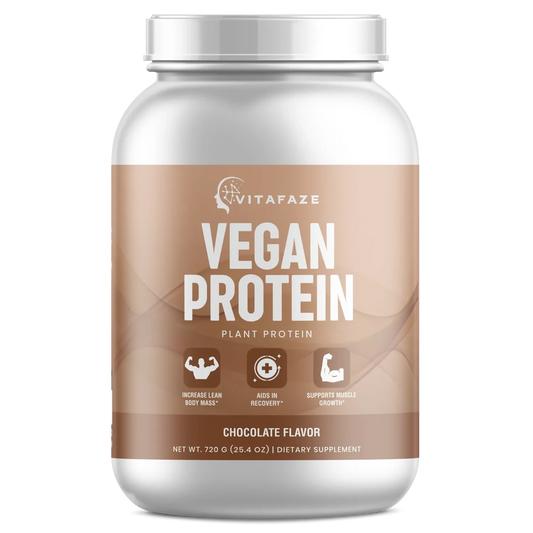
Protein is critical for muscle repair and adaptation. Plant-based sources like legumes, tofu, and tempeh are excellent, but they're often lower in protein density than animal sources. This is where targeted supplementation helps. VitaFaze's plant-powered protein formulas are designed to bridge this gap with clean, bioavailable ingredients that support muscle protein synthesis without animal products.
For endurance specifically, consider supplementation with creatine. VitaFaze's Creatine Powder ($38.50) supports cellular energy production, which is particularly valuable during high-intensity intervals. Creatine works by increasing phosphocreatine stores in your muscles, which fuels the ATP system during intense effort. This is one of the most researched supplements, with consistent evidence supporting its safety and effectiveness for plant-based athletes.

Micronutrient status matters too. Plant-based diets can be lower in iron, B12, and certain minerals critical for oxygen transport and energy metabolism. Iron deficiency impairs aerobic capacity directly. B12 supports energy metabolism and neurological function.
Beetroot is worth highlighting. VitaFaze's Organic Beetroot ($22.97) contains natural nitrates that increase nitric oxide production, improving blood flow and oxygen delivery to working muscles. This directly supports cardiovascular endurance by enhancing oxygen use efficiency.
Hydration status affects everything. Dehydration impairs performance, increases perceived effort, and slows recovery. Aim for consistent hydration throughout the day, not just during training. During sessions longer than 60 minutes, consume electrolyte-containing fluids to maintain electrolyte balance.
Step 5: Prioritize Recovery Strategies for Vegan Athletes
Recovery is where the adaptation happens. Training creates the stimulus; recovery is when your body responds by becoming stronger and more efficient. Neglecting recovery is the fastest way to stall progress or get injured.
Active recovery is underrated. Easy movement on rest days, walking, gentle cycling, yoga, promotes blood flow and facilitates recovery without adding significant fatigue. This is different from doing nothing. The movement helps clear metabolic byproducts and maintains mobility.
Sleep is non-negotiable. This is where your body consolidates adaptations, repairs muscle damage, and restores energy stores. Aim for 7-9 hours nightly. Sleep architecture matters: consistent bedtime and wake time, cool dark room, minimal screen time before bed. Poor sleep quality directly impairs endurance performance and slows recovery.
Muscle soreness and fatigue are normal after hard efforts, but excessive soreness indicates incomplete recovery. This is where supplementation supports your natural recovery process. VitaFaze's Glutamine Powder 300g ($37.10) provides the amino acid glutamine, which supports muscle recovery and immune function. Glutamine becomes conditionally essential during intense training, meaning your body's demand exceeds its production capacity.

Nutrition timing around training matters. Consuming protein and carbohydrates within 30-60 minutes after training accelerates recovery by replenishing glycogen and providing amino acids for muscle repair. This doesn't need to be complex, a simple meal with plant-based protein and carbs works perfectly.
Stress management affects recovery. Chronic stress elevates cortisol, which impairs recovery and increases injury risk. Training is a stress on your system. If you're also under high life stress, reduce training volume or intensity temporarily. Recovery capacity is finite.
Step 6: Develop Mental Endurance and Psychological Resilience
Physical endurance depends on mental toughness. The ability to push through discomfort, maintain focus during fatigue, and sustain effort when your body wants to quit separates good endurance athletes from great ones.
Mental endurance training is deliberate practice. During training, you're not just building aerobic capacity, you're training your mind to tolerate discomfort. This is why easy sessions matter: they teach your mind that sustained effort is manageable. Hard sessions teach your mind that you can handle intensity.
Visualization works. Before training, spend 2-3 minutes mentally rehearsing the session. See yourself maintaining steady effort, handling the discomfort, and finishing strong. This primes your nervous system and improves actual performance.
Break long efforts into segments. Instead of thinking "I have 90 minutes to go," think "I have five 18-minute blocks." This makes the task feel more manageable and gives you psychological checkpoints.
Develop a mantra or focal point. Something simple: "Steady effort," "I'm strong," or "This is temporary." During hard moments, repeat it. This redirects your attention away from discomfort and toward your goal.
Accept that discomfort is part of the process. The mental shift from "this hurts, I should stop" to "this is supposed to hurt, I'm adapting" changes everything. Discomfort is information that you're training hard enough to trigger adaptation.
Step 7: Track Progress and Adjust Your Training Volume
You can't manage what you don't measure. Tracking your training gives you concrete data to guide decisions and shows progress that might not be obvious week-to-week.
Track these metrics:
- Duration and distance: How long you trained and how far you went
- Perceived effort: How hard the session felt (1-10 scale)
- Heart rate: Resting heart rate and average heart rate during training
- Recovery quality: How you felt the next day
- Mood and energy: Your general sense of vitality
Over 8-12 weeks, you'll see patterns. Your resting heart rate should decrease slightly as your cardiovascular system becomes more efficient. Efforts that felt hard should feel easier. You should recover faster between sessions.
Training volume is the total amount of work you're doing. It's a key driver of endurance improvement, but it's also the biggest risk factor for overtraining. More volume isn't always better. The sweet spot is the minimum volume that drives adaptation while allowing complete recovery.
If you're seeing consistent improvements and recovering well, you can increase volume. If you're fatigued, not recovering between sessions, or seeing plateaus, reduce volume slightly. Sometimes stepping back for a week allows your body to fully adapt and resets your system.
Use a simple spreadsheet or app to track sessions. Review it monthly. Look for trends: are you getting faster? Are recovery metrics improving? Is volume increasing appropriately? This data guides your next adjustment.
Step 8: Avoid Common Mistakes That Sabotage Endurance Gains
Most people fail at building endurance not because they lack effort, but because they make predictable mistakes.
Going too hard on easy days. This is the biggest mistake. Easy sessions should feel easy. If you're always training hard, you're accumulating fatigue faster than you recover. Your body never fully adapts. The fix: dial back easy sessions to 60-70% max heart rate, even if it feels slow.
Skipping the aerobic base. People want to jump straight to interval training because it feels productive. But without a solid aerobic foundation, interval training is less effective and recovery takes longer. Build your base first.
Increasing volume too fast. Adding 50% more training in one week guarantees overtraining. Increase by 10% weekly maximum. Your body needs time to adapt to new demands.
Neglecting recovery. Training hard without matching recovery is like putting money in a bank account while continuously withdrawing more. You never accumulate gains. Sleep, nutrition, and rest days are not optional.
Inconsistency. Training hard one week, barely training the next, then going hard again. Your body can't adapt to inconsistent demands. Consistency over intensity builds endurance.
Ignoring nutrition gaps. Plant-based athletes need to be deliberate about protein, iron, B12, and other micronutrients. Gaps here directly impair performance and recovery. Address them proactively.
Not tracking progress. Without data, you're guessing. You don't know if you're improving, recovering well, or training appropriately. Track it.
Conclusion: Consistency Is Your Most Powerful Tool
Building endurance naturally takes time. There's no shortcut. You're asking your body to adapt to new demands, and adaptation requires consistency, proper recovery, and appropriate nutrition.
The framework is simple: build an aerobic base with steady-state work, layer in interval training to boost VO2 max, apply progressive overload to drive continued improvement, prioritize recovery, and track progress. Mental toughness develops naturally as you accumulate training experience.
Your nutrition directly supports these adaptations. VitaFaze's plant-powered supplements are formulated specifically for athletes like you, plant-based performers who want to optimize recovery and performance without compromising your values. The Pre-Workout w/Creatine 5g (Grape Annihilator) at $49.97 combines creatine with performance ingredients to support your hardest efforts. The Organic Beetroot at $22.97 enhances oxygen delivery. The Glutamine Powder supports recovery between sessions.

Start where you are. Pick one type of training to begin with, steady-state cardio works best. Train consistently for 4-6 weeks before adding complexity. Let your body adapt. Track your progress. Adjust based on data, not feelings.
Consistency compounds. Three months of steady work produces noticeable improvements. Six months produces significant changes. A year of consistent training transforms your aerobic capacity. The athletes you admire didn't get there with shortcuts. They got there with relentless consistency.
Frequently Asked Questions
How can I increase my endurance without running?
Running isn't your only option. Cycling, swimming, rowing, and cross-country skiing all build aerobic capacity and cardiovascular endurance effectively. The key is choosing activities that elevate your heart rate for extended periods and match your fitness level. Plant-based athletes often combine different cardio modalities to avoid overuse injuries while building aerobic base and stamina across varied movement patterns.
What's the best vegan endurance nutrition strategy for distance athletes?
Focus on carbohydrate-rich whole foods like oats, quinoa, and sweet potatoes for sustained energy, paired with plant-based proteins from legumes, tofu, and hemp seeds. Supplement with targeted products like VitaFaze's Creatine Powder ($38.50) to support muscle endurance, and Organic Beetroot ($22.97) to enhance nitric oxide production and oxygen utilization. Include adequate electrolytes through plant-based sources or supplements to maintain hydration status during long efforts.
How long does it take to build endurance naturally?
Noticeable improvements in aerobic capacity and stamina typically emerge within 4-6 weeks of consistent training. Meaningful gains in VO2 max and anaerobic threshold require 8-12 weeks of structured effort. However, building true long-distance endurance for marathon or ultra-distance events requires months of progressive training. Consistency matters more than speed, steady progression prevents overtraining syndrome and supports sustainable performance gains.
Do I need supplements to increase my endurance naturally?
Whole foods form the foundation of endurance nutrition, but strategic supplementation bridges nutritional gaps common in plant-based diets. Creatine supports muscle endurance and energy production; beetroot enhances blood flow and oxygen delivery; glutamine aids recovery between sessions. VitaFaze's Pre-Workout with Creatine ($49.97) combines multiple endurance-supporting ingredients in one formula, making it easier for vegan athletes to meet their performance needs without compromising their values.
This article was written using GrandRanker