



How to Choose Clean Label Vegan Supplements in 2026
Table of Contents
- What You'll Need Before You Start
- What Is a Clean Label Vegan Supplement?
- How to Read Supplement Labels Like a Pro
- The Role of Third-Party Supplement Testing
- Spotting Fillers, Binders, and Synthetic Additives
- Decoding Natural Flavors and Sweeteners
- Best Tasting Plant Protein Powder Reviews and What They Reveal
- Budget-Friendly Clean Label Shopping
- Common Mistakes to Avoid When Choosing Clean Label Vegan Supplements
- Conclusion: Your Clean Label Checklist
- Frequently Asked Questions
Last Updated: September 19, 2026
What You'll Need Before You Start
Before you shop, gather three things: your current supplement routine, a way to check certifications, and a budget range. This prep work takes about 20 minutes and saves hours of confusion later.
Here's your starting checklist:
- List every supplement you currently take and why
- Note any gaps in your diet (protein, B12, iron, vitamin D)
- Set a monthly budget you can sustain
- Bookmark a certification lookup tool
- Download a label-reading guide
The clean label concept started in food and spread to supplements. For vegan products, it adds another layer: no gelatin capsules, no carmine coloring, no whey or casein hiding in "protein blends." The label tells you what the maker wants you to see. Certifications tell you what a third party verified.
That gap matters. Let's close it.
What Is a Clean Label Vegan Supplement?
A clean label vegan supplement is a product with no animal-derived ingredients, minimal synthetic additives, and full disclosure of every component on its label. It avoids artificial colors, fillers, and vague terms like "natural flavor" that hide what's actually inside.
The clean label concept started in food and spread to supplements. For vegan products, it adds another layer: no gelatin capsules, no carmine coloring, no whey or casein hiding in "protein blends."
What counts as clean varies by brand. That's the problem. No single rule governs the term, so you have to check each claim yourself.
Three things separate a genuinely clean product from clever marketing:
- Full ingredient disclosure with no proprietary blends
- Third-party testing for purity and potency
- Vegan certification from a recognized body
Miss any one of these, and you're guessing.
How to Read Supplement Labels Like a Pro
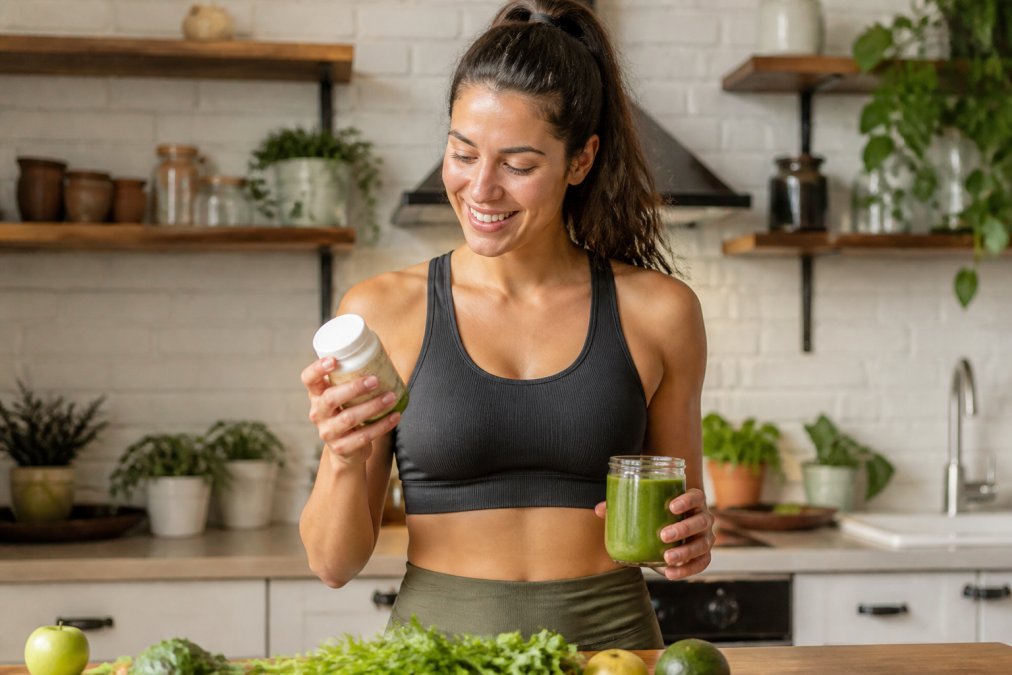
Reading a supplement label comes down to three zones: the Supplement Facts panel, the ingredient list, and the certification seals. Most people read the front of the bottle. The truth lives on the back.
Start with the Supplement Facts panel. Check the serving size first. A product claiming "20g protein" might mean per two scoops, not one. Then look at the "% Daily Value" column, a blank or asterisked value usually means the amount is below the threshold that requires disclosure, which can hide underdosing.
Next, scan the ingredient list. Ingredients are listed by weight, so anything near the top is present in meaningful amounts. Watch for these red flags:
- "Proprietary blend" with no individual amounts listed, you can't verify dosing
- "Natural flavors" without explanation, a legal catch-all
- Artificial colors like Red 40, Yellow 5, or Blue 1
- Titanium dioxide or magnesium stearate in large amounts
- "Other ingredients" that make up a suspiciously large share of the formula
Decoding "Natural Flavors" and "Natural Sweeteners"
"Natural flavors" is the single most misleading phrase on a supplement label. Under FDA rules, it can cover dozens of sub-ingredients, including solvents, preservatives, and carriers, without listing any of them individually. The word "natural" only means the source was once a plant or animal; it says nothing about how it was processed or whether it's vegan.
Natural sweeteners get similar treatment. Here's what the common ones actually are:
- Stevia (Reb-A), plant extract, zero calories, generally well tolerated
- Erythritol, sugar alcohol, low calorie, can cause bloating in large doses
- Monk fruit, plant extract, zero calories, clean profile
- Coconut sugar, still sugar, just less processed
- Allulose, a rare sugar, low calorie, newer to the market
The word "natural" tells you nothing about safety or source. Arsenic is natural. So is cyanide.
What to do instead: look for specific names. "Organic stevia leaf extract" beats "natural sweetener" every time. Specificity signals a company that's not hiding anything.
Then check the seals. Look for USP, NSF, or Informed Choice logos, and verify them on the certifier's own website, not just the bottle. A logo means nothing if you don't confirm it.
The FDA's guidance on dietary supplement labeling explains what companies must disclose. It's worth a read before your next purchase.
The Role of Third-Party Supplement Testing
Third-party supplement testing is when an independent lab checks a product for purity, potency, and contaminants. It's the closest thing to a guarantee you'll get, but only if you understand what's actually being tested.
Here's why it matters. The FDA treats supplements as food, not drugs. That means no pre-market approval. A company can launch a product without proving it contains what the label claims. Testing bodies fill that gap.
The main certifiers and what they actually verify:
- USP (United States Pharmacopeia), verifies ingredient identity, strength, and purity, plus reviews manufacturing facilities against GMP standards
- NSF International, tests for contaminants and label accuracy; its Certified for Sport program screens for more than 280 athletic-banned substances
- Informed Choice / Informed Sport, screens every batch for banned substances and publishes results
- ConsumerLab, an independent reviewer that buys products off the shelf and tests them without brand involvement
Each has different standards. None is perfect. But a product with zero third-party verification is a bigger risk.
What Contaminant Testing Actually Looks For
This is where most guides stop, and where the real quality difference lives. A meaningful testing protocol checks for:
- Heavy metals, lead, arsenic, cadmium, and mercury. These are the top concern for plant-based products because rice, cocoa, and some leafy greens naturally uptake metals from soil. Labs use ICP-MS (inductively coupled plasma mass spectrometry) to detect them at parts-per-billion levels.
- Microplastics and phthalates, an emerging concern. Some labs now run FTIR spectroscopy or GC-MS to screen for plasticizers that can leach from packaging or processing equipment.
- Microbiological contaminants, salmonella, E. coli, yeast, and mold, especially relevant for powders and fermented ingredients.
- Solvent residues, hexane and other extraction solvents used in some protein and botanical processing.
- Pesticides and herbicides, particularly important for non-organic botanical ingredients.
A brand that publishes a Certificate of Analysis (COA) showing these panels is doing more than a brand that just prints a logo.
Batch Testing vs. One-Time Certification
There's a quiet difference between "certified" and "tested every batch." Some certifications verify a single production run and let the brand use the seal indefinitely. Others require lot-by-lot testing with published results. For a product you take daily, batch testing is the stronger signal, it catches supply-chain changes that a one-time review would miss.
Ask yourself: if a brand won't pay for ongoing testing, what are they hiding?
Spotting Fillers, Binders, and Synthetic Additives
Fillers and binders are inactive ingredients that add bulk or hold a pill together. Some are harmless. Others cause problems, especially if you have allergies or digestive issues.
Common ones to watch for:
- Magnesium stearate - a flow agent, generally safe in small amounts
- Titanium dioxide - a whitening agent, banned in some countries
- Silicon dioxide - an anti-caking agent, usually fine
- Cellulose - plant fiber, generally safe
- Dicalcium phosphate - a filler, often from non-vegan sources
The dose matters. A tiny amount of magnesium stearate won't hurt you. But when you take six supplements a day, these additives stack up.
A common mistake is assuming "vegan" means "clean." A product can be vegan and still packed with synthetic additives. Check both claims separately.
Decoding Natural Flavors and Sweeteners
"Natural flavors" is a catch-all term that can cover dozens of ingredients. The FDA allows companies to use it without listing what's inside. That's legal, but it's not transparent.
Natural sweeteners get similar treatment. Here's what the common ones actually are:
- Stevia (Reb-A) - plant extract, zero calories, generally well tolerated
- Erythritol - sugar alcohol, low calorie, can cause bloating in large doses
- Monk fruit - plant extract, zero calories, clean profile
- Coconut sugar - still sugar, just less processed
The word "natural" tells you nothing about safety or source. Arsenic is natural. So is cyanide.
What to do instead: look for specific names. "Organic stevia leaf extract" beats "natural sweetener" every time. Specificity signals a company that's not hiding anything.
Best Tasting Plant Protein Powder Reviews and What They Reveal
Reviews of the best tasting plant protein powders reveal a pattern: taste and clean ingredients rarely come together. Most brands pick one.
The problem is texture. Plant proteins like pea and rice are gritty on their own. Companies add gums, artificial thickeners, or heavy sweeteners to fix that. The result tastes better but reads worse on a label.
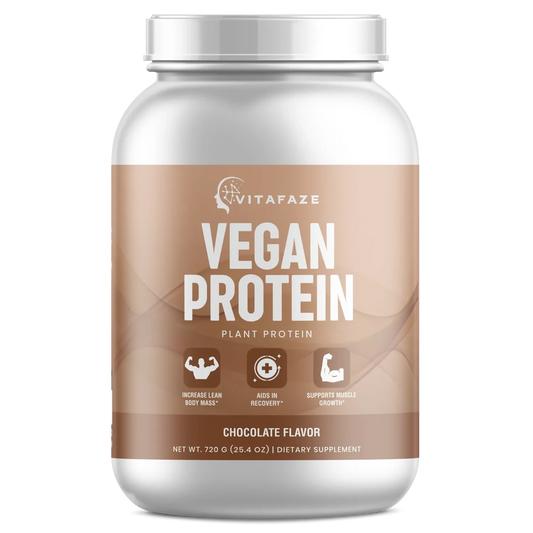
VitaFaze takes a different route with the Vegan Protein Chocolate Shake. It blends organic pea protein with organic brown rice protein for a complete amino acid profile. Each scoop delivers 22 grams of protein.

What's in it:
- Organic chocolate flavor and cocoa powder for taste
- Organic erythritol and organic stevia for sweetness
- Only 3g of sugar and 140 calories per serving
- 4g of dietary fiber and organic acacia gum for digestion
- 155 mg of calcium for bone support
No proprietary blends. No mystery ingredients. It's the kind of label you can read in under a minute.
That's the standard to hold every product to.
Budget-Friendly Clean Label Shopping
Clean label shopping doesn't have to break your budget. The trick is knowing where to spend and where to save.
Here's a simple framework:
| Priority | Spend More | Save Here |
|---|---|---|
| Protein powder | Third-party tested brands | Buy in larger sizes |
| Multivitamins | USP or NSF certified | Skip mega-doses |
| Vitamin C | Whole-food sources | Store-brand options |
| B12 | Methylcobalamin form | Buy in bulk |
| Omega-3 | Algae-based, tested | Compare per-serving cost |
The biggest savings come from buying fewer, better products. Most people take supplements they don't need. Cut the ones with no clear purpose.

VitaFaze's Plant Source Vitamin C costs $27.98 and uses organic amla as its base. That's a whole-food source, not synthetic ascorbic acid. It's GMP certified and made in the USA.
Compare that to a $10 synthetic option. The cheap one works, but it lacks the co-botanicals that help absorption. You get what you pay for.
Common Mistakes to Avoid When Choosing Clean Label Vegan Supplements
The most common mistake is trusting the front of the label. Words like "natural," "pure," and "clean" have no legal definition in supplements. They're marketing.
Other common mistakes include:
- Ignoring serving sizes - a "30g protein" claim might mean two scoops
- Skipping the certification check - a logo means nothing if you don't verify it
- Buying based on taste alone - flavor often comes at the cost of clean ingredients
- Assuming vegan means allergen-free - many plant proteins contain soy or gluten
- Chasing every new trend - most "miracle" ingredients lack real research
One more thing. Don't assume expensive means better. Some budget brands test rigorously. Some premium brands don't. The label and certifications matter more than the price tag.
Conclusion: Your Clean Label Checklist
Choosing clean label vegan supplements takes work. But the payoff is real: better absorption, fewer additives, and products that actually do what they claim.
Here's your final checklist:
- Full ingredient disclosure, no proprietary blends
- Third-party testing from USP, NSF, or Informed Choice
- Vegan certification from a recognized body
- Specific ingredient names, not vague terms
- No artificial colors or unnecessary fillers
- Clear serving sizes and dosage info
- Published test results or COAs
VitaFaze builds every product around these standards. Our plant-powered formulas use clean, bioavailable ingredients designed for real recovery and endurance. From the Vegan Protein Chocolate Shake to our Plant Source Vitamin C, each product is made to support your training without compromise.
Get started with VitaFaze and fuel your performance with supplements you can actually trust.
Frequently Asked Questions
What label should I look for on supplements to ensure quality?
Look for a Supplement Facts panel with clear dosage information, a complete ingredient list without proprietary blends, and third-party certification marks like NSF Certified for Sport or USP Verified. These certifications confirm the product was tested for purity, potency, and contaminants. Also check for allergen statements and a GMP certification on the manufacturing facility. A transparent label tells you exactly what is inside and at what dose, so you can verify the product matches your clean label standards.
How can I verify the transparency of a supplement brand?
Start by checking whether the brand publishes third-party test results or certificates of analysis on its website. Look for specific certifications such as non-GMO, organic, or vegan seals from recognized organizations. A transparent brand will list every ingredient, including excipients, and provide the exact amount of each active compound. You can also search the FDA warning letter database and the FTC's website for any enforcement actions. If a brand avoids answering direct questions about sourcing or testing, treat that as a red flag.
Are third-party certifications necessary for vegan supplements?
They are not legally required, but they are the most reliable way to confirm a product meets its claims. Third-party testing verifies that the supplement contains what the label says, in the right potency, without heavy metals, microplastics, or undeclared allergens. Certifications like NSF, USP, and Clean Label Project provide independent verification that a brand's internal quality assurance may not. For vegan supplements specifically, third-party testing also helps confirm no animal-derived ingredients were used in processing aids or capsules.
What ingredients are avoided in clean label products?
Clean label products typically avoid artificial sweeteners like sucralose and aspartame, synthetic additives such as titanium dioxide and artificial colors, and unnecessary fillers including magnesium stearate and silicon dioxide. They also skip proprietary blends that hide individual ingredient doses. Instead, clean label vegan supplements use plant-based sources, natural flavors from real foods, and standardized extracts with clearly stated potency. Some also avoid common allergens like soy and gluten, though you should always check the allergen statement for your specific needs.
These statements have not been evaluated by the Food and Drug Administration. These products are not intended to diagnose, treat, cure, or prevent any disease.