



Is Pea Protein Good for Marathon Recovery? A 2026 Guide
Table of Contents
- How Pea Protein Supports Marathon Recovery
- Pea Protein vs Whey for Runners: Which Wins?
- How Much Protein for Marathon Training?
- Post-Marathon Recovery Nutrition: Timing and Ratios
- Micronutrient Profile of Pea Protein: Iron, B12, and More
- Practical Marathon Recovery Meal Plans with Pea Protein
- Potential Drawbacks and How to Avoid Them
- Conclusion: Making Pea Protein Work for Your Recovery
- Frequently Asked Questions
Last Updated: September 20, 2026
How Pea Protein Supports Marathon Recovery
Is pea protein good for marathon recovery? Yes, pea protein can support marathon recovery effectively because it delivers a complete amino acid profile that fuels muscle protein synthesis and tissue repair when whole foods are impractical after long runs. This guide from VitaFaze breaks down the evidence, the practical dosing, and the trade-offs every runner should weigh before making it a staple.
The timing matters as much as the type. Most marathoners finish a race with depleted glycogen stores and microtears throughout the working muscles, and the first few hours afterward set the tone for the following week. A plant-based protein that digests comfortably and supplies leucine gives you a realistic way to start that repair process without stomach trouble.

Muscle Protein Synthesis and Tissue Repair
Muscle protein synthesis is the biological process your body uses to rebuild damaged muscle fibers after training stress. Pea protein supplies the amino acids that process depends on, particularly leucine, which acts as the trigger for rebuilding.
Marathon running creates thousands of microscopic tears in muscle tissue. Your body repairs that damage by breaking down dietary protein into amino acids and reassembling them into new tissue. Pea protein's amino acid profile covers the essentials, though it runs lower in methionine than animal sources, which is why many runners pair it with rice protein for a more complete picture.
Reducing Delayed Onset Muscle Soreness
Delayed onset muscle soreness, or DOMS, is the stiffness and tenderness that peaks 24 to 48 hours after hard efforts. Consistent protein intake before and after long runs tends to reduce how severe that soreness feels, largely because amino acids are available when repair demand is highest.
The research on DOMS and protein is still developing, but the practical pattern holds. Runners who hit a steady protein target across the day, rather than loading it all into one meal, tend to report less lingering soreness. Pea protein fits that pattern well because it's easy to spread across meals in shake form.
Pea Protein vs Whey for Runners: Which Wins?
Neither protein wins outright. Pea protein is the better choice for runners with dairy sensitivity or plant-based values, while whey has a slight edge in leucine density and absorption speed. For most marathoners, the deciding factor is which one you'll actually consume consistently.
| Factor | Pea Protein | Whey Protein | Best For |
|---|---|---|---|
| Amino acid profile | Complete, lower methionine | Complete, higher leucine | Whey for pure anabolic trigger |
| Digestibility | Generally gentle on the gut | Can cause bloating in lactose-sensitive runners | Pea for sensitive stomachs |
| Iron content | Naturally contains iron | Minimal iron | Pea for plant-based athletes |
| Allergen profile | Dairy-free, soy-free | Contains dairy | Pea for dairy-free diets |
| Mixability | Thicker texture | Thinner, mixes faster | Whey for convenience |
Amino Acid Profile and Bioavailability
Bioavailability refers to how much of a nutrient your body actually absorbs and puts to use. Pea protein's bioavailability is solid but not identical to whey, and the gap narrows considerably when you pair it with a complementary plant protein.
Leucine is the amino acid that matters most for triggering muscle repair. Pea protein carries a respectable leucine load, and blending it with brown rice protein fills in the methionine gap. That combination produces a complete protein with an amino acid profile close to what animal sources offer.
Digestive Tolerance for Marathoners
GI distress is the quiet dealbreaker in endurance nutrition. A protein that triggers cramping or bloating at mile 20 is worse than no protein at all, and this is where plant proteins often outperform dairy for runners.
Many marathoners find that pea protein sits easier during heavy training blocks. The fiber content in whole pea protein can be a factor, so runners with sensitive guts often do better with isolates or blends that include digestive enzymes. If you've struggled with dairy-based shakes on long-run days, pea is worth testing during a lower-stakes training week first.
How Much Protein for Marathon Training?
Marathoners generally need more protein than the standard adult recommendation because training volume drives tissue breakdown. A common target is 1.2 to 1.6 grams per kilogram of body weight daily, adjusted upward during peak mileage weeks.
That's meaningfully higher than the baseline for sedentary adults. A 70 kg runner aiming for 1.4 g/kg needs about 98 grams of protein per day, which is difficult to hit from whole plant foods alone during a high-mileage block. This is where protein powder supplementation earns its place.
Spread intake across four to five eating occasions rather than concentrating it at dinner. Your body can only use so much protein for repair at one time, and steady availability supports nitrogen balance, the marker of whether you're retaining enough protein to rebuild tissue.
Post-Marathon Recovery Nutrition: Timing and Ratios
Post-race nutrition should combine protein and carbohydrates within the first hour or two, because your body needs both amino acids for repair and glucose for glycogen replenishment. The ratio matters as much as the total, and so does the form the nutrients arrive in.
A practical starting point is a 3:1 or 4:1 carbohydrate-to-protein ratio immediately after finishing. That means roughly 60 to 80 grams of carbs alongside 20 grams of protein for a typical runner. Pea protein shakes work well here because you can blend them with fruit or juice to hit both targets in one drink.
Vegan Protein Chocolate Shake - 1.5lb →
The Anabolic Window and Glycogen Replenishment
The anabolic window is the period after exercise when your muscles are most receptive to nutrient uptake. The old advice framed it as a strict 30-minute deadline, but the current view is more forgiving: total daily intake matters more, though eating soon after a race still helps.
Glycogen replenishment runs on its own clock. Muscle glycogen resynthesis is fastest in the first few hours after a marathon, and it slows substantially after that. Pairing carbs with protein tends to improve the process because the amino acids support the repair side of recovery while the carbs refill the fuel tank. A pea protein shake with a banana or a bowl of oatmeal covers both needs without demanding much from a stomach that's just run 26.2 miles.
Why Liquid Recovery Beats Solid Food Right After 26.2
Most marathoners finish with a gut that has been jostled for hours and a body that has diverted blood flow away from the digestive tract. Solid food often sits heavily. Liquid and semi-liquid recovery options empty from the stomach faster, which is why shakes, smoothies, and electrolyte-carb drinks dominate the immediate post-race window.
Pea protein isolate is especially useful here because it is low in fiber compared to whole pea protein. Fiber slows gastric emptying, which is fine on a rest day and unhelpful when you are trying to get 20 grams of protein and 60 grams of carbs into a queasy stomach within an hour of crossing the line.
A Practical Hour-by-Hour Recovery Sequence
- 0 to 30 minutes: 16 to 24 oz of an electrolyte-carb drink. Start sipping before you sit down. Rehydration and glycogen come first because thirst and appetite lag behind actual need.
- 30 to 60 minutes: One pea protein shake blended with banana, dates, or juice. Target roughly 20 grams of protein and 60 to 80 grams of carbs. Add a pinch of salt if you sweated heavily.
- 2 to 3 hours: A real meal with a starch, a legume or grain, and a vitamin C source. This is where iron absorption from the pea protein earlier in the day gets a boost.
- Before bed: A smaller protein-and-carb snack if appetite is still low. Casein-rich dairy is common here, but a pea-and-rice blend works for dairy-free runners.
The Ratio Isn't Fixed
The 3:1 or 4:1 carb-to-protein ratio is a starting point, not a rule. Runners who finished depleted, ran in heat, or are heavier may need more carbs and fluid. Runners doing a shorter tune-up race may need less. The signal to watch is how you feel 24 hours later: if you are still flat and sore, the recovery window was underfed, not mistimed.
Pea protein fits this framework because it is easy to blend into whatever carb source you already tolerate. That flexibility matters more than hitting an exact gram target in the first 60 minutes.
Micronutrient Profile of Pea Protein: Iron, B12, and More
Most pea protein articles stop at the macros. That is a mistake for marathoners, because the micronutrients in pea protein, iron, arginine, zinc, and magnesium, map directly onto the physiological demands of distance running: oxygen delivery, blood flow, and muscle contraction.
Iron: The Endurance Mineral
Pea protein carries meaningful iron, which matters because plant-based athletes are often watching that mineral closely. Iron is the core of hemoglobin, which carries oxygen from your lungs to working muscles, and of myoglobin, which stores oxygen inside muscle tissue. Low iron shows up as fatigue, a rising heart rate at easy pace, and a stubborn inability to hit training paces that used to feel comfortable.
The nuance is absorption. Plant sources provide non-heme iron, which your body absorbs less efficiently than the heme iron in meat. Compounds called phytates, found in legumes and grains, can inhibit absorption further. The fix is pairing iron-rich meals with vitamin C, citrus, bell peppers, strawberries, or a splash of lemon, which can meaningfully improve non-heme iron uptake. According to NIH Office of Dietary Supplements guidance on iron, plant-based eaters should pay particular attention to total iron intake and absorption enhancers.
A pea protein shake blended with orange juice or topped with berries is a simple way to combine the two. Avoid taking iron-rich meals with coffee or tea, since the tannins and polyphenols in both inhibit absorption.
Arginine and Nitric Oxide: The Blood Flow Angle
Pea protein is naturally high in arginine, an amino acid your body uses to produce nitric oxide. Nitric oxide relaxes blood vessel walls, which improves blood flow and oxygen delivery to working muscle. For marathoners, that translates to better circulation during long efforts and potentially faster delivery of repair nutrients to damaged tissue afterward.
This is a genuinely under-covered angle. Most pea protein content focuses on leucine and muscle protein synthesis and ignores arginine entirely. The practical takeaway is not that pea protein is a performance enhancer, it is not, but that its amino acid profile happens to support the circulatory side of recovery alongside the structural side.
Zinc and Magnesium: Small Amounts, Big Jobs
Pea protein contributes modest amounts of zinc and magnesium. Zinc supports immune function and tissue repair, both of which take a hit after a marathon. Magnesium is involved in muscle contraction and relaxation, and many endurance athletes run low on it because they lose it through sweat.
These are not headline nutrients, and pea protein alone will not close a magnesium gap. But they add to the case that pea protein is a more nutritionally complete recovery choice than its macro profile alone suggests.
B12: The One Real Gap
B12 is the gap pea protein can't close on its own. The NIH fact sheet on vitamin B12 notes that plant foods generally don't supply B12 naturally, so fortified foods or a dedicated supplement are the standard approach for vegan athletes. B12 is essential for red blood cell formation and nerve function, and a deficiency can mimic the fatigue of overtraining.
Why This Matters More for Marathoners Than for Lifters
A strength athlete can get away with ignoring micronutrients for a while because the training stress is shorter and more recoverable. A marathoner cannot. Twenty-plus miles per week of running increases iron loss through foot-strike hemolysis, sweat, and in some cases gastrointestinal bleeding. The micronutrient profile of your protein source is not a footnote, it is part of the recovery equation.
Vegan Protein Chocolate Shake - 1.5lb →
Practical Marathon Recovery Meal Plans with Pea Protein
A recovery meal plan only works if it's realistic on a tired body. These templates hit the protein and carb targets without requiring elaborate cooking.
Immediately after the race (within 60 minutes):
- One pea protein shake blended with banana and oat milk, roughly 22 g protein
- 16 to 24 oz of water or electrolyte drink
- A handful of dried fruit for quick carbs
Two to three hours later:
- Rice bowl with beans, roasted vegetables, and a tahini drizzle
- Side of citrus fruit to boost iron absorption
Evening meal:
- Lentil pasta with tomato sauce and a pea protein-fortified sauce
- Whole grain bread on the side
Next morning:
- Oatmeal made with pea protein milk, topped with berries and nuts
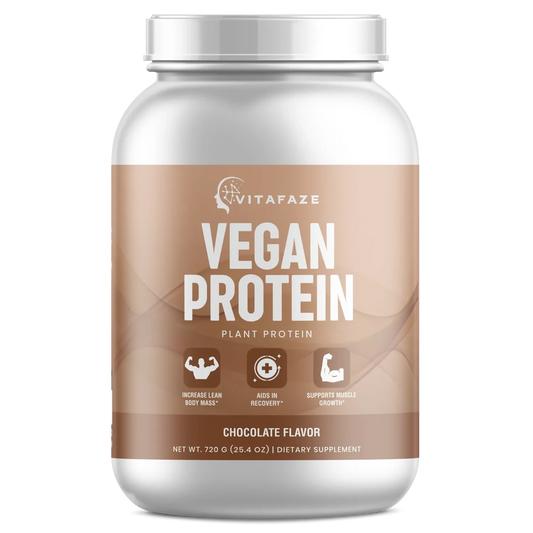
For runners who want a single product that covers the post-run window, [VitaFaze's Vegan Protein Chocolate Shake](https://vitafaze.com/products/1-5lb-pure-vegan-protein-rich-chocolate) delivers 22 grams of complete plant-based protein per scoop from organic pea and brown rice protein, with 4 grams of fiber and only 3 grams of sugar. The Essential Meal Replacement Protein offers 24 grams of protein from seven sources with added digestive enzymes, which suits runners who want a fuller meal replacement on heavy training days.


Potential Drawbacks and How to Avoid Them
Pea protein isn't perfect, and pretending otherwise does runners a disservice. The main issues are texture, methionine content, and the risk of over-relying on shakes instead of whole foods.
Texture is the most common complaint. Pea protein tends to be thicker and can taste earthy compared to whey. Blending with banana, cocoa, or a flavored plant milk masks most of that. Methionine, the limiting amino acid in pea protein, is easily covered by pairing it with rice protein or by eating grains elsewhere in the day.
The bigger risk is nutritional tunnel vision. Shakes are convenient, but they shouldn't replace the legumes, grains, and vegetables that supply fiber, micronutrients, and the broader nutrient profile your body needs. Treat protein powder as a supplement to a solid diet, not a substitute for one.
Conclusion: Making Pea Protein Work for Your Recovery
The evidence supports pea protein as a genuine recovery tool for marathoners, provided you handle the details: pair it with a complementary protein, hit your daily total, and keep B12 covered separately. The runners who struggle with it usually do so because they treat it as a magic bullet rather than one piece of a recovery plan.
VitaFaze formulates plant-powered nutrition specifically for athletes who want clean, bioavailable ingredients without compromising their values. Our shakes are built around complete protein sources, digestive support, and transparent labeling, so your recovery fuel works as hard as you do. Get started with VitaFaze and give your marathon recovery the plant-based foundation it deserves.
Frequently Asked Questions
Does pea protein help with muscle recovery after a marathon?
Yes. Pea protein provides a complete amino acid profile, including branch-chain amino acids like leucine, which are essential for muscle protein synthesis. After a marathon, this supports tissue repair and helps reduce delayed onset muscle soreness. For endurance athletes, it also aids glycogen replenishment when consumed with carbohydrates.
Is pea protein as effective as whey for runners?
Pea protein is highly effective for runners, though whey has a slightly higher leucine content and faster absorption. However, pea protein offers advantages like easier digestion and no dairy, which can benefit runners prone to GI distress. Research shows both support muscle repair similarly when total daily protein intake is adequate. For marathon recovery, the best choice is the one you tolerate well and can consume consistently. Many runners use pea protein to avoid bloating before or after long runs.
How much protein do marathon runners need for recovery?
Most marathon runners need 1.2 to 1.6 grams of protein per kilogram of body weight daily, with some research suggesting up to 1.8 grams during peak training. For a 70 kg runner, that's 84 to 126 grams per day. Spread intake across 4 to 5 meals, including a 20 to 30 gram dose within 30 to 60 minutes post-run. Pair protein with carbohydrates at a 1:3 or 1:4 ratio to enhance glycogen replenishment and recovery.
Does pea protein raise estrogen or cause hormonal issues?
No. Pea protein does not raise estrogen. This myth likely stems from confusion with soy protein, which contains phytoestrogens. Pea protein is isolated from yellow peas and is free of hormonal compounds. Clinical studies have not shown any estrogenic effects from pea protein consumption. It is considered safe for both men and women, and many athletes use it as a dairy-free alternative without any hormonal concerns.