



What Stimulates Muscle Repair? A 2026 Recovery Guide
Table of Contents
- The Biology of Muscle Repair: What Actually Happens After You Train
- Protein Timing: When to Eat for Faster Recovery
- How Much Protein Do Runners Need for Recovery?
- The Benefits of Pea Protein for Athletes: Amino Acids and Bioavailability
- How to Get Enough B12 on a Vegan Diet for Muscle Repair
- Micronutrients That Speed Tissue Repair: Iron, Arginine, and Beyond
- Digestive Tolerance: Why Some Protein Powders Cause GI Distress
- Practical Marathon Recovery Meal Plans for Plant-Based Athletes
- Supplements That Support Muscle Repair: What to Look For
- Conclusion: Building Your Recovery Protocol
- Frequently Asked Questions
Last Updated: September 21, 2026
The Biology of Muscle Repair: What Actually Happens After You Train
Muscle repair is the physiological process your body uses to rebuild damaged muscle fibers after training stress, and it depends on one thing above all: giving your body the raw materials to do the job. This guide from VitaFaze breaks down what stimulates muscle repair, from protein timing and amino acid profiles to the micronutrients most plant-based athletes overlook.

Training creates microtears in muscle fibers. Your immune system dispatches cells to clear damaged tissue, then satellite cells fuse with existing fibers to rebuild them thicker and stronger. This is muscle protein synthesis, the core mechanism behind every recovery gain you make.
Here's what most recovery guides get wrong: they treat muscle repair as a single switch you flip with a post-workout shake. It's closer to a construction site with several crews working at once, and if any crew runs out of materials, the whole project stalls.
NIH overview of muscle protein synthesis research
The process needs three inputs: mechanical stimulus from training, amino acids from protein, and the micronutrients that drive tissue repair. Miss one and recovery drags.
Muscle Protein Synthesis and the Anabolic Window
Muscle protein synthesis (MPS) is the process by which your body incorporates amino acids into new muscle tissue, and it stays elevated for hours after a training session, not minutes. The "anabolic window" framing suggests a narrow post-workout period where nutrition matters most. In practice, the window is wider than most athletes believe, but the total daily protein you eat matters more than perfect timing.
What does this mean for your routine? Prioritize hitting your daily protein target consistently. Then optimize timing as a secondary lever.
Protein Timing: When to Eat for Faster Recovery
The best time to eat protein for recovery is within a few hours of training, ideally with a serving that delivers a meaningful dose of leucine, the amino acid that triggers muscle protein synthesis. Research consistently shows that total daily protein intake drives recovery outcomes more than precise timing.

That said, timing still matters at the margins. If you train fasted or go many hours before eating, you leave recovery gains on the table.
The 30-Minute Window: Myth vs. Reality
The 30-minute window is a myth for most athletes. The real window is closer to a few hours, and if you ate protein before training, it extends further.
A common mistake is obsessing over the clock while missing daily protein targets. Nail the total first. Then tighten timing.
How Much Protein Do Runners Need for Recovery?
Runners generally need more protein than sedentary adults, and endurance athletes often need more than they currently eat. Many sports nutrition guidelines place endurance athletes in a range of roughly 1.2 to 1.8 grams of protein per kilogram of body weight daily, with higher intakes during heavy training blocks.
For a 70-kilogram runner, that's roughly 84 to 126 grams per day. Spread it across three to four meals rather than loading it all at dinner.
| Athlete Type | Daily Protein Target | Best Timing |
|---|---|---|
| Recreational runner | 1.2-1.4 g/kg | 3 meals + snack |
| Endurance athlete | 1.4-1.8 g/kg | 4 meals, post-run serving |
| Strength-focused athlete | 1.6-2.0 g/kg | 4-5 meals, pre-bed serving |
| Plant-based athlete | Add 10-15% to target | 4 meals, varied sources |
The Benefits of Pea Protein for Athletes: Amino Acids and Bioavailability
Pea protein has become a staple for plant-based athletes because it delivers a strong amino acid profile without the digestive issues some dairy proteins cause. The benefits of pea protein for athletes come down to two factors: leucine content and how well your body absorbs it.
Pea protein is lower in methionine than animal proteins, which is why it's often blended with rice protein. That combination creates a more complete amino acid profile.
Leucine Content and Complete Protein Profile
Leucine is the amino acid that flips the switch on muscle protein synthesis. A complete protein contains all nine essential amino acids in adequate amounts, and pea-rice blends get close to that standard.
What most guides miss: you don't need a perfect protein source at every meal. You need a varied intake across the day that covers the full amino acid spectrum.
USDA FoodData Central nutrient database
How to Get Enough B12 on a Vegan Diet for Muscle Repair
B12 is the nutrient plant-based athletes most often miss, and it matters directly for muscle repair because it supports red blood cell formation and oxygen delivery to working tissue. Knowing how to get enough B12 on a vegan diet is a foundational skill, not an optional one.
Fortified foods and supplements are the reliable routes. Nutritional yeast, fortified plant milks, and B12 supplements cover the gap.
Micronutrients That Speed Tissue Repair: Iron, Arginine, and Beyond
Protein gets the headlines, but muscle repair stalls without a supporting cast of micronutrients. For endurance athletes, and plant-based runners in particular, three of them deserve specific attention: iron, arginine, and zinc.
Iron. Iron is the rate-limiting mineral in oxygen transport. It sits inside hemoglobin, which carries oxygen from your lungs to working muscle, and inside myoglobin, which stores oxygen inside the muscle fiber itself. When iron stores drop, repairing tissue gets less oxygen, and you feel it as flat legs, elevated heart rate at easy pace, and slow recovery between sessions. Endurance athletes lose iron through foot-strike hemolysis (red blood cells breaking down from repeated impact), sweat, and, for menstruating athletes, monthly blood loss. Plant-based runners are at higher risk because plant iron (non-heme) is absorbed at roughly half the rate of animal iron (heme).
The fix is not just eating more iron, it is eating it smarter. Pair iron-rich plant foods with a vitamin C source at the same meal to multiply absorption. Lentils with bell peppers, fortified oatmeal with strawberries, spinach with citrus, or tofu with broccoli all work. Avoid drinking coffee or tea within an hour of an iron-rich meal; the tannins and polyphenols bind iron and blunt uptake. If you train hard and eat plant-based, ask your clinician to check ferritin, not just hemoglobin, ferritin shows depleted stores long before anemia appears.
Arginine. Arginine is a conditionally essential amino acid and the precursor to nitric oxide, the signaling molecule that relaxes blood vessels and increases blood flow. Better circulation means more oxygen and nutrients delivered to damaged fibers and faster clearance of metabolic waste. Pea protein is naturally rich in arginine, one reason plant-based athletes often get more of it than they realize. Other solid sources include pumpkin seeds, peanuts, chickpeas, and lentils.
Zinc. Zinc is a cofactor in the enzymes that build new proteins, and it supports immune function, relevant because the inflammatory phase of muscle repair depends on immune cells doing their job. Plant sources include pumpkin seeds, cashews, chickpeas, and fortified cereals. Phytates in whole grains and legumes reduce zinc absorption, so soaking, sprouting, or fermenting those foods (think soaked oats, sprouted bread, tempeh) improves how much you actually take in.
USDA FoodData Central nutrient database
Digestive Tolerance: Why Some Protein Powders Cause GI Distress
GI distress during and after long runs is one of the most common complaints from endurance athletes, and protein powders are frequent culprits. Lactose, sugar alcohols, and certain fibers trigger symptoms in susceptible athletes.
Pea protein tends to be gentler on the gut than whey for many people. If you're sensitive, look for powders with minimal added ingredients and no sugar alcohols.
Digestive tolerance is a performance issue, not a comfort issue. A protein source you can't absorb is a protein source that doesn't help recovery.
Practical Marathon Recovery Meal Plans for Plant-Based Athletes
Most recovery advice stops at "take a shake." That is not a meal plan, it is a starting point. After a long run or a marathon, your body needs two things at once: protein to rebuild damaged fibers and carbohydrates to refill glycogen stores that were drained over the last 20-plus miles. Glycogen is the stored fuel your muscles burn during endurance work, and it is the single biggest determinant of how you feel on your next run. Skipping carbs to "focus on protein" is one of the most common recovery mistakes marathoners make.
A practical target after a long effort is roughly 0.3 grams of protein per kilogram of body weight and 1.0 to 1.2 grams of carbohydrate per kilogram, consumed within the first few hours and repeated over the next several meals. For a 70-kilogram runner, that is about 21 grams of protein and 70 to 84 grams of carbs in the first recovery window, then more across the rest of the day.

Here is what that looks like in real food, not just bullet points:
- Within 30-60 minutes (liquid, easy on the gut): A plant-based protein shake blended with a banana and a handful of dates. The shake covers protein and leucine; the banana and dates deliver fast carbs and potassium. If your stomach is sensitive right after a hard effort, liquid beats solid food every time.
- Within 2 hours (full meal): A bowl of rice or quinoa (about 1.5 cups cooked) with a cup of lentils or black beans, roasted vegetables, and a drizzle of tahini or olive oil. That combination lands near the protein and carb targets above and adds iron, zinc, and healthy fats.
- Afternoon snack: Whole-grain toast with peanut butter and sliced banana, or a bowl of fortified oatmeal with soy milk and berries. Both pair carbs with protein and are easy to eat when appetite is still suppressed.
- Evening meal: Tofu or tempeh stir-fry over soba noodles with broccoli and edamame. Tempeh is fermented, which improves mineral absorption, and edamame adds a second complete protein source.
- Before bed (if training load is high): A slow-digesting protein source, a casein-style plant blend, or a bowl of soy yogurt with hemp seeds, to support overnight muscle protein synthesis.
Two practical notes. First, fluids and electrolytes belong in the same window: replace roughly 16 to 24 ounces of fluid per pound of body weight lost during the run, and include sodium if you are a salty sweater. Second, appetite after a marathon is often suppressed for hours, that is why liquid and soft foods (shakes, smoothies, soups, yogurt) earn their place in the first window even if you would normally prefer solid meals.
Build your recovery plate around carbs first, then add protein. Runners who flip that order often under-eat carbohydrates and wonder why their legs feel heavy two days later.
NIH overview of muscle protein synthesis research
Supplements That Support Muscle Repair: What to Look For
The most useful supplements for plant-based recovery target specific gaps: protein quantity, amino acid completeness, and nutrients that are harder to get from plants alone. Look for third-party testing and transparent labeling.
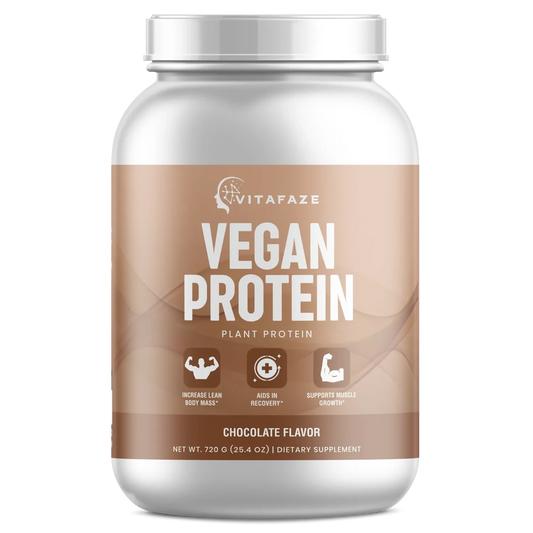
VitaFaze formulates plant-powered supplements for exactly this purpose. The Vegan Protein Chocolate Shake delivers 22 grams of complete plant protein per scoop from organic pea and brown rice protein, with 4 grams of fiber to support digestion and 155 mg of calcium. For athletes who want amino acid support beyond protein alone, the Glutamine Powder 300g supports muscle protein synthesis and gut health, and it's micronized for purity with no fillers or sodium. Power Surge Gummies add 1,000 mg of creatine monohydrate per gummy to support muscle strength and recovery, in a format that's easy to take daily.

Conclusion: Building Your Recovery Protocol
Muscle repair isn't one habit. It's a stack: enough daily protein, sensible timing, complete amino acids, the micronutrients that support tissue repair, and a gut that tolerates what you feed it. Get the fundamentals right before chasing advanced tactics.
VitaFaze builds plant-powered supplements for athletes who want clean, bioavailable ingredients without compromising their values. Start with the Vegan Protein Chocolate Shake for daily protein, add Glutamine Powder for amino acid and gut support, and consider Power Surge Gummies for creatine-driven recovery. Shop all products and build a recovery protocol that matches your training.
Frequently Asked Questions
Does pea protein help with muscle recovery?
Yes. Pea protein provides a complete amino acid profile, including branch-chain amino acids that drive muscle protein synthesis. Research shows pea protein supports tissue repair and post-exercise recovery at levels comparable to whey. It also offers digestive tolerance benefits, making it a strong choice for marathoners who experience GI distress with dairy-based powders. Pair it with carbohydrate sources after training to support glycogen replenishment and metabolic recovery.
What is the best protein for runners to recover from running?
The best protein for runners depends on your dietary pattern and digestive tolerance. Research suggests 20-30 grams of high-quality protein post-run supports muscle repair. Whey isolate absorbs quickly, while pea protein offers a plant-based option with a strong amino acid profile. A blend of pea and brown rice protein delivers a complete protein profile. Look for products with digestive enzymes or fiber to support absorption and minimize GI distress.
How long does it take for muscles to repair after exercise?
Muscle repair begins within hours of training and can continue for 24-72 hours depending on training load and intensity. Delayed onset muscle soreness typically peaks 24-48 hours post-exercise. Nutrition plays a major role: consistent protein intake every 3-4 hours, adequate carbohydrate-protein ratio, and micronutrients like iron and B12 support faster tissue repair. Endurance athletes may need longer recovery windows after long runs or races.
Is there a downside to pea protein?
Pea protein is generally well-tolerated, but some athletes note a slightly earthy taste or thinner texture compared to whey. It contains less methionine than animal proteins, though blending with rice protein resolves this. Some people experience bloating if they consume large amounts quickly. Choosing a third-party tested, micronized pea protein with added digestive support, like those with acacia gum or fiber, can improve tolerance and mixability.
Recovery is where performance is built, and the right nutrition makes the difference between adapting to your training and breaking down under it. VitaFaze offers plant-powered protein, glutamine, and creatine options designed to close the gaps in a plant-based recovery plan. Get started with VitaFaze and give your muscles the raw materials they need to rebuild stronger.