



Benefits of Fueling Workouts With Plants: A 2026 Guide
Table of Contents
- Why Plant-Based Workouts Are Gaining Ground With Athletes
- How Plant Foods Cut Inflammation and Speed Recovery
- Plant-Based Protein Sources for Athletes: Building a Complete Amino Acid Profile
- How to Increase Endurance Naturally With Complex Carbohydrates
- Vegan Athlete Recovery Strategies That Actually Work
- Nitric Oxide, Blood Flow, and Oxygen Delivery on a Plant-Based Diet
- Micronutrients to Monitor: B12, Iron, Zinc, and Omega-3s
- Budget-Friendly Plant-Based Fueling for Everyday Athletes
- Transitioning From Omnivore to Plant-Powered Performance
- Conclusion: Fueling Your Peak With Plants
- Frequently Asked Questions
Last Updated: September 22, 2026
Why Plant-Based Workouts Are Gaining Ground With Athletes
Plant-based workouts have moved from the fringe to the starting line. Plant-based workouts have moved from the fringe to the starting line. The reason isn't ideology; it's physiology. Plants deliver a dense package of carbohydrates, antioxidants, and phytonutrients that support training from the inside out. The reason isn't ideology; it's physiology. Plants deliver a dense package of carbohydrates, antioxidants, and phytonutrients that support training from the inside out.
The shift is happening because athletes are treating food as a performance tool, not just fuel. A plate built on beans, greens, and whole grains can support cardiovascular health and recovery while cutting the systemic inflammation that slows you down. Below, we'll show you exactly how to fuel training, recovery, and endurance with plants, and where targeted support closes the gaps.
How Plant Foods Cut Inflammation and Speed Recovery
Plant foods reduce inflammation by supplying antioxidants and phytonutrients that neutralize the oxidative stress created during hard training. Less oxidative stress means less muscle damage and faster recovery time.
Beets, berries, leafy greens, and turmeric are staples for a reason. They contain compounds that support the body's own repair systems. A common mistake is treating recovery as a single post-workout meal; in practice, it's a daily pattern. Eat colorfully across every meal and the anti-inflammatory effect compounds.
Dietary guidance on reducing chronic inflammation consistently points to produce-heavy eating patterns as a foundation for managing inflammation. For athletes, that translates to fewer days lost to soreness and more consistent training blocks.
Plant-Based Protein Sources for Athletes: Building a Complete Amino Acid Profile
Plant-based protein sources for athletes include lentils, chickpeas, tofu, tempeh, edamame, hemp, and pea protein. Individually, many are lower in one or two essential amino acids; combined, they form a complete amino acid profile that supports protein synthesis.
Combining Plant Proteins for a Complete Profile
Pair grains with legumes and you cover the gaps. Rice and beans, hummus and whole-grain pita, or pea protein with brown rice protein all deliver the full spectrum of essential amino acids. You don't need to obsess over every meal; hitting a varied mix across the day works.
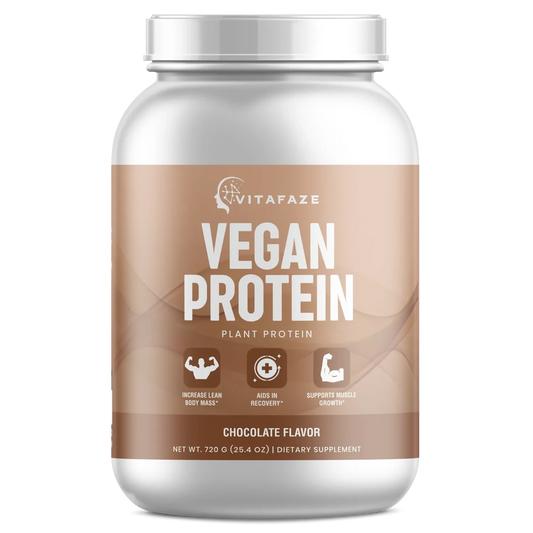
This is exactly why VitaFaze blends organic pea protein with organic brown rice protein in its Vegan Protein Chocolate Shake, delivering 22 grams of complete plant-based protein per scoop with only 3 grams of sugar.
How Much Protein Do Plant-Based Athletes Actually Need?
Most active adults do well targeting roughly 1.2 to 2.0 grams of protein per kilogram of body weight daily, with higher ends for strength training and heavy endurance loads. Spread it across three to four meals to keep protein synthesis elevated.
How to Increase Endurance Naturally With Complex Carbohydrates
Learning how to increase endurance naturally starts with complex carbohydrates. Oats, sweet potatoes, quinoa, and brown rice break down slowly, feeding blood glucose regulation and topping off muscle glycogen for sustained output.
Simple sugars spike and crash; complex carbs hold steady. For endurance capacity, that steadiness is everything. Fill your plate with slow carbs at your main meals, then use quick carbs like fruit or dates right before and during long sessions.
Timing Carbohydrates Around Training Intensity
Match your intake to the work. Easy days need less; threshold and long sessions need more, delivered earlier.
Vegan Protein Chocolate Shake - 1.5lb →
| Training Intensity | Carb Timing | Example Fuel |
|---|---|---|
| Easy / recovery | Minimal, from meals | Vegetables, legumes |
| Moderate | 2-3 hours pre | Oats with fruit |
| High / intervals | 2-3 hours pre + during | Rice, dates, sports drink |
| Long endurance | Steady throughout | Bananas, energy chews |
Vegan Athlete Recovery Strategies That Actually Work
Vegan athlete recovery strategies combine protein, carbohydrates, fluids, and sleep into one routine. The goal is to start repair fast and keep inflammation low. What separates a recovery plan that works from one that just sounds good is specificity: how much, how soon, and in what combination.

The 30-Minute Post-Workout Window
The first 30 minutes after training are prime time for post-exercise recovery. Take in protein and carbohydrates together to replenish glycogen and kick off muscle repair. A shake with fruit is the simplest option. VitaFaze's Vegan Protein Chocolate Shake mixes easily with water or a banana for a fast, complete recovery drink.

Glycogen Resynthesis: Why Carbs Matter as Much as Protein
Most athletes fixate on protein after training and under-eat carbohydrates. That's a mistake. Muscle glycogen resynthesis is fastest in the first few hours post-exercise, and it depends on carbohydrate availability, not protein. A practical target is roughly 0.5 to 0.7 grams of carbohydrate per pound of body weight within the first hour after long or hard sessions, paired with 20 to 30 grams of protein. For a 150-pound athlete, that's about 75 to 105 grams of carbs, a large banana plus a bowl of oats, or a shake blended with dates and fruit.
If your next session is less than eight hours away, start carb intake immediately. If you have 24 hours before training again, spreading carbs across the day works just as well.
Protein Dosing for Repair
Aim for 20 to 40 grams of high-quality plant protein in the post-workout meal, and repeat a similar dose every three to four hours for the rest of the day. Leucine, the amino acid that triggers muscle protein synthesis, is lower in many single-source plant proteins, which is why blending pea and rice protein (as VitaFaze does) or combining legumes with grains produces a stronger anabolic signal than either alone.
Hydration and Electrolytes
Recovery isn't just macros. Replace 125 to 150 percent of the fluid you lost during training, and add sodium, potassium, and magnesium. Coconut water, salted plant-based broths, and electrolyte powders all work. A simple check: weigh yourself before and after a session. Every pound lost equals roughly 16 ounces of fluid to replace.
Sleep and the Anti-Inflammatory Pattern
No supplement replaces sleep. No supplement replaces sleep. Pair that with the daily anti-inflammatory eating pattern described earlier, colorful produce at every meal, and you give your body the raw materials to repair tissue, regulate hormones, and manage soreness. Pair that with the daily anti-inflammatory eating pattern described earlier, colorful produce at every meal, and you give your body the raw materials to repair tissue, regulate hormones, and manage soreness.
Nitric Oxide, Blood Flow, and Oxygen Delivery on a Plant-Based Diet
Nitric oxide production supports vasodilation, widening blood vessels so oxygen and nutrients reach working muscles more efficiently. Dietary nitrates from beets and leafy greens feed that process.
Better blood flow can lift anaerobic threshold and metabolic efficiency over time. Many athletes add a concentrated beetroot source to make nitrate intake consistent. VitaFaze's Organic Beetroot is designed to support natural nitric oxide production for improved circulation.

Micronutrients to Monitor: B12, Iron, Zinc, and Omega-3s
Four nutrients deserve attention on a plant-based diet: vitamin B12, iron, zinc, and omega-3 fatty acids. Competitors mention these but rarely explain how to avoid falling short. This is the safety guide most plant-based fueling articles skip.
Vitamin B12: The One Nutrient Plants Don't Provide
B12 is largely absent from plants, so fortified foods or a supplement are standard. Nutritional yeast, fortified plant milks, and fortified cereals are common sources. The NIH Office of Dietary Supplements lists the daily recommended amount for adults at 2.4 micrograms, with higher needs during pregnancy and for older adults. B12 is largely absent from plants, so fortified foods or a supplement are standard. Nutritional yeast, fortified plant milks, and fortified cereals are common sources. The NIH Office of Dietary Supplements lists the daily recommended amount for adults at 2.4 micrograms, with higher needs during pregnancy and for older adults.
Iron: Absorption Is the Real Issue
Plant iron (non-heme) absorbs less readily than animal iron. Pair iron-rich foods, lentils, chickpeas, spinach, tofu, pumpkin seeds, fortified oats, with vitamin C (citrus, bell peppers, strawberries, tomatoes) to boost uptake. Avoid pairing iron with coffee, tea, or calcium supplements, which inhibit absorption. The NIH recommends adult men and postmenopausal women get 8 milligrams daily, while menstruating women need 18 milligrams. Symptoms of low iron, persistent fatigue, shortness of breath on easy efforts, pale skin, warrant a blood test, not guesswork.
Vegan Protein Chocolate Shake - 1.5lb →
Zinc: Small Amounts, Big Role
Zinc supports immune function, wound healing, and hormone regulation. Plant sources include beans, nuts, seeds, whole grains, and fortified cereals. Phytates in grains and legumes can reduce absorption, so soaking, sprouting, and fermenting (think sourdough, tempeh, sprouted oats) help. The NIH lists 11 milligrams daily for adult men and 8 milligrams for adult women. Long-term high-dose zinc supplements can interfere with copper absorption, so keep doses moderate unless a physician advises otherwise.
Omega-3s: Algae Is the Source
Omega-3 fatty acids support recovery and cardiovascular health. The plant-based route is algae oil, which delivers EPA and DHA directly, the forms the body actually uses. Flax, chia, and walnuts provide ALA, which the body converts to EPA and DHA inefficiently (often less than 10 percent). For athletes, a daily algae-based supplement of 250 to 500 milligrams combined EPA and DHA is a common target. Nutrient guidance from the NIH Office of Dietary Supplements is a reliable reference for daily targets.
A Simple Monitoring Routine
Track energy, recovery, and training performance, if any of those slip without an obvious cause, get tested before adding supplements blindly.
Budget-Friendly Plant-Based Fueling for Everyday Athletes
Budget-friendly plant-based fueling starts with staples, not specialty products. Dried beans, lentils, oats, rice, frozen vegetables, and bananas cover most needs at low cost.
Buy in bulk, cook in batches, and freeze portions. A scoop of a greens blend can fill micronutrient gaps when fresh produce is tight; VitaFaze's Organic Super Greens packs over 25 organic ingredients into one serving. Spend on the few supplements that matter, and keep the rest simple.

Transitioning From Omnivore to Plant-Powered Performance
Transitioning works best in stages. Swap one meal at a time, keep protein steady, and increase fiber gradually so digestion adjusts. Track energy and recovery for the first month.
Conclusion: Fueling Your Peak With Plants
Building a plant-based performance plan takes attention to protein, carbs, and the nutrients plants don't always provide. VitaFaze exists to close those gaps with clean, bioavailable formulas: complete plant-based protein for faster muscle recovery, organic beetroot for improved endurance, and greens blends for everyday micronutrient support. Get started with VitaFaze and fuel your peak with plants.
Frequently Asked Questions
How does a plant-based diet improve athletic recovery time?
Plant foods are rich in antioxidants and phytonutrients that help reduce systemic inflammation and oxidative stress caused by intense training. This can lead to less muscle soreness and faster recovery between sessions. Complex carbohydrates from plants also replenish muscle glycogen more effectively when eaten within 30 minutes post-workout. Many athletes report feeling less sluggish the day after hard efforts when they prioritize whole plant foods and adequate protein throughout the day.
Can you get enough protein for muscle growth on a plant-based diet?
Yes, with planning. Athletes need roughly 1.4 to 2.0 grams of protein per kilogram of body weight daily. Plant-based protein sources for athletes include lentils, chickpeas, tofu, tempeh, hemp seeds, and pea protein. Combining sources like rice and pea creates a complete amino acid profile. A shake with 22 grams of plant protein, such as VitaFaze Vegan Protein Chocolate Shake, makes hitting that target easier after training.
What are the best plant-based pre-workout snacks for energy?
Focus on easily digestible complex carbohydrates 1 to 2 hours before training. A banana with almond butter, oatmeal with berries, or a small sweet potato work well. For early morning sessions, a smoothie with oats, dates, and plant protein digests quickly. Avoid high-fiber or high-fat meals right before hard efforts, as they slow digestion. If you train longer than 90 minutes, add 30 to 60 grams of carbs per hour during the session.
Are there specific micronutrients athletes should monitor on a plant-based diet?
Yes. Vitamin B12, iron, zinc, and omega-3 fatty acids deserve attention. B12 is absent from plants, so fortified foods or supplements are essential. Plant iron (non-heme) absorbs better with vitamin C, so pair lentils with bell peppers. Zinc sources include pumpkin seeds and legumes. For omega-3s, flax, chia, and walnuts provide ALA, though some athletes add algae-based DHA. Regular blood work helps you adjust before deficiencies affect performance.