



How to Fuel Long Distance Runs on a Vegan Diet
Table of Contents
- Why Vegan Fueling for Long Runs Requires a Different Plan
- Carbohydrate Requirements for Endurance on a Plant-Based Diet
- Pre-Run Fueling Strategies for Vegan Runners
- Mid-Run Fueling: Energy Gels, Whole Foods, and DIY Vegan Recipes
- How to Increase Endurance Naturally with Plant-Based Nutrition
- Post-Run Recovery Nutrition for Vegan Athletes
- Hydration and Electrolyte Balance for Vegan Runners
- Building a Vegan Marathon Training Nutrition Plan
- Best Plant-Based Endurance Supplements for Long-Distance Runners
- Common Mistakes Vegan Runners Make with Fueling
- Frequently Asked Questions
Last Updated: September 26, 2026
Why Vegan Fueling for Long Runs Requires a Different Plan
Learning how to fuel long distance runs on a vegan diet starts with one reality: plant-based foods behave differently in your gut than animal-based ones. They carry more fiber, more water, and a different mix of amino acids, which changes how quickly energy reaches your muscles. This guide from VitaFaze breaks down the timing, portions, and food choices that keep endurance athletes moving without stomach trouble.
The biggest mistake is treating a vegan fueling plan as a simple swap. It isn't. Fiber slows digestion, which is helpful on a rest day and unhelpful at mile 18. Iron and vitamin B12 need deliberate attention because plant sources absorb differently. Get the plan right, though, and plant-based nutrition supports endurance performance as well as any other approach.
- Fiber management matters more than most runners expect
- Nutrient timing decides whether fuel helps or hurts
- Whole foods and supplements each have a role
Carbohydrate Requirements for Endurance on a Plant-Based Diet
Carbohydrates are the primary fuel for sustained endurance performance, and plant-based athletes have no shortage of quality sources. The difference lies in choosing the right type at the right time. Complex carbohydrates like oats, brown rice, and sweet potatoes build muscle glycogen stores during the days before a long run.
The ACSM position stand on nutrition and athletic performance treats carbohydrate availability as a central factor in endurance, and vegan runners meet those needs easily with grains, legumes, and fruit. The practical challenge is not quantity but timing and fiber load.
| Timing | Carb Type | Example Foods | Why It Works |
|---|---|---|---|
| 3+ hours out | Complex, high-fiber | Oats, brown rice, lentils | Steady glycogen loading |
| 1-2 hours out | Moderate fiber | Banana, white rice, bread | Balanced digestion |
| Under 1 hour | Simple, low-fiber | Dates, sports drink, gel | Fast blood glucose rise |
Pre-Run Fueling Strategies for Vegan Runners
Pre-run fueling sets the tone for the entire session, and the vegan approach rewards planning. The goal is to top off glycogen stores and stabilize blood glucose levels without leaving undigested fiber sitting in your stomach.
What to Eat 2-3 Hours Before Your Run
A meal built around complex carbohydrates with moderate protein and low fat works well here. Try oatmeal with banana and a spoonful of nut butter, or rice with tofu and cooked vegetables. Keep fat modest because it slows gastric emptying.
Quick Pre-Run Options for Early Morning Runs
When you roll out of bed 45 minutes before a run, keep it simple. A banana, a few dates, or a small bowl of low-fiber cereal with plant milk covers the gap. If you struggle to eat that early, a liquid option like a small smoothie goes down easier.
- 2-3 hours out: full meal, complex carbs, moderate protein
- 60-90 minutes out: light snack, low fiber
- Under 45 minutes: simple carbs only, small volume
Mid-Run Fueling: Energy Gels, Whole Foods, and DIY Vegan Recipes
Mid-run fueling keeps glycogen stores from emptying, and this is where vegan runners have both an advantage and a trap. The advantage is a huge range of whole-food options. The trap is fiber and GI distress when you introduce them too late in a run.
The working target for most runners on efforts lasting 90 minutes or more is 30 to 60 grams of carbohydrate per hour, and up to 90 grams per hour for very long or very hard efforts once the gut is trained to absorb it. Below 60 minutes, most runners need nothing beyond water. Between 60 and 90 minutes, a small amount of fast carbs helps. Past 90 minutes, hourly carb intake becomes the single biggest lever on how you feel at the end.
Matching Fuel Form to Run Duration
| Run Duration | Carb Target | Best Form | Fiber Load |
|---|---|---|---|
| Under 60 min | 0 g | Water | N/A |
| 60-90 min | 30 g/hr | Sports drink, chews, dates | Low |
| 90 min-3 hr | 30-60 g/hr | Gels, chews, rice cakes | Low |
| 3 hr+ | 60-90 g/hr | Mixed gels plus whole food | Low to moderate |
Whole foods like dates, raisins, and boiled potatoes travel well in a pocket, but they carry fiber and water that commercial gels do not. A single Medjool date has roughly 5 grams of carbohydrate and about 0.6 grams of fiber. That fiber is trivial in isolation, but six dates an hour adds up. Boiled potato is gentler than most people expect once it is salted and cooled, because cooling converts some starch to resistant starch that ferments more slowly.
Commercial energy gels are convenient and usually vegan, but check labels for gelatin and honey. The key is practicing with them on training runs, never on race day for the first time.
Gut Training for Plant-Based Runners
Gut training is the missing piece in most vegan fueling guides. A high-fiber daily diet keeps the digestive system accustomed to bulk, but race-pace carb absorption is a separate skill. The gut adapts to carbohydrate load the same way muscles adapt to mileage: through progressive, repeated exposure.
A practical progression over 6 to 8 weeks:
- Weeks 1-2: 30 g of carbs per hour on runs over 90 minutes, using low-fiber sources only
- Weeks 3-4: hold 30 g/hr but shift one fuel source to a whole food like dates or rice cakes
- Weeks 5-6: raise to 45 g/hr on your longest run, alternating gel and whole food
- Weeks 7-8: rehearse race-day intake exactly, including the same brands and timing
If a run produces bloating, cramping, or urgency, drop back one step rather than abandoning the plan. Most practitioners find that the limit is absorption rate, not willpower, and that the ceiling rises with repetition.
DIY Vegan Fuel Recipes for Long Runs
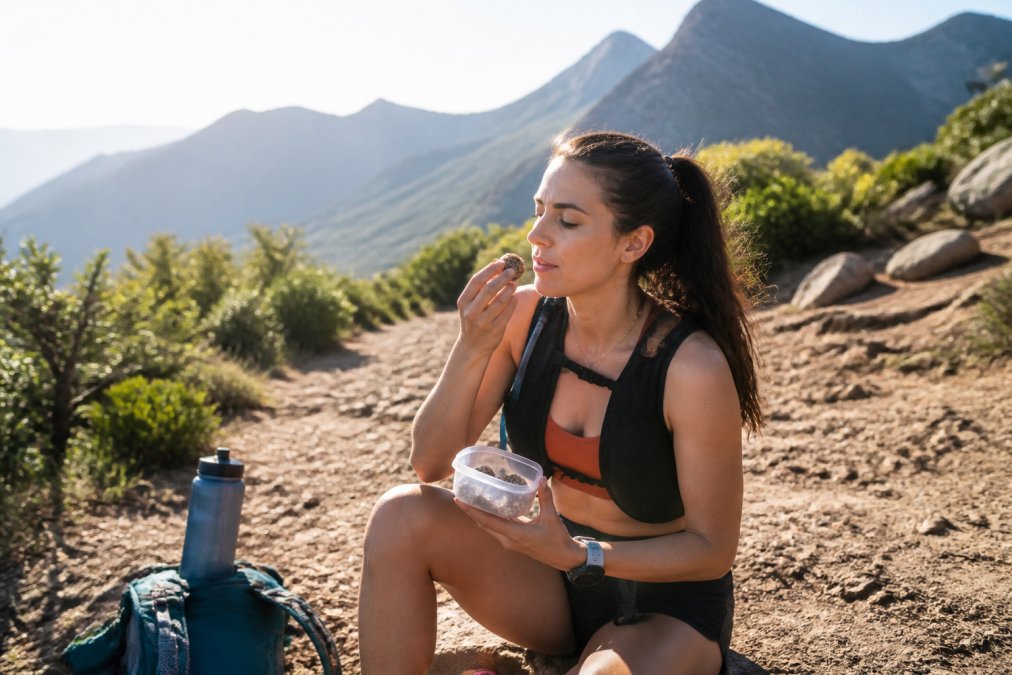
Homemade fuel gives you control over ingredients and cost, and it lets you dial fiber down without losing flavor. Two reliable options:
Date and Oat Energy Bites
- 1 cup pitted Medjool dates
- 1 cup rolled oats
- 2 tbsp maple syrup
- Pinch of salt
- Blend, roll into balls, refrigerate
- Roughly 8 to 10 grams of carbs per bite
Maple Rice Cakes
- Cooked white rice pressed into small squares
- Drizzle of maple syrup
- Light sprinkle of salt
- Wrap in foil for portability
- Roughly 15 to 20 grams of carbs per square
Salted Boiled Potato Bites
- Small waxy potatoes, boiled and cooled
- Toss with salt
- Carry in a zip bag
- Roughly 15 grams of carbs per small potato
How to Increase Endurance Naturally with Plant-Based Nutrition
If you want to know how to increase endurance naturally, the answer sits in consistent fueling, hydration, and recovery rather than any single food. Plant-based nutrition supports metabolic efficiency when carbohydrate intake matches training load.
Nitrate-rich foods like beetroot support blood flow and oxygen delivery, which many athletes use to support endurance performance. Beetroot is a practical, food-first addition to a vegan plan, and it pairs well with a structured fueling schedule. Fat adaptation through plant oils like olive and flaxseed oil can also support longer, lower-intensity efforts.
- Beetroot and leafy greens: support circulation
- Plant oils: provide omega-3 fatty acids
- Consistent carbs: protect glycogen stores
Post-Run Recovery Nutrition for Vegan Athletes
Post-exercise recovery starts the moment you stop, and the recovery window is short. Aim to eat carbohydrate and protein together within about an hour of finishing a long run. This combination refills glycogen stores and supports muscle repair.
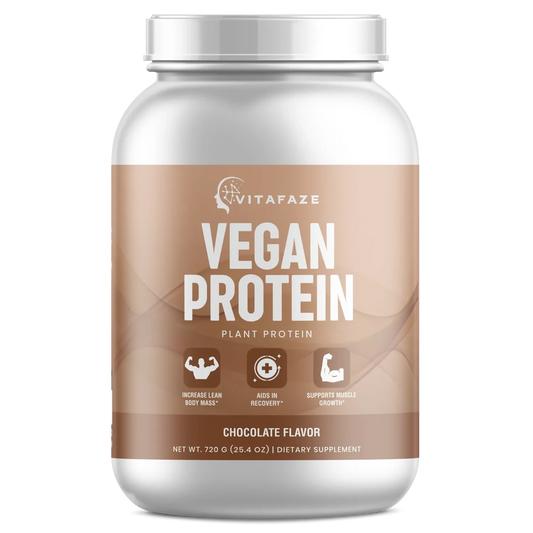
Vegan protein sources like pea, brown rice, and soy provide a complete amino acid profile when combined thoughtfully. A shake made with plant protein and a piece of fruit covers both needs quickly. For athletes who want a convenient option, the Vegan Protein Chocolate Shake - 1.5lb Pure Plant-Based Nutrition for Optimal Recovery delivers 22 grams of complete plant-based protein per scoop, blending organic pea and brown rice protein to support muscle protein synthesis after hard sessions.

If your goal is faster glycogen refill, a carb and electrolyte drink helps. The Recovery Carb + Electrolyte Summer Punch 1365g provides 24 grams of fast-digesting carbohydrates from dextrose and glucose polymers plus four key electrolytes to speed hydration and recovery.

Hydration and Electrolyte Balance for Vegan Runners
Hydration strategy for plant-based athletes goes beyond plain water. When you sweat, you lose sodium, potassium, magnesium, and calcium, and replacing only water can dilute the electrolytes your muscles need. This is where electrolyte replacement earns its place in a vegan plan.
Sweat sodium concentration varies widely between individuals, but a common range is roughly 500 to 1,500 milligrams of sodium per liter of sweat. A heavy, salty sweater on a hot day can lose well over 1,000 milligrams of sodium per hour. Plain water replaces the volume but not the sodium, which is why some runners finish long runs with a headache, swollen fingers, or a sloshy stomach.
Estimating Your Sweat Rate
A simple field test gives you a working number:
- Weigh yourself nude before a one-hour run.
- Run at an easy, steady pace in conditions similar to race day.
- Do not drink during the run.
- Weigh yourself nude again immediately after.
- Every pound lost equals roughly 16 ounces of fluid.
If you lost 2 pounds in an hour, your sweat rate is about 32 ounces per hour. Add back what you drank during the run to get the full picture. Repeat the test in cool and hot conditions, because the number shifts with temperature.
Sodium and the Vegan Diet
Plant-based diets tend to be rich in potassium from bananas, potatoes, and leafy greens, but sodium still needs active replacement on long, hot runs. Whole-food vegans who cook from scratch often run lower on sodium than omnivores, which makes them more vulnerable to hyponatremia when they drink large volumes of plain water over several hours.
A common approach is to drink to thirst and add an electrolyte source on runs over an hour. Look for a product that lists sodium in milligrams per serving so you can match intake to your sweat test. Many commercial electrolyte drinks land between 300 and 500 milligrams of sodium per serving, which is a reasonable starting point for an hour of moderate sweating.
- Under 60 minutes: water is usually enough
- 60-90 minutes: add electrolytes, roughly 300-500 mg sodium per hour
- Over 90 minutes: carbs plus electrolytes together, scaled to your sweat test
Practical Hydration Rules for Long Runs
- Start runs well hydrated but not overhydrated. Clear, frequent urination before a run is a sign you are ahead, not behind.
- Carry fluid on any run over 60 minutes, even in cool weather.
- On hot days, pre-load with a sodium-containing drink in the 60 minutes before you start.
- Weigh yourself before and after long runs during training to keep your sweat-rate estimate current.
- If you finish a run with a headache and no urge to urinate, you likely under-replaced sodium, not just water.
The Recovery Carb + Electrolytes: Lemon Lime 1365g combines fast-digesting carbohydrates with sodium, potassium, magnesium, and calcium to support hydration during and after training.

Building a Vegan Marathon Training Nutrition Plan
A vegan marathon training nutrition plan is a week-by-week system, not a single menu. Build it around three pillars: daily carbohydrate intake matched to training load, consistent protein across meals, and planned recovery after long runs. As mileage climbs, carbohydrate needs rise with it.
Structure your week so your longest runs fall on days when you can eat well before and after. Practice race-day foods during your longest training runs. Track iron, vitamin B12, and omega-3 intake because these are the nutrients vegan athletes most often need to monitor, and a doctor can check levels through routine blood work.
Race-Day Logistics for Vegan Runners
Race-day logistics require planning because you cannot rely on aid stations to carry vegan-friendly fuel. Carry your own gels, chews, or homemade bites. Confirm in advance what the race provides, and pack a backup. Eat your pre-race meal at the same time and in the same amount you practiced in training.
Best Plant-Based Endurance Supplements for Long-Distance Runners
The best plant-based endurance supplements fill specific gaps rather than replacing food. Three categories matter most for vegan distance runners: protein for repair, carbohydrate and electrolyte support for recovery, and nitrate-rich options for circulation.
Our plant-powered range focuses on clean, bioavailable ingredients so you can support endurance without compromising your values.
| Supplement | Primary Role | When to Use |
|---|---|---|
| Vegan protein shake | Muscle repair, amino acid profile | Within an hour post-run |
| Carb + electrolyte drink | Glycogen refill, hydration | Pre or post training |
| Organic beetroot | Nitric oxide, circulation | Daily, before meals |
The Organic Beetroot supplement is a food-first option for runners who want to support blood flow and exercise performance. Take one veggie capsule twice daily, ideally 20-30 minutes before meals, as part of your routine.
Common Mistakes Vegan Runners Make with Fueling
The most common fueling mistakes are timing errors and fiber overload, not a lack of plant-based options. Runners often eat too much fiber too close to a run, skip recovery nutrition, and neglect iron and vitamin B12 until they feel fatigued. Each of these is fixable with planning.
- Too much fiber pre-run: causes GI distress
- Skipping recovery: slows glycogen refill
- Ignoring B12 and iron: affects energy over time
- Testing new fuel on race day: risks stomach trouble
A Cleveland Clinic overview of vitamin B12 explains why plant-based eaters should monitor B12, and the NIH Office of Dietary Supplements on iron covers iron absorption, which improves when you pair plant iron with vitamin C.
Frequently Asked Questions
What are the best vegan sources of carbohydrates for endurance running?
Complex carbohydrates like oats, sweet potatoes, brown rice, quinoa, and whole-grain bread provide sustained energy for long runs. For quick fuel during exercise, rely on dates, bananas, rice cakes, and energy gels made with brown rice syrup or maple syrup. Aim for 30-60 grams of carbohydrates per hour during runs lasting over 90 minutes. Before long runs, eat 1-4 grams of carbs per kilogram of body weight 1-3 hours prior to support muscle glycogen and maintain blood glucose levels.
How do vegan runners meet their protein requirements for muscle recovery?
Vegan runners should aim for 1.2-2.0 grams of protein per kilogram of body weight daily, focusing on complete amino acid profiles. Combine plant proteins like pea and brown rice to cover all essential amino acids. A vegan protein shake with 22 grams of plant-based protein post-run supports muscle repair. Include lentils, tofu, tempeh, hemp seeds, and quinoa throughout the day. Consuming protein within 30-60 minutes after exercise enhances post-exercise recovery and glycogen replenishment.
Should vegan runners use specific supplements for endurance?
Yes, certain supplements can bridge nutritional gaps. Vitamin B12 and iron are critical for plant-based athletes; get blood work to check levels. Beetroot supplements support nitric oxide production and blood flow, which may improve endurance performance. Electrolyte powders with sodium, potassium, magnesium, and calcium help maintain hydration strategy during long runs. Vegan protein powders aid recovery. Always consult a healthcare professional before adding new supplements.
How can I prevent digestive issues during long runs on a plant-based diet?
Manage fiber intake around training by reducing high-fiber foods 2-3 hours before runs. Choose low-fiber pre-run snacks like white rice, bananas, or refined grains. During runs, use easily digestible options like energy gels, chews, or diluted fruit juice. Practice gut training by gradually increasing fuel intake during training runs to build tolerance. Stay hydrated but avoid overdrinking. If GI distress persists, track your intake and adjust timing, volume, and type of fuel based on what works for your body.
Fueling long distance runs on a vegan diet comes down to planning: matching carbohydrate type to timing, managing fiber, replacing electrolytes, and recovering with protein and carbs. VitaFaze supports that plan with plant-powered nutrition built for athletes, from a complete vegan protein shake to carb and electrolyte recovery drinks and organic beetroot. Get started with VitaFaze and give your training the clean, bioavailable fuel it needs to go the distance.