



Do Vegan Athletes Recover Faster? The Science
Table of Contents
- The Science of Plant-Based Recovery
- Anti-Inflammatory Properties of a Vegan Diet
- Vegan Protein Sources for Muscle Repair
- How to Get Enough B12 on a Vegan Diet
- Blood Flow and Vascular Efficiency
- Endurance Performance vs. Strength Training
- Plant-Based Anti-Inflammatory Foods for Athletes
- Common Myths About Vegan Athletic Performance
- Optimizing Post-Workout Nutrition
- Frequently Asked Questions
Last Updated: September 27, 2026
The Science of Plant-Based Recovery
Do vegan athletes recover faster? The honest answer is: they can, but only when the diet is built deliberately. A vegan diet supplies the same recovery raw materials as any other eating pattern, but it delivers them through a different set of foods, and that difference matters after hard training. This guide from VitaFaze breaks down what actually drives post-exercise recovery on a plant-based diet, where the common gaps sit, and how to close them.
Recovery is not one process. It is tissue repair, glycogen replenishment, immune function, and inflammation control happening at once. Each of those has nutritional inputs, and a vegan diet can supply every one of them.
What most guides get wrong is treating "plant-based" as automatically anti-inflammatory and therefore automatically recovery-friendly. The diet supplies the tools. Whether you use them depends on what you actually eat in the hours after training.
NIH Office of Dietary Supplements nutrient fact sheets
Anti-Inflammatory Properties of a Vegan Diet
A vegan diet tends to lower systemic inflammation, but the effect comes from food choices, not from the label. Diets built on whole foods, legumes, vegetables, and fruit deliver polyphenols and fiber that support a calmer inflammatory response after training.
The mechanism is straightforward. Hard training produces oxidative stress and minor tissue damage. That is normal and necessary. The problem is when the inflammatory response stays elevated for days, which shows up as lingering soreness and flat performance.
Plant compounds help regulate that response rather than block it. Polyphenols in berries, dark leafy greens, and beets support antioxidant capacity without interfering with the adaptation signal training is supposed to send.
Here is the catch most people miss: a vegan diet built on refined carbohydrates, fried food, and processed meat substitutes can be just as pro-inflammatory as any other poor diet.
Vegan Protein Sources for Muscle Repair
Muscle repair depends on total protein and the amino acid profile of that protein. Vegan athletes recover well when they hit both, which means eating more protein than most people assume and combining sources across the day.
The key concept is muscle protein synthesis, the process by which the body rebuilds damaged muscle tissue. It is triggered by leucine, an amino acid that plant proteins contain in lower concentrations than animal proteins. That is not a dealbreaker. It just means you need a larger total dose or a well-combined plate.
Practical vegan protein sources for muscle repair:

- Organic pea protein, which is rich in leucine and mixes well into shakes
- Organic brown rice protein, which fills the amino acids pea protein lacks
- Lentils and chickpeas, cheap and effective when paired with grains
- Tofu and tempeh, dense and easy to portion
- Hemp and pumpkin seeds, useful for topping meals
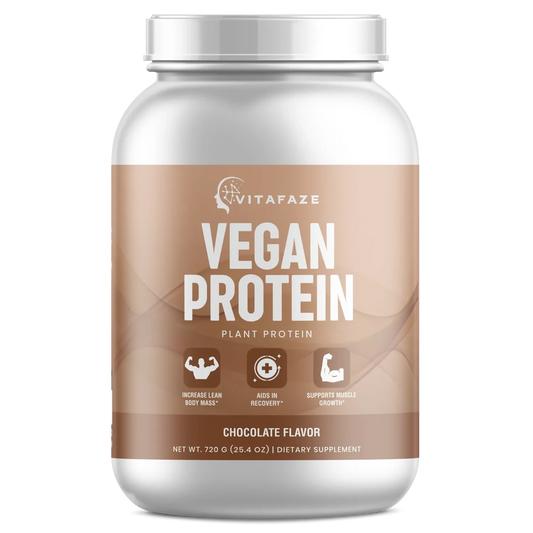
Pea and brown rice together form a complete protein, which is why that pairing shows up in so many plant-based recovery products. VitaFaze's Vegan Protein Chocolate Shake uses exactly that combination, delivering 22 grams of complete plant-based protein per scoop with 3 grams of sugar.
USDA FoodData Central nutrient database
How to Get Enough B12 on a Vegan Diet
B12 is the one nutrient a vegan diet cannot reliably supply from plants, and it is the deficiency most likely to be mistaken for overtraining. B12 supports red blood cell formation, DNA synthesis, and normal nervous system function. When status drops, oxygen-carrying capacity drops with it, and the flat, heavy feeling that follows looks identical to under-recovery from training.
Most practitioners find that a daily supplement covering the full recommended amount, or a higher dose taken weekly, keeps status stable. Fortified plant milks, nutritional yeast, and some breakfast cereals contribute, but fortification levels vary widely between products, so food alone is an unreliable strategy. The practical move is to treat B12 as a fixed line item taken the same way you take your training plan seriously, not something you hope to absorb from food.
B12 is the headline, but it is not the only micronutrient that shapes recovery on a plant-based diet. Iron, zinc, vitamin D, iodine, and omega-3s all affect how quickly an athlete bounces back, and each has a different failure mode.
- Iron. Plant iron (non-heme) is absorbed less efficiently than heme iron. Pairing iron-rich foods like lentils, spinach, and fortified oats with vitamin C sources such as citrus, bell peppers, or strawberries improves absorption. Avoid taking iron alongside coffee, tea, or calcium, which blunt uptake.
- Zinc. Found in legumes, seeds, and whole grains, but phytates in those same foods reduce absorption. Soaking, sprouting, and fermenting grains and legumes lowers phytate content and improves mineral uptake.
- Vitamin D. Affects bone health, immune function, and muscle function. Sun exposure and fortified foods help, but many athletes in northern latitudes or training indoors need a supplement, especially in winter.
- Iodine. Supports thyroid function, which governs metabolic rate and energy availability. Seaweed, iodized salt, and fortified foods are the main plant sources, but seaweed iodine content varies enormously, so iodized salt is the more predictable route.
- Omega-3s. Plant sources supply ALA, which the body converts to EPA and DHA at low rates. Algae-based EPA/DHA supplements close that gap directly and support the inflammatory resolution process after hard training.
The recovery angle most guides miss is that micronutrient gaps rarely announce themselves. They show up as slower soreness clearance, more frequent minor illness, and sessions that feel harder than the numbers suggest. If your training load has not changed but your recovery has, the first place to look is the micronutrient panel, not the training plan.
NIH Office of Dietary Supplements nutrient fact sheets
Blood Flow and Vascular Efficiency
Better circulation means faster delivery of oxygen and nutrients to working tissue and faster removal of metabolic waste. Vegan diets tend to support vascular function because they are typically lower in saturated fat and higher in nitrate-rich vegetables.
Nitric oxide is the molecule that signals blood vessels to relax. Dietary nitrates from beets, arugula, and spinach convert into nitric oxide, which improves blood flow and can support endurance capacity. Beets are the well-known source for a reason.
For athletes, this matters most in the recovery window. Improved vascular function supports nutrient delivery to damaged tissue and helps clear the byproducts of hard efforts.
VitaFaze's Organic Beetroot is built around this pathway, using a formula designed to support natural nitric oxide production and circulation.
Endurance Performance vs. Strength Training
Endurance and strength athletes need different things from a vegan diet, and recovery advice that ignores the split is close to useless. Endurance work depletes glycogen and stresses the cardiovascular system. Strength work creates mechanical muscle damage and drives muscle protein synthesis.
Vegan Protein Chocolate Shake - 1.5lb →
That means recovery priorities diverge:
| Athlete Type | Primary Recovery Need | Key Vegan Focus |
|---|---|---|
| Endurance | Glycogen replenishment, blood flow | Carbohydrate timing, nitrate-rich vegetables |
| Strength | Muscle protein synthesis, tissue repair | Higher total protein, leucine-rich sources |
| Hybrid | Both, sequenced by session type | Protein at every meal, carbs around training |
Endurance athletes should prioritize carbohydrate replacement in the hours after long sessions. Strength athletes should prioritize protein distribution across the day rather than one large post-workout dose.
The mistake is applying bodybuilding recovery logic to distance running, or the reverse. Match the protocol to the demand.
Plant-Based Anti-Inflammatory Foods for Athletes
The most useful anti-inflammatory foods for athletes are the ones you will actually eat consistently, and the ones that fit into a recovery protocol you can repeat on a training day. Variety beats optimization, but only when the variety is built around foods with a known mechanism.
Here is what each category actually does after training, and how to work it into a recovery window:
- Berries and tart cherries. Supply anthocyanins, which support antioxidant capacity and have been studied for their effect on muscle soreness and recovery markers. Tart cherry juice is the most concentrated practical form; a common pattern is 8 to 12 ounces after hard sessions, though whole berries work as a daily habit.
- Dark leafy greens, beets, and arugula. Supply dietary nitrates that convert to nitric oxide, supporting blood flow and nutrient delivery to working tissue. These are most useful in the hours after training, not just before.
- Fatty plant sources: walnuts, flax, chia, and algae oil. Supply omega-3s, which support the resolution phase of inflammation rather than blocking it. ALA from walnuts and flax converts to EPA and DHA inefficiently, so algae-based EPA/DHA is the more direct route for athletes training hard several times a week.
- Turmeric and ginger. Curcumin in turmeric and gingerols in ginger support a calmer inflammatory response. Black pepper improves curcumin absorption, which is why the pairing shows up in traditional preparations. Both work easily into soups, curries, and shakes.
- Legumes. Supply fiber that feeds gut bacteria, which in turn produce short-chain fatty acids that support immune function and reduce systemic inflammation. This is the gut-recovery link most guides skip entirely.
What most guides miss is that timing matters less than total intake, but the gut connection matters more than anyone admits. A significant share of the immune system sits in the gut, and the fiber from legumes, vegetables, and fruit feeds the bacteria that regulate it. When gut health is poor, recovery slows, mood drops, and training tolerance falls. That is the psychological recovery angle almost no plant-based recovery article covers: gut health, mood, and recovery speed are linked, and the same foods that calm inflammation also feed the gut bacteria that support mood and sleep quality.
A practical weekly pattern looks like this: berries or tart cherry most mornings, a large salad with dark leafy greens and legumes most afternoons, turmeric and ginger worked into two or three dinners, and walnuts, flax, or chia as a daily topping. That pattern covers polyphenols, nitrates, omega-3s, and gut-feeding fiber without requiring a single specialty product.
The catch is the same one that applies to the whole diet: a vegan pattern built on refined carbohydrates, fried food, and packaged substitutes can be just as pro-inflammatory as any other poor diet. The foods above only work when they are the base of the plate, not an add-on to it.
Common Myths About Vegan Athletic Performance
Several persistent myths keep plant-based athletes from recovering well, mostly because they lead people to under-eat protein or skip key nutrients.
Myth: plant protein is incomplete and therefore useless. Pea and rice together form a complete amino acid profile. Eating a varied diet across the day covers the gap without any special effort.
Myth: vegan athletes cannot build muscle. Muscle growth depends on total protein, training stimulus, and calories. Plant-based protein supports muscle protein synthesis when the dose is adequate.
Myth: you do not need to worry about B12 if you eat fortified foods. Fortification levels vary, and relying on them alone is unreliable. A dedicated supplement is the safer approach.
Myth: recovery supplements are only for bodybuilders. Glutamine, creatine, and beetroot all have relevance for endurance athletes, not just gym-goers. VitaFaze's Glutamine Powder is formulated to support muscle protein synthesis and immune function, which matters for anyone training hard several times a week.

Optimizing Post-Workout Nutrition
The post-workout window is real but forgiving. What matters is getting protein and carbohydrate in within a reasonable window, not hitting a precise minute mark.
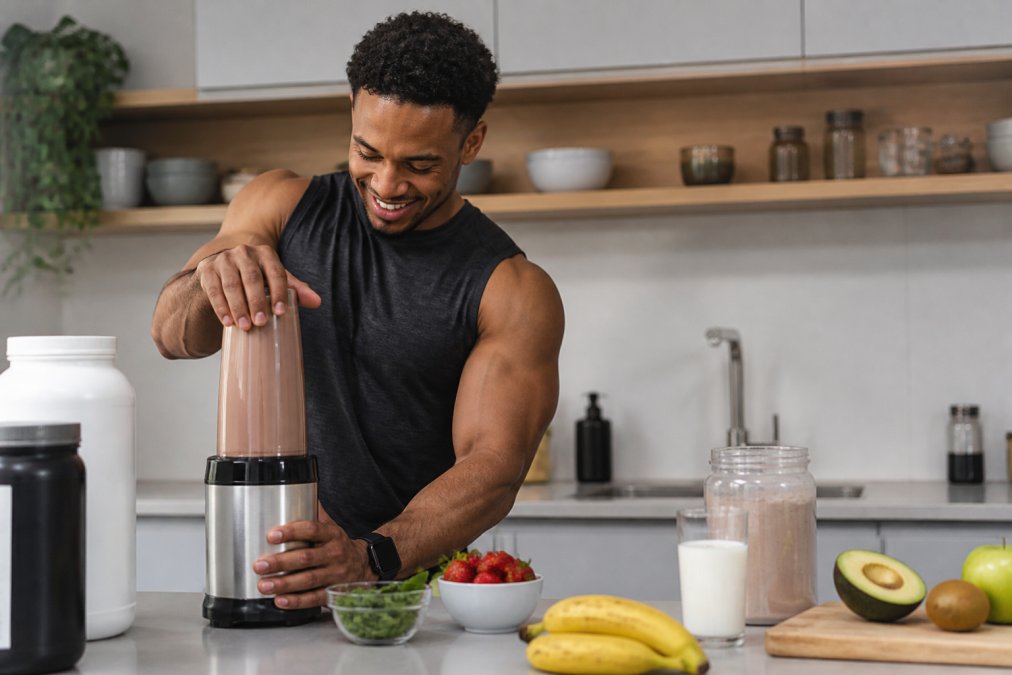
A workable post-workout protocol for vegan athletes:
- Within an hour of finishing, take in 20 to 30 grams of complete plant protein
- Add a carbohydrate source if the session was long or glycogen-depleting
- Include fluid and electrolytes, especially in hot conditions
- Repeat protein intake at your next meal rather than relying on one large dose
- Keep total daily protein spread across three to four eating occasions
Creatine deserves a mention here. It is one of the most studied supplements for strength and recovery, and it is not animal-derived. VitaFaze's Creatine Powder is pure creatine monohydrate with no fillers, sodium, or sugar, and it fits a plant-based protocol without compromise.

Age changes this picture more than most guides admit. Athletes over 40 tend to need more protein per meal to trigger the same muscle protein synthesis response, and recovery kinetics slow. Older plant-based athletes should lean toward the higher end of protein targets and pay closer attention to micronutrient status. Psychological recovery matters too: sleep and stress management affect tissue repair as much as any shake.
Frequently Asked Questions
Do vegan athletes need more protein for recovery?
Vegan athletes should aim for 1.4 to 2.0 grams of protein per kilogram of body weight daily, slightly higher than omnivores due to the lower digestibility of some plant proteins. Focus on combining complementary sources like legumes, grains, and soy to ensure a complete amino acid profile. Spreading protein across meals supports muscle protein synthesis and recovery.
What are the best plant-based foods for muscle recovery?
Top choices include lentils, chickpeas, tofu, tempeh, quinoa, and hemp seeds. These provide essential amino acids and anti-inflammatory compounds. Pair them with vitamin C-rich fruits like oranges or berries to boost iron absorption. Tart cherry juice and beetroot also support recovery by reducing oxidative stress and improving blood flow.
Are there specific supplements that help vegan athletes recover faster?
Creatine monohydrate, glutamine, and beetroot extract are well-researched options. Creatine supports strength and muscle recovery, while glutamine aids muscle protein synthesis and immune function. Beetroot increases nitric oxide production, improving blood flow and oxygen delivery. Always choose third-party tested products to ensure purity and effectiveness.
Does a plant-based diet reduce inflammation in athletes?
Yes, plant-based diets are rich in antioxidants and polyphenols that combat systemic inflammation. Studies show lower levels of inflammatory markers like C-reactive protein in vegans. This can translate to less delayed onset muscle soreness (DOMS) and faster post-exercise recovery. Emphasize colorful vegetables, fruits, nuts, and seeds for maximum benefit.
Recovery is where plant-based athletes either close the gap or fall behind, and the difference is almost always execution rather than the diet itself. VitaFaze builds plant-powered nutrition for exactly that gap, with clean, bioavailable ingredients designed to support muscle recovery, endurance, and cellular energy. Get started with VitaFaze and give your training the recovery support it has been missing.