



Best Anti-Inflammatory Foods for Post-Workout Recovery
Table of Contents
- Why Anti-Inflammatory Foods Matter for Recovery
- Understanding Muscle Damage and Inflammation After Exercise
- What to Eat After a Workout for Recovery
- Top Anti-Inflammatory Foods for Athletes
- Vegan Post-Workout Meals That Reduce Inflammation
- How to Reduce Inflammation After Exercise
- Timing and Nutrient Combinations for Maximum Recovery
- Frequently Asked Questions
Last Updated: October 12, 2026
Why Anti-Inflammatory Foods Matter for Recovery
After an intense workout, your muscles have controlled damage that triggers an inflammatory response necessary for growth. But excessive inflammation extends recovery time and increases delayed onset muscle soreness (DOMS). The best anti-inflammatory foods for post-workout recovery moderate this response while supporting repair.
At VitaFaze, we've worked with plant-based athletes who struggle to recover without animal products. The key isn't avoiding inflammation entirely, it's managing it strategically through nutrition. Certain foods contain polyphenols and antioxidants that help your body process oxidative stress more efficiently after exercise.
Recovery nutrition signals your body to "repair this tissue" without overreacting to the damage. The best anti-inflammatory foods for post-workout recovery do both, which is why timing and food selection matter.
Understanding Muscle Damage and Inflammation After Exercise
Your muscles grow during recovery, not during the workout. Exercise creates microscopic tears in muscle fibers, and your body floods the area with inflammatory markers that trigger repair and adaptation, a process called protein synthesis, essential for hypertrophy and strength gains.
The problem isn't inflammation itself, but when it stays elevated too long. Excessive systemic inflammation delays tissue recovery, increases discomfort, and interferes with your next session, which is where the best anti-inflammatory foods for post-workout recovery become critical.
Oxidative stress is another piece: hard exercise generates free radicals that damage cell membranes and slow recovery if not neutralized. Antioxidants from whole foods bind to free radicals and render them harmless, which is why athletes who prioritize antioxidant-rich nutrition typically recover faster.
The recovery window, roughly 1-2 hours post-workout, is when your body is most receptive to nutrients. Your muscles are primed to absorb amino acids for protein synthesis and carbohydrates for glycogen replenishment, and adding anti-inflammatory compounds amplifies the effect.
What to Eat After a Workout for Recovery
Post-workout nutrition needs three things: protein for muscle repair, carbohydrates for glycogen replenishment, and anti-inflammatory compounds to manage oxidative stress. Timing matters as much as composition.
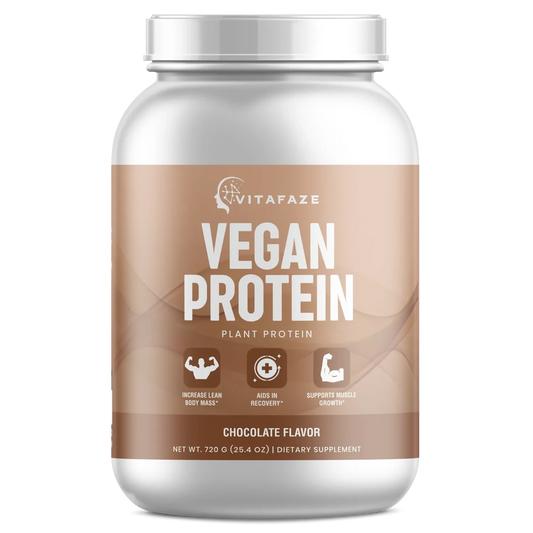
Your immediate post-workout meal should include a complete protein with all nine essential amino acids. For plant-based athletes, that often means combining protein sources or using a quality vegan supplement. VitaFaze's Vegan Protein Chocolate Shake delivers 22 grams of complete plant-based protein from organic pea and brown rice protein. At 140 calories and 3 grams of sugar per serving, it won't spike blood glucose while supporting protein synthesis.

Carbohydrates are equally important. Your muscles store glucose as glycogen, which depletes during training; replenishing it within the recovery window accelerates adaptation. The best post-workout carbs come from whole foods like sweet potatoes, oats, or bananas, or from recovery-specific supplements. VitaFaze's Recovery Carb + Electrolyte Summer Punch provides 24 grams of fast-digesting carbohydrates plus electrolytes to support hydration and nutrient absorption.
Don't overlook hydration. Water alone isn't enough after intense training. You've lost electrolytes through sweat, and replacing them helps your body absorb nutrients more efficiently. This is why many athletes pair their post-workout meal with an electrolyte drink.
| Component | Purpose | Timing | Example |
|---|---|---|---|
| Complete Protein | Muscle repair and protein synthesis | Within 1-2 hours | Plant-based protein shake (22g minimum) |
| Fast-Digesting Carbs | Glycogen replenishment | Within 1-2 hours | Sweet potato, oats, or recovery drink (20-40g) |
| Antioxidants | Manage oxidative stress | Within 1-2 hours | Berries, turmeric, ginger |
| Electrolytes | Hydration and nutrient absorption | Immediately post-workout | Coconut water, electrolyte drink |
Top Anti-Inflammatory Foods for Athletes
The most powerful anti-inflammatory foods contain specific compounds your body recognizes and uses immediately. Here's what each food does, how much you need, and where the trade-offs are.
Omega-3 Rich Foods and Supplements
Omega-3 fatty acids reduce systemic inflammation by shifting the balance of eicosanoids your body produces (Omega-3 Fatty Acids and Inflammatory Processes). Most athletes run an omega-6 to omega-3 ratio skewed toward omega-6 from seed oils and processed foods, amplifying the inflammatory response to training.
The three main omega-3s behave differently:
- ALA (alpha-linolenic acid), plant sources: flaxseed, chia, walnuts, hemp hearts
- EPA (eicosapentaenoic acid), primarily marine sources; the form most tied to inflammation reduction
- DHA (docosahexaenoic acid), primarily marine sources; supports cell membrane and neurological recovery
ALA must be converted to EPA and DHA in the body, and that conversion is inefficient, only about 5-10% of ALA converts to EPA and roughly 0.5-5% to DHA. A tablespoon of flaxseed is not equivalent to a serving of fatty fish.
Food-first targets:
- Fatty fish (salmon, sardines, mackerel, herring): two 3-4 oz servings per week is the general population guideline most dietitians cite for cardiovascular and anti-inflammatory benefit. Athletes in heavy training often aim higher.
- Canned sardines and canned salmon are the cheapest way to hit EPA/DHA without cooking, roughly $1-2 per serving at most grocery stores.
- Plant sources (flax, chia, walnuts, hemp): 1-2 tablespoons of ground flax or chia daily, or a small handful of walnuts. These contribute ALA plus fiber and polyphenols, but should not be your only omega-3 source if inflammation management is the goal.
Supplement trade-offs:
- Fish oil capsules deliver pre-formed EPA and DHA and bypass the ALA conversion bottleneck. Look for a label that lists EPA and DHA separately, not just "fish oil" total.
- Algae-based omega-3 is the vegan equivalent and provides pre-formed EPA and DHA without the fish source. It typically costs more per gram than fish oil.
- Store omega-3 capsules in the refrigerator and check for a rancidity smell, oxidized fish oil is pro-inflammatory, not anti-inflammatory.
For plant-based athletes, supplementation is often the practical answer because food sources of pre-formed EPA and DHA are limited. VitaFaze's Omega 3 Fish Oil provides direct EPA and DHA from sea-harvested pelagic fish oil, bypassing the conversion step entirely. If you're strictly plant-based, algae-based omega-3 supplements offer a vegan alternative that provides pre-converted EPA and DHA without the fish oil.
Spices and Herbs with Powerful Anti-Inflammatory Properties
Turmeric contains curcumin, one of the most researched anti-inflammatory compounds available, working by inhibiting inflammatory pathways at the cellular level. The catch: curcumin has low bioavailability on its own, so your body struggles to absorb and use it.
That's where piperine comes in. Piperine, the active compound in black pepper, increases curcumin absorption substantially, often cited as up to 2000% in human studies. A pinch of freshly ground black pepper in your post-workout meal does the same job as a standardized extract. VitaFaze's Turmeric w/BioPerine combines 650mg of organic turmeric with BioPerine so you actually absorb the compounds, and taking it post-workout amplifies the effect because your digestive system is primed during the recovery window.
Vegan Protein Chocolate Shake - 1.5lb Pure Plant-Based Nutrition for Optimal →

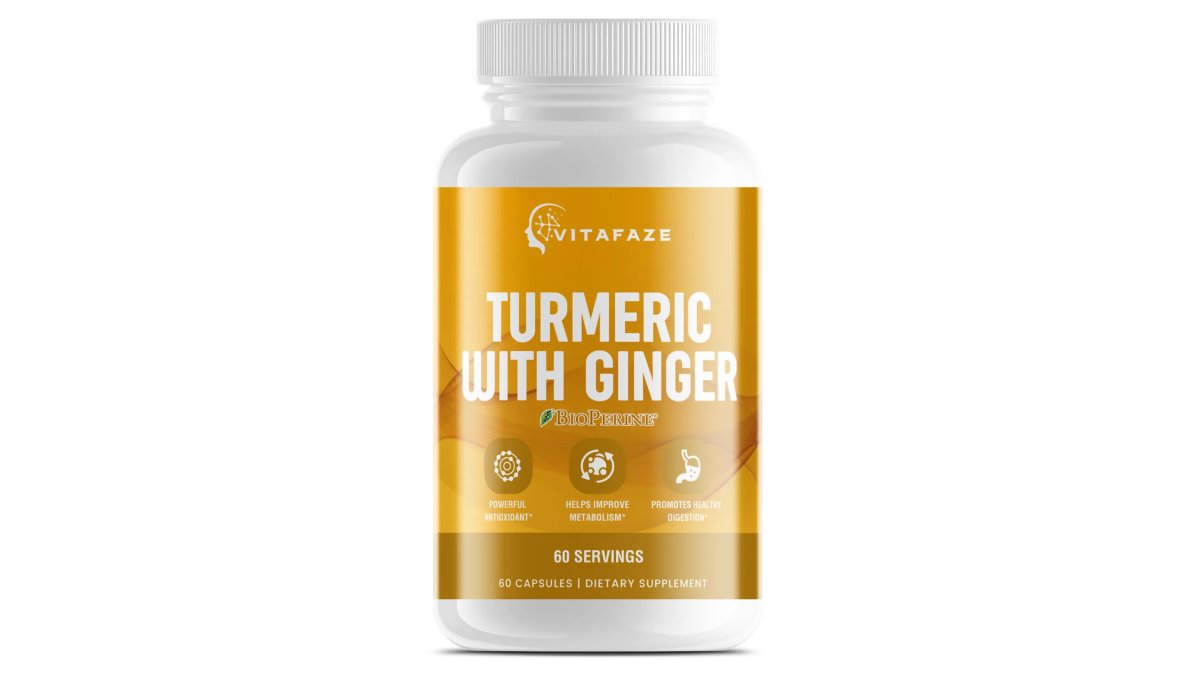
Ginger contains gingerol, another powerful anti-inflammatory compound that works through a different mechanism than turmeric, making them complementary. VitaFaze's Turmeric w/Ginger combines both herbs in one capsule, targeting inflammation from multiple angles. Athletes often report reduced soreness when taking this combination within 2 hours of training.

Other anti-inflammatory spices worth including in your post-workout meals: cinnamon, cayenne pepper, and rosemary. These can be added to smoothies, rice bowls, or recovery drinks without affecting taste significantly.
Berries, Leafy Greens, and Tart Cherry
Polyphenols are the plant compounds behind most of the anti-inflammatory effect of fruits and vegetables. Three stand out for recovery:
- Tart cherry, one of the few whole foods with direct research on exercise recovery. Common protocols use concentrated tart cherry juice or powder around training days. Fresh tart cherries are seasonal and expensive; frozen and juice concentrate are the practical year-round options.
- Berries (blueberries, raspberries, blackberries, strawberries), high in anthocyanins. Frozen berries retain most of their polyphenol content and cost significantly less than fresh out of season.
- Leafy greens (kale, spinach, arugula, Swiss chard), provide vitamin K, nitrates, and carotenoids. Nitrates in particular support blood flow, which helps deliver nutrients to damaged muscle.
Budget-Friendly Swaps
Many athletes who try to eat anti-inflammatory on a budget buy fresh salmon, berries, and turmeric, then quit after two weeks because the grocery bill is unsustainable. These swaps deliver the same compounds at a fraction of the cost:
| Premium item | Budget swap | Why it works |
|---|---|---|
| Fresh salmon fillet | Canned sardines or canned salmon | Same EPA/DHA, often under $2 per serving |
| Fresh blueberries | Frozen wild blueberries | Higher anthocyanin content per ounce, cheaper year-round |
| Fresh turmeric root | Ground turmeric + black pepper | Piperine boosts absorption; ground spice is shelf-stable |
| Fresh tart cherry juice | Frozen tart cherries or concentrate | Same polyphenols, no added sugar |
| Fresh spinach | Frozen chopped spinach | Nutritionally equivalent, cheaper, no spoilage |
What to Skip
Not every "anti-inflammatory" food earns its reputation in the post-workout window. Two common mistakes:
- High-dose antioxidant supplements right after training. Some research suggests very high doses of isolated antioxidants (particularly vitamin C and E in megadoses) may blunt some of the adaptive signaling that drives muscle growth. Whole-food sources don't appear to have this problem because the doses are lower and the compounds are bundled with fiber and other phytonutrients.
- Seed-oil-heavy processed foods marketed as "recovery." Check the label. If the first ingredients are soybean oil, sunflower oil, or corn syrup, the omega-6 load works against the omega-3 you're trying to add.
Vegan Post-Workout Meals That Reduce Inflammation
Most articles stop at "eat berries and turmeric." The harder question: how do you get an anti-inflammatory meal into your body within the recovery window when you're tired, hungry, and don't want to cook? Here's how, by training type.
The Three-Component Rule
Every recovery meal should hit three targets:
- 20-40g complete protein for muscle protein synthesis
- 0.5-1g carbohydrate per kg of body weight for glycogen replenishment (higher end for endurance work)
- At least one polyphenol-rich or spice-based anti-inflammatory compound
If a meal hits all three, it qualifies. If it only hits one or two, add the missing piece.
Workout-Specific Protocols
Recovery needs differ by training type. A generic "eat this after every workout" plan underserves both endurance and strength athletes.
Strength training (heavy lifting, low reps, long rest):
- Priority: protein and anti-inflammatory compounds. Glycogen depletion is moderate.
- Target: 30-40g protein, 30-50g carbs, plus turmeric/ginger and omega-3s.
- Example: protein shake blended with frozen berries, ground flax, and a pinch of black pepper.
Endurance training (running, cycling, rowing over 60 minutes):
- Priority: carbohydrate replenishment. Glycogen depletion is the dominant stressor.
- Target: 60-90g fast carbs, 20-25g protein, plus tart cherry or berries for oxidative stress.
- Example: recovery carb drink plus a banana and a small handful of walnuts.
Mixed-modal or team sport (intervals, sport practice):
- Priority: balanced carbs and protein, plus electrolytes.
- Target: 40-60g carbs, 25-30g protein, electrolytes, plus ginger for soreness.
- Example: rice bowl with tofu, roasted sweet potato, and a ginger-tahini drizzle.
Low-intensity or active recovery day:
- Priority: anti-inflammatory foods without a large carb load.
- Target: 20-25g protein, moderate carbs, heavy on polyphenols.
- Example: green smoothie with protein powder, spinach, frozen berries, and ground flax.
Meal Prep Strategy for the Recovery Window
The recovery window is roughly 1-2 hours post-workout. That's not enough time to cook from scratch if you're also showering, commuting, or getting to your next obligation. The solution is prepping components, not full meals.
Sunday prep (about 60-90 minutes):
- Cook a batch of grains. Brown rice, quinoa, or farro. Portion into 4-6 containers. These are your carb base for the week.
- Roast a sheet pan of vegetables. Sweet potato cubes, broccoli, bell peppers, red onion. Toss with olive oil, turmeric, cumin, and black pepper before roasting, the pepper is what makes the turmeric absorbable.
- Make a ginger-tahini sauce. Blend tahini, fresh grated ginger, lemon juice, garlic, and water. Keeps 5-7 days in the fridge. This is your anti-inflammatory finisher for any bowl.
- Portion smoothie bags. In each freezer bag: 1 frozen banana, 1 cup frozen berries, 1 tbsp ground flax, 1 tsp ground turmeric, pinch of black pepper. In the morning, dump one bag into the blender with protein powder and plant milk.
- Cook a batch of tofu or tempeh. Cube, marinate in tamari and ginger, bake or pan-fry. Portion into containers.
Assembly time post-workout: under 3 minutes. Grab a grain container, a veg container, a protein container, drizzle the ginger-tahini sauce, eat. Or dump a smoothie bag into the blender.
Four Meals That Hit All Three Targets
Smoothie Bowl Option: Blend VitaFaze's Vegan Protein Chocolate Shake with a frozen banana, fresh berries (blueberries and raspberries are highest in antioxidants), plant-based milk, and a tablespoon of ground flaxseed. Top with granola and coconut flakes. This delivers 22g protein, fast carbs from the banana, and polyphenols from the berries.
Savory Rice Bowl: Cook brown rice or quinoa as your carb base. Add a scoop of plant-based protein powder mixed into hummus as your protein source. Top with roasted sweet potato, leafy greens, and a drizzle of tahini. Sprinkle turmeric and ginger on the vegetables before roasting. This combination provides complete amino acids, glycogen replenishment, and curcumin and gingerol from the spices.
Recovery Drink Approach: Mix VitaFaze's Recovery Carb + Electrolyte Summer Punch with plant-based protein powder and add fresh ginger juice. The supplement handles carbs and electrolytes while the protein powder provides amino acids. Consume immediately post-workout for maximum nutrient timing benefit.
Whole Food Meal: Tofu stir-fry with broccoli, bell peppers, and ginger over quinoa. Season heavily with turmeric. Serve with a side of berries. This approach uses whole foods exclusively while still hitting all recovery markers. The advantage is that you're getting fiber and micronutrients alongside the macronutrients.
A Note on Blunting Adaptation
One nuance most recovery articles skip: inflammation is not the enemy. The acute inflammatory response after training is part of the signal that drives muscle growth and endurance adaptation. The goal of anti-inflammatory nutrition is to keep that response from running too long or too hot, not to shut it down.
Vegan Protein Chocolate Shake - 1.5lb Pure Plant-Based Nutrition for Optimal →
In practice, this means:
- Don't megadose isolated antioxidants (high-dose vitamin C or E capsules) immediately after a hypertrophy-focused session. Whole-food sources are fine; isolated megadoses may interfere with the adaptive signal.
- Do prioritize anti-inflammatory foods during high-volume training blocks, back-to-back competition days, or when soreness is limiting your next session.
- Do prioritize them if you're recovering from an injury, illness, or a period of poor sleep, situations where systemic inflammation is already elevated.
If your goal is maximal muscle growth and you're sleeping well and recovering normally, you don't need to chase every anti-inflammatory compound. If your goal is to feel better, train more frequently, or manage a heavy competition schedule, they become much more valuable.
How to Reduce Inflammation After Exercise
Reducing post-exercise inflammation requires a multi-pronged approach. Nutrition is one piece, but recovery protocols matter too.
Active recovery beats complete rest for inflammation management. Light movement, walking, easy cycling, gentle yoga, increases blood flow to damaged muscle tissue without adding stress, flushing metabolic waste products. Combine it with anti-inflammatory nutrition for compounding benefits.
Sleep is non-negotiable. Most muscle repair happens during deep sleep when growth hormone peaks, and if you're training hard but sleeping poorly, anti-inflammatory nutrition can't overcome the deficit. Aim for 7-9 hours on training days.
Hydration directly affects inflammation levels. Dehydration concentrates inflammatory markers in your bloodstream, making inflammation feel more intense, which is why electrolyte replacement matters. VitaFaze's ION + Select Electrolyte Formula includes Pink Himalayan Salt for trace minerals, beet root for cardiovascular support, and Acerola cherry for immune function, working together to support hydration and reduce inflammatory stress.
Stress management reduces systemic inflammation independent of training. High cortisol from psychological stress amplifies the inflammatory response to exercise. Meditation, breathing exercises, or simply reducing training volume during high-stress periods helps keep inflammation in check.
The most overlooked recovery factor is sleep. You can eat perfectly and supplement optimally, but without adequate sleep, your body can't complete the repair process. Prioritize sleep as aggressively as you prioritize nutrition.
Timing and Nutrient Combinations for Maximum Recovery
The recovery window isn't just about what you eat, it's about when and how you combine nutrients.
Nutrient timing works because your muscles are insulin-sensitive immediately after training, preferentially absorbing glucose and amino acids rather than storing them as fat. The effect diminishes after 2 hours, which is why post-workout timing matters.
Combining protein and carbs beats either alone. Carbs trigger insulin release, which facilitates amino acid uptake into muscle cells, that's why a protein shake with fruit beats a protein shake alone. The carbs create the hormonal environment for the protein to be used most efficiently.
Adding anti-inflammatory compounds extends the benefit: a meal with protein, carbs, and turmeric supports muscle repair and inflammation management simultaneously. That's why VitaFaze's recovery products work together, the Vegan Protein Chocolate Shake provides protein, the Recovery Carb + Electrolyte provides carbs and hydration, and the Turmeric w/Ginger provides anti-inflammatory support.
Fat timing matters too. While fat slows digestion, a small amount of healthy fat (nuts, seeds, avocado) in your post-workout meal improves nutrient absorption and satiety. Aim for roughly 5-10g of fat, not 30-40g like at other meals.
Micronutrient support matters too. Vitamin C aids collagen synthesis for connective tissue repair, and VitaFaze's Plant Source Vitamin C provides organic plant-based vitamin C with rose hips and quercetin to amplify antioxidant support. Taking it with your post-workout meal enhances recovery.
For endurance athletes, the approach differs slightly. Distance runners and cyclists deplete glycogen more severely than strength athletes, so carb replenishment is the primary focus. Add an extra serving of fast carbs to your recovery meal, and consider the Recovery Carb + Electrolyte as your primary post-workout tool.
The best anti-inflammatory foods for post-workout recovery aren't mysterious, they're whole foods and targeted supplements your body recognizes and uses immediately. The real challenge is consistency. Build anti-inflammatory nutrition into your standard post-workout routine and recovery accelerates noticeably within 2-3 weeks.
Recovery isn't passive, it's an active process you fuel with intention. Shop our full line of recovery-focused supplements and see how targeted nutrition changes your training outcomes.
Frequently Asked Questions
What are the best anti-inflammatory foods to eat after a workout?
The best anti-inflammatory foods for post-workout recovery include berries, fatty fish rich in omega-3s, leafy greens, turmeric, ginger, and nuts. These foods contain polyphenols, antioxidants, and omega-3 fatty acids that combat oxidative stress and reduce delayed onset muscle soreness (DOMS). Pairing protein sources like legumes or plant-based protein with these foods supports muscle protein synthesis while managing systemic inflammation.
How soon after exercise should you eat anti-inflammatory foods?
Consume anti-inflammatory foods within 30-60 minutes after your workout to optimize the recovery window. This timing helps replenish glycogen stores and initiate muscle tissue repair. A post-workout meal combining carbohydrates for glycogen replenishment and protein for muscle repair works best. VitaFaze's Vegan Protein Chocolate Shake provides 22 grams of plant-based protein and can be consumed immediately post-exercise for fast absorption.
Can vegan post-workout meals be as effective as animal-based options for reducing inflammation?
Yes, well-planned vegan post-workout meals are equally effective. Plant-based sources of omega-3 fatty acids (flaxseeds, chia seeds, walnuts), complete proteins (legumes, quinoa, hemp seeds), and phytonutrients from colorful vegetables provide comprehensive anti-inflammatory support. The key is combining multiple plant foods to ensure a complete amino acid profile and adequate micronutrient intake for optimal tissue recovery and reduced muscle discomfort.
What supplements support anti-inflammatory recovery for plant-based athletes?
Plant-based athletes benefit from targeted supplements like turmeric with BioPerine for enhanced curcumin absorption, omega-3 supplements for bioavailable EPA and DHA, and plant-based protein powders for convenient post-workout nutrition. VitaFaze's Turmeric w/BioPerine ($26.95) supports inflammation management, while the Vegan Protein Chocolate Shake ($32.97) delivers complete protein with low sugar for efficient recovery without compromising plant-based values.