



Buy Clean Plant-Based Recovery Supplements: 2026 Guide
Table of Contents
- What Makes a Plant-Based Recovery Supplement Clean
- Essential Nutrients for Muscle Repair and Protein Synthesis
- Post-Workout Nutrition Timing and Recovery Windows
- Bioavailability: Why Ingredient Quality Matters More Than Quantity
- Best Vegan Post-Workout Recovery Supplements for Different Athletes
- How to Get Enough B12 on a Vegan Diet Through Supplementation
- Electrolyte Replenishment and Cellular Hydration for Recovery
- Third-Party Testing and Clean Label Transparency
- Frequently Asked Questions
Last Updated: September 2, 2026
What Makes a Plant-Based Recovery Supplement Clean
A clean plant-based recovery supplement starts with ingredient transparency and bioavailability. When you're buying clean plant-based recovery supplements, you're investing in formulations where every component serves a purpose and can actually be absorbed by your body. The difference between a clean supplement and a marketing-driven one often comes down to third-party testing, ingredient sourcing, and whether the brand discloses exactly what's in the product and why.
VitaFaze defines clean supplementation as using whole-food-derived ingredients, minimal processing, and zero synthetic fillers or artificial additives. This matters because your body processes plant-based nutrients differently than animal-derived ones. A supplement loaded with cheap binding agents or artificial sweeteners might deliver protein on paper, but your digestive system won't extract the same value.
Clean also means no hidden ingredients. Many mainstream brands bury their full formula in fine print or use proprietary blends that obscure dosages. When you're evaluating plant-based recovery supplements, look for brands that list exact amounts of branched-chain amino acids, glutamine, and electrolytes per serving. This transparency signals confidence in the formula.
Third-party testing is non-negotiable for clean supplements. Independent labs verify that what's on the label actually matches what's in the container and that heavy metals, contaminants, or banned substances aren't present. Vegan-certified and non-GMO designations add another layer of verification, though certification alone doesn't guarantee quality.
| Clean Supplement Indicator | What It Means | Why It Matters |
|---|---|---|
| Third-party tested | Independent lab verified contents | Ensures label accuracy and safety |
| Full ingredient disclosure | Exact dosages listed, no proprietary blends | You know what you're consuming |
| Whole-food sourced | Derived from plants, not synthetic labs | Better bioavailability and absorption |
| Minimal additives | Few binders, fillers, or artificial sweeteners | Cleaner nutrient profile |
| Vegan and non-GMO certified | Verified by certification bodies | Aligns with values and quality standards |
Essential Nutrients for Muscle Repair and Protein Synthesis
Muscle protein synthesis is the biological process where your body builds new muscle tissue after training. To trigger this process on a plant-based diet, you need complete amino acid profiles, adequate protein quantity, and supporting micronutrients that enhance recovery at the cellular level.
Plant-based proteins often lack one or more essential amino acids that animal proteins naturally contain. That's why combining different plant sources matters. Pea protein and brown rice protein together create a complete amino acid profile. When you're shopping for plant-based recovery supplements, look for blends that combine multiple plant sources rather than relying on a single ingredient.
Leucine is the amino acid that most directly activates muscle protein synthesis. Plant-based sources contain less leucine per gram than animal sources, so your total protein intake needs to be slightly higher. Many athletes on plant-based diets aim for 1.6 to 2.0 grams of protein per kilogram of body weight daily, compared to 1.2 to 1.6 for omnivorous athletes (peer-reviewed research). A quality plant-based recovery supplement bridges this gap efficiently.
Beyond protein, muscle repair requires magnesium for muscle function, zinc for immune recovery, and B vitamins for energy metabolism. Antioxidant support from polyphenols and micronutrients helps reduce exercise-induced inflammation. VitaFaze's formulations include these supporting nutrients alongside protein because complete recovery isn't just about amino acids.
Timing matters too. Consuming protein and carbohydrates within 30 to 60 minutes after training accelerates recovery kinetics and refills depleted glycogen stores (peer-reviewed research). A single serving of a quality plant-based recovery supplement in this window delivers both the amino acids and fast-digesting carbohydrates your body needs most.
Post-Workout Nutrition Timing and Recovery Windows
The recovery window isn't a myth, but it's narrower and more forgiving than fitness marketing suggests. Your muscles are most primed to absorb and use nutrients in the 30 to 90 minutes immediately following intense training. This is when muscle protein synthesis rates peak and glycogen depletion is most acute.
What you consume during this window has measurable impact. A carbohydrate and protein combination triggers an insulin response that shuttles nutrients into muscle cells more efficiently than either macronutrient alone. This is why post-workout recovery supplements combine fast-digesting carbs with plant-based protein rather than offering protein in isolation.
For plant-based athletes, the timing window extends slightly longer than for omnivorous athletes because plant proteins digest more slowly and have lower leucine concentrations. Consuming your recovery supplement within 45 to 60 minutes post-workout gives your body adequate time to process the plant-based amino acids and initiate muscle repair.
The mistake most athletes make isn't missing the window by five minutes. It's training hard, consuming nothing, then eating a large meal two hours later. Your muscles have already shifted into a catabolic state by then. A quick plant-based recovery supplement immediately after training prevents this downregulation and keeps you in an anabolic state.
Electrolyte replenishment is equally time-sensitive. Sweat loss during training depletes sodium and potassium, which affects cellular hydration and muscle function. Replacing these electrolytes within the recovery window optimizes your body's ability to rehydrate and prepare for the next training session.
Bioavailability: Why Ingredient Quality Matters More Than Quantity
Bioavailability is the percentage of a nutrient your body can actually absorb and use. A supplement with 25 grams of protein that your digestive system can only absorb 60% of delivers just 15 grams of usable amino acids. This is why ingredient quality and form matter more than raw quantities on the label.
Plant-based proteins have naturally lower bioavailability than animal proteins due to the presence of antinutrients like phytates and tannins that bind minerals and slow digestion. Processing methods like sprouting, fermenting, and enzymatic treatment increase bioavailability significantly. When evaluating plant-based recovery supplements, check whether the protein sources have undergone bioavailability enhancement.
The amino acid profile also affects use. A complete amino acid profile with adequate leucine concentration signals to your muscles to initiate protein synthesis. Incomplete profiles or imbalanced ratios mean your body can't fully use the protein you've consumed. This is why blended plant-based proteins outperform single-source options.
Chelated minerals have higher bioavailability than their non-chelated counterparts. If a supplement lists magnesium glycinate instead of magnesium oxide, you're getting a form your body can absorb more efficiently. The same principle applies to zinc, iron, and calcium in plant-based formulas.
Digestive enzymes enhance bioavailability across the board. Protease breaks down proteins into smaller peptides that absorb faster. Amylase helps your body process carbohydrates more completely. Many premium plant-based recovery supplements include enzyme blends specifically to maximize what your body extracts from each serving.
Best Vegan Post-Workout Recovery Supplements for Different Athletes
Plant-based athletes have different recovery needs depending on their training modality. A strength athlete prioritizes muscle protein synthesis and creatine phosphate replenishment. An endurance athlete needs rapid glycogen restoration and oxidative stress management. Matching your supplement to your training type accelerates recovery and performance gains.

For Strength and Muscle Hypertrophy
Strength training creates muscle damage that requires high-quality protein and amino acid availability to repair and grow. Your post-workout priority is maximizing muscle protein synthesis through adequate leucine intake and supporting nutrients like creatine and glutamine.
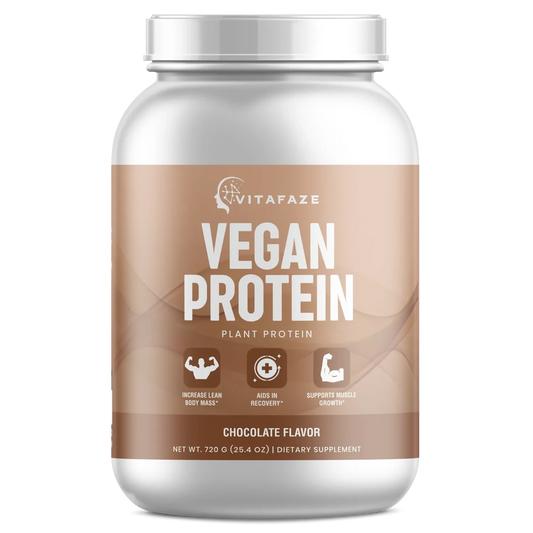
VitaFaze's Vegan Protein Chocolate Shake delivers 22 grams of plant-based protein per serving from organic pea and brown rice protein, creating a complete amino acid profile that triggers muscle protein synthesis. At $32.97 per 1.5lb container, it costs approximately $1.46 per serving. The addition of 155mg of calcium supports bone strength under heavy loading, which matters for strength athletes training with progressive overload.

For serious muscle hypertrophy, pair protein with creatine supplementation. VitaFaze's Creatine Powder at $38.50 per container provides 100% pure creatine monohydrate with no fillers. Creatine increases muscle phosphate stores, allowing you to complete more reps per set and accumulate greater training volume. The research on creatine for plant-based athletes is consistent: it works equally well regardless of diet type.
Glutamine becomes essential during intense strength phases. VitaFaze's Glutamine Powder at $37.10 per 300g container supports muscle protein synthesis, prevents muscle breakdown, and strengthens immune function during heavy training blocks. A single scoop mixed into your post-workout shake rounds out your amino acid profile with additional glutamine that your body depletes during strength training.
The stack: protein shake immediately post-workout, creatine daily with consistent timing, and glutamine with your recovery meal. This combination addresses the three primary recovery drivers for strength athletes: amino acid availability, muscle energy substrate, and immune support.
For Endurance and Stamina
Endurance training depletes glycogen stores and creates oxidative stress rather than significant muscle damage. Your recovery priorities shift toward rapid carbohydrate replenishment, electrolyte restoration, and antioxidant support to manage inflammation.
VitaFaze's Recovery Carb + Electrolyte supplements are purpose-built for endurance recovery. The Summer Punch formula at $32.98 per 1365g container delivers 24 grams of fast-digesting carbohydrates from dextrose and glucose polymers, plus a four-electrolyte blend (sodium, potassium, magnesium, calcium). This combination restores glycogen within the critical 30 to 60-minute window and replaces sweat losses simultaneously. At approximately $0.61 per serving, it's cost-effective for daily training.
The Lemon Lime Recovery Carb + Electrolytes at $19.52 per container offers identical carbohydrate and electrolyte content in a smaller size, making it ideal for athletes who train frequently and need consistent supply. The flavor variety helps with compliance during heavy training blocks where supplement fatigue becomes real.
Endurance athletes also benefit from branched-chain amino acids to prevent muscle catabolism during long efforts. VitaFaze's BCAA Shock Powder in Watermelon or Fruit Punch at $31.98 per container contains L-leucine, L-glutamine, and vitamin B6. Taking a serving during or immediately after endurance sessions preserves muscle tissue that extended efforts otherwise break down.
The stack: carb-electrolyte drink immediately post-workout, BCAA support during or after long training sessions, and a plant-based protein shake for complete amino acid profile within 90 minutes. This sequence prioritizes glycogen restoration first, then muscle preservation and repair.
How to Get Enough B12 on a Vegan Diet Through Supplementation
Vitamin B12 is synthesized by bacteria, not plants or animals. Animal products contain B12 because livestock are exposed to B12-producing bacteria or receive B12 supplementation themselves. On a plant-based diet, direct supplementation is non-negotiable because B12 deficiency creates serious neurological consequences.
Plant-based athletes need B12 supplementation because intense training increases metabolic demand and B12 is essential for energy production and nervous system function. Deficiency impairs recovery, reduces endurance capacity, and compromises cognitive function. Many plant-based athletes don't realize their fatigue or training plateaus stem from B12 insufficiency.
The recommended daily intake for adults is 2.4 micrograms. On a plant-based diet, you need supplementation because plant foods contain no reliable B12 source. Fermented foods and nutritional yeast sometimes contain B12, but in inconsistent amounts and often in less bioavailable forms.
Supplementation options include cyanocobalamin (synthetic, highly stable and bioavailable) and methylcobalamin (naturally occurring form, also highly bioavailable). Both work effectively for plant-based athletes. Cyanocobalamin is more research-backed and cost-effective. Methylcobalamin offers a "natural" form if that's a priority for your purchasing decisions.
Dosing matters. Daily supplementation requires 25 to 100 micrograms to ensure adequate absorption. Weekly supplementation requires 2,000 micrograms per dose to account for lower absorption rates. Many plant-based athletes find weekly supplementation more convenient and equally effective.
B12 supplementation is one area where you cannot rely on food alone, even on a diet rich in fortified plant milks and nutritional yeast. The risk of deficiency is too high and the consequences too serious. Make B12 supplementation automatic, like brushing your teeth.
Electrolyte Replenishment and Cellular Hydration for Recovery
Electrolytes are minerals that conduct electrical signals in your body, enabling muscle contraction, nerve transmission, and fluid balance. Sweat loss during training depletes sodium and potassium most significantly, disrupting cellular hydration and muscle function.

Water alone doesn't restore electrolyte balance. Drinking plain water after intense training actually dilutes your remaining electrolytes and can trigger hyponatremia (dangerously low sodium) in extreme cases. This is why endurance athletes and heavy sweaters need electrolyte-containing recovery beverages.
Sodium is the primary electrolyte lost in sweat and the most critical for rehydration. Research shows that sodium-containing beverages are absorbed faster and retained longer than sodium-free alternatives. VitaFaze's Recovery Carb + Electrolyte formulas include sodium alongside potassium, magnesium, and calcium to restore the full electrolyte profile.

Magnesium is particularly important for plant-based athletes because plant sources of magnesium are less bioavailable than animal sources. Supplementation through recovery drinks ensures you're replacing what sweat depleted and addressing the baseline absorption challenge of plant-based nutrition. Magnesium also reduces muscle cramping and supports sleep quality, both critical for recovery.
The timing of electrolyte replacement is immediate post-workout. Consuming electrolytes within 30 minutes of training optimizes rehydration and glycogen restoration. Many athletes make the mistake of waiting until they're thirsty to rehydrate, by which point their performance in the next session is already compromised.
Cellular hydration isn't just about water intake. It's about electrolyte balance that allows water to move into cells rather than remaining in extracellular space. This is why a carbohydrate-electrolyte beverage outperforms plain water for recovery. The combination triggers insulin response and sodium-glucose cotransport, pulling both nutrients and water into muscle cells simultaneously.
Third-Party Testing and Clean Label Transparency
Third-party testing is the only objective measure of supplement quality. A brand's own testing proves nothing because manufacturers have financial incentive to report favorable results. Independent laboratories provide verification that the product contains what the label claims and nothing harmful.
Look for NSF Certified for Sport, Informed Choice, or USP Verified seals on plant-based recovery supplements. These certifications mean an independent lab tested the product for banned substances, contaminant levels, and label accuracy. For plant-based athletes competing in organized sports, NSF certification is essential because it guarantees the product won't contain prohibited substances.
VitaFaze products are third-party tested and GMP certified, produced in FDA-registered facilities. This means independent labs have verified contents, and manufacturing follows strict quality protocols. When you're buying clean plant-based recovery supplements, this verification matters more than marketing claims about "premium" or "clean" ingredients.
Clean label transparency means the brand lists every ingredient with exact amounts. Proprietary blends hide dosages and allow manufacturers to use minimal amounts of expensive ingredients while filling the rest with cheap fillers. A truly transparent label lists amino acid profiles, electrolyte content, and supporting micronutrients with exact milligram amounts.
Request certificates of analysis from the brand if they're not publicly available. Legitimate supplement companies provide these documents freely. If a brand refuses or claims they're "proprietary," that's a red flag. Clean labels have nothing to hide.
Vegan certification and non-GMO verification add another transparency layer. These certifications are awarded by third parties who audit sourcing and manufacturing. They signal that the brand invested in verification beyond what the law requires.
When you're buying clean plant-based recovery supplements, you're not just purchasing protein powder. You're investing in recovery infrastructure that determines whether your training efforts translate into actual performance gains. VitaFaze specializes in targeted plant-powered nutrition designed specifically for athletes like you, with transparent sourcing, third-party testing, and bioavailable ingredient forms that actually work. The difference between a generic supplement and a purpose-built recovery formula shows up in your training capacity, muscle soreness reduction, and long-term performance trajectory. According to research on plant-based athletic nutrition, athletes who match their supplementation strategy to their training modality see measurable improvements in recovery metrics within 4 to 6 weeks. Start with VitaFaze's protein and electrolyte formulas, assess how your recovery improves, then add targeted support like creatine or glutamine based on your specific training demands. Shop All Products and build your recovery stack today.
Frequently Asked Questions
Q: What should I look for in a clean plant-based recovery supplement?
Clean plant-based recovery supplements should feature whole-food derived ingredients with transparent sourcing, third-party testing certification, and minimal additives. Look for products listing specific protein sources (pea, brown rice, hemp), bioavailable forms of amino acids, and certifications like GMP or NSF. Avoid artificial sweeteners, fillers, and synthetic colorants. Check ingredient labels for muscle protein synthesis support through branched-chain amino acids and essential amino acid profiles. VitaFaze products like the Vegan Protein Chocolate Shake ($32.97) provide 22g of complete plant-based protein from organic pea and brown rice sources with clean sweetening from erythritol and stevia.
Q: Are plant-based recovery supplements as effective as whey-based options?
Plant-based recovery supplements can be equally effective when formulated with proper amino acid profiles and bioavailable ingredients. The key difference lies in bioavailability and how quickly your body absorbs and utilizes the nutrients. Complete plant proteins combining sources like pea, brown rice, and hemp deliver all nine essential amino acids needed for muscle protein synthesis. Studies show that plant-based athletes experience comparable recovery outcomes when using multi-source plant proteins with adequate leucine content. What matters most is consistency, timing within the post-workout window, and overall dietary protein intake throughout the day.
Q: How do plant-based supplements support muscle repair after intense training?
Plant-based recovery supplements support muscle repair through amino acids that trigger muscle protein synthesis, the process where your body rebuilds damaged muscle fibers. Branched-chain amino acids (particularly leucine) activate the mTOR pathway, signaling your muscles to grow and repair. Essential nutrients like glutamine reduce exercise-induced inflammation and support immune function, while electrolytes and carbohydrates replenish glycogen stores depleted during workouts. Complete protein sources ensure you receive all amino acids needed for cellular repair. VitaFaze's Recovery Carb + Electrolyte formulas ($32.98-$19.52) combine fast-digesting carbohydrates with essential electrolytes to accelerate this recovery process and reduce muscle soreness.
Q: Do I need specific vitamins for recovery on a plant-based diet?
Yes, plant-based athletes should prioritize B12, iron, and vitamin D supplementation alongside recovery nutrients. B12 is critical for energy metabolism and muscle function but only naturally occurs in animal products and fortified foods. Iron from plant sources has lower bioavailability than animal sources, so pairing iron-rich foods with vitamin C enhances absorption. Vitamin D supports muscle function, bone health, and immune recovery. Beyond these, magnesium aids muscle relaxation and cramp relief, while omega-3 fatty acids reduce inflammation. A comprehensive plant-based recovery strategy combines targeted amino acid supplements with micronutrient supplementation to fill dietary gaps and optimize post-workout recovery kinetics.
This article was written using GrandRanker