



How to Improve Endurance Without Animal Protein
Table of Contents
- Plant-Based Protein Sources for Endurance Athletes
- The Science of Endurance Performance on Plant-Based Diets
- Vegan Athlete Recovery Strategies That Work
- How to Increase Endurance Naturally With Nutrient Timing
- Managing Carbohydrate Loading and Glycogen Stores
- Addressing Iron, B12, and Micronutrient Deficiencies
- Vegan Supplements for Athletic Performance and Endurance
- Meal Planning and Periodized Nutrition for Training Cycles
- Common Myths About Plant-Based Endurance Performance
- Conclusion: Building Sustainable Endurance on Your Terms
- Frequently Asked Questions
Last Updated: September 1, 2026
Plant-Based Protein Sources for Endurance Athletes
When training for endurance events on a plant-based diet, protein is foundational. Complete proteins contain all nine essential amino acids your muscles need for repair and adaptation. Legumes like lentils, chickpeas, and black beans form the backbone of plant-based endurance nutrition. Pair them with whole grains, quinoa, brown rice, or oats to cover your amino acid bases. Hemp seeds, chia seeds, tofu, and tempeh offer concentrated protein in practical portions for athletes with high caloric demands.
The mistake most plant-based endurance athletes make is relying on a single protein source. Variety ensures different micronutrient profiles: pumpkin seeds bring zinc and magnesium, nutritional yeast adds B vitamins, spirulina supplies iron. Strategic rotation optimizes mineral and vitamin status simultaneously.
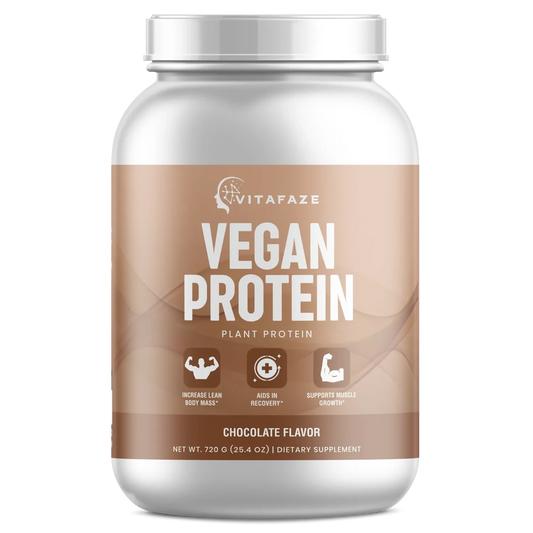
For endurance performance, time protein intake around your training window. Consuming protein within 30-60 minutes after intense training supports muscle protein synthesis (peer-reviewed research). VitaFaze's Vegan Protein Chocolate Shake delivers 22 grams of complete plant-based protein in a form that absorbs quickly when your muscles are primed to use it.

The Science of Endurance Performance on Plant-Based Diets
Endurance performance depends on your muscles' ability to generate ATP efficiently, spare glycogen stores during long efforts, and recover between sessions. Plant-based diets support all three when structured correctly.
Mitochondrial function determines how well your cells convert fuel into usable energy. Plant-based diets rich in polyphenols and antioxidants from berries, leafy greens, and legumes support mitochondrial health and reduce oxidative stress. Nitric oxide production, which improves blood flow and oxygen delivery to working muscles, increases with plant-based diets high in nitrates. Beetroot and leafy greens are particularly potent. VitaFaze's Organic Beetroot supplement concentrates these benefits for consistent nitric oxide support.

Carbohydrate loading remains the gold standard for endurance preparation, and plant-based diets excel here. Oats, rice, pasta, potatoes, and legumes deliver the glycogen replenishment your muscles need. Plant-based carbohydrate sources come with fiber, which slows digestion and provides steadier energy release, an advantage during training but requiring careful management during competition.
Energy availability, the balance between energy intake and training load, matters more than nutrient source. An underfueled plant-based athlete will underperform just as an underfueled omnivorous one will. Plant-based sources often carry higher fiber loads, creating satiety before adequate calories are consumed. Endurance athletes on plant-based diets typically need to be more intentional about caloric intake.
Vegan Athlete Recovery Strategies That Work
Recovery is an active process beginning the moment your workout finishes. Plant-based athletes need specific strategies to optimize it, particularly during the critical window when muscles are primed to accept amino acids and carbohydrates.
Consume a combination of protein and carbohydrates within 30-60 minutes of finishing intense training. Aim for roughly 1 gram of carbohydrate per kilogram of body weight, plus 20-40 grams of protein. For a 70-kilogram athlete, that's roughly 70 grams of carbs and 25-30 grams of protein. A smoothie combining fruit, plant milk, plant-based protein powder, and a grain-based carb source hits this target efficiently. VitaFaze's Vegan Protein Chocolate Shake paired with a banana and oat milk delivers this in under five minutes.

Sleep quality directly impacts recovery kinetics. Plant-based diets naturally support sleep through higher magnesium content from leafy greens, legumes, and seeds. However, endurance athletes often deplete magnesium through sweat and metabolic demands. Supplementing with magnesium glycinate (200-400 mg before bed) improves sleep quality without digestive side effects.
Inflammation reduction accelerates recovery. Plant-based diets are inherently anti-inflammatory due to polyphenol content, but intense endurance training creates acute inflammation. Tart cherry juice, turmeric, and ginger reduce exercise-induced inflammation when consumed within the first few hours after training.
Gut health during recovery matters. High-fiber plant-based diets support beneficial gut bacteria, but during intense training blocks, excessive fiber can cause bloating. Time your highest-fiber meals for recovery days or easy training days, not immediately before or after hard efforts.
How to Increase Endurance Naturally With Nutrient Timing
Nutrient timing, when you consume specific macronutrients relative to training, is one of the most underutilized tools for improving endurance without animal protein.
Pre-training nutrition sets the stage for performance. Consume carbohydrates 2-3 hours before training to top off glycogen stores, plus protein to prevent muscle breakdown. A meal combining oats with almond butter and berries, or rice with beans and vegetables, works well. If training within an hour of waking, a smaller snack like a banana with peanut butter provides quick carbs without digestive burden.
During-training fueling matters for efforts lasting over 90 minutes. Your glycogen stores support roughly 90 minutes of moderate-to-hard work. Beyond that, you need external fuel. Sports drinks, gels, or whole foods like dates, dried fruit, or rice cakes provide carbohydrates that keep blood glucose stable. Experiment during training, not during competition.
Post-training nutrition within the first 60 minutes accelerates recovery. VitaFaze's Vegan Protein Chocolate Shake delivers the protein and carbohydrates your muscles need immediately after hard work. Follow this with a balanced whole-food meal 2-3 hours later to sustain recovery and replenish micronutrients.
Between-training-session nutrition determines adaptation. Eat balanced meals every 3-4 hours, combining protein, carbohydrates, and healthy fats. This steady nutrient availability keeps muscle protein synthesis elevated and prevents energy deficits that impair adaptation.
Endurance athletes need consistent energy availability. Underfueling suppresses adaptation, increases injury risk, and blunts performance gains. Plant-based diets require more intentional meal planning because plant foods are less calorie-dense than animal products. Plant-based athletes often need to eat more volume to hit caloric targets.
Managing Carbohydrate Loading and Glycogen Stores
Carbohydrate loading before endurance events remains one of the most effective performance interventions. Plant-based diets are naturally suited to this because plant foods are predominantly carbohydrate-based.
Traditional carbohydrate loading involves increasing intake to 10-12 grams per kilogram of body weight for 1-3 days before an event (acsm.org). For a 70-kilogram athlete, that's roughly 700-840 grams of carbohydrates daily. This is achievable on a plant-based diet, but the fiber content can cause bloating if you're not strategic.
Reduce fiber intake during the carbohydrate-loading phase. Choose white rice instead of brown rice, white bread instead of whole grain, and refined pasta instead of whole wheat. Include lower-fiber fruits like bananas, melons, and berries rather than high-fiber options like pears. This maximizes glycogen storage without gastrointestinal distress.
Glycogen stores in your muscles and liver determine how long you can sustain endurance effort at high intensity. A well-trained plant-based athlete with fully loaded glycogen stores can sustain moderate-to-hard efforts for roughly 90-120 minutes before glycogen becomes limiting. Training adaptations, particularly training your body to spare glycogen through improved fat oxidation, extend this window. Periodized training with both high-intensity sessions and lower-intensity sessions that emphasize fat burning matters significantly for endurance athletes.
During recovery weeks, maintain carbohydrate intake but don't overload. Your glycogen demands are lower, and excess carbohydrates get stored as fat. During hard training blocks, increase carbohydrate intake proportionally to training volume.
Addressing Iron, B12, and Micronutrient Deficiencies
Plant-based endurance athletes face specific micronutrient challenges. Iron deficiency anemia, B12 deficiency, and inadequate zinc or magnesium status all impair endurance performance.
Iron exists in two forms: heme iron (from animal sources) and non-heme iron (from plant sources). Non-heme iron has lower bioavailability, but this improves dramatically when you consume iron-rich plant foods with vitamin C. A meal combining lentils, spinach, and tomatoes optimizes iron absorption. Avoid consuming iron-rich foods with calcium, coffee, or tea in the same meal, as these inhibit absorption.
Iron status matters acutely for endurance athletes because iron is essential for hemoglobin and myoglobin. Endurance training increases iron demands, and female plant-based athletes face additional losses through menstruation. Many endurance athletes benefit from regular iron testing and supplementation if levels drop below optimal ranges.
B12 is produced by bacteria, not synthesized by animals. Plant-based athletes don't absorb B12 from plant foods. Supplementation is non-negotiable. Daily intake of 25-100 micrograms from fortified foods or supplements maintains adequate B12 status (the NIH). Cyanocobalamin is well-absorbed and cost-effective.
Zinc, magnesium, and calcium also require attention. Plant-based sources often come with phytates, compounds that inhibit mineral absorption. Soaking legumes and grains before cooking, fermenting foods, and including sprouted grains and seeds improves bioavailability. Many plant-based endurance athletes benefit from magnesium supplementation (which supports sleep and muscle function) and zinc supplementation (which supports immune function and protein synthesis).
Vegan Supplements for Athletic Performance and Endurance
Whole-food sources form the foundation of plant-based endurance nutrition, but supplements bridge gaps that whole foods alone can't always cover. Choose supplements that address specific performance needs.
Plant-based protein powders provide concentrated amino acids in a form that absorbs quickly during the critical post-training window. VitaFaze's Vegan Protein Chocolate Shake delivers 22 grams of complete protein. Choose powders that specify amino acid profiles, particularly branched-chain amino acids (leucine, isoleucine, valine) which directly stimulate muscle protein synthesis.
Creatine monohydrate increases ATP regeneration in muscles, improving power output and endurance performance. It's one of the most research-backed supplements available and is plant-derived. VitaFaze's Creatine Powder supports muscle energy production. Standard dosing is 3-5 grams daily.

Beetroot supplements concentrate nitrates, which improve nitric oxide production and blood flow. This translates to better oxygen delivery to working muscles and improved endurance capacity. VitaFaze's Organic Beetroot provides this benefit in convenient form.
Glutamine becomes conditionally essential during intense endurance training. It supports gut barrier function and immune function. VitaFaze's Glutamine Powder 300g supplies this amino acid efficiently. Dosing typically ranges from 5-10 grams daily.
B12 supplementation is mandatory for plant-based athletes. Cyanocobalamin is well-absorbed and cost-effective. Take 25-100 micrograms daily or 2,000 micrograms once weekly.
Iron supplementation depends on individual status. Many plant-based endurance athletes benefit from regular iron testing and targeted supplementation if levels drop below optimal ranges.
Meal Planning and Periodized Nutrition for Training Cycles
Periodized nutrition, adjusting your eating strategy based on your training phase, separates plant-based athletes who plateau from those who continue improving.

During hard training blocks (4-6 weeks of increased volume or intensity), increase total caloric intake proportionally to training load. A 70-kilogram athlete running 60 kilometers per week needs roughly 500-800 additional calories daily. Carbohydrate intake should increase to 6-10 grams per kilogram of body weight daily. Protein intake remains around 1.6-2.0 grams per kilogram daily.
During recovery weeks, reduce caloric intake slightly but maintain protein. Your glycogen demands are lower, so excess carbohydrates get stored as fat. This phase is where many plant-based athletes make mistakes, maintaining hard-training nutrition during recovery weeks and gaining unwanted body weight.
During taper phases (1-2 weeks before major events), reduce training volume but maintain intensity for short efforts. Carbohydrate intake increases to 10-12 grams per kilogram daily for the final 1-3 days before competition.
Build each meal around a plant-based protein source, add carbohydrates appropriate to your training phase, include healthy fats for satiety and nutrient absorption, and incorporate vegetables and fruits for micronutrients. Track your weight weekly and adjust intake based on trends. Losing weight during hard training blocks indicates underfueling. Gaining weight during recovery weeks indicates overfeeding.
Common Myths About Plant-Based Endurance Performance
The narrative around plant-based athletics remains clouded by misconceptions that undermine athlete confidence.
Myth 1: You can't build muscle on a plant-based diet. Muscle growth depends on protein availability, resistance training stimulus, and adequate total calories. Plant-based athletes who consume sufficient protein and train consistently build muscle at rates comparable to omnivorous athletes.
Myth 2: Plant-based athletes are inherently weaker than omnivorous athletes. Strength depends on training stimulus and neural adaptation, not on whether your protein came from plants or animals.
Myth 3: You need animal protein to improve endurance. Endurance performance depends on cardiovascular adaptations, mitochondrial function, and metabolic efficiency, none of which require animal protein.
Myth 4: Plant-based diets are too low in calories for endurance athletes. Plant-based foods are less calorie-dense than animal products, but they're not low in calories. The challenge is eating enough volume to meet caloric demands.
Myth 5: You'll be constantly tired on a plant-based diet. Chronic fatigue indicates underfueling, inadequate sleep, or micronutrient deficiencies, none of which are unique to plant-based diets.
The real limiting factor for plant-based endurance athletes isn't the diet itself, it's whether they implement it strategically. An omnivorous athlete who eats randomly will underperform relative to a plant-based athlete who plans meticulously.
Conclusion: Building Sustainable Endurance on Your Terms
Improving endurance without animal protein is entirely achievable when you understand how to structure plant-based nutrition strategically. VitaFaze offers plant-powered supplements to help plant-based athletes bridge the gap between their values and their performance goals. Our supplements address specific challenges plant-based endurance athletes face: rapid post-training recovery through our Vegan Protein Chocolate Shake, enhanced nitric oxide production with our Organic Beetroot supplement, and targeted amino acid support through our Glutamine Powder 300g and Creatine Powder.
Start with whole foods, add targeted supplementation where gaps exist, and adjust your nutrition based on your training phase. The combination of strategic whole-food planning and clean, bioavailable supplements creates the foundation for sustainable endurance improvement. Shop All Products and discover how plant-powered performance can align with your values without compromising your goals.
Building endurance on a plant-based diet requires intentional nutrition strategy, but the payoff is worth it: peak performance that aligns with your values. VitaFaze supports this journey with plant-powered supplements designed specifically for endurance athletes. Our formulas deliver the protein, micronutrients, and ergogenic support you need to train hard, recover fast, and improve continuously. Get started with VitaFaze and experience how clean, bioavailable plant-based nutrition transforms your endurance capacity.
Frequently Asked Questions
Q: What are the best plant-based protein sources for endurance athletes?
A: Legumes like lentils and chickpeas provide 15-18g of protein per cooked cup, while quinoa offers a complete amino acid profile with all nine essential amino acids. Hemp seeds deliver 10g per 3 tablespoons, and pumpkin seeds provide 9g per quarter cup. Tofu and tempeh contain 15-20g per serving. Combining different sources throughout the day ensures you meet your amino acid needs and support muscle protein synthesis during endurance training.
Q: How do plant-based diets impact recovery time for endurance athletes?
A: Plant-based diets rich in whole foods reduce inflammation and oxidative stress through antioxidants found in vegetables, fruits, and legumes. This supports faster recovery kinetics between training sessions. However, managing fiber intake is critical, too much fiber before or during long events can cause digestive discomfort. Strategically timing carbohydrates and protein within 30-60 minutes after training optimizes muscle repair and glycogen replenishment, making recovery comparable to or faster than animal-based approaches when properly planned.
Q: Do I need supplements to improve endurance without animal protein?
A: While whole foods form the foundation, targeted supplements address gaps that plant-based diets alone may not cover. Creatine powder supports ATP production and energy availability during high-intensity efforts. Beetroot supplements enhance nitric oxide production, improving cardiovascular efficiency. Glutamine supports muscle repair and gut health during intense training. Vegan protein powders like our Vegan Protein Chocolate Shake provide convenient post-workout nutrition with 22g of complete protein to support muscle recovery and adaptation.
Q: How should I manage fiber intake during endurance training?
A: High-fiber plant-based foods are nutritious but can cause cramping during long events. Increase fiber gradually over weeks to allow your gut to adapt. During training, prioritize easily digestible carbohydrates like white rice, dates, or sports drinks. Save high-fiber foods for recovery meals after training when digestion isn't competing with performance demands. This approach maintains the benefits of plant-based nutrition while preventing gastrointestinal distress during endurance events.
This article was written using GrandRanker