



Pea Protein for Strength Training: What the Evidence Shows
Quick Summary
Pea protein can support muscle growth and strength when total daily protein intake and resistance training are both adequate. It is dairy-free and supplies about 20 to 25 grams of protein per serving. Current studies are promising but still limited in size and duration.
- A serving typically delivers about 20 to 25 grams of protein, depending on the product.
- Pea protein is relatively rich in branched-chain amino acids, including leucine.
- Several trials reported similar muscle and strength gains versus whey when protein doses were matched.
- Expect meaningful strength and size changes over roughly 8 to 12 weeks of consistent training.
- Pea protein contains slightly less leucine per serving than whey, so a larger scoop may help.
Table of Contents
What Pea Protein Is and How It Is Made
Pea protein is a plant protein extracted from yellow split peas, usually through a wet process that separates the protein from the starch and fiber. The result is a fine powder that mixes into shakes and blends easily. For the plant-based athlete, it is often the first protein source people reach for after dairy-free living becomes a habit.
Most pea protein powders are sold as isolates, meaning they have been processed further to concentrate the protein. Concentrates contain more carbohydrates and fat, while isolates are closer to pure protein. Check the label, because the form changes the protein percentage per scoop and the amount of other nutrients you get with it.
Common ways to spot a quality product:
- The label names pea protein isolate or concentrate, not just "plant blend"
- The protein grams per serving are listed clearly
- Third-party testing is mentioned on the packaging or website
- The ingredient list is short and easy to read
Watch out: Some blends pair pea protein with rice or other plant proteins. These blends can still work well, but the total amino acid profile depends on the ratio, so read the full ingredient list.
Pea protein is naturally free of dairy, which makes it a common choice for people with dairy sensitivities. That said, anyone with a pea allergy should avoid it, and anyone with a medical condition should talk with a doctor before adding a new supplement.
Pea Protein Nutrition and Amino Acid Profile
A serving of pea protein typically delivers about 20 to 25 grams of protein, depending on the product. That makes it a practical way to reach daily protein targets without adding much fat or sugar. The exact numbers vary by brand, so the nutrition panel is the most reliable guide.
The main concern with plant protein has long been its amino acid profile. Pea protein is relatively rich in branched-chain amino acids, including leucine, which plays a central role in signaling muscle repair. It runs somewhat lower in methionine than animal proteins, which is why many athletes pair it with other plant sources across the day.
Here is how pea protein fits a plant-based diet:
- It supplies a solid dose of protein in one scoop
- It provides iron and some fiber, depending on the formula
- It pairs well with grains such as rice to round out the amino acids
- It is easy to digest for most people, though some notice bloating
Pea Protein Benefits for Muscle Growth and Strength
Pea protein can support muscle growth and strength when total protein intake and training are both adequate. The protein itself does not build muscle on its own. Resistance training provides the stimulus, and protein supplies the raw material the body uses to repair and rebuild muscle fibers afterward.
A common mistake is expecting a shake to do the work of a program. A scoop of pea protein after a workout helps you hit your daily target, but the gains come from consistent lifting, progressive overload and enough sleep.
What the Resistance-Training Studies Show
Research on pea protein and resistance training has grown over the past decade. Several controlled trials have compared pea protein with whey and reported similar gains in muscle thickness and strength when protein doses were matched.
It is fair to say the evidence is promising but still limited. Many studies are small, run for a few weeks, and are funded in part by protein makers. Treat the findings as encouraging rather than definitive, and look for larger, longer trials as the body of work grows.
Strength Outcomes Versus Muscle-Size Outcomes
Strength and muscle size do not always move together. A protein intervention may show a clear change in how much weight someone can lift before it shows a change in muscle thickness on a scan. Some studies report strength gains earlier than size gains, which is worth remembering when you judge your own results.
Track both. Log your lifts each week, and measure your body composition every few months if you can. If your strength climbs while your size stays flat, the training is working but the timeline is longer than you expected.
Pea Protein vs Whey: How the Two Compare for Training
Whey and pea protein both deliver complete protein in the sense that they supply all essential amino acids. Whey digests quickly and tends to contain more leucine per gram, which is why it is often the default for muscle-building goals. Pea protein digests more slowly and contains a little less leucine per serving.
In practice, the gap is small when you eat enough protein overall. Dose matters more than the source. If you prefer plant-based products or have a dairy sensitivity, pea protein is a sound choice. If you are chasing the fastest possible post-workout uptake, whey may have a slight edge.
For a direct side-by-side, look at a whey isolate from VitaFaze and compare the protein per scoop, leucine content and price per gram before you decide.

Leucine, Muscle Protein Synthesis, and Protein Adequacy Across the Day
Leucine is the amino acid most closely tied to starting muscle protein synthesis.
Protein adequacy across the full day matters more than any single shake. Spreading protein across three or four meals tends to support muscle repair better than eating most of it at dinner. A simple target for many active adults is about 0.7 to 1 gram per pound of body weight, though needs vary with training load and goals.
- Aim for 25 to 40 grams of protein at each main meal
- Use a shake to fill gaps, not to replace whole foods entirely
- Track your intake for a few days to see where you fall short
Pea Protein Pros and Cons for Strength Athletes
Pea protein has clear advantages for many lifters. Read the complete guide to plant-based protein for athletes to weigh the full pros and cons. It is dairy-free and fits well into plant-based eating.
The drawbacks are real, though. The taste and texture vary widely between brands, and some powders grit or thicken in liquid. Pea protein also contains less leucine per serving than whey, so you may need a bigger scoop to get the same effect.
- Pros: dairy-free, gentle on digestion, fits a plant-based diet
- Cons: slightly lower leucine, mixing and taste differ by brand
- Best for: lifters who avoid dairy or want a plant-first routine
A Practical Strength-Training Protocol and Serving Plan
A simple plan works better than a complicated one. Lift three to four days per week, focus on compound movements like squats, presses and rows, and add weight gradually over time. Pair that training with a consistent protein habit.
A workable serving plan looks like this:
- Take one serving of pea protein within a few hours of your main workouts
- Eat a protein-rich meal before and after training
- Keep total daily protein in the range that fits your body weight and goals
Expect to see changes over 8 to 12 weeks. Most people need that long to notice meaningful strength and size shifts. Keep notes so you can judge progress honestly.
Reading Pea Protein Labels and Choosing a Powder
Labels reveal most of what you need to know. Start with the protein grams per serving, then check the serving size. Some brands list a large serving that looks impressive but delivers less protein than a smaller scoop from a competitor.
Look for these details:
- Protein per serving and per calorie
- Added sugars, sweeteners and thickeners
- Third-party testing seals or certifications
- Allergen statements, especially if you avoid soy or gluten
Compare the cost per gram of protein, not the price on the bottle. A cheaper tub can cost more over time if you need larger servings to reach your target.
Start Your Plant-Based Recovery Plan with VitaFaze
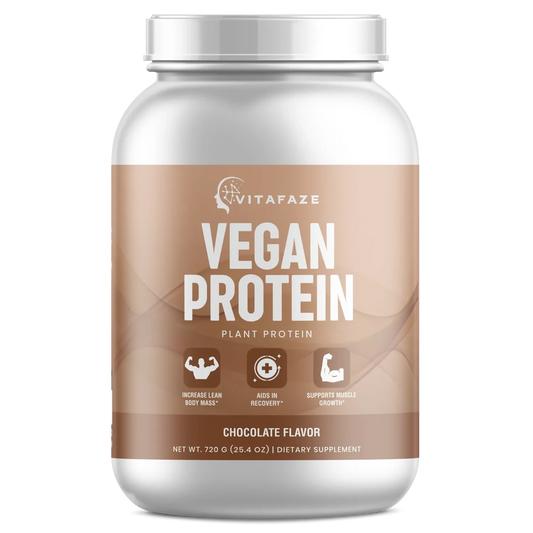
If you want a plant-based option that fits your training, the Vegan Protein Chocolate Shake, 1.5 lb delivers 22 grams of plant protein per scoop with a rich chocolate flavor. Pair it with a 90-day VitaFaze bundle if you want a ready-made routine to start with, and you can shop all VitaFaze products to find the right fit for your goals.


Last Updated: November 7, 2026
Frequently Asked Questions
Is pea protein good for muscle building?
Pea protein can support muscle building when total daily protein and training are adequate. Several resistance-training studies report gains in muscle thickness and strength with pea protein supplementation, though the evidence base is smaller than for whey. Its amino acid profile is lower in methionine and somewhat lower in leucine per gram, so many people use a larger serving or a blend with rice protein. Consistent training matters more than the protein source alone.
Is pea protein as effective as whey protein for strength training?
Available studies suggest pea protein can produce strength and muscle-size gains similar to whey when intake is matched for total protein. Whey still has an edge in leucine content and digestibility, which may matter more for people with high protein targets or limited daily intake. For most lifters, the practical difference is small if the total daily protein goal is met. Choose the option you tolerate well and will use consistently.
How much pea protein should you take after a workout?
A common approach is one 20 to 30 gram serving after training, which provides enough protein to support muscle repair. Because pea protein has a somewhat lower leucine content per gram, some athletes take a slightly larger serving or spread protein across meals. Check the label for grams of protein per scoop rather than scoop weight. Your total daily protein intake matters more than the timing of a single shake.
Is there a downside to pea protein?
The main downsides are a grittier texture in some powders, possible bloating or gas for people sensitive to legumes, and a lower leucine and methionine content per gram than whey. Some products also contain added sugar, sodium or thickeners that can affect digestion. Read the ingredient list and nutrition facts before buying. If you have a digestive condition or allergy, check with a healthcare professional before adding a new supplement.
