



Vega Alternatives for Plant-Based Recovery
Table of Contents
- Why Athletes Switch From Vega Recovery Products
- Plant-Based Recovery Drink Options That Work
- Vegan Post-Workout Protein Powder Comparison
- Plant-Based Protein Powder Ingredients to Prioritize
- How Much Protein After a Workout You Actually Need
- Recovery Ingredients That Make a Difference
- Choosing the Right Alternative by Training Goal
- Cost Per Serving and Value Comparison
- Certifications and Ingredient Transparency
- Frequently Asked Questions
Last Updated: October 14, 2026
Why Athletes Switch From Vega Recovery Products
Plant-based athletes often find themselves in a difficult position. They've committed to a vegan lifestyle, but mainstream recovery supplements still feel like compromises. Many discover that a vega alternative plant-based recovery option offers better taste, superior ingredient transparency, or improved mixability without sacrificing their values.
The shift typically happens for three reasons. First, athletes realize they're paying premium prices for products that don't actually taste good enough to enjoy regularly. Second, they want to understand exactly what's in their recovery drink, and some competitors make that harder than it should be. Third, they're looking for formulations specifically designed around plant-based amino acid profiles rather than adapted from animal-based templates.
Plant-Based Recovery Drink Options That Work
A plant-based recovery drink should deliver complete amino acid profiles, taste good enough to drink regularly, and mix without clumping or settling. Not every option excels at all three.
The best recovery drinks combine plant-based protein sources with carbohydrates and electrolytes. Pea protein and brown rice protein together create a complete amino acid spectrum. Adding carbs post-workout replenishes glycogen that your muscles burned during training. Electrolytes replace what you lost through sweat and support hydration at the cellular level.
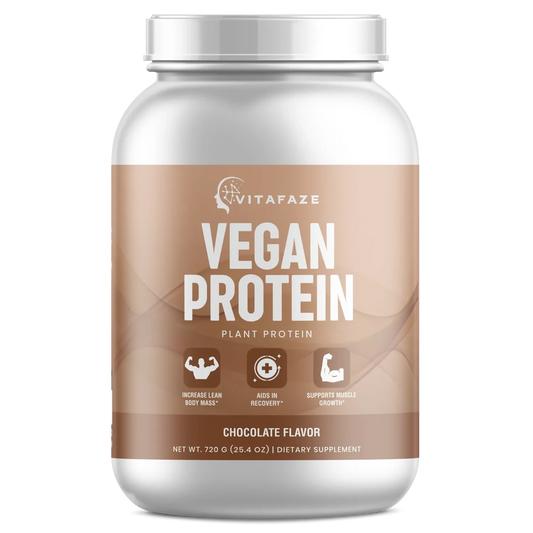
VitaFaze's Vegan Protein Chocolate Shake delivers 22 grams of plant-based protein per serving from organic pea and brown rice protein. It includes 3 grams of sugar from natural sweeteners, 140 calories per scoop, and 4 grams of dietary fiber. The chocolate flavor comes from organic cocoa powder and organic chocolate flavoring, not artificial ingredients.

Complete Amino Acid Profiles
A complete amino acid profile contains all nine essential amino acids your body cannot produce on its own. Plant proteins alone often fall short in one or two amino acids, which is why combining sources matters.
Pea protein is high in BCAAs (branched-chain amino acids) but lower in methionine. Brown rice protein is rich in methionine but lighter on BCAAs. Together, they create a complete profile. This matters because your muscles need all nine essential amino acids to trigger protein synthesis, the process that repairs and builds muscle tissue.
When you're evaluating a plant-based recovery drink, check the amino acid profile on the label. Look for all nine essential amino acids listed. If the product only mentions "complete protein," verify that claim by checking the detailed breakdown.
Taste and Mixability
Taste determines whether you'll actually use a recovery drink consistently. A supplement that sits in your cabinet because it tastes terrible is worthless, no matter how good the nutrition.
Mixability matters equally. A powder that clumps, settles to the bottom, or leaves grit in your teeth becomes a chore instead of a recovery ritual. The best plant-based recovery drinks mix smoothly in cold water without requiring a blender.
VitaFaze's Vegan Protein Chocolate Shake mixes cleanly with just a shaker bottle and cold water. The organic acacia gum in the formula helps with consistency without creating that slimy texture some plant-based powders develop. The natural sweeteners (erythritol and stevia) provide sweetness without the aftertaste that artificial sweeteners leave behind.
Vegan Post-Workout Protein Powder Comparison
Post-workout protein powders serve a specific purpose: deliver amino acids quickly when your muscles are primed to absorb them. The window after training is when protein synthesis peaks, so timing and amino acid completeness matter more than they do at other times of day.
A vegan post-workout protein powder should contain at least 20 grams of protein per serving. It should mix easily and digest without causing bloating. The ingredient list should be short enough to understand without a chemistry degree.
VitaFaze positions its Vegan Protein Chocolate Shake at $32.97 for a 1.5-pound container. That's approximately $1.49 per serving for 22 grams of complete plant-based protein. The formula includes calcium for bone support and dietary fiber for digestive health, making it more than just a protein delivery system.
Protein Content and Bioavailability
Bioavailability refers to how well your body actually absorbs and uses the protein you consume. A powder with 25 grams of protein that your body only absorbs 60% of is less effective than a powder with 20 grams that your body absorbs 85% of.
Plant-based proteins have lower bioavailability than animal proteins on their own, which is why combining sources matters.
The organic nature of VitaFaze's protein sources also supports absorption. The addition of organic acacia gum supports digestive health rather than disrupting it.
Plant-Based Protein Powder Ingredients to Prioritize
When evaluating a plant-based protein powder, focus on four ingredient categories: the protein sources themselves, amino acid boosters, digestive support, and sweetening agents.
Protein sources should be listed first or second on the ingredient list. Pea protein, brown rice protein, hemp seed protein, and soy protein are all legitimate plant-based sources. Avoid products that list "plant protein blend" without specifying which plants, because you can't verify amino acid completeness.
Essential Amino Acids and BCAAs
Essential amino acids (EAAs) are the nine amino acids your body cannot manufacture. Branched-chain amino acids (BCAAs) are three of those nine: leucine, isoleucine, and valine. They're singled out because they trigger muscle protein synthesis more directly than other amino acids.
Many plant-based athletes supplement with additional BCAAs or EAAs beyond what their protein powder provides. VitaFaze's BCAA + EAA Strawberry Candy powder delivers 7,400 milligrams of essential amino acids and 5,000 milligrams of BCAAs per serving.

The BCAA Lemon Lime powder offers a lighter option at 5 grams of BCAAs per serving, enhanced with L-glutamine and vitamin B6. At $35.99 for 50 servings, it provides recovery support without the full amino acid spectrum of the EAA version. Choose based on your training intensity and recovery goals.
Vegan Protein Chocolate Shake - 1.5lb Pure Plant-Based Nutrition for Optimal →
Digestive Support and Nutrient Absorption
Plant-based proteins can cause bloating or digestive discomfort in some athletes. Digestive enzymes and prebiotic fiber help your body break down and absorb the protein more efficiently.
Protease is the digestive enzyme that breaks down protein. Prebiotic fiber feeds beneficial bacteria in your gut, which improves overall nutrient absorption.
VitaFaze's Vegan Protein Chocolate Shake includes organic acacia gum, which is a prebiotic fiber. This supports healthy digestion without causing the gas or bloating that some plant-based powders trigger. The 4 grams of dietary fiber per serving also promotes digestive health.
How Much Protein After a Workout You Actually Need
The common recommendation is 20-40 grams of protein within two hours post-workout. This range applies to most plant-based athletes regardless of training style. Your body doesn't need more protein immediately after training than it needs at other times.
For muscle repair and recovery, aim for 1.6-2.2 grams of protein per kilogram of body weight across the entire day. A 150-pound athlete (approximately 68 kilograms) needs roughly 109-150 grams of protein daily.
The post-workout window is valuable because your muscles are primed to absorb amino acids. A vega alternative plant-based recovery drink that delivers complete amino acids during this window maximizes muscle protein synthesis.
Many plant-based athletes underestimate their daily protein needs because they're used to calculating based on animal products. A cup of cooked lentils has about 18 grams of protein. A serving of tofu has 10-15 grams.
Recovery Ingredients That Make a Difference
Beyond protein and amino acids, certain ingredients accelerate recovery and reduce delayed-onset muscle soreness. These include carbohydrates for glycogen replenishment and electrolytes for hydration.
Carbohydrates consumed post-workout trigger insulin release, which helps drive amino acids into muscle cells. A recovery drink with both protein and carbs is more effective than protein alone.
Electrolytes (sodium, potassium, magnesium) replace minerals lost through sweat and support muscle function. VitaFaze's BCAA + EAA Strawberry Candy includes 550 milligrams of electrolytes per serving specifically for this purpose.
VitaFaze's All-in-One Greens and Reds Superfood combines 2,500 milligrams of greens with 425 milligrams of superfruits, plus a digestive enzyme matrix. While not a post-workout drink specifically, it supports overall recovery nutrition when consumed as part of your daily routine.

Choosing the Right Alternative by Training Goal
Your training style determines which recovery supplement makes the most sense. Strength athletes need different support than endurance athletes, and casual fitness enthusiasts have different requirements than competitive competitors.
For Strength Training and Muscle Repair
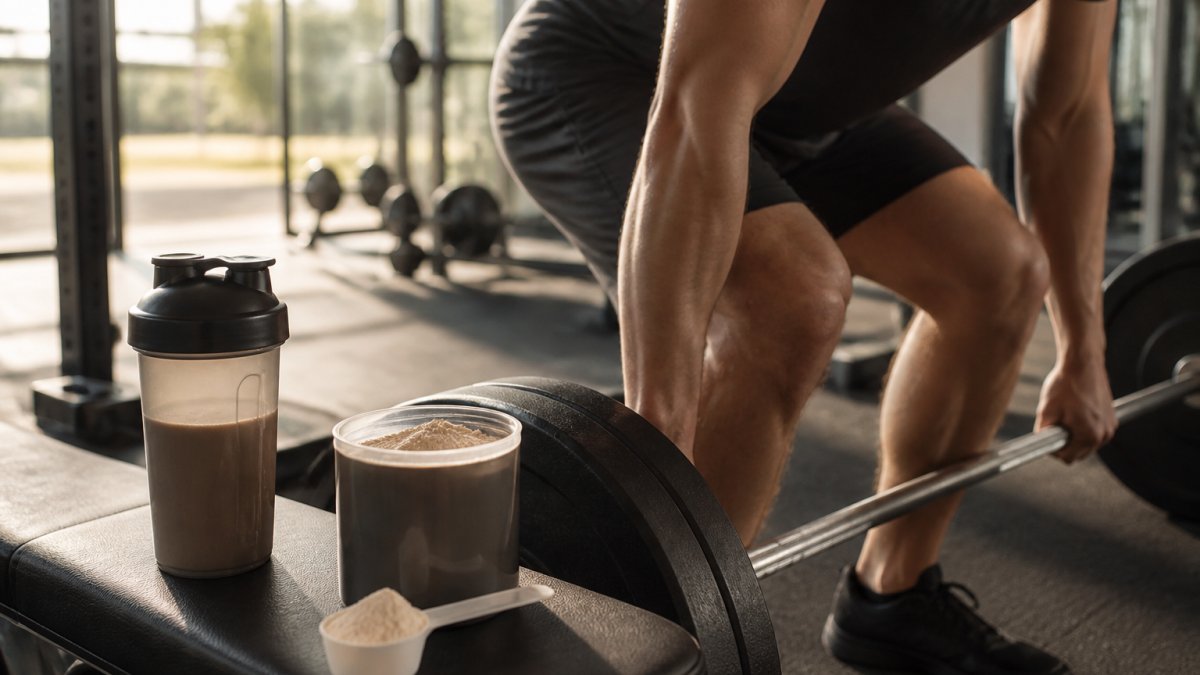
Strength training creates micro-tears in muscle fibers. Recovery means repairing those tears and building them back larger and stronger. This process depends on adequate protein, complete amino acids, and sufficient calories.
Strength athletes benefit from higher protein intake post-workout. A 25-30 gram serving of complete plant-based protein triggers maximum muscle protein synthesis. VitaFaze's Vegan Protein Chocolate Shake at 22 grams hits this range effectively. Pairing it with a carbohydrate source (banana, berries, oat milk) creates an optimal post-workout meal.
For heavy strength training days, adding VitaFaze's BCAA + EAA Strawberry Candy provides additional amino acids and electrolytes. The 7,400 milligrams of essential amino acids support muscle protein synthesis more directly than whole food sources alone.
For Endurance and Energy Replenishment
Endurance training depletes glycogen stores and creates systemic fatigue. Recovery means replenishing energy, supporting cellular repair, and reducing inflammation across the entire body.
Endurance athletes need carbohydrates more urgently than strength athletes do. A 3:1 or 4:1 carbohydrate-to-protein ratio supports faster glycogen replenishment. VitaFaze's Vegan Protein Chocolate Shake provides protein, but you'll want to pair it with a carbohydrate source like oat milk or add a banana to the shake.
Endurance athletes also benefit from broader micronutrient support. VitaFaze's Organic Super Greens Watermelon delivers over 25 organic ingredients and B vitamins that promote natural energy. Consuming this as a daily supplement supports overall recovery capacity beyond just the post-workout window.
Cost Per Serving and Value Comparison
Price per tub tells you almost nothing. What matters is cost per serving, cost per gram of protein, and cost per gram of the specific amino acids you are actually buying. A $60 tub that yields 40 servings is cheaper per use than a $35 tub that yields 18.
To compare fairly, run three numbers on every candidate:
- Cost per serving = tub price ÷ number of servings on the label.
- Cost per gram of protein = cost per serving ÷ grams of protein per serving.
- Cost per gram of BCAAs or EAAs = cost per serving ÷ milligrams of BCAAs or EAAs per serving (divide by 1,000 first to convert to grams).
That third number is the one most shoppers skip, and it is the one that separates a protein powder from an amino acid supplement. They are not substitutes for each other, so comparing them on price alone is misleading.
How to Read a Cost-Per-Serving Label
Serving counts on plant-based powders vary widely because scoop sizes vary. A 1.5-pound tub at a 30-gram scoop yields roughly 22 servings. The same 1.5-pound tub at a 20-gram scoop yields roughly 34 servings. Same price, very different cost per use.
What You Are Actually Paying For
A plant-based protein powder earns its price through four things: protein source quality, amino acid completeness, added digestive support, and flavor system. A product that skimps on any one of those usually shows up as clumping or an incomplete amino acid profile, all of which reduce how often you actually use it.
Vegan Protein Chocolate Shake - 1.5lb Pure Plant-Based Nutrition for Optimal →
Amino acid powders earn their price differently. You are paying for concentration and purity of EAAs or BCAAs, plus electrolytes if they are included. There is no protein, no fiber, and no calories, so the cost per gram of active ingredient should be lower than a protein powder's.
Building a Realistic Monthly Budget
A practical way to budget is to estimate how many training days you have per month and how many of those days you will actually use a recovery product. Most athletes who train four to five days per week end up using a protein powder three to four times per week and an amino acid powder one to two times per week.
At four protein servings per week and two amino acid servings per week, a month runs roughly 16 protein servings and 8 amino acid servings. At $1.49 and $1.07 per serving respectively, that is about $23.84 in protein and $8.56 in amino acids, roughly $32 per month. That is the number to compare against whatever you are spending now, not the sticker price of a single tub.
Where the Real Savings Hide
Cost per serving is only half the equation. The other half is waste. A powder you dislike sits in the cabinet and never gets used, which makes its effective cost per serving infinite. A powder you enjoy gets finished, which makes its effective cost per serving exactly what the label says.
That is why taste and mixability belong in a value comparison, not a separate section. A $1.49 serving you drink four times a week is a better value than a $0.99 serving you drink once and abandon.
FDA guidance on dietary supplement labeling and serving size declarations
A Note on Subscription and Bulk Pricing
Many plant-based supplement brands offer subscription discounts in the 10-20% range and larger tubs at a lower cost per gram. If you are confident you will use a product consistently, a subscription is usually the cheapest path. If you are trying a product for the first time, buy the smallest size available even if the cost per serving is higher, you are paying a small premium to avoid a large waste.
Certifications and Ingredient Transparency
Dietary supplements are regulated as food, not drugs, under the Federal Food, Drug, and Cosmetic Act (the FDA). That means the FDA does not review a product for safety and effectiveness before it hits shelves. The burden of verifying what is actually in the tub falls largely on you.
The Certifications That Actually Mean Something
Not all seals are equal. These are the ones worth looking for, and what each one verifies:
- NSF Certified for Sport, Tests for more than 280 athletic-banned substances, verifies label claims, and audits the manufacturing facility. This is the strictest commonly available certification for athletes.
- Informed Sport, Tests every batch for banned substances and publishes results. Widely recognized in competitive sport.
- USP Verified, Verifies that the product contains the ingredients listed, in the amounts listed, and does not contain harmful levels of contaminants.
- NSF Certified for Sport vs. NSF Contents Certified, The latter verifies contents but does not screen for the full banned-substance list. Read the seal carefully.
A product with none of these is not automatically unsafe, but you have no independent verification of what is inside.
Reading an Ingredient List Like an Auditor
Ingredient lists are ordered by weight, descending. The first two or three ingredients are the bulk of the product. If a protein powder lists its protein source third or fourth, that is a red flag, the product is mostly something else.
Four things to check on every label:
- Protein source specificity. "Pea protein isolate, brown rice protein" is verifiable. "Plant protein blend" is not. You cannot confirm amino acid completeness from a blend name.
- Amino acid disclosure. A serious product lists the full amino acid profile or at least the EAA and BCAA totals in milligrams. If it only says "complete protein," you are taking that on faith.
- Sweetener system. Erythritol, stevia, monk fruit, and allulose are common in plant-based products. Artificial sweeteners like sucralose and acesulfame potassium are common in mainstream products but avoided by many plant-based shoppers.
- Additives and fillers. Look for maltodextrin, titanium dioxide, and artificial colors. None are banned, but they are markers of a formulation built for cost rather than quality.
Allergens and Dietary Restrictions
Plant-based does not automatically mean allergen-free. Common allergens to check on any alternative:
- Soy, Present in many plant protein blends.
- Gluten, Cross-contamination risk in facilities that also process wheat.
- Tree nuts and peanuts, Common in flavored or "superfood" blends.
- Coconut, Frequently used as a creamer or fat source and classified as a tree nut by the FDA for labeling purposes.
If you have a diagnosed allergy, look for a product that is certified gluten-free or explicitly labeled allergen-free, and confirm the facility does not also process the allergen in question. "May contain" statements are voluntary but informative.
Certifications and Transparency Checklist
Use this when comparing any alternative against your current product:
- Does the product carry NSF Certified for Sport, Informed Sport, or USP Verified?
- Is the protein source named specifically, not as a "blend"?
- Is the amino acid profile disclosed in milligrams?
- Are allergens declared clearly, including "may contain" statements?
- Is the sweetener system named, not hidden behind "natural flavors"?
- Does the brand publish third-party test results or certificates of analysis?
- Is the serving size and scoop weight stated in grams?
A product that checks most of these boxes is doing the transparency work for you. A product that checks few of them is asking you to trust the label.
NSF Certified for Sport program overview and certified product database
Why This Matters More for Plant-Based Products
Plant proteins are more likely than animal proteins to be sourced from multiple suppliers and blended, which increases the number of places where label accuracy can drift. A single-source whey isolate is easier to verify than a four-source plant blend. That is not a reason to avoid plant-based products, it is a reason to favor the ones that submit to independent testing and publish their amino acid numbers.
Frequently Asked Questions
What should I look for in a plant-based recovery powder?
Look for complete amino acid profiles with all nine essential amino acids, at least 20 grams of plant protein per serving, digestive enzymes for absorption, and third-party testing for purity. Check ingredient sourcing, organic and bioavailable options like pea and brown rice protein combinations support better muscle repair. Low sugar content and natural sweeteners matter for sustained energy without crashes.
How much protein after a workout should I consume for muscle recovery?
Research suggests 20-40 grams of protein within 1-2 hours post-workout supports muscle protein synthesis. Pair protein with carbohydrates in a 3:1 or 4:1 ratio to maximize recovery and replenish glycogen stores depleted during training.
Can plant-based protein powders reduce muscle soreness as effectively as Vega?
When formulated with complete amino acid profiles and recovery ingredients like L-glutamine and BCAAs, plant-based protein powders can support muscle recovery. The key is ingredient quality and bioavailability. Third-party tested plant-based powders with organic pea and brown rice protein, combined with digestive enzymes, can provide recovery support.
What's the difference between BCAAs and essential amino acids for post-workout recovery?
BCAAs (branched-chain amino acids) are three of the nine essential amino acids, leucine, isoleucine, and valine, that directly trigger muscle protein synthesis. Full EAA (essential amino acid) supplements include all nine, providing complete amino acid support for muscle repair and recovery. For plant-based athletes, full EAA formulas are generally superior because they cover all amino acid needs in one serving.