



Vegan Post-Workout Snacks for Muscle Growth That Work
Last Updated: November 6, 2026
Quick Summary
The best vegan post-workout snacks for muscle growth deliver 15 to 25 grams of protein with fast carbs and enough leucine to trigger muscle protein synthesis. Aim to eat within a couple of hours of finishing, with 20 to 30 grams of protein and 30 to 60 grams of carbs per snack for muscle growth. Pair plant sources like pea and rice to cover amino acid gaps.
- Most active people need roughly 20 to 30 grams of high-quality protein after a hard session.
- A 100-gram serving of tempeh delivers roughly 19 grams of protein.
- One cup of shelled edamame with sea salt provides about 17 grams of protein.
- Canned lentils and chickpeas keep per-serving cost under two dollars and cut prep to minutes.
- Keep snacks under roughly 400 calories unless replacing a full meal.
Table of Contents
- Vegan Post-Workout Snacks for Muscle Growth: What Actually Drives Recovery
- The Best Vegan Snacks for Muscle Growth, Ranked by What They Deliver
- High-Protein Vegan Snack Recipes You Can Make in Minutes
- Savory High-Protein Vegan Snacks for People Who Are Tired of Sweet
- Vegan Post-Workout Snack Recipes Built Around Whole Foods
- Protein Shakes, Powders, and Carb Drinks: When a Scoop Beats a Snack
- Timing, Portion Size, and the Recovery Window
- Allergen-Aware and Dietary Variations for Plant-Based Athletes
- Building Your Post-Workout Snack Rotation With VitaFaze
- Frequently Asked Questions
Vegan Post-Workout Snacks for Muscle Growth: What Actually Drives Recovery
The best vegan post-workout snacks for muscle growth deliver 15 to 25 grams of protein with fast carbs and enough leucine to trigger muscle protein synthesis. Recovery is not magic. It is protein, carbohydrates, fluids, and timing, stacked in the right order. Below, we break down exactly what each snack should deliver, with numbers, recipes, and portion guidance.
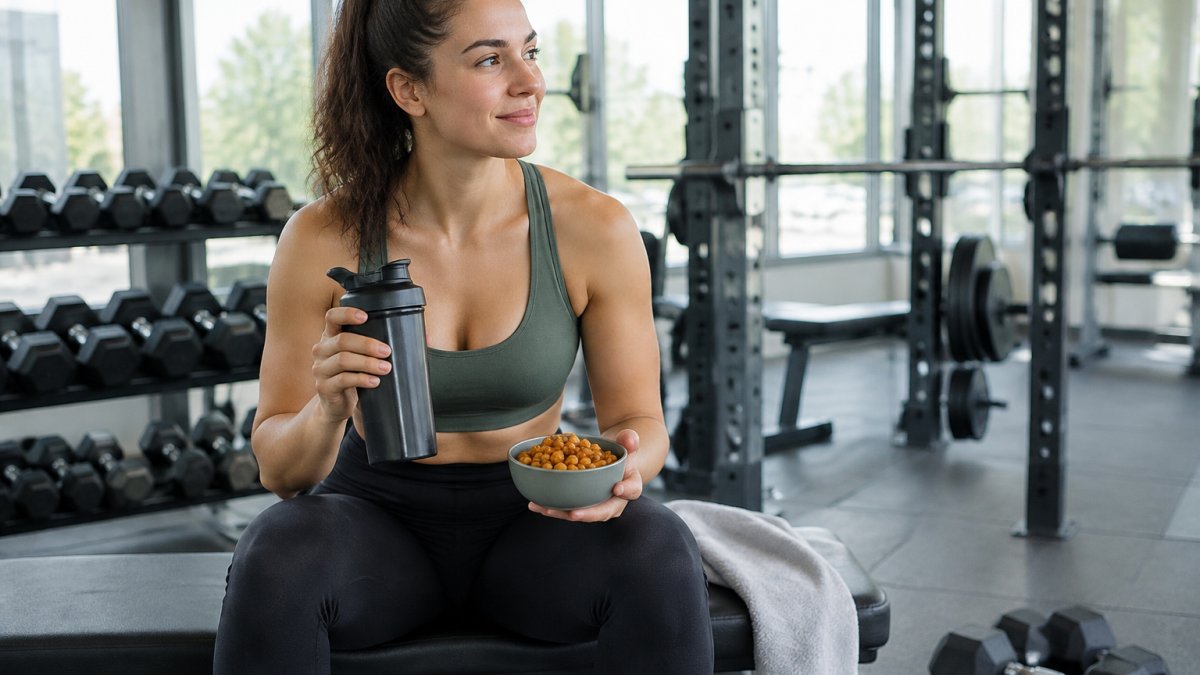
How Much Protein You Need After Training
Most active people need roughly 20 to 30 grams of high-quality protein after a hard session. Daily totals matter more: general guidance from sports nutrition bodies such as the American College of Sports Medicine position stand on protein points to about 1.2 to 2.0 grams of protein per kilogram of body weight per day for training individuals. A 70 kg athlete lands near 84 to 140 grams daily. Spread that across three meals and one or two recovery snacks.
Why Plant Proteins Need a Closer Look at Leucine
Leucine is the amino acid that flips the switch on muscle protein synthesis. Plant proteins often carry less leucine per gram than animal sources, so portions need to be slightly larger. Pairing sources fixes this. Pea and rice together cover the amino acid gaps that each misses alone. For a deeper comparison, see our breakdown of pea protein vs rice protein for muscle building.
The Best Vegan Snacks for Muscle Growth, Ranked by What They Deliver
Ranking comes down to protein density, leucine content, and how fast the carbs absorb. Here is how the strongest options stack up.
| Snack | Protein | Carbs | Best For | Prep Time |
|---|---|---|---|---|
| Tofu and edamame bowl | 22-25 g | 15-20 g | Full recovery meal | 10 min |
| Chocolate protein shake | 22 g | Low | Fast post-gym option | 2 min |
| Roasted chickpeas | 12-15 g | 30 g | Portable crunch | 30 min |
| Peanut butter apple slices | 8 g | 25 g | Quick carb refill | 3 min |
| Chia seed pudding | 10 g | 20 g | Overnight prep | 5 min + chill |
Protein
Match the snack to your schedule, not the other way around.
High-Protein Vegan Snack Recipes You Can Make in Minutes
Speed matters when you are hungry and sore. These vegan post-workout snack recipes take under ten minutes and hit real protein numbers.
- Chocolate peanut butter shake: one scoop plant protein, one tablespoon peanut butter, oat milk, ice. Roughly 28 grams of protein.
- Hummus and cracker plate: half cup hummus, whole-grain crackers, sliced vegetables. About 12 grams of protein.
- Non-dairy yogurt bowl: one cup plant-based yogurt, berries, chia seeds, drizzle of almond butter. Around 15 grams.
- Edamame snack cup: one cup shelled edamame with sea salt. About 17 grams of protein.
For more quick ideas, our list of easy vegan protein snacks for busy women covers options that fit a packed schedule.
Savory High-Protein Vegan Snacks for People Who Are Tired of Sweet
Not everyone wants another chocolate shake. Savory high-protein vegan snacks solve the flavor fatigue problem without sacrificing recovery.
Tempeh is a savory option. A 100-gram serving delivers roughly 19 grams of protein. Cube it, pan-fry with tamari, and eat it warm. Lentil soup in a thermos works for cold-weather training days, packing fiber and slow carbs alongside protein. Roasted chickpeas with smoked paprika give you crunch and about 12 grams of protein per cup. Beans and rice, eaten cold as a salad with lime and olive oil, remains one of the cheapest complete protein combos available.
The common mistake is underseasoning. Savory plant snacks live or die on acid, salt, and heat.
Vegan Post-Workout Snack Recipes Built Around Whole Foods
Whole-food snacks carry fiber that powders lack. They digest slower, so save them for the meal after your shake, not the ten minutes immediately after your last set. The recipes below are built to be compared, not just read: each one lists a realistic serving, protein, carbs, prep time, and rough cost per serving so you can match the snack to your goal and your schedule.
| Snack | Serving | Protein | Carbs | Prep Time | Rough Cost per Serving |
|---|---|---|---|---|---|
| Quinoa and black bean bowl | 1 cup cooked quinoa + 1/2 cup black beans + 1 cup roasted vegetables | 14-16 g | 45-50 g | 20 min (batch-cook quinoa ahead) | $1.50-$2.00 |
| Lentil and chickpea salad | 1 cup (1/2 cup lentils + 1/2 cup chickpeas + lemon-olive oil dressing) | 16-18 g | 35-40 g | 10 min with canned legumes | $1.25-$1.75 |
| Almond-pumpkin trail mix | 1/4 cup almonds + 2 tbsp pumpkin seeds + 2 tbsp dried fruit | 8-9 g | 15-18 g | 2 min | $0.90-$1.30 |
| Chili-roasted chickpea and edamame mix | 1/2 cup chickpeas + 1/2 cup shelled edamame + chili flakes | 14-16 g | 22-26 g | 5 min with pre-roasted chickpeas | $1.00-$1.50 |
| Overnight oats with hemp and chia | 1/2 cup oats + 2 tbsp hemp hearts + 1 tbsp chia + plant milk | 12-14 g | 35-40 g | 5 min + overnight chill | $0.85-$1.20 |
Build these around a base of legumes, add a whole grain, finish with a fat source, and season aggressively. That formula is why the quinoa bowl and the lentil-chickpea salad land near the 15-gram protein mark while still delivering the 35-plus grams of carbs that refill glycogen after a hard session.
Watch out: whole-food snacks are high in fiber, and eating a large legume-heavy portion within an hour of finishing a hard interval session can cause bloating. If you are sensitive, take the shake first and eat the whole-food bowl two to three hours later.
For readers tracking daily totals, these numbers make the math simple. A 70 kg athlete targeting roughly 100 to 140 grams of protein per day can cover about a third of that with two of these snacks plus one protein-forward meal. If you want to see how these fit a full day, our complete guide to building muscle on a vegan diet maps out a weekly plan.
Cost and prep notes matter as much as macros. Canned lentils and chickpeas cut prep to minutes and keep per-serving cost under two dollars, while dried legumes are cheaper per gram but need soaking and cooking time. Batch-cooking quinoa and roasting a tray of chickpeas on Sunday turns four of these five snacks into five-minute assemblies during the week. Portability is the trade-off: the trail mix and the roasted chickpea-edamame mix travel well in a container, while the quinoa bowl and overnight oats need a fridge or a cooler bag.
Protein Shakes, Powders, and Carb Drinks: When a Scoop Beats a Snack
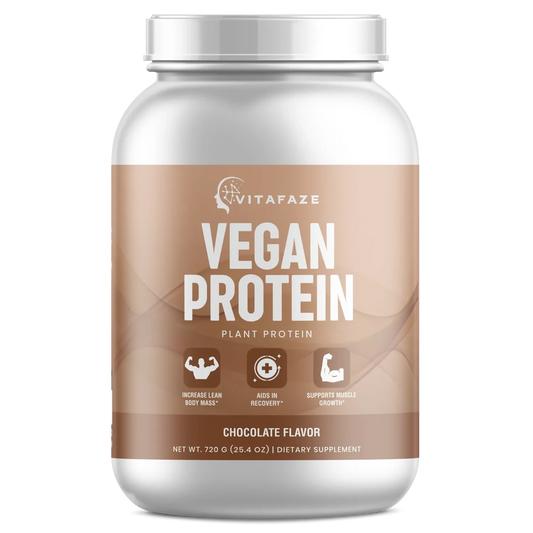
A shake wins when you need protein fast and cannot chew. Liquids empty from the stomach quicker, which matters in the first hour after training. Our vegan protein chocolate shake delivers 22 grams of plant protein from organic pea and brown rice, with 3 grams of sugar and 140 calories per serving. When glycogen is the priority, a carb-plus-electrolyte drink can be a practical option. Our recovery carb and electrolyte summer punch packs 24 grams of fast-digesting carbs with four key electrolytes per scoop.


Powders do not replace whole foods. They fill the gap on days when cooking is not happening.
Timing, Portion Size, and the Recovery Window
The anabolic window is wider than gym lore suggests. Research summarized by the International Society of Sports Nutrition indicates protein timing matters most around the training period as a whole, not a strict 30-minute cutoff. Aim to eat within a couple of hours of finishing, and keep daily protein spread across four or five feedings.
Portion guidance by goal:
- Muscle growth: 20 to 30 grams protein per snack, plus 30 to 60 grams carbs
- Endurance recovery: 15 to 20 grams protein, 40 to 60 grams carbs
- Fat loss phase: 25 to 30 grams protein, moderate carbs, higher fiber
Keep snacks under roughly 400 calories unless replacing a full meal.
Allergen-Aware and Dietary Variations for Plant-Based Athletes
Soy, gluten, and nuts trip up plenty of athletes. Swap freely without losing protein density.
- Soy-free: replace tofu and edamame with lentils and hemp seeds
- Nut-free: use sunflower seed butter instead of peanut or almond butter
- Gluten-free: choose certified oats, quinoa, and rice-based crackers
- Low-FODMAP: favor firm tofu, oats, and rice over beans and lentils
Check labels for cross-contamination if allergies are severe. The FDA guidance on food allergen labeling explains what manufacturers must disclose.
Building Your Post-Workout Snack Rotation With VitaFaze
A rotation beats a single snack. Alternate a shake on training days, a whole-food bowl on rest days, and a portable option when you are traveling. That variety covers leucine, carbs, and micronutrients without boredom. Our complete guide to building muscle on a vegan diet maps out a full weekly plan.
The challenge is consistency, not knowledge. Most athletes know they should eat protein after training. Fewer actually do it. VitaFaze builds plant-powered nutrition designed for plant-based athletes, with a focus on clean ingredients and targeted performance support.
Recovery is a habit, not a single meal. VitaFaze makes it easier with plant-powered formulas designed to support muscle protein synthesis, enhance cellular energy, and speed recovery after hard training. Get started with VitaFaze and give your post-workout routine the nutrition it deserves.
Frequently Asked Questions
What is a good post-workout snack for muscle gain if you eat plant-based?
Aim for a snack that combines 15-25 grams of plant protein with 20-40 grams of fast carbs. A shake made with pea and brown rice protein plus a banana hits both targets in under five minutes. Whole-food options work too: roasted chickpeas with a slice of whole-grain toast, or a bowl of lentils with rice cakes. The protein supplies the amino acids your muscles need to repair, and the carbs refill glycogen so you are not running on empty at your next session.
How much protein should vegan post-workout snacks contain?
Most research points to 20-40 grams of protein per post-workout feeding for people training for muscle growth, with 20-30 grams being a practical target for most athletes. Plant proteins often sit slightly lower in leucine than whey, so leaning toward the upper end of that range helps. A shake with 22 grams of plant protein gets you close on its own, and pairing it with a whole-food carb source rounds out the snack.
Do you need to eat immediately after a workout to build muscle?
The old 30-minute anabolic window is narrower than it was made out to be. If you ate a protein-containing meal within a few hours before training, you have more slack than the gym lore suggests. That said, eating a snack with protein and carbs within about an hour of finishing is a simple habit that supports recovery and keeps you from arriving at your next meal underfed. Consistency across the day matters more than hitting an exact minute.
Can vegan protein powder help with muscle growth?
Yes, when it delivers a complete amino acid profile in a useful dose. Blends that combine pea and brown rice protein can offer a broader amino acid mix than single-source plant proteins. A shake with 22-24 grams of plant protein per serving fits neatly into a post-workout snack and is far easier to hit consistently than assembling whole-food options after every session.
